Begrip van Verskillende Tipes Vlakaanwysers
Julie 14, 2026
Of jy nou die watervoorsiening vir 'n residensiële eiendom bestuur, toesien oor 'n landboubesproeiingstelsel, of om komplekse chemiese verwerkingsaanlegte te hanteer, Akkurate vloeistofmeting is noodsaaklik. Om jou tenk se watervlak dop te hou, verseker dat jou bedrywighede glad verloop, Veilig, en doeltreffend.
Om verskillende tipes vlakaanwysers te verstaan, is die kritieke eerste stap om jou vloeibare en soliede bestuur te optimaliseer. 'n Betroubare Vlakaanwyser Verskaf nie net intydse data om droë lopies te voorkom nie, maar beskerm ook jou infrastruktuur teen gevaarlike lekke. In hierdie gids, Ons gaan die verskillende tipes sensors wat beskikbaar is, uiteensit, Hoe hulle funksioneer, en hoe om die beste een vir jou spesifieke toepassing te kies.
Die Stigting: Deurlopende vs Puntvlak-opsporing
Voordat ons in spesifieke hardeware delf, Dit is belangrik om die twee primêre meetmetodes te verstaan: Deurlopende vs puntvlakdeteksie.
Deurlopende Vlakdeteksie: Hierdie sensors meet die vloeistof- of vaste vlak oor die hele span van die tenk. Hulle dien as 'n volledige watervlakmeter, wat jou presies vertel hoeveel produk op enige gegewe oomblik binne is. Dit is ideaal vir voorraadbestuur en presiese prosesbeheer.
Puntvlakdeteksie: In plaas daarvan om die presiese volume te meet, Hierdie sensors aktiveer 'n waarskuwing wanneer die materiaal 'n spesifieke punt bereik, Voorafbepaalde punt. Hierdie metode is ongelooflik koste-effektief en is die goue standaard om tenkoorloop met hoëvlak-alarms te voorkom, of om 'n hervulling te aktiveer wanneer die tenk leeg raak.
Standaardoplossings vir waterberging
As jy met 'n standaard reservoir te doen het, Jy het waarskynlik 'n betroubare nodig watervlak aanwyser vir watertenktoepassings. Hierdie stelsels is oor die algemeen eenvoudig, bekostigbaar, en maklik om te onderhou.
Een van die mees algemene en histories betroubare metodes is die Watertenkvlak-aanwyser Float. Hierdie meganiese toestel sit op die oppervlak van die vloeistof; soos die water styg of daal, die vlot beweeg 'n hefboom of 'n kabel, opdatering van die meting. Soortgelyke dryfvermoëbeginsels word gebruik in vlotskakelaars vir dompelpompbeheer, wat outomaties 'n pomp aan- of afskakel, afhangende van die waterhoogte.
Vir baie gebruikers, die bokant van 'n houer oopmaak om die watertenk vlak sensor is hoogs ongerieflik. In hierdie gevalle, 'n Eksterne watertenkvlak-aanwyser is die perfekte oplossing. Gemonteer aan die buitekant van die reservoir, Dit bied 'n vinnige visuele verwysing. Of jy dit bloot 'n watermeter noem, watervlakmeter, of 'n toegewyde watertenk-metervlakaanwyser, Hierdie eksterne visuele hulpmiddels neem die raaiwerk uit daaglikse vloeistofbestuur. Uiteindelik, Om die regte watervlakmeter vir watertenkopstellings te vind, verseker dat jy konstant is, Maklike toegang tot jou waterbeskikbaarheid.
Gevorderde en Industriële Tenkvlak Moniteringstelsels
Soos bedrywighede toeneem, Basiese vlotterskakelaars word dikwels vervang deur gesofistikeerde industriële tenkvlakmoniteringstelsels wat in staat is om uiterste druk te hanteer, Temperature, en gevaarlike materiale.
Nie-kontak vloeistofvlakmetingstegnologieë
Wanneer 'n sensor nie fisies aan die vloeistof kan raak nie—miskien as gevolg van sanitasievereistes of uiterste temperature—word nie-kontak vloeistofvlakmeettegnologieë gebruik.
Ultrasonies vs Radar: Wanneer jy kyk na 'n ultrasoniese teenoor radarvlaksensorvergelyking, Die keuse kom neer op die omgewing. Ultrasoniese sensors weerkaats klankgolwe van die oppervlak van die vloeistof af om afstand te bereken. Hulle is uiters effektief en bekostigbaar vir skoonmaak, Kalm vloeistowwe. Nietemin, as die tenk skuim het, dampe, of temperatuurskommelings, Radarsensors—wat radiogolwe gebruik—is baie beter omdat hulle nie deur hierdie omgewingsfaktore beïnvloed word nie..
Mikrogolf en Laser: Die akkuraatheid van mikrogolfvlak-aanwysers is bekend in swaar industriële toepassings, om maklik deur dik stof en stoom te sny. Daarbenewens, Die voordele van laservlakmeting sluit in presiese presisie oor baie lang afstande. Lasers kan op 'n klein oppervlak fokus, om interne tenkversperrings te omseil wat 'n wyer ultrasoniese straal kan verwar.
Gespesialiseerde Interne Sensors
As jy al ooit gewonder het, Hoe werk 'n magnetiese vlakmeter? Die konsep is briljant eenvoudig maar baie veilig. 'n Vlot met 'n sterk magneet sit binne 'n verseëlde kamer wat aan die tenk verbind is. Soos die drywer saam met die vloeistof beweeg, sy magnetiese veld draai om, baie sigbaar, Kleurgekodeerde flappe op 'n eksterne skerm. Dit stel operateurs in staat om 'n tenkvlakmeter te lees sonder enige risiko van chemiese blootstelling.
Vir diep putte en hoë bergingssilo's, Hidrostatiese drukvlak-sendertoepassings is ongelooflik algemeen. Hierdie sensors sit onder in die tenk en meet die druk wat deur die vloeistof bo hulle uitgeoefen word. Deur die druk saam met die vloeistof se digtheid te bereken, Hulle verskaf hoogs akkurate volume-lesings.
Omgekeerd, As jy met uiters stywe masjinerie of miniatuurreservoirs werk, optiese vloeistofvlaksensors vir klein ruimtes is 'n uitstekende keuse. Hierdie klein, Vastestoftoestelle gebruik infrarooi lig om die teenwoordigheid of afwesigheid van 'n vloeistof op te spoor, wat hulle perfek maak vir kompakte kompak, Puntvlak-opsporing.
Hantering van Uitdagende en Gevaarlike Materiale
Nie alle stoorfasiliteite hou eenvoudige vloeistowwe nie. Byvoorbeeld, Die meting van korrosiewe chemikalieë in stoortenks vereis sensors wat van hoogs duursame bestanddele gemaak is, chemiesbestande materiale soos Teflon (PTFE) of Kynar (Pvdf). Nie-kontak radarsensors is dikwels die veiligste opsie hier, aangesien hulle direkte kontak heeltemal vermy.
Verder, As jy korrels meet, Poeiers, of plastiek, Tradisionele vloeistofsensors sal faal. In hierdie scenario's, Kapasitiewe sensors vir vaste materiale is die bedryfsstandaard. Hierdie sensors meet veranderinge in elektriese kapasitansie wat deur die massavaste stowwe veroorsaak word, presiese bepaling van die vulvlak van droë goedere.
Hoe om 'n vlaksensor vir vloeistowwe en vaste stowwe te kies
Met so 'n wye verskeidenheid tegnologieë beskikbaar, Hoe om 'n vlaksensor vir vloeistowwe of vaste stowwe te kies, hang uiteindelik af van 'n paar kritieke faktore:
Materiaaleienskappe: Is die medium 'n vloeistof, 'n slurry, of 'n vaste massamateriaal? Is dit korrosief, Sticky, of geneig tot skuim?
Tenkomgewing: Oorweeg die temperatuur, Druk, en die fisiese grootte van jou tenk. 'n Basiese watervlak-aanwyser is goed vir 'n agterplaas reënvat, Maar 'n geperste chemiese vat vereis 'n swaardiensoplossing.
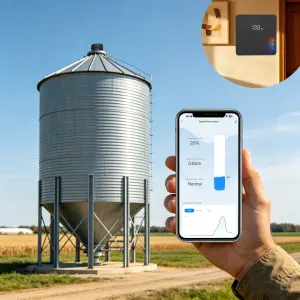
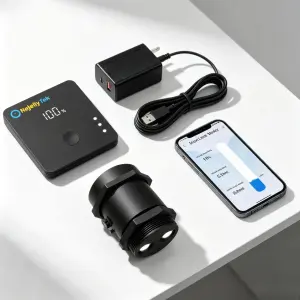
Data en Konnektiwiteit: Het jy plaaslik nodig?, Visuele Uitlees, of wolkgebaseerde data? Vandag, Draadlose tenkvlakmonitering vir afgeleë terreine stel fasiliteitsbestuurders in staat om vloeistofvlakke op hul slimfone van enige plek in die wêreld na te gaan, tyd bespaar en reiskoste na afgeleë pompstasies verminder.
Doel: Bepaal of jy deurlopende opsporing vir voorraadbestuur nodig het of net eenvoudige puntvlak-opsporing vir veiligheidsalarms.
Om jou hulpbronne doeltreffend te bestuur hoef nie 'n raaispel te wees nie. Deur jou spesifieke behoeftes te evalueer, Materiaaleienskappe, en omgewingstoestande, Jy kan maklik 'n stelsel implementeer wat geld bespaar, voorkom ongelukke, en waarborg operasionele doeltreffendheid.