
Koopgids vir draadlose vlakmonitors: 7 Sleutelvrae om jou te help om die regte keuse te maak
Teikengehoor: Verkrygingspersoneel, Ingenieurstegnici, Eindgebruikers
Hoekom het jy 'n koopgids nodig??
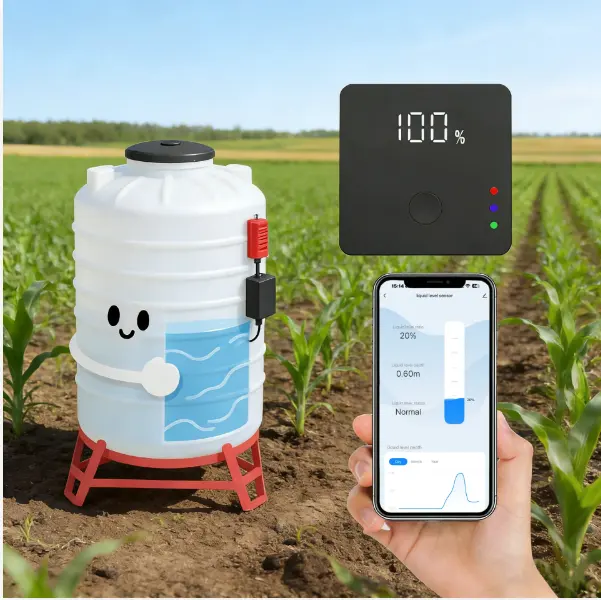
Die Draadlose vlakmonitormark bied 'n wye verskeidenheid produkte met komplekse spesifikasies, wat dit moeilik maak vir gewone gebruikers om kwaliteit van minderwaardigheid te onderskei. 'n Sistematiese koopgids help gebruikers om slaggate te vermy en produkte te koop wat werklik aan hul behoeftes voldoen.
Hieronder is sleutel-seleksie-oorwegings wat oor verskeie dimensies georganiseer is, Dek kommunikasiemetodes, Sensortipes, Kragoplossings, Beskermingsgraderings, en ander kritieke faktore.
Vraag 1: Wat is die Aansoekscenario?
Dit is die primêre voorvereiste vir seleksie, wat direk die meetbeginsel en produkmateriaal bepaal.
Faktore om te oorweeg:
- Medium Tipe: Skoon water (Brandwatertenks, huishoudelike watertenks) kan dompel- of ultrasonies gebruik; Riool-/korrosiewe media vereis anti-korrosie of nie-kontak tipes; Media met大量 onsuiwerhede/skuim moet ultrasoniese of radar-tipes prioritiseer
- Installasie -ligging: Binne/buite, Bo-gronds/ondergronds, Toeganklikheid
- Omgewingstoestande: Temperatuurreeks, Humiditeit, Teenwoordigheid van korrosiewe gasse
Aanbeveling: Verduidelik eers jou aansoekscenario, filter dan geskikte produktipes gebaseer op die scenario.
Vraag 2: Watter kommunikasie-metode moet jy kies?
Die kommunikasiemetode bepaal die betroubaarheid van data-oordrag, Dekkingreeks, en kragverbruik.
| Kommunikasiemetode | Transmissieafstand | Kragverbruik | Penetrasievermoë | Geskikte Scenario's |
|---|---|---|---|---|
| Lora | 3-5 km | Uiters laag | Uitstekend | Langafstand, Baie hindernisse, geen kragbron nie |
| NB-IoT | Selfoondekking | Laag | Goed | Stedelike gebiede met selfoondekking |
| 4G | Selfoondekking | Hoog | Goed | Hoë reële tyd vereistes |
| Wifi | <100 m | Hoog | Swak | Binnenshuis met WiFi-dekking |
| Bluetooth | <30 m | Laag | Swak | Kort afstand, Ter plaatse besigtiging |
Aanbeveling: Vir watertenks in kelders, Diep putte, afgeleë plekke, of plekke sonder WiFi-dekking, LoRa is die beste keuse. Vir breë-dekking scenario's soos stedelike wateroorstroommonitering, LoRa het ook voordele.
Vraag 4: Hoe om die Kragoplossing te Kies?
Die kragmetode beïnvloed direk ontplooiingsbuigsaamheid en onderhoudskoste.
| Kragmetode | Voordele | Nadele | Geskikte Scenario's |
|---|---|---|---|
| Battery (Lora) | Geen bedrading nie, Buigsame ontplooiing | Vereis periodieke batteryvervangings | Afgeleë/verhoogde plekke sonder krag |
| Solar + Battery | Langtermyn-onderhoudsvry | Hoër aanvanklike koste, het sonlig nodig. | Langtermyn buitelugontplooiing |
| Netkrag | Deurlopende krag | Vereis bedrading, faal tydens onderbrekings | Binnenshuis met krag beskikbaar |
Aanbeveling: Vir watertenks, Torings, Diep putte, en ander plekke sonder kragtoegang, Kies Lae-krag LoRa + Batterykrag. HojellyTek se 8-maande batterylewe verminder die batterywisselfrekwensie aansienlik.
Vraag 5: Watter Beskermingsgradering Benodig Word?
Die beskermingsgradering (IP-kode) dui die graad van stof- en waterweerstand aan.
- IP65: Stofdig + Waterstraalbestand, geskik vir buitelug-omgewings sonder onderdompeling
- IP67: Stofdig + tydelike onderdompeling (1m vir 30 minute)
- IP68: Stofdig + Deurlopende onderdompeling, geskik vir onderwaterinstallasie
Aanbeveling:
Onderwaterinstallasie
Binnenshuise droë omgewings: IP54 is voldoende
Buitelug reënblootstelling: Ten minste IP65
Plekke met moontlike onderdompeling: IP67


