
The Ultimate Guide to Automatic Valves for Water Systems
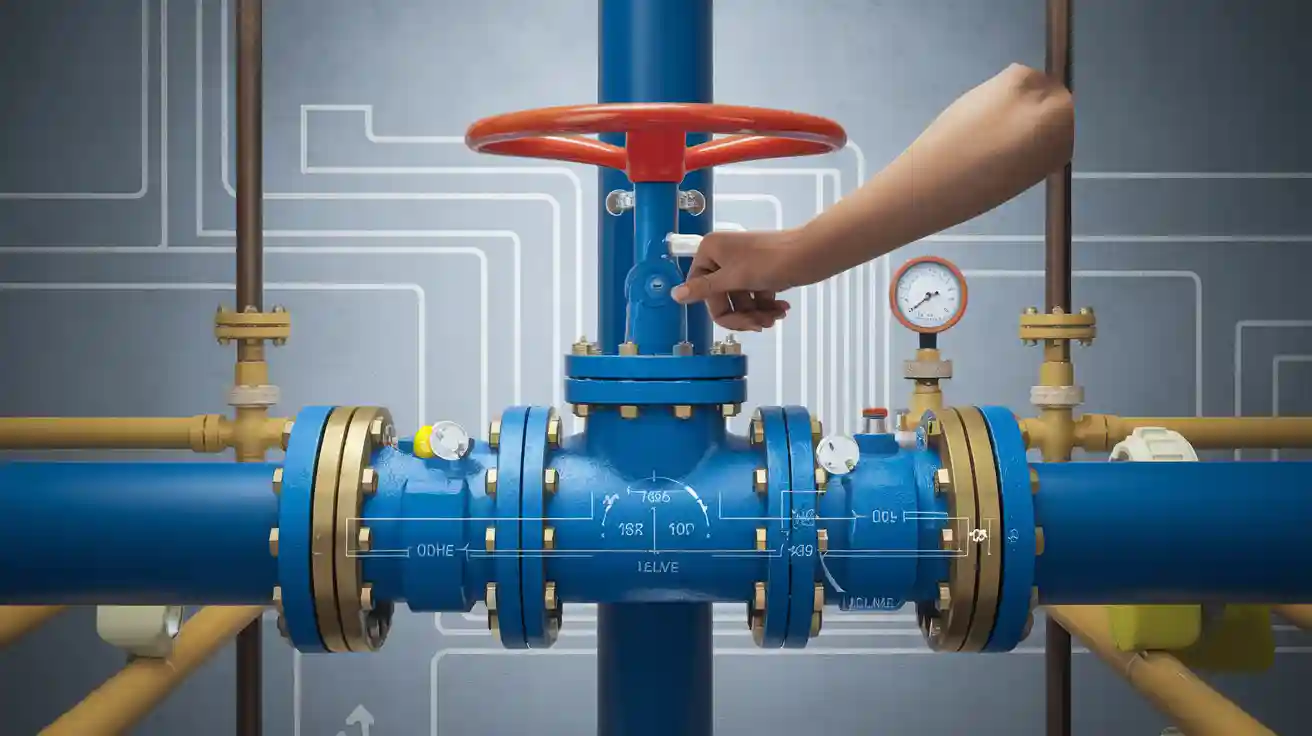
An automatic valve for water controls the flow of water in a system without manual effort. This type of valve uses sensors or timers to open and close as needed. People use automatic valves in water systems to improve safety and performance. These valves help prevent leaks and reduce waste.
Many industry reports show that automatic valves bring several benefits:
- Real-time monitoring and advanced diagnostics increase efficiency and reliability.
- Automatic shutoff and leak detection protect systems from damage.
- Optimization of valve operation extends lifespan and lowers maintenance costs.
Automatic valves make water systems safer and more reliable. They also help save energy by matching water use to actual needs.
Types of Automatic Valves for Water
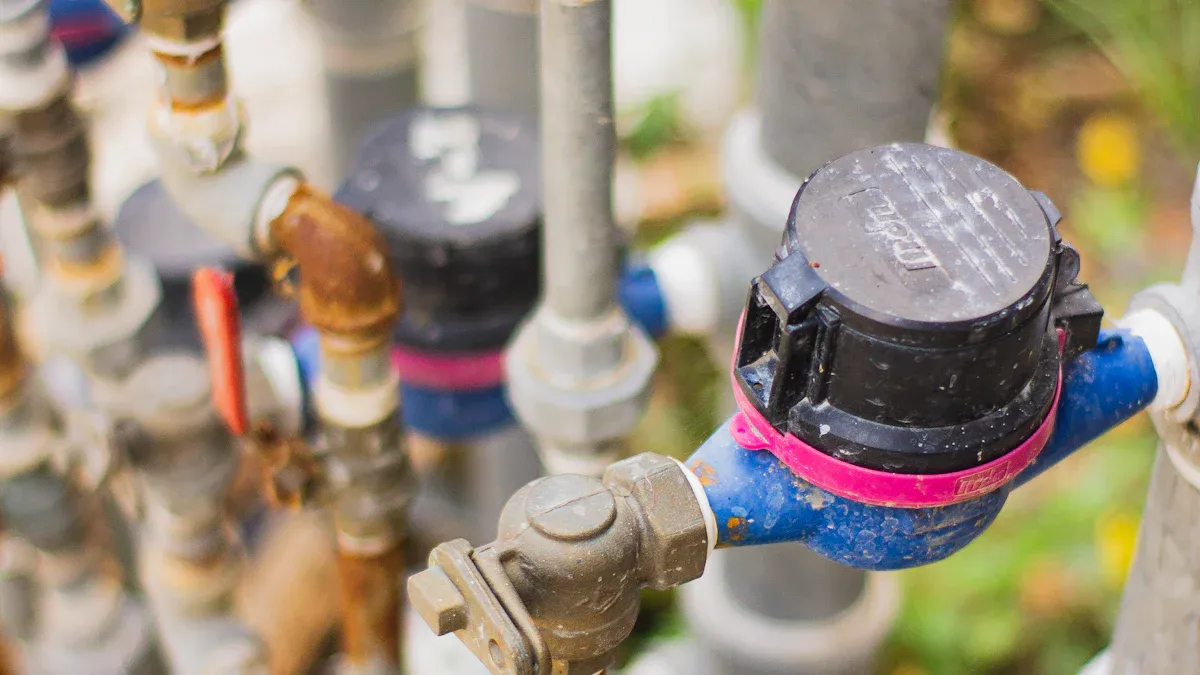
Water systems use many types of automatic valves to control flow, pressure, and safety. Each type has unique features and works best in certain situations. Knowing the different types of valves helps users choose the right one for their needs.
Float Valves
Float valves use a floating ball or device to open and close the valve as water levels change. When the water rises, the float lifts and shuts off the valve. When the water drops, the float falls and opens the valve to let more water in. This simple design makes float valves reliable and easy to use.
Tip: Float valves prevent overflows and keep water at safe levels in tanks and reservoirs.
Here is a table showing common uses for float valves:
| Application Area | Purpose | Benefit |
|---|---|---|
| Water Tanks | Maintain liquid levels | Prevents overflows |
| Irrigation | Keep water at correct levels | Saves water |
| Plumbing | Automatic water control | Reliable operation |
| Industrial Pipelines | Flow and pressure control | Safety and efficiency |
People often see float valves in toilets, water heaters, and large storage tanks. In agriculture, these valves help manage irrigation systems by keeping water at the right level for crops. Industrial sites use float valves to control water in cooling towers and boilers, which protects equipment and saves resources.
Solenoid Valves
Solenoid valves are a popular type of automatic valve that use an electric coil to move a plunger and control water flow. These valves respond quickly to electrical signals, making them ideal for automated systems.
-
Advantages:
- Very fast response time, operating in milliseconds.
- Easy to connect to automated controls and smart systems.
- Compact size fits in tight spaces.
- Low power use saves energy.
- Precise control allows for rapid opening and closing.
- Can work with both AC and DC power.
- Remote operation and monitoring possible.
-
Disadvantages:
- Not suitable for thick or dirty fluids.
- Coil can overheat if left on too long.
- Sensitive to voltage changes.
- May wear out faster if used non-stop.
Solenoid valves work well in plumbing, irrigation, and industrial water systems. They allow users to control water remotely and automate many tasks. Smart homes and factories often use these valves for quick and accurate water control.
Pressure-Reducing Valves
Pressure-reducing valves (PRVs) lower high water pressure to safe levels. These valves use a spring and diaphragm to adjust the flow and keep pressure steady. PRVs protect pipes, appliances, and fixtures from damage caused by too much pressure.
Note: PRVs help prevent leaks, pipe bursts, and water hammer by keeping pressure under control.
Here is a table showing how PRVs improve water system safety and efficiency:
| Benefit Category | Contribution of Pressure-Reducing Valves to Water System Safety and Efficiency |
|---|---|
| Safety | Prevent pipe bursts and leaks by maintaining safe pressure; protect appliances and plumbing fixtures from damage; prevent water hammer by ensuring smooth pressure transitions. |
| Water Conservation | Minimize leaks and water loss by stabilizing pressure, reducing pipe breaks and conserving water resources. |
| Energy Efficiency | Lower energy consumption by reducing pump workload and hot water heating needs through pressure management. |
| System Longevity | Extend lifespan of pipes and components by reducing mechanical stress and maintenance costs. |
Studies show that installing PRVs can cut water use by up to 37%. Lower pressure means less water and energy wasted, which saves money and helps the environment. PRVs also reduce the amount of wastewater produced, which benefits both users and communities.
Many water systems use several types of automatic valves together. For example, a system might use float valves to control tank levels, solenoid valves for quick shutoff, and PRVs to keep pressure safe. Understanding the different types of valves helps users build safer and more efficient water systems.
Motorized Ball Valves
Motorized ball valves use an electric motor to rotate a ball with a hole through its center. This rotation opens or closes the valve, allowing or stopping the flow of water. These valves belong to the most versatile types found in modern water systems. They offer precise control and can operate automatically based on signals from sensors or timers.
Motorized ball valves appear in many different types of water distribution systems. Some common uses include:
- Continuous automatic flow control in home water systems
- Managing water flow and chemical additives in water treatment equipment
- Automating and regulating water distribution in irrigation systems
- Controlling water flow in plumbing fixtures and whole-house shutoff
- Directing water or fire-suppressing agents in fire protection systems
- Regulating flow in HVAC systems, swimming pools, spas, and industrial water management
Motorized ball valves provide reliable shutoff and quick response. Their design makes them suitable for both residential and industrial applications.
These types of valves work well with smart home technology. Homeowners can use them to shut off water remotely, which helps prevent leaks and water damage. In agriculture, farmers use them to control irrigation zones, saving water and improving crop yields. Fire protection systems rely on these valves for fast and dependable operation during emergencies.
Check Valves
Check valves represent a simple but important type in water systems. They allow water to flow in only one direction. When water tries to flow backward, the valve closes automatically. This action stops backflow and protects the system from contamination or damage.
Check valves use a hinged flap or a spring-loaded mechanism. When water flows forward, the valve opens. If the flow reverses, the valve closes to block the path. This design helps in preventing backflow caused by gravity or small pressure changes.
| Feature | Check Valve |
|---|---|
| Function | Allows water flow in one direction; closes if flow reverses |
| Protection Level | Single layer of protection; can fail if debris blocks the valve |
| Application | Used in low-risk scenarios to prevent backflow caused by gravity or minor pressure changes |
| Limitation | No failsafe; vulnerable to failure if stuck open or damaged |
Check valves belong to the most common types of valves used in plumbing, irrigation, and industrial water systems. They protect pumps, prevent contamination, and help maintain pressure. However, these types of valves provide only a single layer of protection. Debris or damage can cause them to fail, so regular inspection is important.
Diaphragm Valves
Diaphragm valves use a flexible diaphragm pressed against a seat to control water flow. This type offers precise actuation and quick shutdown. The flow rate changes in a linear way as the valve opens or closes, making these valves excellent for accurate throttling.
These valves stand out among the different types of valves for their sanitary design and reliable performance. Diaphragm valves often appear in water treatment plants, laboratories, and food processing facilities. They handle clean water and other fluids that require strict hygiene.
| Feature/Aspect | Diaphragm Valve | Plug Valve |
|---|---|---|
| Operation Principle | Uses a flexible diaphragm pressed against a seat or weir to stop flow | Uses a cylindrical or conical plug rotated (multi-turn) to align or block flow passageways |
| Actuation | Precise actuation with quick shutdown; linear flow control | Multi-turn operation; slower response time; requires more actuation force due to friction |
| Throttling Capability | Good throttling capabilities | Not recommended for throttling applications |
| Pressure & Temp Range | Limited pressure and temperature ranges | Suitable for high pressure and abrasive or slurry fluids |
| Maintenance | Diaphragm may require frequent replacement | Can be repaired without removing body; longer service life possible |
| Suitability in Water Systems | Favored for sanitary and throttling applications | Better suited for high-pressure, abrasive, or slurry conditions |
Diaphragm valves belong to the types of control valves that provide fast response and accurate flow regulation. Their design supports long cycle life and easy maintenance. However, the diaphragm may need replacement after extended use. These valves work best in low to medium pressure water systems where cleanliness and precise control matter most.
Plug Valves
Plug valves belong to the group of rotary control valves. These types use a cylindrical or conical plug with a hole through the center. When the plug rotates, it aligns the hole with the flow path to allow water to pass. Turning the plug blocks the flow. Plug valves offer a simple design and quick operation.
Many water systems use plug valves because they handle thick or dirty fluids well. The tight seal prevents leaks, even when the water contains debris. Operators often choose these types of valves for wastewater treatment plants and industrial water systems. Plug valves also work in irrigation systems where sand or grit may enter the water.
Some key features of plug valves include:
- Fast quarter-turn operation for quick shutoff
- Simple construction with few moving parts
- Ability to handle slurries and dirty water
- Good resistance to clogging
Plug valves require regular maintenance. The plug can wear out or become hard to turn if not lubricated. Some types of plug valves allow for easy repair without removing the valve from the pipeline.
Plug valves do not work well for precise flow control. They serve best as on/off valves in water systems that need reliable shutoff and can handle different types of fluids.
Butterfly Valves
Butterfly valves stand out among the different types of valves for their unique design and wide use in large water systems. These types use a flat disc mounted on a rod. When the rod turns, the disc rotates a quarter turn to open or close the flow path. This simple movement allows for fast operation.
Operators often select butterfly valves for large pipelines because they offer several advantages:
- Lower cost than gate valves, especially in bigger sizes
- Require less space for installation
- Lighter weight, which reduces the need for heavy supports
- Faster opening and closing due to the quarter-turn design
- Ability to modulate or throttle water flow, not just turn it on or off
In water treatment plants and utility systems, butterfly valves help control the flow of water quickly and efficiently. Their compact size makes them easy to install in tight spaces. The lightweight design means less strain on pipes and supports, even in large diameters.
Butterfly valves can handle both clean and dirty water. They work well in emergency shutoff situations because they close much faster than other types of valves.
A table below compares butterfly valves with gate valves in large water systems:
| Feature | Butterfly Valve | Gate Valve |
|---|---|---|
| Cost | Lower | Higher |
| Weight | Lighter | Heavier |
| Installation Space | Less | More |
| Operation Speed | Fast (quarter-turn) | Slow (multi-turn) |
| Flow Control | Throttling possible | On/Off only |
| Emergency Shutoff | Very suitable | Less suitable |
Butterfly valves provide reliable service in many types of water systems. Their ability to control flow and shut off quickly makes them a popular choice for both municipal and industrial applications.
Gate Valves
Gate valves represent one of the oldest and most common types of valves used in water systems. These types use a flat or wedge-shaped gate that moves up and down to start or stop the flow. When the gate lifts, water flows freely. When the gate lowers, it blocks the flow completely.
Gate valves work best for on/off control. They do not allow for precise flow adjustment. Operators often use these types of valves in main water lines, fire protection systems, and other places where full flow or complete shutoff is needed.
Some important features of gate valves include:
- Strong shutoff capability for high-pressure water systems
- Minimal pressure drop when fully open
- Suitable for both clean and dirty water
- Reliable performance in large pipelines
Gate valves require more space for installation and take longer to open or close. The multi-turn operation means slower response compared to butterfly valves.
Gate valves cost more and weigh more than butterfly valves, especially in larger sizes. They do not allow for flow modulation, so they serve best in systems that need only on/off control. Regular maintenance helps prevent the gate from sticking or leaking.
Operators choose gate valves for their durability and strong shutoff, but they must consider the slower operation and higher cost in large water systems. Comparing the different types of valves helps users select the best option for each application.
Globe Valves
Globe valves play a key role in water systems that need precise flow control. These valves have a round body with a movable disc or plug and a fixed seat. The stem moves the disc up or down to change the size of the opening. This action controls how much water passes through the valve.
Globe valves come in several types:
- Straight pattern: Water flows in a straight line through the valve.
- Angle pattern: Water changes direction by 90 degrees inside the valve.
- Y-pattern: Water flows at a 45-degree angle, which helps reduce pressure drop.
Operators choose globe valves for their ability to regulate flow with great accuracy. The design allows for fine adjustments, making them ideal for situations where water flow must change slowly or in small amounts. When the valve is partially closed, it creates a restriction. This restriction causes a pressure drop, which lets users control the flow rate very precisely. Unlike some other valves, globe valves can handle flow in both directions.
Tip: Globe valves work best in systems that need throttling, not just simple on/off control.
Some main advantages of globe valves include:
- Precise flow control for accurate water management
- Excellent sealing to prevent leaks
- Ability to handle flow in both directions
- Good performance with many types of fluids
- Reliable throttling for gradual flow changes
However, globe valves also have some drawbacks:
- Higher pressure drop compared to other valves, which can affect system efficiency
- Slower operation because the stem must move the disc up or down
- Larger size and heavier weight than some other valve types
Globe valves appear in many water system applications:
- Water treatment plants use them to regulate water flow, manage pressure, and prevent reverse flow.
- Operators use globe valves for raw water intake, chemical injection, sludge disposal, and distribution networks.
- Pumping stations rely on globe valves for gradual flow adjustments.
- Filtration and sedimentation processes benefit from the fine control these valves provide.
- Chemical dosing systems use globe valves to add precise amounts of chemicals to water.
| Application Area | Purpose | Benefit |
|---|---|---|
| Water Treatment Plants | Flow regulation and pressure management | Accurate process control |
| Chemical Dosing | Precise chemical injection | Safe and efficient dosing |
| Pumping Stations | Gradual flow adjustment | Prevents water hammer |
| Distribution Networks | Flow and pressure balancing | Reliable water delivery |
| Sludge Disposal | Controlled sludge flow | Reduces risk of blockages |
Some globe valves offer extra features, such as resistance to cavitation, which helps prevent damage from bubbles in the water. Others have double block and bleed designs for safe maintenance. These features make globe valves a smart choice for complex water systems that demand safety and accuracy.
Globe valves give operators the control they need for sensitive water processes. Their design supports both safety and efficiency, making them a valuable part of modern water systems.
How Automatic Valves Work
Automatic valves play a key role in flow control and automation for water systems. These devices respond to changes in water pressure, level, or other process variables. They adjust valve position automatically, which helps maintain safe and efficient operation. The main valve works with pilot components such as floats, sensors, or needle valves. The diaphragm inside the valve separates chambers and uses pressure differences to move the valve. This design allows the automatic valve for water to regulate flow control without manual effort.
Mechanical Operation
Mechanical operation relies on physical movement. A float mechanism rises or falls with water level. When the water reaches a set point, the float moves a lever or linkage. This action opens or closes the valve. Mechanical automatic valves use simple parts and require little maintenance. They work well for basic flow control in tanks and reservoirs.
Mechanical valves offer low cost and easy maintenance, but they do not support remote automation or precise flow control.
Electrical and Electronic Operation
Electric actuators use motors to move the valve. Sensors detect changes in water pressure, temperature, or level. The system sends signals to the actuator, which adjusts the valve position. Electronic automatic valves provide fast and precise flow control. They connect easily to automation systems for remote operation and monitoring.
- Electric actuators deliver clean and energy-efficient operation.
- They offer high precision and speed.
- These valves depend on a consistent power supply.
| Feature | Mechanical (Manual) | Electric Actuators |
|---|---|---|
| Power Source | Human effort | Electricity |
| Force Output | Limited | Moderate |
| Precision | Low | High |
| Speed | Low | High |
| Remote Operation | No | Yes |
Hydraulic and Pneumatic Operation
Hydraulic actuators use pressurized fluid to move pistons. Pneumatic actuators use compressed air. Both types generate large forces for heavy-duty flow control. These actuators can hold valve position without using energy. Hydraulic automatic valves suit harsh environments and large water systems. Pneumatic valves offer moderate force and speed.
- Hydraulic systems need pumps and reservoirs.
- Maintenance is higher due to possible fluid leaks.
- Pneumatic systems work well for moderate automation needs.
Automatic valves often operate as closed-loop systems. A pilot valve compares a set-point to a process variable. The actuator adjusts the main valve to maintain the desired flow control. This approach supports real-time automation and safe water management.
Sizing Automatic Valves for Water Systems
Correct sizing of automatic valves ensures safe and efficient water system operation. Engineers and installers must follow industry standards and use accurate calculations to select the right valve sizes.
Understanding Valve Sizing Standards
Valve sizing standards help professionals choose valves that match system needs. The main standards for automatic valve sizing are ANSI/ISA-75.01.01 and IEC 60534-2-1. These standards guide users through the sizing process for water systems. They focus on several important factors:
- Physical details such as pipe size, pressure class, and trim type.
- Process conditions like upstream and downstream pressure, temperature, and noise limits.
- Fluid properties including flow rate and density.
The sizing procedure includes:
- Specifying design and service conditions.
- Determining equation constraints for the unit system.
- Calculating piping geometry and pressure recovery factors.
- Using the correct pressure drop for sizing, especially if vaporization might occur.
- Calculating the required flow coefficient (Cv).
Tip: International standards make it easier to compare valve sizes and performance across different regions.
Calculating Flow Rate Requirements
Flow rate calculation is a key step in valve sizing. The flow coefficient (Cv) measures how much water passes through a valve at a set pressure drop. For water, the formula is:
Cv = Q * sqrt(SG / P)
Where Q is the flow rate in gallons per minute, SG is the specific gravity, and P is the pressure drop in psi. This calculation helps engineers pick valve sizes that meet system demands. Measuring differential pressure and applying Cv-based calculations ensures the valve will provide proper flow control.
A table below shows how flow rate affects valve selection:
| Flow Rate (GPM) | Pressure Drop (psi) | Cv Needed |
|---|---|---|
| 10 | 2 | 7.1 |
| 25 | 5 | 11.2 |
| 50 | 10 | 15.8 |
Matching Valve Size to Pipe Size
Matching valve size to pipe size is important for system stability. A valve that is too small restricts flow and causes pressure drops. The system must work harder, which wastes energy. A valve that is too large reduces control and can lead to noise or vibration problems. Oversized valves cost more and wear out faster.
- Flow restriction and efficiency loss occur with undersized valves.
- Oversized valves increase costs and reduce precise control.
- Noise and vibration problems, such as water hammer, can damage pipes and joints.
Valve size should match flow capacity and system requirements, not just the pipe size. Proper sizing keeps water systems safe and efficient.
Common Sizing Mistakes to Avoid
Selecting the right size for automatic valves in water systems requires careful attention. Many installers and engineers make mistakes that can lead to poor performance, safety risks, and higher costs. Understanding these common errors helps users avoid problems and improve system reliability.
Most frequent sizing mistakes include:
- Ignoring system dynamics such as flow direction, velocity, and turbulence.
- Underestimating fluid properties like viscosity and corrosion potential.
- Underestimating pressure drops, which can cause cavitation and reduce valve life.
- Neglecting future system expansions and flexibility needs.
- Overlooking specific requirements unique to each valve type.
- Failing to consider temperature and pressure variations during operation.
- Selecting valve materials that do not match the process fluid, leading to corrosion and failure.
Tip: Always check if the valve material matches the water quality and chemical content. This step prevents corrosion and extends valve life.
Many people choose valves based only on pipe diameter. This approach ignores pressure ratings and flow requirements. Valves may not open or close properly if the minimum or maximum pressure differential is not met. Differences in orifice size also affect flow rates, even when port sizes match. These details matter for system performance.
Other common mistakes:
- Assuming valve size equals pipe size without checking pressure ratings.
- Ignoring outlet and differential pressure needs.
- Overlooking velocity effects and water hammer risks.
- Neglecting actuator voltage and electrical enclosure specifications.
- Failing to plan for maintenance access and valve rebuildability.
| Mistake | Possible Consequence |
|---|---|
| Wrong material selection | Corrosion, leaks, early failure |
| Ignoring pressure differential | Valve malfunction |
| Overlooking future expansion | Costly upgrades |
| Poor maintenance planning | Difficult repairs |
Careful sizing and selection prevent these issues. Engineers should review system needs, fluid properties, and future plans before choosing a valve. Proper planning ensures safe, efficient, and long-lasting water systems.
Applications of Automatic Valves
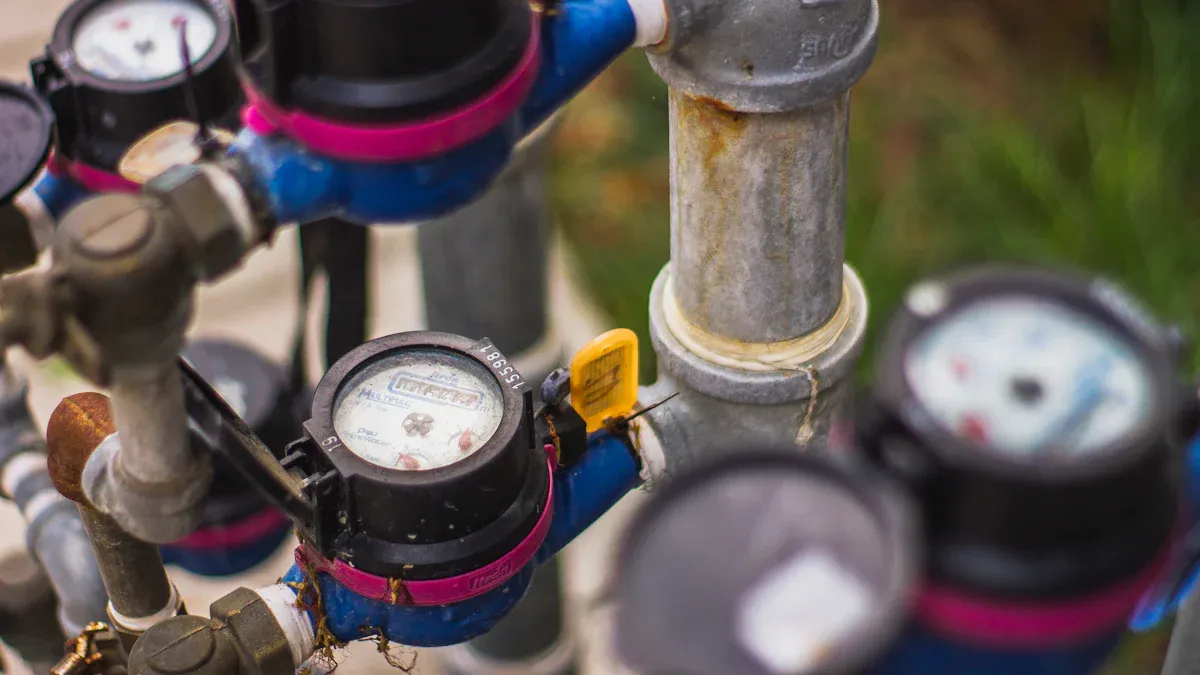
Residential Plumbing Systems
Automatic valves play a vital role in residential plumbing systems. Homeowners rely on these valves for many common applications. Solenoid valves control water flow in appliances such as washing machines, dishwashers, and water purifiers. These valves regulate water or gas flow based on preset conditions. They prevent backflow and help maintain safe water pressure. Automatic valves refill water levels in tanks and shut off water flow during leaks. In HVAC systems, they manage heating and cooling water flow. Safety features include pressure relief to protect pipes. Solenoid valves offer cost-efficient and reliable automation for garden irrigation, car washing machines, and hot drink dispensers. These valves improve efficiency, safety, and convenience in homes.
- Common applications:
- Washing machines
- Dishwashers
- Water purifiers
- Sprinklers and garden irrigation systems
- HVAC water flow control
Automatic valves help protect plumbing systems and make daily tasks easier for families.
Irrigation and Agricultural Systems
Farmers and landscapers use automatic valves to manage irrigation systems with precision. Solenoid and electric valves control water flow based on timers or control systems. These valves allow users to schedule watering for different zones, ensuring plants receive the right amount of water. Automatic irrigation valves, such as ball valves, hydraulic control valves, pressure reducing valves, and air & vacuum relief valves, regulate water flow direction and maintain safe operation of irrigation pipelines. Volumetric metering valves deliver a preset volume of water and shut off automatically, saving water more effectively than timing-based systems. Selecting the appropriate irrigation valve supports efficient water use and system automation. Irrigation valve types suit various irrigation system needs, including low-flow and drip irrigation.
- Applications include:
- Agricultural irrigation
- Backyard irrigation
- Plant irrigation
- Lawn sprinkler systems
Automatic valves enable accurate control and water-saving in different applications, making irrigation systems safer and more reliable.
Industrial Water Systems
Industrial water systems depend on automatic valves for precise water distribution and process control. Specialty valves use actuators controlled by electrical, hydraulic, or pneumatic signals from sensors. These valves can open, close, or modulate flow to manage water pressure and flow rates. Common applications include water treatment plants, municipal water systems, HVAC systems, and reclaimed water systems. Integration with electronic controllers allows fully automatic operation, improving system responsiveness and efficiency. Automatic valves optimize water treatment processes and maintain safety in industrial environments.
| Common Applications | Purpose |
|---|---|
| Water treatment plants | Optimize water distribution and quality |
| Municipal water systems | Maintain safe and efficient flow |
| HVAC systems | Control heating and cooling water flow |
| Reclaimed water systems | Manage recycled water distribution |
Automatic valves support reliable operation and safety in different applications across industrial water systems.
Commercial Buildings
Automatic valves play a major role in commercial buildings. These valves help manage water flow in large office towers, shopping centers, and schools. Building managers use automatic valves to control water supply, heating, cooling, and even irrigation. Many commercial buildings have complex irrigation systems for landscaping. These systems use different irrigation valves to deliver water to lawns, gardens, and green roofs.
When selecting automatic valves for commercial buildings, several factors matter:
- Valve size must match the needs of each building zone. Small zones may use ¾" valves, while main lines may need 6" valves.
- Power source selection depends on valve size. Battery-powered valves work for small zones. Large valves often need wall power for more torque.
- Reliable remote control and monitoring often use cellular networks instead of WiFi.
- Valve placement and type should match the building’s risk of water damage and operational needs.
- System conditions such as pressure, temperature, and flow rate must be checked.
- Valve material must be compatible with the water or other fluids in the system.
- Proper sizing and configuration prevent pressure drops and erosion.
- Actuation and control features support automatic operation.
- Following manufacturer guidelines ensures long valve life.
Tip: Size valves based on the maximum flow rate, not just pipe size. Oversized valves can cause problems like seat chatter and instability.
Commercial buildings often use irrigation valve types that match the needs of their irrigation system. These irrigation valves help save water and keep landscapes healthy. Managers also plan for future expansion and fire flow needs when choosing valves. Bypass valves or special diaphragm valves can handle wide flow ranges and improve system stability.
Fire Protection and Specialized Applications
Fire protection systems in commercial and industrial buildings depend on automatic valves for safety. OS&Y valves serve as control valves in fire sprinkler and standpipe systems. These valves show if they are open or closed by the position of the valve stem. This feature helps staff check system readiness quickly. OS&Y valves close slowly, taking at least five seconds. This slow action prevents water hammer, which can damage pipes. The design meets NFPA 13 standards for fire safety.
Deluge valves, such as electric or solenoid-operated models, open automatically when they receive an electric signal. These valves fill fire protection piping fast during emergencies. Deluge valves meet strict industry standards and appear in specialized applications like water cannons, water curtains, and fire monitor systems at storage sites for flammable materials. Their strong construction and automatic operation make them vital for protecting people and property.
Specialized water applications also use automatic valves for tasks beyond fire safety. Water cannons, deck fire systems, and irrigation systems in large facilities all rely on automatic valves. These valves help control water flow, pressure, and direction in many applications. Irrigation valves in these systems ensure that water reaches every part of the landscape or facility as needed.
Note: Automatic valves in fire protection and specialized applications must be reliable, fast, and easy to monitor. Regular testing and maintenance keep these systems ready for emergencies.
Key Selection Criteria for Automatic Valves
Material Compatibility
Selecting the right material for an automatic valve is important for safe and reliable operation. Valve materials must match the fluid in the system to avoid corrosion and damage. Stainless steel resists rust and works well in water systems with high pressure or heat. Brass costs less and suits many water applications, but it may not last as long in harsh conditions. PVC and polypropylene do not corrode with water or chemicals, making them popular for irrigation and pools. Elastomers like Buna-N and EPDM provide strong seals and help with flow control.
| Material | Properties & Compatibility | Applications & Performance Impact |
|---|---|---|
| Stainless Steel | High corrosion resistance, durable, good for water and moist air | Prevents rust, ensures long valve life |
| Brass | Moderate corrosion resistance, less expensive | Good for general water use, less durable in harsh settings |
| PVC | No corrosion with water, low heat resistance | Used in irrigation, pools, domestic water systems |
| Polypropylene | Resistant to chemicals, low heat resistance | Suits chemical water systems, limited by temperature |
| Buna-N | Good sealing, abrasion resistant | Common seat material, improves valve durability |
| EPDM | Highly water-resistant, strong sealing | Preferred for water valves, enhances performance |
Valve material compatibility helps prevent contamination and premature wear. Choosing the right material supports long-lasting flow control and keeps water systems safe.
Pressure and Temperature Ratings
Pressure and temperature ratings determine if a valve can handle the demands of a water system. Each automatic valve has limits for how much pressure and heat it can withstand. Stainless steel valves work well in high-pressure and high-temperature systems. PVC and polypropylene valves suit lower pressure and temperature applications. If a valve faces pressure or heat beyond its rating, it may fail or leak. Engineers check these ratings before installing valves to ensure safe operation.
Tip: Always match valve ratings to the highest pressure and temperature expected in the system.
Flow Rate and System Demand
Flow rate and system demand guide the selection of valve size and type. The valve must allow enough water to pass through for the system to work properly. Flow control depends on the valve opening, pressure drop, and fluid properties. When the valve opens wider, more water flows; when it closes, flow slows down. System demand sets the required flow and pressure conditions. Engineers measure flow rate and pressure loss to choose the right valve. If the valve is too small, it restricts flow and causes problems. If it is too large, it may not control flow well.
- System demand sets the flow and pressure the valve must meet.
- Flow rate depends on valve opening, pressure drop, and system pressure.
- Valve sizing considers upstream and downstream pressure losses.
- More valve opening means less resistance and higher flow.
- Proper sizing ensures effective flow control and prevents issues like backflow.
Selecting the right valve for system demand helps maintain safe operation and supports preventing backflow in water systems.
Actuation Method
Engineers select the actuation method based on system requirements and environmental conditions. Each method offers unique benefits and challenges. The main actuation methods for automatic valves include electric, pneumatic, and hydraulic actuators.
- Electric actuators use motors to move the valve. These actuators provide precise control and suit applications that need fine adjustments. They require a reliable power source and may have higher initial costs. Electric actuators work well in automation systems but can respond slower and face limits in high-temperature environments.
- Pneumatic actuators rely on compressed air to operate valves. They deliver fast response and feature a simple design. Pneumatic actuators cost less and work safely in hazardous areas. However, they need a steady air supply and may lose efficiency due to air leaks or limited control precision.
- Hydraulic actuators use pressurized fluid to move valves. These actuators produce high force and accuracy, making them ideal for heavy loads and high-pressure systems. Hydraulic actuators require complex maintenance and careful fluid management to prevent leaks.
The table below compares the main actuation methods:
| Actuation Method | Description | Impact on System Design |
|---|---|---|
| Electric | Uses motors for rotary or linear motion | Needs power source, precise control, higher cost |
| Pneumatic | Uses compressed air for valve movement | Requires air supply, fast response, cost-effective |
| Hydraulic | Uses fluid power for high force and accuracy | Needs fluid system, complex maintenance, high force |
System designers consider actuator sizing, speed, and compatibility with control systems. Accessories such as solenoid valves, limit switches, and positioners improve control and feedback. Manual override options add safety and flexibility. Communication protocols like AS-Interface help integrate actuators into automation networks.
Choosing the right actuation method ensures reliable operation and supports efficient automation in water systems.
Maintenance and Reliability
Regular maintenance keeps automatic valves working safely and efficiently. Maintenance teams follow best practices to extend valve life and reduce failures.
- Inspect valves periodically to check moving parts, seals, and connections.
- Lubricate components and replace worn parts as needed.
- Repair faults quickly to prevent bigger problems.
- Keep detailed records of inspections, repairs, and parts used.
- Train staff to handle maintenance and repairs correctly.
- Create a maintenance plan that covers all valve types, including cleaning, lubrication, and repair schedules.
- Replace damaged valves with original or compatible parts.
- Store spare parts to avoid delays during repairs.
- Use automated monitoring systems to detect issues early and manage maintenance efficiently.
Maintenance teams clean valve components with manufacturer-approved solutions. They rinse and dry parts before reassembly. Lubrication uses approved products to avoid dirt buildup. Teams inspect for leaks, corrosion, and wear. Routine checks help spot problems before they affect system performance. Monitoring flow rates, pressure, and temperature changes helps track valve health.
Managers use computerized maintenance systems to organize schedules and records. Real-time monitoring technologies like SCADA and IoT support early fault detection. Teams prioritize valves based on criticality, age, and location. These steps improve reliability and reduce costs.
A strong maintenance program ensures automatic valves deliver safe and dependable service in water systems.
Installation and Maintenance of Automatic Valves
Preparing for Installation
Proper preparation helps ensure a smooth installation process for automatic valves. Installers should always turn off the water supply before starting any work. They need to read and follow the manufacturer's instructions carefully. Gathering all necessary tools, such as a wrench and pipe cutter, makes the job easier. Locating the water meter, unions, and the motorized ball valve included in the installation package is important. Draining the plumbing system by opening a faucet allows water to flow out and prevents spills. If any step seems unclear, hiring a professional plumber can help avoid leaks or damage.
Tip: Careful preparation reduces the risk of installation errors and future leaks.
Step-by-Step Installation Guide
A clear installation process helps prevent common mistakes. Installers can follow these steps:
- Shut off the water supply to the home or building manually.
- Open a faucet to drain the plumbing system.
- Cut the pipe at the desired location using a pipe cutter.
- Solder or connect the automatic valve system into place, following the manufacturer's guidelines.
- Ensure the valve aligns perfectly with the piping to avoid strain and leaks.
- Use the correct fittings and apply the recommended torque to prevent over-tightening or under-tightening.
- After installation, test the valve to confirm proper function.
- Connect the system to the control device or internet if needed.
Most plumbing installations take about 60 minutes. Testing the valve after installation helps catch any leaks or alignment issues early.
Routine Maintenance Practices
Regular maintenance keeps automatic valves working reliably. Maintenance teams should inspect valves for debris or blockages, which can restrict flow. Cleaning and replacing damaged parts, such as seals or springs, prevents leaks and pressure loss. Teams should check actuator and control systems for faults and repair or replace them as needed. Using filters before valves helps stop debris from entering the system. Lubricating moving parts and keeping records of inspections support long-term reliability.
Note: Routine inspection and cleaning help prevent valve failures and ensure safe water system operation.
Troubleshooting Common Issues
Automatic valves in water systems sometimes face problems that affect performance. Users can solve many of these issues with simple checks and fixes. This section explains the most common problems and how to address them.
1. Valve Does Not Open or Close
- Check the power supply. Electric and motorized valves need a steady power source. A loose wire or dead battery can stop the valve from working.
- Inspect for debris. Dirt or small objects can block the valve. Remove the valve and clean it if needed.
- Test the actuator. If the actuator fails, the valve will not move. Replace faulty actuators.
2. Leaks Around the Valve
- Tighten connections. Loose fittings often cause leaks. Use a wrench to secure them.
- Replace worn seals. Seals and gaskets wear out over time. Swap them for new ones.
- Check for cracks. Cracks in the valve body require a full replacement.
3. Unusual Noises (Water Hammer or Vibration)
- Slow down valve operation. Fast closing can cause water hammer. Adjust the actuator speed if possible.
- Install air chambers. These devices absorb shock and reduce noise.
4. Inconsistent Flow or Pressure
- Clean filters and screens. Blocked filters restrict water flow.
- Check for partial blockages. Debris inside the valve can cause uneven flow.
Tip: Regular inspection and cleaning prevent most valve problems.
| Problem | Likely Cause | Solution |
|---|---|---|
| Valve stuck | Debris, actuator fault | Clean or replace parts |
| Leak | Loose fitting, bad seal | Tighten or replace seals |
| Noise | Fast closing, air | Slow operation, add chamber |
| Low flow | Blocked filter | Clean or replace filter |
If problems continue, users should contact a professional plumber or technician. Proper troubleshooting keeps water systems safe and efficient.
Comparison Chart of Automatic Valve Types and Applications
Quick-Reference Comparison Table
Choosing the right automatic valve for water systems depends on many factors. Each valve type works best in certain applications. People often look at materials, valve size, pressure rating, and method of actuation. Maintenance needs and the nature of the media also matter. Some valves handle high pressure, while others work better for low-pressure systems. The table below helps compare the main types of automatic valves used in water systems, including irrigation.
| Valve Type | Common Applications | Materials Used | Pressure Rating | Actuation Method | Maintenance Needs | Special Notes |
|---|---|---|---|---|---|---|
| Float Valve | Tanks, irrigation | Brass, plastic | Low-Medium | Mechanical | Low | Simple, reliable |
| Solenoid Valve | Home, irrigation, industry | Brass, stainless, PVC | Medium | Electric | Medium | Fast response, remote control |
| Pressure-Reducing | Plumbing, irrigation | Brass, bronze | Medium-High | Automatic | Medium | Protects pipes, saves water |
| Motorized Ball | Irrigation, HVAC, fire | Stainless, brass, PVC | High | Electric | Medium | Precise, good for automation |
| Check Valve | Pumps, irrigation | Brass, stainless | Medium-High | Automatic | Low | Prevents backflow |
| Diaphragm Valve | Water treatment, irrigation | Plastic, stainless | Low-Medium | Pneumatic/Electric | Medium | Good for clean water |
| Plug Valve | Wastewater, irrigation | Brass, iron | High | Manual/Automatic | High | Handles dirty water |
| Butterfly Valve | Large pipes, irrigation | Iron, stainless | High | Manual/Electric | Low | Fast shutoff, large size |
| Gate Valve | Main lines, irrigation | Brass, iron | High | Manual/Automatic | Medium | Strong shutoff, slow action |
| Globe Valve | Treatment, irrigation | Brass, stainless | Medium-High | Manual/Electric | Medium | Precise flow control |
Tip: For irrigation, valve size and material must match the water quality and pressure. Stainless steel or plastic valves often last longer in outdoor irrigation systems.
When selecting a valve for irrigation, people should check the pressure rating and the type of actuation. Some irrigation systems need electric valves for remote control. Others use mechanical valves for simple on-off flow. Maintenance also matters in irrigation. Valves that clog easily may not work well in dirty water. Plug valves and butterfly valves often handle irrigation water with debris better than other types.
Irrigation systems use many valve types. Solenoid valves offer fast control for drip irrigation. Motorized ball valves help automate large irrigation zones. Check valves stop backflow in irrigation pumps. Diaphragm valves provide clean flow for sensitive irrigation applications. Butterfly and gate valves control main irrigation lines. Globe valves help with precise flow in specialized irrigation setups.
Note: Always match the valve to the irrigation system’s needs. Consider the media, pressure, and how often the valve will cycle.
Selecting the right automatic valve for water helps keep any system safe and efficient. People should check valve size, material, and pressure ratings before installation. They need to follow all instructions for best results. For large or complex projects, experts can give helpful advice. An automatic valve for water can improve system performance and reduce problems when chosen and installed with care.
FAQ
What is the main purpose of an automatic valve in a water system?
An automatic valve controls water flow without manual effort. It helps maintain safe pressure, prevents leaks, and supports efficient water use. Many homes and businesses rely on these valves for reliable operation.
How often should someone inspect automatic valves?
Experts recommend inspecting automatic valves every six months. Regular checks help spot leaks, wear, or blockages early. Maintenance teams can prevent bigger problems by cleaning and replacing worn parts.
Can automatic valves work with dirty or untreated water?
Some automatic valves, like plug valves and butterfly valves, handle dirty water well. These valves resist clogging and wear. Clean water valves, such as diaphragm valves, work best with treated water.
Tip: Always choose a valve designed for the water quality in the system.
Do automatic valves need electricity to operate?
Many automatic valves use electricity, especially solenoid and motorized ball valves. Others, like float valves, work mechanically without power. Pneumatic and hydraulic valves use air or fluid pressure instead of electricity.
| Valve Type | Power Needed |
|---|---|
| Solenoid | Yes |
| Float | No |
| Motorized Ball | Yes |
| Pneumatic | No (uses air) |
What should someone do if an automatic valve stops working?
First, check the power supply and connections. Clean the valve to remove debris. Replace worn seals or faulty actuators. If problems continue, contact a professional plumber or technician for help.
Regular maintenance keeps valves working safely and efficiently.


