
Buy Biohazard Waste Containers for Clinics: A Complete Guide
In any clinical setting, the biohazard waste container is the first and most critical line of defense. It is more than just a receptacle for waste. It is an engineered safety device. Its primary purpose is to protect healthcare staff, patients, and the public from the risks of potentially infectious materials. Selecting the right container is a foundational component of a clinic's safety program and its regulatory compliance strategy. An incorrect or non-compliant container can lead to serious injuries, exposure incidents, and significant legal penalties.
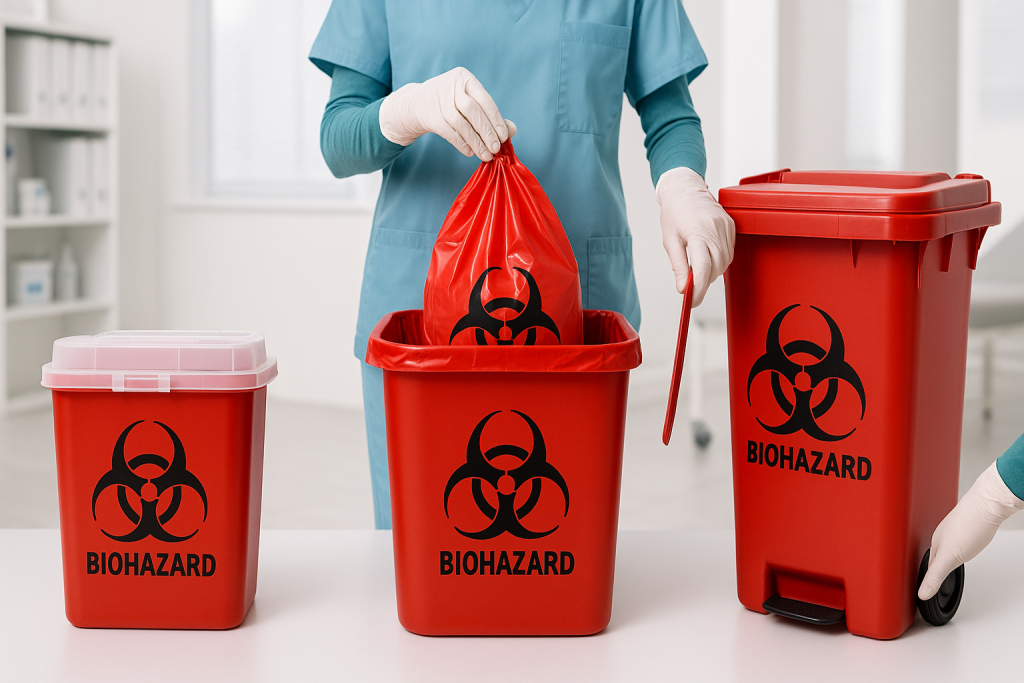
Biohazard waste containers are specialized, compliant vessels. They are designed for the safe segregation and secure containment of potentially infectious materials generated in a clinical setting. Making an informed purchasing decision requires a deep understanding of the different types of containers, their specific features, and the regulatory standards they must meet. As a leading supplier and expert consultant for medical waste solutions, CESH Home provides this guide. We aim to empower clinic managers to choose the best possible containment systems for their needs.
Why the Right Container is a Non-Negotiable Safety Tool
It is easy to underestimate the importance of a simple container. However, in the context of a medical clinic, these are not ordinary bins. They are purpose-built tools designed to fulfill several critical functions simultaneously. A high-quality, compliant biohazard container is a non-negotiable asset for three primary reasons.
1. Protecting Staff and Patients from Harm
The most immediate role of a biohazard container is to prevent injury and exposure. Sharps containers, for example, are specifically designed to be puncture-proof. This prevents needles and other sharp instruments from piercing the sides and causing needlestick injuries. These injuries are a major source of occupational exposure to bloodborne pathogens. Similarly, leak-proof bags and bins with secure lids contain contaminated fluids. This prevents spills that could expose staff and patients to infectious agents. The physical integrity of the container is a direct barrier against workplace hazards.
2. Ensuring Strict Regulatory Compliance
Regulatory bodies have highly specific standards for the containers used for medical waste. These standards dictate the materials, construction, and labeling of each type of container. Using a simple plastic tub or a generic wastebasket for biohazardous materials is a serious violation. Regulators require containers that have been tested and certified to meet performance standards. These may include resistance to punctures, the ability to withstand impact without breaking, and secure locking mechanisms. Choosing certified containers is a fundamental step in building a compliant waste management program.
3. Safeguarding the Community and Environment
A clinic's responsibility does not end at its own doors. Once waste leaves the facility, it must be contained securely throughout the transportation and disposal process. A failed container can lead to a spill in a public area. This can create a significant public health risk and an environmental contamination incident. High-quality biohazard containers are designed to remain sealed and intact from the point of generation to the final treatment facility. This ensures the waste is safely isolated from the community at every stage.
A Deep Dive into Types of Biohazard Containers
Biohazard waste is not a single, uniform stream. It is a collection of different materials with different physical properties and risks. Therefore, a "one-size-fits-all" approach to containment is not safe or compliant. Clinics must use different types of containers designed for specific categories of waste.
Sharps Containers: The Critical Shield
Sharps waste includes any item that can pierce or cut the skin. This poses the double risk of a physical injury combined with a potential infection. For this reason, sharps containers are the most highly engineered type of biohazard container.
- Purpose: To safely contain used needles, syringes, scalpels, lancets, and broken glass vials.
- Key Features:
- Puncture-Proof Walls: They are made from a thick, rigid plastic that cannot be pierced by the needles inside.
- Secure Locking Lids: Lids have a temporary closure for use between procedures and a permanent, irreversible lock that is engaged when the container is full and ready for disposal.
- Clear Fill Lines: A visible line indicates when the container is at its maximum safe capacity (typically two-thirds or three-quarters full).
- Stable Base: A wide, stable base prevents the container from tipping over easily.
- Restricted Openings: The opening is designed to allow for the safe deposit of sharps while preventing hands from reaching inside.
- Materials: Most are made from rigid polypropylene (PP) or a similar high-strength polymer.
- Common Sizes and Types: They range from small, one-quart containers designed for phlebotomy trays to large, multi-gallon containers that can be mounted on walls in treatment rooms.
Biohazard Bags (Red Bags): For Soft, Non-Sharp Waste
This is the most common type of container used for general infectious waste. These bags are used to collect materials that are contaminated but do not pose a puncture risk.
- Purpose: To contain contaminated "soft" waste like used gloves, gauze, dressings, gowns, and tubing.
- Key Features:
- Tear and Leak Resistance: The bags must meet specific standards for strength and integrity, measured by their thickness (in mils) and performance on drop tests.
- Universal Biohazard Symbol: They must be printed with the universal biohazard symbol, clearly identifying their contents.
- Color-Coding: They are most often colored red to distinguish them from regular trash.
- Materials: Typically made from high-density polyethylene (HDPE) or linear low-density polyethylene (LLDPE).
- Crucial Usage Note: Biohazard bags must almost always be used in conjunction with a secondary, rigid container. The bag is placed inside a larger bin that has a lid. This provides support, prevents spills, and contains odors.
Rigid Biohazard Bins: For Bulk and Transport
These are the larger, durable containers that provide secondary containment for red bags and are used for collecting bulkier items.
- Purpose: To serve as the primary holder for red biohazard bags; to contain larger contaminated items; and to safely transport waste within the clinic (e.g., from treatment rooms to the main storage area).
- Key Features:
- Durable Construction: Made from a tough, impact-resistant plastic that can be easily cleaned and disinfected.
- Lids: A secure lid is mandatory. Lids operated by a foot pedal are ideal as they allow for hands-free disposal, reducing the risk of cross-contamination.
- Smooth Surfaces: The interior and exterior surfaces are smooth, with no sharp corners, to facilitate easy cleaning.
- Wheels: Larger bins often have integrated wheels to allow for safe and ergonomic transport of heavy loads.
- Materials: Typically made from tough, autoclavable plastics like high-density polyethylene (HDPE).
The Anatomy of a Compliant Container: Key Features to Look For
When purchasing biohazard containers, clinic managers should look for specific features that indicate quality, safety, and compliance. This checklist can serve as a buyer's guide.
- Regulatory Compliance Markings: Look for markings that indicate the container meets recognized national or international standards for strength and safety. This certification is a guarantee that the product has been properly tested.
- Material and Construction: The product description should specify the material (e.g., PP for sharps, HDPE for bins). For sharps containers, the term "puncture-proof" is not enough; it must be "puncture-resistant" to a specific, certified standard. For rigid bins, check if the material is autoclavable if your clinic uses on-site steam sterilization.
- Lid Design and Security: A container is only as good as its lid. For sharps containers, verify that the lid has both a temporary and a permanent locking mechanism. For larger bins, look for overlapping lids that provide a secure seal to contain odors. Some containers for liquid waste may feature gasketed lids for an even more secure, leak-proof seal.
- Safety Mechanisms: The best containers have features designed to protect the user. A clearly visible fill line on a sharps container is a critical safety feature to prevent dangerous overfilling. Restricted, counter-balanced openings on sharps containers prevent contents from spilling out if the container is knocked over.
- Ergonomics and Usability: A container must be safe and easy to use in a busy clinical environment. Look for features like integrated handles for safe transport of rigid bins. A wide, stable base is essential for all countertop and floor-standing containers to prevent tipping. Foot-pedal-operated lids on larger bins allow for hands-free operation, which is a key infection control measure.
Choosing the Right Container: A Practical Selection Guide
With a clear understanding of the types and features of containers, a clinic can make an informed purchasing decision. The selection process should be based on a careful assessment of the clinic's specific needs.
How Does a Clinic Select the Right Size and Type of Container?
Follow these practical steps to create a customized and efficient container plan for your facility.
1. Assess Your Specific Waste Streams The first step is to analyze the types and volumes of waste your clinic generates. A dental clinic will produce many small sharps and contaminated items. A phlebotomy lab will generate a high volume of needles. A dermatology practice might produce more soft, infectious waste. A clear understanding of your waste profile is essential. The choice of container is directly linked to the types of hazardous waste your clinic generates.
2. Match Container Size to Generation Rate Containers that are too small will fill up too quickly, requiring frequent changes and increasing staff workload. Containers that are too large may lead to waste being stored for too long in treatment rooms, which can cause odors and is often against regulatory storage time limits. Choose sizes for each location that correspond to the amount of waste generated in that specific area per day or week.
3. Consider Placement and Workflow The location of the container is critical for both safety and efficiency.
- Countertop Sharps Containers: Small, one-quart containers are perfect for individual procedure trays or phlebotomy stations.
- Wall-Mounted Containers: Larger sharps and soft waste containers can be mounted on the wall. This keeps them off the floor, makes cleaning easier, and ensures they are in a predictable, easy-to-access location.
- Floor Bins: Large, mobile bins are best for central locations, utility rooms, or areas that generate a high volume of soft waste.
Best Practices for Using Biohazard Containers in a Clinic
Purchasing the right containers is only half the battle. They must be used correctly to be effective. All clinical staff should be trained on these best practices.
- Strategic Placement: Containers must be placed within arm's reach of the location where the waste is generated. This minimizes the need to carry exposed sharps or contaminated items across a room, reducing the risk of accidents.
- Never Overfill: This is the most important rule, especially for sharps containers. Always stop using a container when it reaches the indicated fill line. An overfilled container is a significant injury risk.
- Always Close Lids: Use the temporary closure mechanism on sharps containers between uses. Keep the lids on larger bins closed at all times when not in use to contain odors and prevent access.
- Safe Handling: When moving a container, always handle it by the sides or the designated handle. Never hold it close to the body, and never place hands or fingers near the opening.
- Prepare for Final Disposal: Once a container is full, engage the permanent locking mechanism on the lid. This cannot be undone and ensures the contents are sealed inside for transport. The locked container should then be moved to the clinic's main, secure biohazard waste storage area to await pickup.
Conclusion
The humble biohazard container is a cornerstone of safety and compliance in any clinical setting. It is an indispensable tool for protecting healthcare workers from injury and infection. It is a legal requirement for regulatory adherence. And it is a key component in safeguarding the wider community from the risks of medical waste.
Choosing the right container requires a thoughtful assessment of a clinic's specific needs, a deep understanding of the different container types, and a commitment to quality and compliance. Partnering with an expert supplier ensures that your clinic is equipped with the best possible solutions to manage waste safely and effectively.
Frequently Asked Questions
Q1: Can you reuse a rigid biohazard bin?
Yes, some rigid outer bins are designed to be reusable. After the full biohazard bag inside is removed, the bin must be thoroughly cleaned and decontaminated with a hospital-grade disinfectant before a new bag is placed inside. Single-use containers must never be reused.
Q2: What is the difference between a red sharps container and a yellow one?
While color-coding can vary, a common convention is that red containers are for general sharps waste. Yellow containers are often reserved for "trace-chemotherapeutic" sharps, meaning sharps that are contaminated with small amounts of chemotherapy drugs.
Q3: How full should a sharps container be before disposal?
A sharps container should never be filled beyond the indicated fill line. This line is typically located at the two-thirds or three-quarters full mark. This leaves enough space to safely close and permanently lock the lid without compacting the contents.
Q4: Why can't I just use a thick plastic bottle for sharps?
A household bottle is not compliant and is extremely unsafe. It is not puncture-proof to the required standard, it lacks a secure locking lid, and it does not have the universal biohazard symbol. Only use containers that have been specifically designed, tested, and certified for sharps waste.


