
Buyer Beware: The Most Common Failures of Smart Water and Gas Valves
Target Audience: Homeowners, Property Managers, Safety-Conscious Consumers
The Hidden Risks of "Smart" Valves
The smart valve market is filled with products that look impressive on paper but suffer from recurring, serious issues in real-world use. Understanding these industry-wide pain points is essential before making a purchase decision.
Pain Point #1: The Gateway Tax and Ecosystem Lock-In
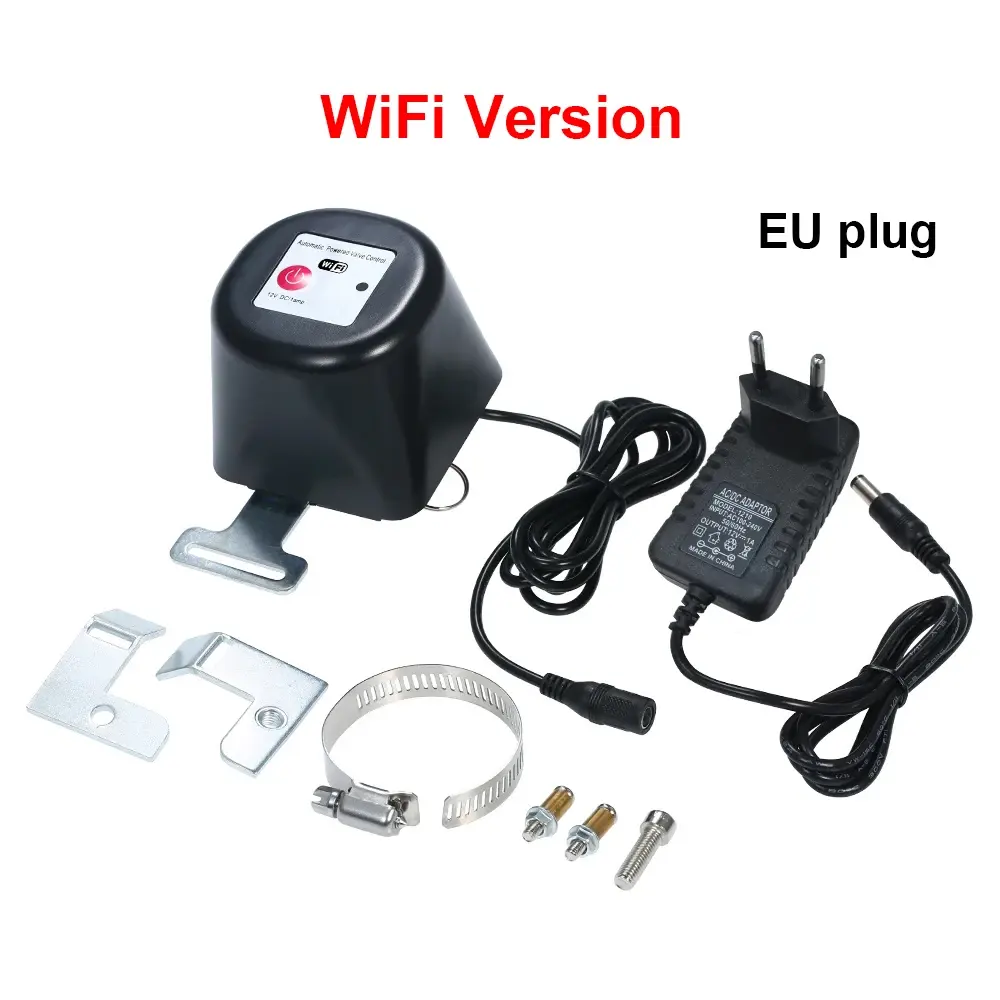
The Problem: Many smart valves—particularly those using Zigbee or Z-Wave protocols—require proprietary hubs or specific bridges to function. for example, explicitly states "ZigBee gateway required, not included" in its documentation. This adds $30-100 to your total cost and means your valve is useless if the gateway fails or if you switch ecosystems.
Real-World Impact: One user reported purchasing a Zigbee valve only to discover it would not work with their existing Zigbee coordinator—it required a specific brand's hub, forcing an additional purchase.
Pain Point #2: Mechanical Failure Under Pressure
The Problem: User reviews and technical forums document a disturbing pattern: smart valves failing to close when water pressure is high. A verified review of a popular Zigbee valve revealed that "at a pressure of around 2.5ATM it is quite common that the valve cannot be closed by the application—it does not overcome the water pressure." This is not a minor inconvenience—it is a critical safety failure.Real-World Impact: Imagine your leak detector triggers, the app says the valve has closed, but water continues flowing because the motor couldn't overcome the pressure. Damage continues despite the "smart" response.
Pain Point #3: Flow Restriction and Reduced Performance
The Problem: The same review noted significant flow restriction, achieving "only around 30 liters/minute" with the valve installed—barely adequate for a single garden hose, let alone whole-home water supply.
Real-World Impact: Homeowners install a smart valve for peace of mind, only to discover their shower pressure has dropped or it takes twice as long to fill the bathtub.
Pain Point #4: Voice Assistant Disintegration After Updates
The Problem: A concerning number of users report that voice assistant functionality breaks after firmware updates. The Dome water valve is a documented case: after a firmware update to version 047.00010, the device "no longer works with Google, Alexa, or Home Assistant" because it now "exposes itself as a binary sensor rather than a switch"—and voice assistants cannot control sensors.
Real-World Impact: Users are forced to create complex workarounds with virtual switches and multiple automation routines to restore basic voice control functionality.
Pain Point #5: Physical Leakage and Build Quality Issues
The Problem: Quality control failures plague some competitors. Verified purchasers report simple but devastating issues: "water leaks, it's leaking. Returned." A valve that leaks is not just a product defect—it is a property damage hazard.
Real-World Impact: A leaking smart valve installed on a main water line can cause exactly the kind of water damage it was purchased to prevent.
Pain Point #6: False Alarms and Ghost Leaks
The Problem: Advanced smart valves like the Moen Flo have been known to generate "ghost leak" alerts—reporting continuous low-flow water usage with no physical leak found. One user documented this happening "6 times over the last 3 nights... only late at night," with the valve shutting off water unnecessarily-4. Troubleshooting revealed possible issues with expansion tanks or water heater systems, but the false alarms continued.
Real-World Impact: Repeated false alarms lead to "alert fatigue"—users begin ignoring notifications or disabling safety features entirely, defeating the purpose of smart monitoring.
Pain Point #7: Installation Complexity and Compatibility Issues
The Problem: Installation is rarely as simple as marketing materials suggest. Users report needing "additional fittings... depending on the pipe size and threading type," with particular concern about older plumbing systems. Some valves demand specific network conditions (2.4GHz-only during setup) that conflict with modern dual-band routers.
Real-World Impact: A "15-minute installation" becomes a multi-hour project requiring trips to the hardware store for adapters, or worse, a professional plumber's visit.
The HojellyTek Difference:
HojellyTek's Smart WiFi Valve addresses each of these industry pain points directly:
Simple direct-mount installation – fits standard 1" and 1.25" ball valves
No gateway required – direct WiFi eliminates the hub tax
30-60 kg·cm torque – reliably closes even under pressure
Full-bore design – maintains flow rate without restriction
Native voice integration – certified skills ensure ongoing compatibility
IP65 weather resistance – robust construction prevents leakage


