
Depth Sensor vs Water Level Sensor Never Mix Them Up Again
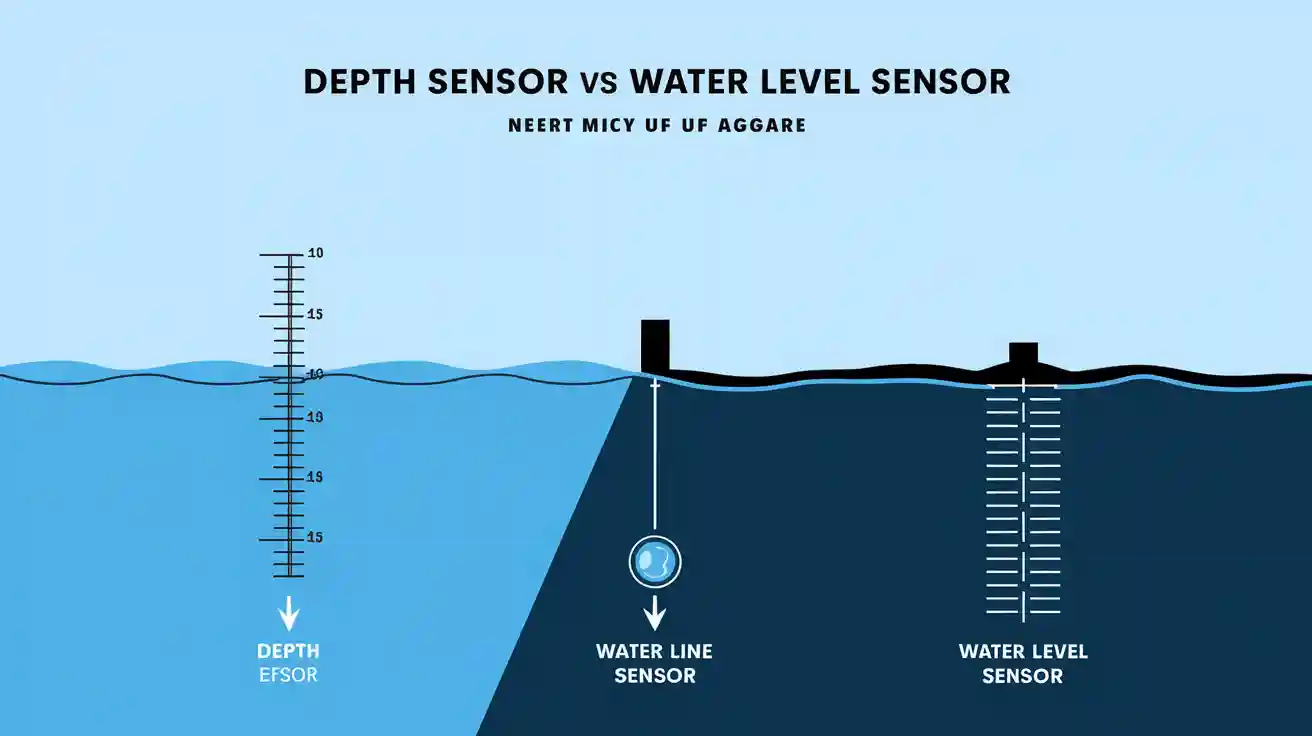
You might think a depth sensor and a water level sensor work the same way, but they measure water differently. When you use the wrong sensor, you risk getting the wrong water readings. Water tanks, water wells, and water reservoirs all need accurate water measurement. Water systems rely on the right sensor for reliable water data. Water management becomes difficult without the correct water sensor. Water can overflow or drop below safe levels if you choose the wrong sensor. Water quality and water safety depend on proper water monitoring. Water conservation efforts need accurate water information. Water costs can rise if you mix up sensors. You must understand how a depth sensor operates to avoid mistakes with water measurement.
Depth Sensor: What It Is and How It Works
Depth Sensor Definition
You use a depth sensor to measure how far something is from the sensor itself. In water systems, a depth sensor helps you find out how deep the water is at a certain point. According to leading instrumentation standards, depth sensing technology measures the distance between the sensor and objects in its environment. It uses methods like time-of-flight, stereo vision, or structured light to get accurate depth information. When you want to know the exact depth of water in a tank, well, or reservoir, you rely on a depth sensor for precise results.
Depth Sensor Working Principle
A depth sensor works by using different physical principles to measure depth in water. Here is a table that shows the main ways a depth sensor can measure water depth:
| Principle | Description |
|---|---|
| Hydrostatic Pressure | Measures the pressure from the water above the sensor. The pressure tells you the height of the water. |
| Float Mechanism | Uses a float that moves up or down with the water. The float’s position shows the water depth. |
| Ultrasonic Technology | Sends out sound waves that bounce off the water surface. The time it takes for the echo to return tells you the depth. |
| Radar Technology | Sends out radar signals that reflect off the water surface. The travel time of the signal measures the depth. |
You can find depth sensors that use any of these methods. For example:
- Float level sensors use a float that rises or falls with the water.
- Ultrasonic level sensors send out sound waves and measure the echo.
- Radar level sensors use radar signals to check the water depth.
Depth Sensor Applications
You will see depth sensors in many water-related applications. You can use them to measure the depth of water in tanks, rivers, lakes, and reservoirs. Depth sensors help you monitor water levels in wells and underground storage. They also play a key role in flood warning systems, where knowing the exact water depth can save lives. In irrigation, you use a depth sensor to make sure water stays at the right level for crops. You can even find depth sensors in swimming pools and aquariums to keep water at safe levels.
Water Level Sensor: What It Is and How It Works
Water Level Sensor Definition
You use a water level sensor to find out how much water is present in a tank, reservoir, or other system. International standards organizations define a water level sensor as a device that determines the level or amount of fluids, liquids, or other substances in an open or closed system.
- A water level sensor helps you track water levels in real time.
- You can use it to prevent overflow or dry-out situations.
- This sensor gives you the information you need to manage water resources safely.
Water Level Sensor Working Principle
A water level sensor works by detecting changes in the water level using different methods. You can choose from several types, each with its own way of measuring water. Here is a table that shows the most common types and how they work:
| Sensor Type | Description |
|---|---|
| Float Switches | Simple and reliable. The float rises or falls with the water, triggering a switch. |
| Ultrasonic Sensors | Use sound waves to measure the distance to the water surface without touching the water. |
| Pressure Sensors | Measure water levels by sensing the pressure at the bottom of the tank or vessel. |
| Capacitive Sensors | Detect changes in capacitance caused by the presence or absence of water. |
| Optical Sensors | Use light to sense the water level, ideal for clear liquids and precise measurements. |
You can select a water level sensor based on your needs. Float switches work well for basic water tanks. Ultrasonic sensors suit places where you do not want the sensor to touch the water. Pressure sensors give accurate readings in deep tanks. Capacitive and optical sensors help when you need non-contact or very precise water measurement.
Water Level Sensor Applications
You find water level sensors in many industries. These sensors help you keep water at safe and useful levels. Here are some examples:
| Industry | Primary Purpose |
|---|---|
| Agriculture | Monitor irrigation systems and save water. |
| Manufacturing | Keep water at the right level for machines and processes. |
| Wastewater Management | Prevent overflow and protect health and the environment. |
| Environmental Monitoring | Track water levels for conservation and ecological studies. |
| Food and Beverage | Manage water in production to ensure safety and quality. |
| Mining | Prevent flooding during extraction. |
| Chemical Processing | Control water levels for safe chemical reactions. |
You use a water level sensor to make sure water does not overflow or run out. You can protect equipment, crops, and the environment. Water level sensors help you save water and money by giving you accurate data.
Key Differences Between Depth Sensor and Water Level Sensor
Measurement Principle Comparison
You need to understand how each sensor measures water. A depth sensor checks the distance from the sensor to the bottom or surface of the water. You often see depth sensors use hydrostatic pressure, ultrasonic waves, or radar signals. These methods help you find out how deep the water is at a specific spot. You rely on the sensor to give you a direct measurement of water depth.
A water level sensor works differently. You use it to find the height of the water inside a tank or reservoir. Water level sensors use float switches, pressure sensors, or capacitive sensors. These devices help you track the water level, not the depth. You get a reading that tells you how much water is present, which helps you manage water supply and avoid overflow.
Tip: Always match the sensor type to your water measurement needs. Depth sensors give you depth, while water level sensors show you the actual water level.
Output and Data Differences
You receive different types of data from each sensor. A depth sensor gives you data about the distance from the sensor to the water surface or bottom. You use this data to monitor changes in water depth over time. This information helps you in applications like flood monitoring or checking water depth in wells.
A water level sensor provides data about the height of the water. You use this data to control pumps, prevent overflow, and keep water at safe levels. Water level sensors often send data as a simple on/off signal or as a continuous measurement. You can connect these sensors to control systems that use the data to automate water management.
Here is a quick comparison:
| Sensor Type | Typical Output | Data Use Case |
|---|---|---|
| Depth Sensor | Depth measurement | Track water depth, detect flooding |
| Water Level Sensor | Level measurement | Control water supply, prevent overflow |
You need to choose the sensor that gives you the right data for your water system. Accurate data helps you make smart decisions and keeps your water safe.
Installation and Setup
You install depth sensors and water level sensors in different ways. A depth sensor usually sits at the bottom of a tank or well. You need to make sure the sensor stays submerged in water for accurate readings. Some depth sensors use cables or rods to reach the right spot. You may need to calibrate the sensor to get reliable data.
A water level sensor often mounts at the top or side of a tank. You place float switches or ultrasonic sensors where they can detect changes in water level. You need to keep these sensors clean to avoid false readings. Water level sensors may require more frequent maintenance, especially in environments with debris or algae.
Here is a table that shows the maintenance requirements for each sensor type:
| Sensor Type | Maintenance Requirement |
|---|---|
| Depth Sensors | Minimal, occasional calibration may be necessary. |
| Water Level Sensors | Regular cleaning required to prevent debris or algae buildup. |
You must check your sensors regularly to keep your water data accurate. Clean water level sensors often, especially if you see dirt or algae. Calibrate depth sensors when you notice changes in water readings. Good maintenance helps you avoid costly mistakes and keeps your water system running smoothly.
Note: Proper installation and regular maintenance ensure you get reliable data from your water sensors.
Accuracy and Reliability
You want your water level sensors and depth sensors to give you accurate readings every time. Accuracy means the sensor shows the true water level or depth. Reliability means the sensor keeps working well over time, even in tough conditions.
Many things can affect how well your sensors work. You may see problems with fouling from debris. Leaves, branches, and silt can block sensors, especially in places with lots of plants or after storms. You need to check your devices often to keep them clean.
Some devices run on batteries. If the battery dies or the memory fills up, you can lose important water data. You should set reminders to check power and storage so your water management system does not fail.
Physical damage is another risk. Wildlife, people, or bad weather can break sensors. You should protect your devices with covers or place them in safe spots.
Sensors also face challenges from the environment. Chemicals in the water can damage sensors if you do not choose the right materials. PVC, PP, PVDF, and PTFE Teflon® resist harsh chemicals and help your sensors last longer. High or low temperatures, pressure, humidity, and vapors can also affect sensor performance. You need to pick sensors that match your water system’s conditions.
Recent technology makes sensors more reliable. Pressure transducers give you precise water readings by turning water pressure into signals. Ultrasonic sensors work without touching the water and handle tough environments. IoT integration lets you see water levels in real time and helps you manage water better. New materials make sensors stronger and less likely to break down. AI and machine learning help you predict changes and adjust your water management quickly.
Tip: Clean your sensors often and choose the right materials for your water system. Protect your devices from damage and check batteries and memory. Use new technology to improve accuracy and reliability.
Use Cases and Applications
You use water level sensors and depth sensors in many applications. Each sensor fits different needs in water management.
Water level sensors help you keep water at safe levels in tanks, wells, and reservoirs. You use these sensors to stop overflow and avoid low water levels. In agriculture, you use water level sensors to manage irrigation and save water. In factories, you keep machines running by watching water levels. Wastewater management uses these sensors to protect health and the environment.
Depth sensors help you measure how deep the water is in rivers, lakes, and underground wells. You use them in flood warning systems to track rising water. In mining, you prevent flooding by checking water depth. You also use depth sensors in swimming pools and aquariums to keep water safe for people and animals.
Here is a table showing how new sensor technology improves applications:
| Sensor Type | Advantages | Applications |
|---|---|---|
| Pressure Transducers | Precise water depth readings, essential for monitoring applications. | Water tanks, groundwater levels |
| Ultrasonic Sensors | Non-invasive, adaptable to various conditions, effective with reflective liquids. | Irrigation, flood monitoring, industrial automation |
| IoT Integration | Real-time insights, efficient water management, promotes conservation. | Remote monitoring, urban environments |
| Advanced Materials | Greater durability, corrosion resistance, suitable for harsh environments. | Mining, oil and gas, waste management |
| AI and ML Integration | Predictive analytics, real-time adjustments, enhances measurement accuracy. | Industrial processes |
You need to choose the right sensor for your water management goals. If you want to prevent low water levels in a tank, pick a water level sensor. If you need to know the depth of water in a river, use a depth sensor. You can use IoT devices to watch water levels from far away and get alerts when water drops too low or rises too high.
Note: Good water management depends on using the right sensor for each job. You save water, protect equipment, and keep people safe when you match the sensor to your application.
Why Mixing Up Depth Sensor and Water Level Sensor Causes Problems
Real-World Consequences
When you use the wrong sensor for water level measurement, you risk serious problems. You may think a depth sensor and a water level sensor do the same job, but they do not. If you install a depth sensor where you need a water level sensor, your readings can become inaccurate. This mistake can lead to water overflow or dry tanks. You might miss important changes in water levels, which puts your system at risk.
In flood risk management, you need precise water level measurement devices. If you use the wrong sensor, you cannot trust your monitoring data. You may not see a flood coming. This can cause property damage or even put lives in danger. Real-time monitoring helps you react quickly, but only if you use the right sensor. You need accurate water level monitoring to keep your system safe and efficient.
Note: Always match your sensor to your application. The right sensor gives you reliable water data for real-time monitoring and flood risk management.
Examples of Misapplication
You can see many examples where mixing up sensors leads to trouble. Imagine you use a depth sensor in a water tank designed for water level measurement. The sensor might not detect small changes in water, so you miss when the tank gets too low. Your pumps could run dry, causing damage.
In flood monitoring, you need sensors that react fast to rising water. If you use a water level sensor meant for slow changes, you may not get alerts in time. Flood water can rise quickly, and slow sensors put your area at risk.
Here is a table showing what can go wrong:
| Wrong Sensor Used | What Happens | Impact on Monitoring |
|---|---|---|
| Depth sensor in tank | Misses small water changes | Poor water level measurement |
| Water level sensor in river | Slow response to flood water | Weak flood risk management |
You must choose the right water level measurement devices for each job. Good monitoring keeps your water system safe and helps you avoid costly mistakes.
How to Choose the Right Sensor for Water Level Measurement
Decision Guide
You want to pick the best sensor for your water system. You need to look at several important factors before you decide. Each sensor works better in certain conditions. You must match the sensor to your water measurement needs.
Start by checking the quality of your water. If your water has a lot of dirt or chemicals, some sensors may not work well. Sensors that touch the water can get blocked by debris. Non-contact sensors, like ultrasonic or radar, handle dirty water better.
Next, look at the size and shape of your tank or reservoir. Large tanks need sensors that can measure deep water. Small tanks work well with float switches or pressure sensors. The shape of your tank affects where you place the sensor. You want the sensor to reach the water easily.
Think about where you will install the sensor. Some places get very hot or cold. Humidity can damage sensors. You need to check the sensor’s IP rating to make sure it can handle tough conditions. Sensors with high IP ratings resist water and dust.
Maintenance matters too. Some sensors need cleaning often. Others last longer with little care. You want a sensor that fits your maintenance schedule. Reliable sensors help you avoid problems with your water system.
Here is a table to help you compare the main criteria:
| Criteria | Considerations |
|---|---|
| Water Quality and Composition | Assess turbidity and contaminants in water to choose appropriate sensors. |
| Tank or Vessel Size and Shape | Consider the dimensions and shape of the tank for sensor placement. |
| Installation Environment and Conditions | Evaluate temperature, humidity, and IP ratings for sensor durability. |
| Maintenance, Reliability, and Durability | Look at maintenance frequency and expected lifespan of sensors. |
Tip: Always check your water conditions and tank size before you buy a sensor. Pick a sensor that matches your environment and maintenance needs.
Application Scenarios
You see different sensors used in many water management situations. Each scenario needs a special type of sensor. You must know your application to choose the right device.
- If you manage a farm, you use water level sensors to keep irrigation systems working. These sensors help you save water and grow healthy crops.
- In a factory, you need to control water for machines. Water level sensors prevent overflow and keep equipment safe.
- When you monitor a river or lake, you use depth sensors. These sensors measure how deep the water is. You need this data for flood warnings and environmental studies.
- In a water tank at home, you use float switches or pressure sensors. These devices help you track water levels and avoid running out.
- Wastewater plants use water level sensors to stop spills and protect the environment.
- Mining sites use depth sensors to check water in underground wells. This helps prevent flooding and keeps workers safe.
You must match the sensor to your water management goal. If you want to measure water depth in a reservoir, pick a depth sensor. If you need to keep water at a certain level in a tank, use a water level sensor.
Note: The right sensor helps you get accurate water data. Good water management depends on choosing the best sensor for your job.
You must remember that depth sensors and water level sensors do different jobs. You need to choose the right sensor for your water system. Using the correct sensor helps you measure water accurately and keeps your water safe.
- Level sensors protect your water from overflow and loss.
- Non-contact sensors, like radar and ultrasonic, keep your water clean and work well in tough water environments.
- Contact sensors touch the water and may need more care, especially if your water has debris.
Always match your sensor to your water application. This way, you keep your water system reliable and your water data correct.
FAQ
What is the main difference between a depth sensor and a water level gauge?
You use a depth sensor to measure how deep the water is from a fixed point. A water level gauge shows you the height of water inside a tank or reservoir. Each sensor gives you different data for water management.
Can you use a water level gauge for environmental monitoring?
You can use a water level gauge for environmental monitoring. This sensor helps you track high water levels in rivers, lakes, or reservoirs. You collect data to protect wildlife and prevent flooding in your area.
How do sensors help with data collection in water systems?
Sensors give you real-time data collection. You use a water level gauge or depth sensor to monitor water levels. These sensors send information to your control system. You make decisions based on accurate water readings.
Why do you need regular maintenance for water level sensors?
You need to clean water level sensors often. Dirt or algae can block the sensor. Regular maintenance keeps your water level gauge working well. You get reliable water data and avoid costly mistakes in your system.
What happens if you use the wrong sensor for high water levels?
If you use the wrong sensor, you may miss high water levels. Your water level gauge or depth sensor must match your application. The right sensor helps you prevent overflow and keep your water system safe.


