
Solutions innovantes pour la surveillance du niveau des réservoirs
Gestion des liquides — que ce soit pour boire de l’eau, Engrais agricoles, Produits chimiques industriels, ou combustible pour le chauffage domestique—est une tâche cruciale qui ne laisse aucune place à la supposition. Depuis des décennies, Les gestionnaires d’installations et les propriétaires s’appuyaient sur des jauges manuelles et des jauges visibles pour déterminer ce qui restait à l’intérieur de leurs conteneurs de stockage. Aujourd’hui, Le paysage s’est entièrement transformé.
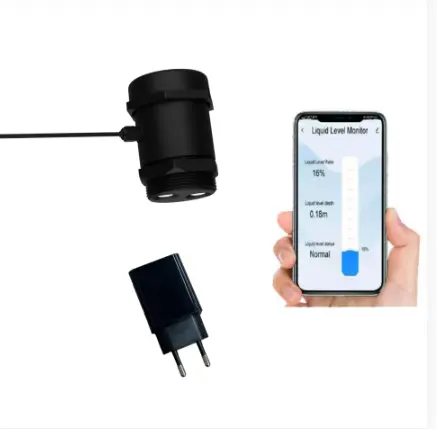
Modernité Surveillance du niveau du réservoir s’appuie sur l’intelligence, Systèmes automatisés qui fournissent une précision, Insights en temps réel. En tirant parti de capteurs avancés et de la connectivité internet, Nous pouvons désormais suivre l’inventaire en toute sécurité, efficacement, et à distance.
Si vous vous êtes déjà posé la question Comment mesurer le niveau de liquide dans une cuve de stockage sans monter à une échelle ni risquer d’être exposé à des matières dangereuses, Ce guide explore les technologies innovantes qui rendent cela possible.
L’évolution de la mesure liquide
La première étape pour améliorer tout système de gestion des fluides est de comprendre la différence entre Méthodes de mesure par contact vs méthodes de mesure sans contact.
- Méthodes de contact impliquent des capteurs qui touchent physiquement le fluide, comme des interrupteurs à flotteur ou des capteurs de pression submersibles. Ils sont généralement économiques et très fiables pour des liquides propres comme l’eau.
- Méthodes sans contact Utiliser les ondes (Son ou électromagnétique) suspendu au-dessus du liquide pour mesurer la distance. Ils sont idéaux pour les produits corrosifs, collant, ou des matières dangereuses car le capteur ne touche jamais le fluide.
Alors que les industries poussent à une meilleure précision et à un entretien moindre, Les solutions sans contact et la connectivité intelligente sont devenues la référence.
Technologies de capteurs de pointe
Choisir le bon matériel est la base d’une efficacité Surveillance du niveau du réservoir. Explorons certaines des technologies de capteurs les plus populaires et innovantes utilisées aujourd’hui.
Capteurs ultrasoniques et radar
Si vous explorez des solutions sans contact, Vous vous retrouverez probablement à comparer Capteurs ultrasoniques vs radar pour fluides.
D'abord, comment un Capteur de niveau ultrasonique Œuvre? Il émet des ondes sonores à haute fréquence depuis le haut du réservoir jusqu’à la surface du liquide. Le capteur calcule le temps nécessaire pour que l’écho rebondisse, convertir ce temps en une mesure précise de distance. Les capteurs ultrasoniques sont extrêmement populaires pour l’eau et les réservoirs chimiques standards.
Cependant, Les ondes sonores ultrasoniques peuvent être perturbées par des vapeurs lourdes, écume, ou des fluctuations extrêmes de température. C’est là que les capteurs radar brillent. Le radar utilise des ondes électromagnétiques, qui coupent facilement la mousse et la vapeur, ce qui en fait le choix supérieur pour les produits chimiques volatils. En outre, Le radar est exceptionnel pour le Mesure précise des liquides visqueux Comme des sirops, Huiles épaisses, et boue, où un plat, Une surface propre est rarement présente.
Émetteurs de pression hydrostatique
Pour profond, étroit, ou des réservoirs souterrains, Applications des émetteurs de pression hydrostatique sont incroyablement précieux. Ces capteurs sont immergés au fond d’un réservoir et mesurent la pression exercée par la colonne de liquide au-dessus d’eux. Parce que la densité du liquide est connue, Le capteur peut calculer le volume exact. Ils sont robustes, Très fiable, et relativement immunisé à la mousse de surface ou à l’agitation.
Le pouvoir de la connectivité et de l’IoT
Avoir un capteur très précis n’est que la moitié du combat. La véritable innovation réside dans la manière dont nous collectons et utilisons ces données. L’intégration de Capteurs intelligents IoT pour le suivi des liquides a fondamentalement transformé la gestion des fluides, passant d’une corvée réactive à une stratégie proactive.
Passage au sans-fil
L’adoption de Télédétection sans fil de niveau Cela signifie que des kilomètres de coûts, Les câbles en cuivre facilement endommagés ne sont plus nécessaires. Les capteurs peuvent désormais transmettre des données via Wi-Fi, réseaux cellulaires, LoRaWAN, ou Bluetooth.
Cette connectivité permet une vraie Surveillance à distance des réservoirs, permettant à un gestionnaire d’installation à New York de vérifier les niveaux exacts de carburant d’un réservoir de générateur en Californie depuis un smartphone. Mais ce n’est pas seulement pour les grandes entreprises. Les consommateurs ordinaires bénéficient énormément de cette technologie, notamment par l’utilisation d’un Système résidentiel de surveillance du niveau des réservoirs de propane. Les propriétaires n’ont plus à marcher dans la neige pour vérifier un cadran; au lieu de, Leur fournisseur local de carburant surveille le réservoir à distance et programme un remplissage bien avant que le chauffage ne s’arrête.
Intégration cloud
Les systèmes modernes reposent fortement sur Journal des données et alertes basés sur le cloud. Quand vos capteurs sont connectés au cloud, Vous débloquez une suite de fonctionnalités puissantes:
- Tendances historiques: Suivez les pics saisonniers de consommation pour mieux budgéter.
- Notifications instantanées: Recevez un SMS ou un e-mail si un réservoir descend en dessous 20% ou s’élève au-dessus 90%.
- Détection des fuites: Identifier des baisses anormales de volume pendant les heures de repos, signalant une fuite potentielle.
Renforcement de la sécurité, Automatisation, et Efficacité
Lorsque vous intégrez des capteurs intelligents avec des logiciels intelligents, Les bénéfices se multiplient, Impact profond sur la sécurité et l’efficacité opérationnelle.
Prévenir les déversements et les dommages aux équipements
L’un des avantages de sécurité les plus essentiels des capteurs intelligents est Éviter les surchargements de réservoir. Le surremplissage d’un réservoir de diesel ou de produits chimiques peut entraîner des dégâts environnementaux catastrophiques, Amendes massives, et les risques d’incendie dangereux. Des alarmes de haut niveau connectées à des capteurs intelligents peuvent déclencher automatiquement les vannes d’arrêt dès que le liquide atteint un seuil dangereux.
De la même manière, De faibles niveaux peuvent être tout aussi dommageables pour l’équipement. En utilisant des capteurs pour Contrôle automatique de la pompe et protection contre le fonctionnement à sec, Les systèmes peuvent automatiquement arrêter une pompe avant qu’un réservoir ne soit complètement à sec. Cela empêche les moteurs de la pompe de surchauffer et de brûler, Cela permet d’économiser des milliers de dollars en coûts de remplacement et en temps d’arrêt.
Mise en puissance: Solutions d’entreprise et municipales
Pour des opérations à grande échelle, Les données des capteurs peuvent être directement transmises Logiciel de gestion d’inventaire en temps réel. Cela permet aux équipes logistiques d’optimiser les itinéraires de livraison, Veiller à ce que les camions ne visitent que les sites qui ont réellement besoin d’un rechargement, Réduire drastiquement les coûts de carburant et de main-d’œuvre.
Au niveau industriel, intégrer ces capteurs dans Automatisation industrielle utilisant des systèmes SCADA (Contrôle de supervision et acquisition de données) Permet aux opérateurs de contrôler des processus de fabrication complexes sans interruption. Dans les secteurs municipaux, Télémétrie à distance pour la gestion de l’eau aide les villes à surveiller les niveaux des réservoirs, Gestion des stations d’épuration des eaux usées, et prédire les risques d’inondation sans envoyer des équipes sur des centaines de sites différents.
Meilleures pratiques pour choisir votre système
Avec autant d’options sur le marché, Choisir la bonne configuration demande une attention particulière à votre environnement spécifique. Voici quelques conseils pratiques:
- Considérez le matériau: Choisir le bon capteur pour les produits chimiques est primordiale. Si vous stockez des acides corrosifs, assurez-vous que votre boîtier de capteur est fabriqué à partir de matériaux chimiquement inertes comme le PTFE ou le PVDF.
- Évaluer l’environnement: Si vos aquariums sont à l’extérieur et exposés aux intempéries extrêmes, assurez-vous que les capteurs portent une certification IP67 ou IP68 d’étanche appropriée.
- Évaluer la disponibilité de l’énergie: Si votre réservoir se trouve dans un champ agricole isolé sans alimentation électrique, Cherchez des capteurs IoT ultra-bas énergétiques équipés de batteries lithium durables ou de petits panneaux solaires.
- Planification pour l’avenir: Choisissez une plateforme de surveillance avec une API ouverte. Même si vous n’avez besoin que d’un simple système d’alerte aujourd’hui, Vous voudrez peut-être intégrer ces données dans un logiciel d’inventaire plus large demain.
Réflexions finales
L’époque des devinettes, trempage, et espérer que tout irait bien est fini. Des simples réservoirs d’eau aux silos industriels chimiques complexes, La technologie entourant la gestion des fluides n’a jamais été aussi accessible et fiable. En adoptant des capteurs modernes et une connectivité cloud, Vous pouvez garantir des opérations continues, Protéger du matériel coûteux, et rationaliser votre chaîne d’approvisionnement. Au final, Investir dans une gestion intelligente des liquides est un investissement dans la tranquillité d’esprit.