
Cén fáth a ndéantar méadair leibhéal ultrasonaic a bheith "Míchruinn"? Tumadh Domhain i gCeithre Phointe Pin Teicniúla Coitianta
Sprioc-Lucht Féachana: Teicneoirí Innealtóireachta, Bainisteoirí Roghnúcháin Trealaimh, Comhtháthóirí Córais
Tabhairt isteach
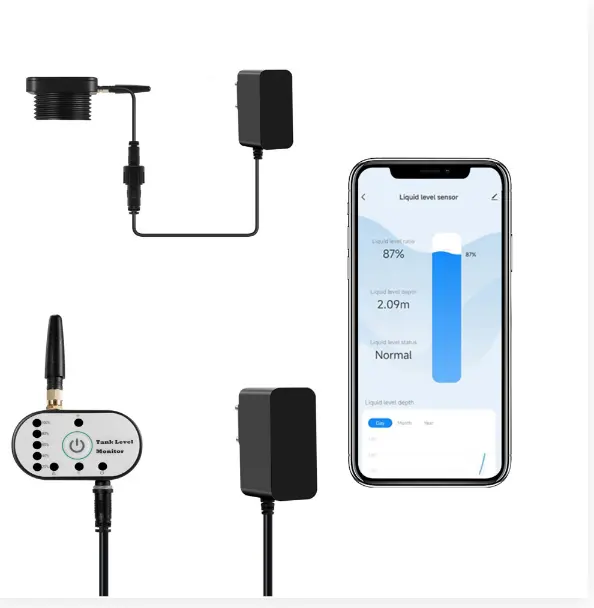
Méadair leibhéal ultrasonaic Tá siad ina rogha príomhshrutha le haghaidh umar uisce, linn snámha, agus monatóireacht ar umar ola mar gheall ar a dtomhas neamhtheagmhála, Suiteáil éasca, agus infheidhmeacht leathan na meán. Cén dóigh faoin spéir a ...?, i bhfeidhmeanna praiticiúla, Níl méadair leibhéal ultrasonaic "réiteach uilíoch"—Tuairiscíonn go leor úsáideoirí saincheisteanna cosúil le sruth léitheoireachta, caillteanas comhartha, agus éagobhsaíocht tomhais. Cad iad na bunchúiseanna? Déanfaidh an t-alt seo anailís dhomhain ar cheithre phointe pian teicniúla coitianta sa tionscal méadair leibhéal ultrasonaic.
Pointe Péine #1: Teorannú Crios na nDall – An "Dofheicthe" Leibhéal Gar-Deiridh
Tá réigiún fisiceach díreach os comhair an tóireadóra ag méadair leibhéil ultrasonaic ina bhfuil tomhas dodhéanta, ar a dtugtar an "crios dall." Tá sé seo ann toisc go dteastaíonn am ón gcriostail piezoelectric le haghaidh "fáinne síos" tar éis bíoga ultrasonaic a tharchur, nach féidir leis comharthaí macalla a fháil.
Ag glacadh leis an Siemens LU150 mar shampla: Is é a chrios dall 250mm. Nuair a ardaíonn an leibhéal laistigh de 250mm ón probe, ní féidir leis an ionstraim a thomhas de ghnáth, a d'fhéadfadh a bheith ina chúis le léimeanna léitheoireachta nó teip iomlán. Le haghaidh umair éadomhain (E.g., níos lú ná 1 méadar ar airde), Is féidir leis an gcrios dall níos mó ná an ceathrú cuid den raon intomhaiste a áitiú.
Sonraí Tionscail: De ghnáth bíonn criosanna dall idir 200mm agus 500mm ag méadair leibhéal ultrasonaic caighdeánach. Le haghaidh umair faoi 1 méadar ar airde, D'fhéadfadh an raon tomhais inúsáidte a bheith ach 50-80cm.
Pointe Péine #2: Sruth Léitheoireachta mar gheall ar Éifeachtaí Teochta
Déanann prionsabal tomhais na méadar leibhéal ultrasonaic iad an-íogair do theocht chomhthimpeallach. Ríomhann siad an t-achar tríd an am ó tharchur tonn fuaime go machnamh a thomhas: Fad = (Luas na Fuaime × Am) / 2. Athraíonn luas na fuaime san aer le teocht - athraíonn athrú 1°C luas fuaime thart ar 0.6m/s.
Cé go bhfuil cúiteamh teochta ionsuite ag an gcuid is mó de na méadair leibhéal ultrasonaic, Is minic a theipeann ar chúiteamh sna cásanna seo:
- Difríochtaí teochta móra ag barr umar - Bíonn athruithe teochta drámatúla ag umair lasmuigh idir an lá agus an oíche
- Sreabhadh aer te soiléir - I suíomhanna tionsclaíocha, Saobhann aer te ag ardú cosáin tonnta fuaime
- Gaile / comhdhlúthú go minic - I gcásanna cosúil le umair uisce te nó linnte cóireála séarachais, Is cúis le gaile athruithe casta luais fuaime
Pointe Péine #3: Macallaí bréagacha agus cur isteach comhartha bréagach
Léiríonn tonnta ultrasonaic aon chonstaic ina gcosán. Struchtúir sheasta taobh istigh d'umair - bíomaí tacaíochta, dréimirí, agitators, baffles inlet - cruthaíonn siad go léir "macallaí bréagacha." Nuair a bhíonn na macallaí bréagacha seo níos láidre ná an fíor-macalla dromchla leachtach, faigheann an ionstraim "fooled" agus mí-aithníonn sé struchtúir sheasta mar an leibhéal leachtach.
Cur isteach ó thorann leictreach: Tiontairí minicíochta, mótair ardchumhachta, agus trealamh eile a ghineann torann leictreamaighnéadach a chúpláiltear isteach i línte comhartha braiteora. Thuairiscigh úsáideoir fóraim Siemens nuair a thosaigh tiomáint Siemens VSD, Bheadh léamha méadair leibhéal ultrasonaic ag dul "scála iomlán" laistigh de 2-4 nóiméad, ag filleadh ar an ngnáth ach amháin nuair a stopadh an VSD.
Pointe Péine #4: Ionsú Cúr / Gaile agus Scaipeadh Fuaimthonnta
Is tonn mheicniúil é ultrafhuaime a bhraitheann ar chreathadh meánach chun fuinneamh a tharchur. Nuair a bhíonn cúr ann ar an dromchla leachtach, ionsúnn agus scaipeann sé fuinneamh ultrasonaic, is cúis le maolú tromchúiseach ar neart comhartha macalla - ní féidir leis an ionstraim "éisteacht" macalla leordhóthanach.
Iarmhairtí:
Teip tomhais iomlán
Iontrálann an ionstraim "caillteanas comhartha" stát, Cóid locht a thaispeáint
Léim léamha, ag ascalú idir fíor-leibhéal agus luachanna earráideacha
Pointe Péine #5: Dianriachtanais Suiteála
Braitheann cruinneas méadair leibhéal ultrasonach go mór ar cháilíocht suiteála. Sonraíonn doiciméadacht theicniúil Siemens riachtanais chriticiúla:
Aonrú torainn: Coinnigh achar ó línte ardvoltais, Teagmhálaithe, agus VFDanna
Ailíniú ingearach: Caithfidh an tóireadóir a bheith ingearach le dromchla leachtach
Constaicí a sheachaint: Coinnigh achar ó chalafoirt líonta / urscaoilte, agitators, agus ballaí umar
Rialú chasmhóiminte: Níor chóir an probe a bheith ró-níos doichte, de réir mar a mhéadaíonn sé seo "Ag glaoch" agus is cúis le aimhrialtachtaí tomhais
Achoimre ar Phointe Péile
| Cineál Pointe Péile | Croí-Eisiúint | Iarmhairt Tipiciúil |
|---|---|---|
| Crios na nDall | Limistéar gar do dheireadh neamh-intomhaiste | Teip ardleibhéil |
| Sruth Teochta | Athraíonn luas fuaime le teocht | Léamha éagobhsaí |
| Macallaí Bréagacha | Struchtúir sheasta a shainaithint go mícheart | Léamha greamaithe/léim |
| Cur isteach Foam | Maolú comhartha macalla | Gan aon tomhas |
| Riachtanais Suiteála | Coinníollacha dochta ailínithe/seachanta | Costas suiteála ard |


