
ટેન્ક લેવલ મોનિટરિંગ માટે નવીન ઉકેલો
પ્રવાહીનું વ્યવસ્થાપન કરવું - પછી ભલે તે પીવાનું પાણી હોય, કૃષિ ખાતરો, ઔદ્યોગિક રસાયણો[ફેરફાર કરો], અથવા ઘરેલું ગરમ બળતણ - એક નિર્ણાયક કાર્ય છે જે અનુમાન માટે કોઈ જગ્યા છોડતું નથી. દાયકાઓ સુધી, સુવિધા મેનેજરો અને મકાનમાલિકો તેમના સ્ટોરેજ કન્ટેનરમાં શું બાકી છે તે નક્કી કરવા માટે મેન્યુઅલ ડિપસ્ટિક્સ અને વિઝ્યુઅલ ગેજ પર આધાર રાખે છે. આજે, લેન્ડસ્કેપ સંપૂર્ણપણે બદલાઈ ગયું છે.
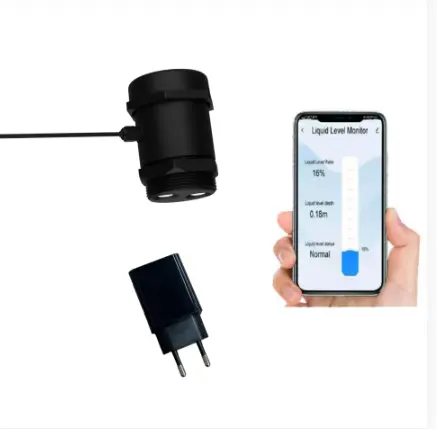
આધુનિક ટાંકીનું સ્તર દેખરેખ બુદ્ધિશાળી પર આધાર રાખે છે, સ્વચાલિત સિસ્ટમો જે સચોટ પ્રદાન કરે છે, રીઅલ-ટાઇમ આંતરદૃષ્ટિ. અદ્યતન સેન્સર અને ઇન્ટરનેટ કનેક્ટિવિટીનો લાભ લઈને, હવે અમે માલ સુચિને સલામત રીતે ટ્રૅક કરી શકીએ છીએ, કાર્યક્ષમ રીતે, અને દૂરસ્થ.
જો તમે ક્યારેય વિચાર્યું હોય તો સ્ટોરેજ ટેન્કમાં લિક્વિડનું સ્તર કેવી રીતે માપવું સીડી પર ચઢ્યા વિના અથવા જોખમી સામગ્રીના સંપર્કમાં આવવાનું જોખમ લીધા વિના, આ માર્ગદર્શિકા નવીન તકનીકીઓની શોધ કરે છે જે તેને શક્ય બનાવે છે.
પ્રવાહી માપનની ઉત્ક્રાંતિ
કોઈપણ પ્રવાહી વ્યવસ્થાપન સિસ્ટમને અપગ્રેડ કરવાનું પ્રથમ પગલું વચ્ચેના તફાવતને સમજવાનું છે સંપર્ક વિ બિન-સંપર્ક માપન પદ્ધતિઓ.
- સંપર્ક પદ્ધતિઓ એવા સેન્સર્સનો સમાવેશ થાય છે જે પ્રવાહીને શારીરિક રીતે સ્પર્શ કરે છે, જેમ કે ફ્લોટ સ્વિચ અથવા સબમર્સિબલ પ્રેશર સેન્સર. આ સામાન્ય રીતે પાણી જેવા સ્વચ્છ પ્રવાહી માટે ખર્ચ-અસરકારક અને અત્યંત વિશ્વસનીય હોય છે..
- બિન-સંપર્ક પદ્ધતિઓ તરંગો વાપરો (ધ્વનિ અથવા વિદ્યુતચુંબકીય) અંતર માપવા માટે પ્રવાહીની ઉપર સસ્પેન્ડ કરવામાં આવે છે. આ કાટ માટે આદર્શ છે, ચીકણું, અથવા જોખમી પદાર્થો કારણ કે સેન્સર ક્યારેય પ્રવાહીને સ્પર્શતું નથી.
ઉદ્યોગો વધુ સારી ચોકસાઈ અને ઓછી જાળવણી માટે દબાણ કરે છે, નોન-કોન્ટેક્ટ સોલ્યુશન્સ અને સ્માર્ટ કનેક્ટિવિટી ગોલ્ડ સ્ટાન્ડર્ડ બની ગયા છે.
અત્યાધુનિક સેન્સર ટેકનોલોજી
યોગ્ય હાર્ડવેરની પસંદગી એ અસરકારક પાયો છે ટાંકીનું સ્તર દેખરેખ. ચાલો આજે ઉપયોગમાં લેવાતી કેટલીક સૌથી લોકપ્રિય અને નવીન સેન્સર તકનીકોનું અન્વેષણ કરીએ.
અલ્ટ્રાસોનિક અને રડાર સેન્સર
જો તમે બિન-સંપર્ક ઉકેલો શોધી રહ્યા હોવ, તમે સંભવતઃ તમારી જાતને સરખામણી કરતા જોશો પ્રવાહી માટે અલ્ટ્રાસોનિક વિ રડાર સેન્સર.
પ્રથમ, કેવી રીતે એક અલ્ટ્રાસોનિક લેવલ સેન્સર કાર્ય? તે ટાંકીની ટોચથી પ્રવાહીની સપાટી સુધી ઉચ્ચ-આવર્તન ધ્વનિ તરંગોનું ઉત્સર્જન કરે છે. સેન્સર પડઘાને પાછા ઉછાળવામાં લાગતા સમયની ગણતરી કરે છે, તે સમયને ચોક્કસ અંતરના માપનમાં રૂપાંતરિત કરી રહ્યા છે. અલ્ટ્રાસોનિક સેન્સર પાણી અને પ્રમાણભૂત રાસાયણિક ટાંકી માટે અતિ લોકપ્રિય છે.
જો કે, અલ્ટ્રાસોનિક ધ્વનિ તરંગો ભારે વરાળ દ્વારા વિક્ષેપિત થઈ શકે છે, ફીણ, અથવા તાપમાનની આત્યંતિક વધઘટ. આ તે છે જ્યાં રડાર સેન્સર ચમકે છે. રડાર ઇલેક્ટ્રોમેગ્નેટિક તરંગોનો ઉપયોગ કરે છે, જે ફીણ અને વરાળને સરળતાથી કાપી નાખે છે, તેમને અસ્થિર રસાયણો માટે શ્રેષ્ઠ પસંદગી બનાવે છે. આ ઉપરાંત, રડાર માટે અપવાદરૂપ છે સ્નિગ્ધ પ્રવાહીનું ચોકસાઈ માપન ચાસણીની જેમ, ભારે તેલ, અને કાદવ, જ્યાં એક ફ્લેટ, સ્વચ્છ સપાટી ભાગ્યે જ હાજર હોય છે.
હાઇડ્રોસ્ટેટિક પ્રેશર ટ્રાન્સમીટર્સ
ઊંડા માટે, સાંકડી, અથવા ભૂગર્ભ ટાંકીઓ, હાઇડ્રોસ્ટેટિક પ્રેશર ટ્રાન્સમીટર એપ્લિકેશન્સ અતિ મૂલ્યવાન છે. આ સેન્સર્સ ટાંકીના તળિયે ડૂબી જાય છે અને તેમની ઉપરના પ્રવાહીના સ્તંભ દ્વારા કરવામાં આવતા દબાણને માપે છે. કારણ કે પ્રવાહીની ઘનતા જાણીતી છે, સેન્સર ચોક્કસ વોલ્યુમની ગણતરી કરી શકે છે. તેઓ મજબૂત છે, અત્યંત વિશ્વસનીય, અને સપાટીની ફીણ અથવા આંદોલન માટે પ્રમાણમાં પ્રતિરક્ષક છે.
કનેક્ટિવિટી અને આઇઓટીની શક્તિ
અત્યંત સચોટ સેન્સર રાખવું એ ફક્ત અડધી લડાઈ છે. સાચી નવીનતા એ છે કે આપણે તે ડેટાને કેવી રીતે એકત્રિત કરીએ છીએ અને તેનો ઉપયોગ કરીએ છીએ. નું એકીકરણ[ફેરફાર કરો] લિક્વિડ ટ્રેકિંગ માટે આઇઓટી સ્માર્ટ સેન્સર્સ મૂળભૂત રીતે પ્રવાહી વ્યવસ્થાપનને પ્રતિક્રિયાશીલ કાર્યથી સક્રિય વ્યૂહરચના તરફ ખસેડ્યું છે.
વાયરલેસ જઇ રહ્યા છીએ
દત્તક લેવો[ફેરફાર કરો] વાયરલેસ રિમોટ લેવલ સેન્સિંગ મતલબ કે માઇલ ખર્ચાળ, સરળતાથી નુકસાન પામેલા કોપર વાયરિંગ હવે જરૂરી નથી. સેન્સર હવે વાઇ-ફાઇ દ્વારા ડેટા ટ્રાન્સમિટ કરી શકે છે, સેલ્યુલર નેટવર્કો, લોરાવાન, અથવા બ્લુટુથ.
આ જોડાણ true સક્રિય કરે છે રિમોટ ટેન્ક મોનિટરિંગ, ન્યૂ યોર્કમાં ફેસિલિટી મેનેજરને સ્માર્ટફોનથી કેલિફોર્નિયામાં જનરેટર ટાંકીના ચોક્કસ બળતણનું સ્તર તપાસવાની મંજૂરી આપે છે. પરંતુ તે માત્ર મોટા ઉદ્યોગો માટે જ નથી. રોજિંદા ગ્રાહકોને આ ટેકથી ઘણો ફાયદો થાય છે, ખાસ કરીને તેના ઉપયોગ દ્વારા રેસિડેન્શિયલ પ્રોપેન ટેન્ક લેવલ મોનિટરિંગ સિસ્ટમ. મકાનમાલિકોને હવે ડાયલ તપાસવા માટે બરફમાંથી પસાર થવું પડશે નહીં; તેના બદલે, તેમના સ્થાનિક બળતણ પ્રદાતા ટાંકીને દૂરસ્થ રીતે મોનિટર કરે છે અને ગરમી બંધ થાય તે પહેલાં રિફિલનું શેડ્યૂલ કરે છે.
ક્લાઉડ એકીકરણ
આધુનિક પ્રણાલીઓ પર ભારે આધાર રાખે છે ક્લાઉડ-આધારિત ડેટા લોગિંગ અને ચેતવણીઓ. જ્યારે તમારા સેન્સર ક્લાઉડ સાથે જોડાયેલા હોય છે, તમે શક્તિશાળી સુવિધાઓના સ્યુટને અનલૉક કરો છો:
- ઐતિહાસિક વલણો[ફેરફાર કરો]: બજેટ માટે મોસમી વપરાશ સ્પાઇક્સને વધુ સચોટ રીતે ટ્રેક કરો.
- ત્વરિત સૂચનાઓ: જો કોઈ ટાંકી નીચે આવે તો એસએમએસ અથવા ઇમેઇલ મેળવો 20% અથવા ઉપર વધે છે 90%.
- લીક તપાસ: ઑફ-અવર્સ દરમિયાન વોલ્યુમમાં અસામાન્ય ટીપાં ઓળખો, સંભવિત લીકેજનો સંકેત આપે છે.
સલામતી વધારવી, ઓટોમેશન, અને કાર્યક્ષમતા
જ્યારે તમે બુદ્ધિશાળી સૉફ્ટવેર સાથે સ્માર્ટ સેન્સર્સને એકીકૃત કરો છો, ફાયદા અનેકગણો વધે છે, સલામતી અને ઓપરેશનલ કાર્યક્ષમતા પર ઊંડી અસર કરે છે.
ઢોળાવ અને ઉપકરણોને નુકસાન થતું અટકાવવું
સ્માર્ટ સેન્સર્સના સૌથી મહત્વપૂર્ણ સલામતી લાભોમાંનો એક છે ફ્યૂઅલ ટેન્ક ઓવરફિલ થતાં અટકાવે છે. ડીઝલ અથવા રાસાયણિક ટાંકીને ઓવરફિલ કરવાથી વિનાશક પર્યાવરણીય નુકસાન થઈ શકે છે, જંગી દંડ, અને જોખમી આગના જોખમો. સ્માર્ટ સેન્સર સાથે જોડાયેલા ઉચ્ચ-સ્તરના એલાર્મ પ્રવાહી ખતરનાક થ્રેશોલ્ડ પર પહોંચે તે ક્ષણે આપમેળે શટ-ઓફ વાલ્વને ટ્રિગર કરી શકે છે.
એ જ રીતે, નીચું સ્તર સાધનો માટે એટલું જ નુકસાનકારક હોઈ શકે છે. માટે સેન્સરનો ઉપયોગ કરીને સ્વચાલિત પંપ નિયંત્રણ અને ડ્રાય રન પ્રોટેક્શન, ટાંકી સંપૂર્ણપણે સુકાઈ જાય તે પહેલાં સિસ્ટમો આપમેળે પમ્પને બંધ કરી શકે છે. આ પમ્પ મોટર્સને વધુ ગરમ થવાથી અને બળી જતા અટકાવે છે, રિપ્લેસમેન્ટ ખર્ચ અને ડાઉનટાઇમમાં હજારો ડોલરની બચત.
માપન વધારી રહ્યા છીએ: એન્ટરપ્રાઇઝ અને મ્યુનિસિપલ સોલ્યુશન્સ
મોટા પાયે કામગીરી માટે, સેન્સર ડેટા સીધો જ ફીડ કરી શકાય છે રીઅલ-ટાઇમ ઇન્વેન્ટરી મેનેજમેન્ટ સોફ્ટવેર. આ લોજિસ્ટિક્સ ટીમોને ડિલિવરી રૂટ્સને ઑપ્ટિમાઇઝ કરવાની મંજૂરી આપે છે, ખાતરી કરો કે ટ્રક ફક્ત તે સાઇટ્સની મુલાકાત લે છે જેને ખરેખર રિફિલની જરૂર હોય છે, બળતણ અને મજૂર ખર્ચમાં નાટ્યાત્મક રીતે ઘટાડો.
ઔદ્યોગિક સ્તરે[ફેરફાર કરો], આ સેન્સર્સને તેમાં એકીકૃત કરી રહ્યા છે SCADA સિસ્ટમ્સનો ઉપયોગ કરીને ઔદ્યોગિક ઓટોમેશન (સુપરવાઇઝરી નિયંત્રણ અને ડેટા એક્વિઝિશન) ઓપરેટરોને જટિલ ઉત્પાદન પ્રક્રિયાઓને એકીકૃત રીતે નિયંત્રિત કરવાની મંજૂરી આપે છે. મ્યુનિસિપલ સેક્ટરમાં, જળ વ્યવસ્થાપન માટે રિમોટ ટેલિમેટ્રી શહેરોને જળાશયના સ્તર પર નજર રાખવામાં મદદ કરે છે, ગંદાપાણીના શુદ્ધિકરણ પ્લાન્ટનું સંચાલન કરો, અને સેંકડો વિવિધ સ્થળોએ ક્રૂને મોકલ્યા વિના પૂરના જોખમોની આગાહી કરો.
તમારી સિસ્ટમ પસંદ કરવા માટેની શ્રેષ્ઠ પદ્ધતિઓ
બજારમાં ઘણા બધા વિકલ્પો સાથે, યોગ્ય સેટઅપ પસંદ કરવા માટે તમારા ચોક્કસ વાતાવરણની કાળજીપૂર્વક વિચારણા કરવાની જરૂર છે. અહીં કેટલીક ક્રિયાશીલ ટીપ્સ છે:
- સામગ્રીને ધ્યાનમાં લો: રસાયણો માટે યોગ્ય સેન્સર પસંદ કરવું સર્વોપરી છે. જો તમે કાટવાળા એસિડનો સંગ્રહ કરી રહ્યા હોવ તો, ખાતરી કરો કે તમારું સેન્સર હાઉસિંગ પીટીએફઇ અથવા પીવીડીએફ જેવા રાસાયણિક રીતે નિષ્ક્રિય પદાર્થોથી બનેલું છે.
- પર્યાવરણનું મૂલ્યાંકન કરો: જો તમારી ટાંકી બહાર હોય અને આત્યંતિક હવામાનના સંપર્કમાં હોય તો, સેન્સર યોગ્ય IP67 અથવા IP68 વોટરપ્રૂફ રેટિંગ ધરાવે છે તે સુનિશ્ચિત કરે છે.
- પાવર ઉપલબ્ધતાનું મૂલ્યાંકન કરો: જો તમારી ટાંકી ગ્રીડ પાવર વિના દૂરસ્થ કૃષિ ક્ષેત્રમાં હોય તો, લાંબા સમય સુધી ચાલતી લિથિયમ બેટરી અથવા નાના સોલર પેનલ્સથી સજ્જ અલ્ટ્રા-લો-પાવર આઇઓટી સેન્સર માટે જુઓ.
- ભવિષ્ય માટેની યોજના: ખુલ્લા API સાથે મોનિટરિંગ પ્લેટફોર્મ પસંદ કરો. ભલે તમારે આજે ફક્ત એક સરળ ચેતવણી સિસ્ટમની જરૂર હોય, તમે આવતીકાલે તે ડેટાને વ્યાપક માલ સુચિ સૉફ્ટવેરમાં એકીકૃત કરવા માંગો છો.
અંતિમ વિચારો
અનુમાનના દિવસો, ડૂબી રહ્યા છે, અને શ્રેષ્ઠની આશા પૂરી થઈ ગઈ છે. પાણીની સરળ ટાંકીથી લઈને જટિલ ઔદ્યોગિક રાસાયણિક સિલોઝ સુધી, પ્રવાહી વ્યવસ્થાપનની આસપાસની તકનીક ક્યારેય વધુ સુલભ અથવા વિશ્વસનીય રહી નથી. આધુનિક સેન્સર અને ક્લાઉડ કનેક્ટિવિટી અપનાવીને, તમે સતત કામગીરીની ખાતરી કરી શકો છો, મોંઘા હાર્ડવેરને સુરક્ષિત કરો, અને તમારી સપ્લાય ચેઇનને સુવ્યવસ્થિત કરો. છેવટે, સ્માર્ટ લિક્વિડ મેનેજમેન્ટમાં રોકાણ કરવું એ માનસિક શાંતિમાં રોકાણ છે.