અલ્ટ્રાસોનિક લિક્વિડ લેવલ સેન્સરના ફાયદા
ઔદ્યોગિક ઓટોમેશન અને પ્રવાહી વ્યવસ્થાપનની દુનિયામાં, સચોટ સ્તર માપન એ કાર્યક્ષમતાની કરોડરજ્જુ છે, સલામતી, અને ખર્ચ નિયંત્રણ. શું તમે મ્યુનિસિપલ વોટર ટ્રીટમેન્ટ પ્લાન્ટનું સંચાલન કરી રહ્યા છો, કૃષિ સિંચાઈ ભંડાર, અથવા જોખમી રાસાયણિક સંગ્રહ, ટાંકીમાં પ્રવાહીનું ચોક્કસ જથ્થો જાણવું બિન-વાટાઘાટ કરી શકાય તેવું નથી. વર્ષોથી, ટેકનોલોજીનો ઝડપથી વિકાસ થયો છે, ઉચ્ચ જાળવણી મિકેનિકલ ઉપકરણોથી અત્યાધુનિક તરફ આગળ વધવું, સોલિડ-સ્ટેટ સોલ્યુશન્સ.
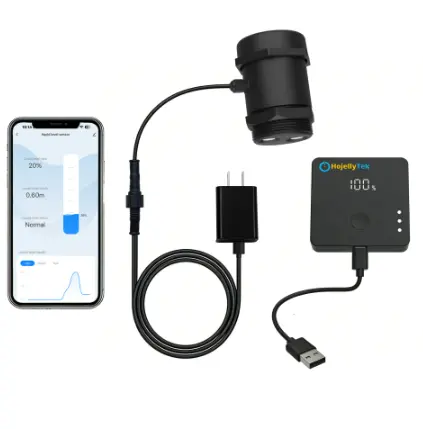
આ આધુનિક નવીનતાઓમાં, ધ અલ્ટ્રાસોનિક લિક્વિડ લેવલ સેન્સર અત્યંત સચોટ તરીકે ઉભું છે, બહુમુખી, અને ઓછી જાળવણી ગેમ-ચેન્જર. ઉચ્ચ-આવર્તન ધ્વનિ તરંગોનો ઉપયોગ કરીને, આ ઉપકરણો પ્રવાહીને સ્પર્શ કર્યા વિના સતત દેખરેખ પૂરી પાડે છે. ચાલો આ તકનીકના મુખ્ય ફાયદાઓનું અન્વેષણ કરીએ, તે કેવી રીતે કાર્ય કરે છે, અને શા માટે તે તમારી સુવિધા માટે સંપૂર્ણ ફિટ હોઈ શકે છે.
સેન્સર પાછળનું વિજ્ઞાન
આ તકનીકના ફાયદાઓની ખરેખર પ્રશંસા કરવા માટે, તે અંતર્ગત મિકેનિક્સને સમજવામાં મદદ કરે છે. જો તમે ક્યારેય પૂછ્યું હોય તો, "બિન-સંપર્ક સ્તર ટ્રાન્સમીટર કેવી રીતે કાર્ય કરે છે?" જવાબ ધ્વનિશાસ્ત્રના ભવ્ય ઉપયોગમાં રહેલો છે.
ઉપકરણના મૂળમાં પ્રવાહી માટે અદ્યતન પીઝોઇલેક્ટ્રિક ટ્રાન્સડ્યુસર તકનીક છે. આ વિદ્યુત ઘટક વિદ્યુત ઊર્જાને ઉચ્ચ-આવર્તન ધ્વનિ કઠોળમાં રૂપાંતરિત કરે છે (અલ્ટ્રાસાઉન્ડ) જે પ્રવાહીની સપાટી તરફ નીચેની તરફ ઉત્સર્જિત થાય છે. જ્યારે આ ધ્વનિ તરંગો પ્રવાહી સાથે અથડાય છે, તેઓ પડઘા તરીકે પાછા ફરે છે.
આ અમને સમજાવવામાં આવેલા સમય-ઑફ-ફ્લાઇટ માપન સિદ્ધાંત પર લાવે છે: સેન્સરનું માઇક્રોપ્રોસેસર ખૂબ જ ચોક્કસ સ્ટોપવોચ તરીકે કાર્ય કરે છે. તે ધ્વનિ પલ્સને પ્રવાહી સપાટી પર મુસાફરી કરવા અને ટ્રાન્સડ્યુસર પર પાછા ફરવા માટે ચોક્કસ સમયને માપે છે. કારણ કે હવામાં ધ્વનિની ગતિ એક જાણીતું અચળ છે, સેન્સર પિનપોઇન્ટ ચોકસાઈ સાથે અંતરની ગણતરી કરે છે.
જો કે, ટાંકીની અંદરની પર્યાવરણીય પરિસ્થિતિઓ ભાગ્યે જ સ્થિર હોય છે. પ્રવાહીની ઉપરની હવા ગરમ થઈ શકે છે અથવા ઠંડી થઈ શકે છે, જે અવાજ કેટલી ઝડપથી મુસાફરી કરે છે તે બદલી નાખે છે. આધુનિક સેન્સર બિલ્ટ-ઇન થર્મિસ્ટર્સનો ઉપયોગ કરીને ધ્વનિના વેગ પર તાપમાનની અસરને આપમેળે ભરપાઈ કરે છે. આ સુનિશ્ચિત કરે છે કે અચાનક હીટવેવ અથવા ઠંડી નાઇટ શિફ્ટ તમારા વાંચનની ચોકસાઈ સાથે સમાધાન કરશે નહીં.
ઔદ્યોગિક સેટિંગ્સમાં અજેય ફાયદા
એક ગોઠવી રહ્યા છીએ અલ્ટ્રાસોનિક સેન્સર ઔદ્યોગિક ટાંકી સ્તરની સેન્સિંગ એપ્લિકેશન્સની ભીડમાં વ્યવહારુ લાભોની સંપત્તિ પ્રદાન કરે છે. સુવિધા મેનેજરો સ્વિચ કરી રહ્યા છે તેના પ્રાથમિક કારણો અહીં છે:
- કઠોર રસાયણો માટે અંતિમ સલામતી: કારણ કે સેન્સર ક્યારેય પ્રવાહીનો સંપર્ક કરતું નથી, ટાંકીમાં કાટ લાગતા રસાયણોને માપવા માટે તે સંપૂર્ણ સલામત પદ્ધતિ છે. શું તમે સલ્ફ્યુરિક એસિડનો સંગ્રહ કરી રહ્યા છો, કોસ્ટિક સોડા, અથવા આક્રમક દ્રાવકો, તમે તમારા મોનિટરિંગ સાધનોને અધોગતિ આપતા પ્રવાહીના જોખમને સંપૂર્ણપણે દૂર કરો છો.
- શૂન્ય ખસેડતા ભાગો: યાંત્રિક પ્રણાલીઓ અનિવાર્યપણે નિષ્ફળ જાય છે. અલ્ટ્રાસોનિક ઉપકરણો ઓટોમેશન માટે ખૂબ વિશ્વસનીય ફ્લોટ સ્વિચ વિકલ્પો છે. પરંપરાગત ફ્લોટ્સ જામિંગનું જોખમ ધરાવે છે, સ્કેલીંગ, અને કાટમાળ એકઠો થાય છે, મોંઘા ખોટા એલાર્મ અથવા ઓવરફ્લો ઘટનાઓ તરફ દોરી જાય છે. સમીકરણમાંથી ખસેડતા ભાગોને દૂર કરીને, જાળવણીની જરૂરિયાતો શૂન્યની નજીક આવે છે.
- પર્યાવરણીય ટકાઉપણું: ઔદ્યોગિક વાતાવરણ શિક્ષાત્મક હોઈ શકે છે. સદ્ભાગ્યે, ટકી રહેવા માટે ઉચ્ચ ગુણવત્તાવાળા સેન્સર બનાવવામાં આવ્યા છે. ગંદાપાણીની દેખરેખ માટે મજબૂત વોટરપ્રૂફ આઇપી રેટિંગ્સ સાથે ઉપકરણો પસંદ કરીને (જેમ કે IP67 અથવા IP68), તમે ખાતરી કરો છો કે તમારા સાધનો ઉચ્ચ ભેજ હોવા છતાં દોષરહિત પ્રદર્શન કરવાનું ચાલુ રાખશે, છંટકાવ, અથવા ગટર શુદ્ધિકરણ સુવિધાઓમાં આકસ્મિક ડૂબી જવું.
પસંદગી કરવી: અલ્ટ્રાસોનિક વિ રડાર સ્તર માપન
જ્યારે ટેન્ક મોનિટરિંગ સિસ્ટમોને અપગ્રેડ કરી રહ્યા હોય, ઇજનેરો વારંવાર અલ્ટ્રાસોનિક વિ રડાર સ્તરના માપનના ગુણદોષનું વજન કરે છે. બંને ઉત્તમ બિન-સંપર્ક તકનીકો છે, પરંતુ તેઓ જુદી જુદી જરૂરિયાતો પૂરી કરે છે.
રડાર સેન્સર ધ્વનિ તરંગોને બદલે ઇલેક્ટ્રોમેગ્નેટિક માઇક્રોવેવનો ઉપયોગ કરે છે. આ તેમને આત્યંતિક તાપમાનની વધઘટ માટે અભેદ્ય બનાવે છે, ભારે વરાળ, ધૂળ, અને ફીણ પ્રવાહી. જો કે, રડાર સિસ્ટમ્સ રૂપરેખાંકિત કરવા માટે નોંધપાત્ર રીતે વધુ ખર્ચાળ અને જટિલ છે.
મોટા ભાગના પ્રમાણભૂત પ્રવાહી સંગ્રહ દૃશ્યો માટે - પાણી સહિતના, તેલ, અને હળવા રસાયણો - એક અલ્ટ્રાસોનિક લિક્વિડ લેવલ સેન્સર તે ખૂબ જ વધુ ખર્ચ-અસરકારક છે. તે સમાન સાતત્ય પ્રદાન કરે છે, રડાર તરીકે ઉચ્ચ-ચોકસાઈ ડેટા પરંતુ કિંમતના અપૂર્ણાંક પર, લાક્ષણિક ઔદ્યોગિક કાર્યક્રમો માટે તેને સૌથી સમજદાર પસંદગી બનાવે છે.
ઇન્સ્ટોલેશન અને કેલિબ્રેશન માટે નિર્ણાયક વિચારણાઓ
તમારો સૌથી વધુ લાભ લેવા માટે અલ્ટ્રાસોનિક લિક્વિડ લેવલ સેન્સર, યોગ્ય ભૌતિક ઇન્સ્ટોલેશન અને ડિજિટલ રૂપરેખાંકન મહત્વપૂર્ણ છે.
પ્રથમ, તમારે સેન્સર માટે હિસાબ આપવો જ જોઇએ "મૃત બેન્ડ" સેન્સર બ્લાઇન્ડ ઝોન અંતરની સચોટ ગણતરી કરીને. બ્લાઇન્ડ ઝોન એ ટ્રાન્સડ્યુસર ફેસની તરત જ નીચેની નાની જગ્યા છે જ્યાં સેન્સર યોગ્ય રીતે ટ્રાન્સમિટ કરી શકતું નથી અને એક સાથે ઇકો પ્રાપ્ત કરી શકતું નથી. જો આ બ્લાઇન્ડ ઝોનમાં કોઈ ટાંકી ભરાઈ ગઈ હોય તો, સેન્સર અનિયમિત અથવા ખોટો ડેટા આઉટપુટ કરશે. મહત્તમ ફ્લૂઇડ લેવલને આ ક્રિટિકલ થ્રેશોલ્ડથી નીચે રાખવા માટે હંમેશા સેન્સરને એટલું ઊંચું માઉન્ટ કરો.
ભૌતિક ટાંકી ભૂમિતિ પણ ભૂમિકા ભજવે છે. જો તમે ઊંચા માણસને ફરીથી ગોઠવી રહ્યા હોવ તો, પ્રતિબંધિત પાત્ર, સાંકડા જહાજ ઇન્સ્ટોલેશન માટે એડજસ્ટેબલ બીમ એંગલ દર્શાવતા સેન્સર માટે જુઓ. એકોસ્ટિક બીમ સંકુચિત કરીને, તમે સાઇડ વેવ્સને બાજુની દિવાલો પરથી ઉછળતા અટકાવો છો, જે અચોક્કસ વાંચનને ટ્રિગર કરી શકે છે.
એકવાર ભૌતિક ઇન્સ્ટોલેશન પૂર્ણ થઈ જાય પછી, તમારે ડિજિટલ સ્તર ઉપકરણો માટે પગલું-બાદ-પગલું કેલિબ્રેશન કરવું જ પડશે. આ પ્રક્રિયામાં સામાન્ય રીતે તમારી ટાંકીની વિશિષ્ટ ભૂમિતિ સાથે સેન્સરના સૉફ્ટવેરને પ્રોગ્રામિંગ શામેલ છે. તમારે વ્યાખ્યાયિત કરવાની જરૂર પડશે "શૂન્ય" બિંદુ (સેન્સરથી ખાલી ટાંકીની તળિયે સુધીનું અંતર) અને તા. "સ્પાન" (મહત્તમ ભરવાના સ્તર માટેનું અંતર). યોગ્ય રીતે કેલિબ્રેટ કરવા માટે સમય લેવાથી ખાતરી થાય છે કે તમારી નિયંત્રણ સિસ્ટમો દોષરહિત વોલ્યુમેટ્રિક ડેટા પ્રાપ્ત કરે છે.
મુશ્કેલીનિવારણ અને અદ્યતન કનેક્ટિવિટી
શ્રેષ્ઠ આયોજિત સિસ્ટમો પણ પ્રસંગોપાત સ્નેગમાં દોડે છે. પ્રારંભિક કમિશનિંગ દરમિયાન સ્ટોરેજ કન્ટેનરમાં સિગ્નલની દખલગીરી નિવારણ એ એક સામાન્ય અવરોધ છે. ખોટા પડઘા સામાન્ય રીતે ટાંકીની અંદર શારીરિક અવરોધોને કારણે થાય છે, જેમ કે માળખાકીય બીમ, સીડીઓ, અથવા આંદોલનકારી બ્લેડ. સદ્ભાગ્યે, મોટાભાગના આધુનિક અલ્ટ્રાસોનિક સેન્સર બિલ્ટ-ઇન લક્ષણો ધરાવે છે "પડઘો મેપિંગ" ન આદ્ય "ખોટા પડઘા દબાવણી" સોફ્ટવેર, જે ઉપકરણને ખાલી ટાંકીની સ્થિર એકોસ્ટિક પ્રોફાઇલ શીખવાની મંજૂરી આપે છે અને ઇરાદાપૂર્વક કાયમી અવરોધોને ઉછળતા પડઘાને અવગણે છે.
એકવાર સેન્સર સચોટ રીતે વાંચી રહ્યું હોય, તે ડેટાને તમારી વ્યાપક નિયંત્રણ સિસ્ટમમાં મેળવવો એ એક પવન છે. પરંપરાગત 4-20mA એનાલોગ આઉટપુટ સિગ્નલ એકીકરણ મજબૂત રહે છે, પ્રોગ્રામેબલ લોજિક નિયંત્રકો સાથે સેન્સર્સને જોડવા માટે વિશ્વસનીય ધોરણ (પીએલસી) અને સ્થાનિક નિયંત્રણ પેનલ્સ, સિગ્નલ અધોગતિ વિના લાંબા કેબલ રન પર ડેટાને મુસાફરી કરવાની મંજૂરી આપે છે.
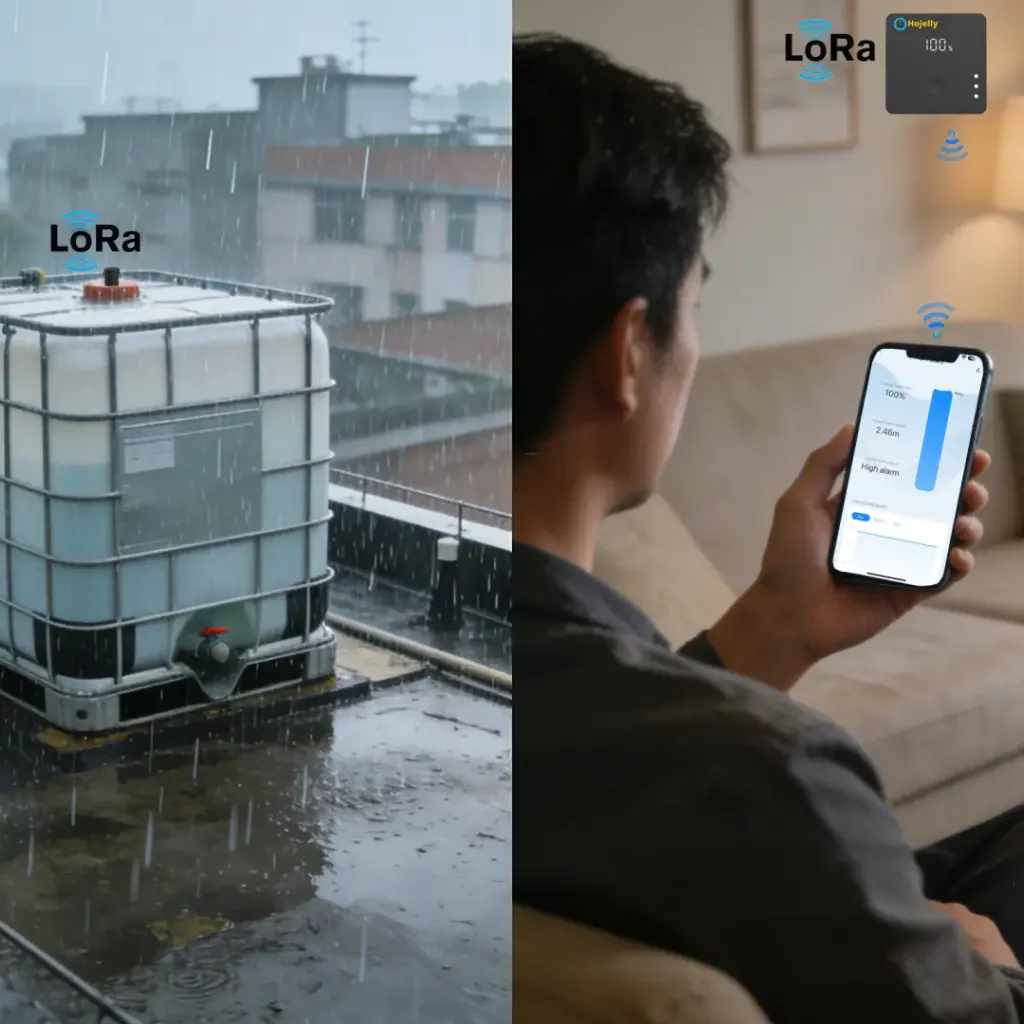
ઉદ્યોગને અપનાવવા માંગતા આગળની વિચારસરણીની કામગીરી માટે 4.0, આ સેન્સર્સને આઇઓટી-સક્ષમ રિમોટ ટેન્ક મોનિટરિંગ સિસ્ટમ્સમાં એકીકૃત રીતે એકીકૃત કરી શકાય છે.. તમારા લેવલ સેન્સર્સને ક્લાઉડ-આધારિત સેલ્યુલર અથવા વાઇ-ફાઇ ગેટવે સાથે કનેક્ટ કરીને, સુવિધા મેનેજરો વિશ્વમાં ક્યાંય પણ સ્માર્ટફોન અથવા લેપટોપથી રીઅલ-ટાઇમ ટેન્ક ડેટાને ઍક્સેસ કરી શકે છે. આ ત્વરિત નીચા-સ્તરની ટેક્સ્ટ ચેતવણીઓ માટે પરવાનગી આપે છે, સ્વચાલિત સપ્લાયર ફરીથી ગોઠવવામાં આવે છે, અને પ્રવાહી વપરાશ અને ડિલિવરી લોજિસ્ટિક્સને ઑપ્ટિમાઇઝ કરવા માટે ઊંડા historicalતિહાસિક ડેટા વિશ્લેષણ.
અંતિમ વિચારો
બિન-સંપર્ક માપનમાં સંક્રમણ એ સ્માર્ટ તરફનું પાયાનું પગલું છે, વધુ સુરક્ષિત, અને વધુ કાર્યક્ષમ ઔદ્યોગિક કામગીરી. અલ્ટ્રાસોનિક લિક્વિડ લેવલ સેન્સરનો લાભ લઈને, સુવિધાઓ યાંત્રિક નિષ્ફળતાના માથાનો દુખાવો દૂર કરી શકે છે, આક્રમક રસાયણોનું સલામત રીતે નિરીક્ષણ કરો, અને આધુનિક સ્વચાલિત સિસ્ટમોમાં મહત્વપૂર્ણ વોલ્યુમેટ્રિક ડેટાને એકીકૃત રીતે એકીકૃત કરો. કાળજીપૂર્વક ઇન્સ્ટોલેશન દ્વારા, યોગ્ય કેલિબ્રેશન, અને ધ્વનિ સિદ્ધાંતોની સમજ, આ સેન્સર ખરેખર હેન્ડ્સ-ઓફ પ્રદાન કરે છે, પ્રવાહી વ્યવસ્થાપન માટે અત્યંત વિશ્વસનીય અભિગમ.