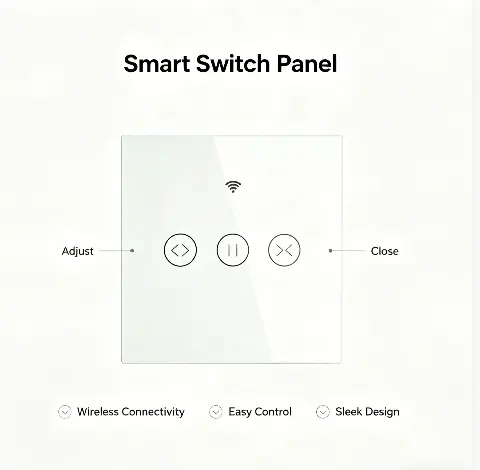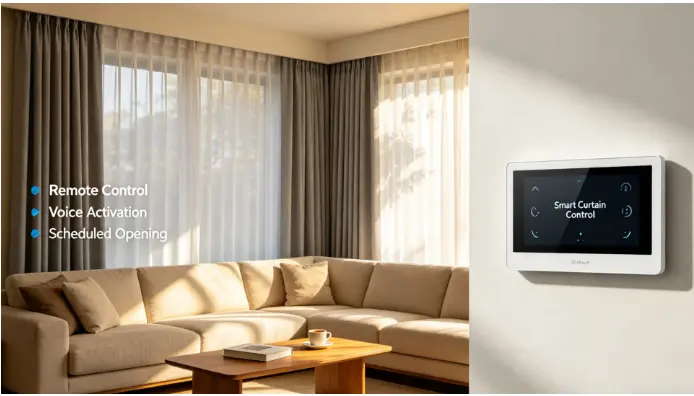
スマートスイッチの利点を探る
Imagine walking into your home with your hands full of groceries, and your living room lights automatically illuminate your path. Or perhaps you are already comfortably tucked into bed when you realize you left the downstairs hallway illuminated. Instead of begrudgingly getting up to flip a switch, you simply tap your phone screen or utter a quick voice command to plunge the house into darkness. This is the everyday magic of a スマートスイッチ.

Upgrading your traditional, analog wall switches is arguably one of the most impactful steps you can take toward building a fully connected, intelligent home. Whether your goal is to reduce your monthly energy bills, boost your property's security, or simply add a layer of futuristic convenience to your daily routine, understanding the core benefits and technical nuances of these devices is essential. この包括的なガイドでは, we will explore everything you need to know to elevate your living space through intelligent lighting.
Why Upgrade Your Walls? The Unbeatable Benefits
Replacing your standard flip switches is a foundational move for superior home automation lighting control. Let’s look at the primary reasons why homeowners are making the switch.
Ultimate Convenience and Control
The most immediate benefit of upgrading is the sheer convenience of remote light management via smartphone. Whether you are at the office, commuting, or lounging on a beach halfway across the world, you can easily check your dedicated mobile app to see if you accidentally left the kitchen lights on. With a simple swipe, you can turn them off instantly, giving you unprecedented control over your home’s environment from anywhere on the planet.
Slashing Your Electricity Bills
Many modern options go far beyond simple on/off capabilities. Some of the best models function as advanced energy monitoring wall switches, providing you with real-time data and historical graphs detailing your power consumption. This invaluable insight helps you identify which fixtures are draining the most electricity, allowing you to cut down on phantom power waste and significantly lower your monthly utility bills.
Enhanced Home Security
Leaving your lights on continuously while you are away on vacation is a classic telltale sign that nobody is home. Intelligent switches solve this problem entirely. By utilizing sunset to sunrise scheduling, your lights will automatically track your local time zone and weather data, turning on seamlessly at dusk and off at dawn. This dynamic feature is particularly highly effective for automating outdoor porch lights, ensuring you never come home to a dark, uninviting driveway while simultaneously deterring potential intruders who rely on the cover of darkness.
大討論: Smart Bulbs vs Smart Switches
When homeowners begin planning a lighting upgrade, a common dilemma inevitably arises: smart bulbs vs smart switches. Which is the better investment for your home?
While smart bulbs are fantastic for adding fun, color-changing features to a freestanding reading lamp, they possess a significant functional flaw when used in hardwired fixtures. If a family member or a guest flips the physical wall switch off, the smart bulb is completely deprived of power. It drops offline, and all your voice commands and app controls become useless.
A スマートスイッチ completely eliminates this frustrating problem. It remains constantly connected to your home network regardless of whether the physical switch is toggled up or down. その上, if you have a ceiling fixture that houses six individual recessed lights, purchasing a single wall switch to control the entire array is vastly more cost-effective than buying six expensive individual smart bulbs. 最終的には, switches are the superior choice for permanent, built-in home lighting.
Demystifying Your Home’s Wiring
Before you purchase any new smart hardware, it is absolutely crucial to understand what is hiding behind your plastic wall plates. Electrical setups vary drastically depending on the age, locati0n, and design of your home.
Circuit Types: How Many Switches Control the Light?
まずは, you must determine how your lights are currently operated to understand single pole vs multi way circuits.
- Single-Pole: If only one switch controls a specific light fixture, you have a single-pole circuit. This is the most common and easiest setup to upgrade.
- Multi-Way: If two or more switches control the exact same light (例えば, switches located at both the top and bottom of a staircase), you have a multi-way circuit. Wiring a three way light switch requires specific, compatible smart devices designed to communicate with one another across the circuit, ensuring that toggling one updates the status of the other.
The Neutral Wire Conundrum
Most modern intelligent lighting devices require a constant trickle of electricity to maintain power to their internal Wi-Fi or Zigbee radios, even when the light bulb itself is off. This is where neutral wire requirements come into play. Behind your switch plate, you will typically look for a bundle of white wires tucked into the back of the electrical box.
しかし, many older homes built before the 1980s lack this neutral wire in the switch box because traditional wiring simply ran power down to the switch and back up to the light. If your home falls into this category, do not worry—you will not need to hire an expensive electrician to rewire your house. You can specifically seek out a スマートスイッチ no neutral required. These specialized models use alternative low-power grounding methods or rely on a dedicated communication bridge to function perfectly without a neutral wire.
Installation Insights: Doing It Safely and Correctly
If you are reasonably comfortable with basic DIY home improvement projects, swapping out a switch is a straightforward process. 例えば, learning how to install smart dimmers can instantly transform the ambiance of your dining room for a dinner party or your living room for movie night.
Here are the essential steps for a safe installation:
- Turn off the power: これは交渉の余地がありません. Always flip the breaker switch in your electrical panel that corresponds to the room you are working in. Verify the power is dead using a non-contact voltage tester.
- Identify the wires: Once you unscrew and pull out the old switch, identify your line (incoming power), 負荷 (outgoing to the light), グラウンド (bare copper or green), and neutral (usually white).
- Connect the new device: Using wire nuts, securely connect the corresponding wires from your wall to the wires on your new device, closely following the manufacturer's provided diagram.
- Test and tuck: Gently fold the wires back into the junction box, screw the device into the wall, and reattach the faceplate. 最終的に, flip the breaker back on and follow the app instructions to connect it to your network.
Connectivity and Ecosystems: Building a Unified Smart Home
The invisible backbone of any automated home is its connectivity protocol. When shopping for your new setup, a frequent question asked by beginners is: do smart switches work without hub?
The short answer is a resounding yes. A standard wifi light switch connects directly to your home’s existing internet router. This makes it incredibly easy and budget-friendly for beginners to start automating their living spaces without purchasing any extra intermediary equipment. しかし, Wi-Fi models have a downside: if you plan to install thirty or forty smart devices, they can severely congest your router's bandwidth. In those scenarios, utilizing a dedicated smart hub might provide a more stable network.
Embracing the Future with Matter
The smart home landscape is rapidly evolving, moving away from fragmented, brand-exclusive ecosystems. The biggest leap forward in recent years is Matter protocol compatibility. Matter is a new, universally accepted smart home standard developed collaboratively by tech giants like Apple, グーグル, Amazon, and Samsung. When you purchase a device with the Matter badge, you are guaranteed that it will work seamlessly across Apple HomeKit, Google ホーム, and Amazon Alexa. Searching for Matter-certified switches is the best way to future-proof your investment.
Pushing Boundaries with Advanced Automations
Once your devices are physically installed and connected to your network, the real fun begins. By leveraging IFTTT automation routines (which stands for "If This Then That"), you can program your lighting to trigger based on external events or other smart devices.
- Weather Triggers: Program your living room lights to turn on automatically if the local weather forecast predicts a severe, dark thunderstorm.
- Security Integration: Set an emergency routine where every light in the house turns on to 100% brightness if your smart smoke detector or burglar alarm is triggered, safely guiding your family to the exits.
- ジオフェンシング: Allow your app to track your smartphone's GPS so that your home’s entryway lights automatically turn on the moment you pull into your driveway.
Troubleshooting and Exploring the Market
Even the most premium smart home systems will occasionally experience a hiccup. 幸, fixing smart home connectivity issues is usually a simple process of elimination. Most intelligent switches operate exclusively on the 2.4GHz Wi-Fi band because it offers superior range and easily penetrates walls. If your device keeps dropping offline, ensure your router is broadcasting a distinct 2.4GHz signal, and try moving the router closer to the center of your home to eliminate dead zones. A quick reboot of the router or a firmware update via the device's app will also resolve the vast majority of software glitches.
最終的に, as you shop the market, you will notice certain legacy brands dominate the conversation. While Lutron is universally praised for its bulletproof reliability, it often requires a proprietary hub and sits at a premium price point. Luckily, there is a wealth of fantastic Lutron Caseta alternatives available today from reputable brands like Kasa, TP-Link, Leviton, and GE. These alternatives frequently offer highly competitive features—including brilliant dimming capabilities, no-neutral requirements, and sleek, modern aesthetics—often at a fraction of the cost, making smart lighting accessible to every budget.
The Illuminating Takeaway
Upgrading to intelligent wall switches is much more than a flashy technological gimmick. It is a highly practical enhancement to your home's infrastructure that yields daily dividends. By taking the time to understand your home's unique wiring, choosing the right connectivity protocols, and setting up personalized automations, you can create a living environment that responds intuitively to your family's needs. Whether you want to optimize your energy consumption or simply never worry about a dark porch again, placing the power of your home's lighting directly into the palm of your hand is an investment well worth making.