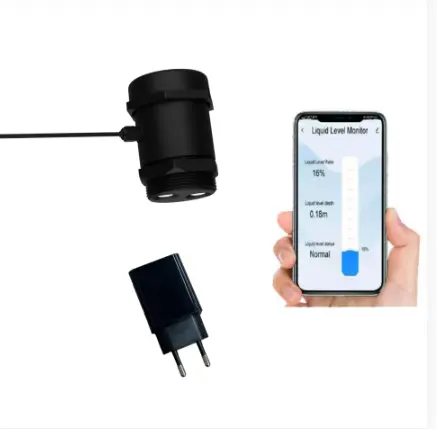
» タンク水位監視のための革新的なソリューション

タンク水位監視のための革新的なソリューション

6 月 16, 2026

Managing liquids—whether it is drinking water, agricultural fertilizers, industrial chemicals, or household heating fuel—is a critical task that leaves no room for guesswork. 何十年もの間, facility managers and homeowners relied on manual dipsticks and visual gauges to determine what was left inside their storage containers. 今日, the landscape has entirely transformed.

モダン タンク水位監視 relies on intelligent, automated systems that provide accurate, real-time insights. By leveraging advanced sensors and internet connectivity, we can now track inventory safely, 効率的, and remotely.

If you have ever wondered how to measure liquid level in a storage tank without climbing a ladder or risking exposure to hazardous materials, this guide explores the innovative technologies making it possible.

The Evolution of Liquid Measurement

The first step in upgrading any fluid management system is understanding the difference between contact vs non-contact measurement methods.

  • Contact methods involve sensors that physically touch the fluid, such as float switches or submersible pressure sensors. These are generally cost-effective and highly reliable for clean liquids like water.
  • Non-contact methods use waves (sound or electromagnetic) suspended above the liquid to measure distance. These are ideal for corrosive, 粘着性, or hazardous materials because the sensor never touches the fluid.

As industries push for better accuracy and lower maintenance, non-contact solutions and smart connectivity have become the gold standard.

Cutting-Edge Sensor Technologies

Choosing the right hardware is the foundation of effective タンク水位監視. Let’s explore some of the most popular and innovative sensor technologies used today.

Ultrasonic and Radar Sensors

If you are exploring non-contact solutions, you will likely find yourself comparing ultrasonic vs radar sensors for fluids.

まずは, how does an ultrasonic level sensor 仕事? It emits high-frequency sound waves from the top of the tank down to the liquid's surface. The sensor calculates the time it takes for the echo to bounce back, converting that time into a precise distance measurement. Ultrasonic sensors are incredibly popular for water and standard chemical tanks.

しかし, ultrasonic sound waves can be disrupted by heavy vapors, 泡, or extreme temperature fluctuations. This is where radar sensors shine. Radar uses electromagnetic waves, which easily cut through foam and vapor, making them the superior choice for volatile chemicals. さらに, radar is exceptional for the precision measurement of viscous liquids like syrups, heavy oils, and sludge, where a flat, clean surface is rarely present.

Hydrostatic Pressure Transmitters

For deep, narrow, or underground tanks, hydrostatic pressure transmitter applications are incredibly valuable. These sensors are submerged at the bottom of a tank and measure the pressure exerted by the column of liquid above them. Because the density of the liquid is known, the sensor can calculate the exact volume. They are robust, 高い信頼性, and relatively immune to surface foam or agitation.

The Power of Connectivity and IoT

Having a highly accurate sensor is only half the battle. The true innovation lies in how we collect and use that data. The integration of IoT smart sensors for liquid tracking has fundamentally shifted fluid management from a reactive chore to a proactive strategy.

Going Wireless

The adoption of wireless remote level sensing means that miles of expensive, easily damaged copper wiring are no longer necessary. Sensors can now transmit data via Wi-Fi, セルラーネットワーク, LoRaWAN, またはBluetooth.

This connectivity enables true 遠隔タンク監視, allowing a facility manager in New York to check the exact fuel levels of a generator tank in California from a smartphone. But it is not just for large enterprises. Everyday consumers benefit heavily from this tech, particularly through the use of a residential propane tank level monitoring system. Homeowners no longer have to trudge through the snow to check a dial; その代わりに, their local fuel provider monitors the tank remotely and schedules a refill long before the heat shuts off.

Cloud Integration

Modern systems rely heavily on cloud-based data logging and alerts. When your sensors are connected to the cloud, you unlock a suite of powerful features:

  • Historical Trends: Track seasonal usage spikes to budget more accurately.
  • インスタント通知: Receive an SMS or email if a tank drops below 20% or rises above 90%.
  • リーク検出: Identify abnormal drops in volume during off-hours, 漏れの可能性を示す信号.

Enhancing Safety, オートメーション, and Efficiency

When you integrate smart sensors with intelligent software, the benefits multiply, profoundly impacting safety and operational efficiency.

Preventing Spills and Equipment Damage

One of the most critical safety benefits of smart sensors is preventing fuel tank overfills. Overfilling a diesel or chemical tank can result in catastrophic environmental damage, massive fines, and dangerous fire hazards. High-level alarms connected to smart sensors can automatically trigger shut-off valves the moment the liquid reaches a dangerous threshold.

同様に, low levels can be just as damaging to equipment. By utilizing sensors for automatic pump control and dry run protection, systems can automatically shut down a pump before a tank runs completely dry. This prevents the pump motors from overheating and burning out, saving thousands of dollars in replacement costs and downtime.

Scaling Up: Enterprise and Municipal Solutions

For large-scale operations, sensor data can be directly fed into real-time inventory management software. This allows logistics teams to optimize delivery routes, ensuring trucks only visit sites that actually need a refill, dramatically cutting down on fuel and labor costs.

On an industrial level, integrating these sensors into industrial automation using SCADA systems (監督制御とデータ収集) allows operators to control complex manufacturing processes seamlessly. In municipal sectors, remote telemetry for water management helps cities monitor reservoir levels, manage wastewater treatment plants, and predict flood risks without dispatching crews to hundreds of different sites.

Best Practices for Selecting Your System

市場には非常に多くのオプションがあります, selecting the right setup requires careful consideration of your specific environment. Here are a few actionable tips:

  • Consider the Material: Choosing the right sensor for chemicals is paramount. If you are storing corrosive acids, ensure your sensor housing is made of chemically inert materials like PTFE or PVDF.
  • Evaluate the Environment: If your tanks are outdoors and exposed to extreme weather, ensure the sensors carry an appropriate IP67 or IP68 waterproof rating.
  • Assess Power Availability: If your tank is in a remote agricultural field without grid power, look for ultra-low-power IoT sensors equipped with long-lasting lithium batteries or small solar panels.
  • Plan for the Future: Choose a monitoring platform with an open API. Even if you only need a simple alert system today, you may want to integrate that data into broader inventory software tomorrow.

最終的な考え

The days of guessing, dipping, and hoping for the best are over. From simple water tanks to complex industrial chemical silos, the technology surrounding fluid management has never been more accessible or reliable. By adopting modern sensors and cloud connectivity, you can ensure continuous operations, protect expensive hardware, and streamline your supply chain. 最終的には, investing in smart liquid management is an investment in peace of mind.