초음파 액체 수위 센서의 장점
In the world of industrial automation and fluid management, accurate level measurement is the backbone of efficiency, 안전, 및 비용 관리. Whether you are managing municipal water treatment plants, agricultural irrigation reserves, or hazardous chemical storage, knowing the exact volume of liquid in a tank is non-negotiable. 수년에 걸쳐, technology has evolved rapidly, moving away from high-maintenance mechanical devices to sophisticated, solid-state solutions.

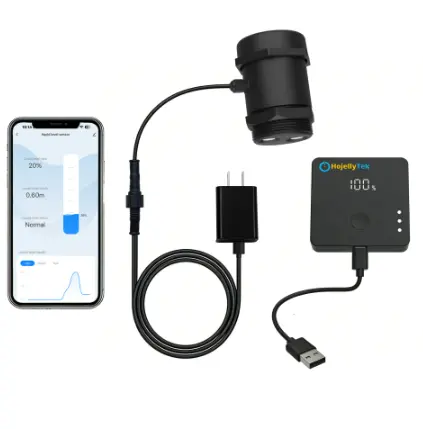
Among these modern innovations, 이 초음파 액체 수위 센서 stands out as a highly accurate, 다재 다능 한, and low-maintenance game-changer. By utilizing high-frequency sound waves, these devices provide continuous monitoring without ever touching the fluid. Let’s explore the core advantages of this technology, 작동 방식, and why it might be the perfect fit for your facility.
The Science Behind the Sensor
To truly appreciate the benefits of this technology, it helps to understand the underlying mechanics. If you have ever asked, "how do non-contact level transmitters work?" the answer lies in the elegant application of acoustics.
At the core of the device is advanced piezoelectric transducer technology for fluids. This electrical component converts electrical energy into high-frequency sound pulses (초음파) that are emitted downward toward the liquid’s surface. When these sound waves hit the fluid, they bounce back as echoes.
This brings us to the time-of-flight measurement principle explained: the sensor's microprocessor acts as a highly precise stopwatch. It measures the exact amount of time it takes for the sound pulse to travel to the liquid surface and return to the transducer. 공기 중의 음속은 알려진 상수이기 때문입니다, the sensor calculates the distance with pinpoint accuracy.
하지만, environmental conditions inside a tank are rarely static. The air above the liquid can heat up or cool down, which alters how fast sound travels. Modern sensors automatically compensate for the impact of temperature on sound velocity using built-in thermistors. This ensures that a sudden heatwave or a cold night shift won’t compromise the accuracy of your readings.
Unbeatable Advantages in Industrial Settings
Deploying an 초음파 센서 offers a wealth of practical benefits across a multitude of industrial tank level sensing applications. Here are the primary reasons facility managers are making the switch:
- Ultimate Safety for Harsh Chemicals: Because the sensor never physically contacts the fluid, it is the absolute safest method for measuring corrosive chemicals in tanks. Whether you are storing sulfuric acid, 가성소다, or aggressive solvents, you completely eliminate the risk of the liquid degrading your monitoring equipment.
- 움직이는 부품이 전혀 없습니다: Mechanical systems inevitably fail. Ultrasonic devices are highly reliable float switch alternatives for automation. Traditional floats are prone to jamming, 스케일링, and accumulating debris, leading to costly false alarms or overflow events. 움직이는 부분을 제거함으로써, maintenance requirements drop to near zero.
- Environmental Durability: Industrial environments can be punishing. 다행히, high-quality sensors are built to survive. By selecting devices with robust waterproof IP ratings for wastewater monitoring (such as IP67 or IP68), you ensure that your equipment will continue to perform flawlessly despite high humidity, splashing, or accidental submersion in sewage treatment facilities.
Making the Choice: Ultrasonic vs Radar Level Measurement
When upgrading tank monitoring systems, engineers frequently weigh the pros and cons of ultrasonic vs radar level measurement. 두 가지 모두 훌륭한 비접촉 기술입니다, but they serve different needs.
Radar sensors use electromagnetic microwaves rather than sound waves. This makes them impervious to extreme temperature fluctuations, 무거운 증기, 먼지, and foaming liquids. 하지만, radar systems are significantly more expensive and complex to configure.
For the vast majority of standard liquid storage scenarios—including water, 오일, and mild chemicals—an 초음파 액체 수위 센서 is vastly more cost-effective. It provides the same continuous, high-accuracy data as radar but at a fraction of the cost, making it the most sensible choice for typical industrial applications.
Crucial Considerations for Installation and Calibration
To get the most out of your 초음파 액체 수위 센서, proper physical installation and digital configuration are vital.
첫 번째, you must account for the sensor's "dead band" by accurately calculating sensor blind zone distance. The blind zone is the small space immediately below the transducer face where the sensor cannot properly transmit and receive an echo simultaneously. If a tank is overfilled into this blind zone, the sensor will output erratic or incorrect data. Always mount the sensor high enough to keep the maximum fluid level below this critical threshold.
Physical tank geometry also plays a role. If you are retrofitting a tall, restrictive container, look for a sensor featuring an adjustable beam angle for narrow vessel installation. By narrowing the acoustic beam, you prevent the sound waves from bouncing off the side walls, which can trigger inaccurate readings.
Once the physical installation is complete, you must perform a step-by-step calibration for digital level devices. This process generally involves programming the sensor's software with the specific geometry of your tank. You will need to define the "zero" 요점 (the distance from the sensor to the bottom of the empty tank) 그리고 "span" (the distance to the maximum fill level). Taking the time to properly calibrate ensures your control systems receive flawless volumetric data.
Troubleshooting and Advanced Connectivity
Even the best-planned systems occasionally run into snags. Troubleshooting signal interference in storage containers is a common hurdle during initial commissioning. False echoes are usually caused by physical obstructions inside the tank, such as structural beams, 사다리, or agitator blades. 다행히, most modern ultrasonic sensors feature built-in "echo mapping" 또는 "false echo suppression" 소프트웨어, which allows the device to learn the static acoustic profile of the empty tank and intentionally ignore echoes bouncing off permanent obstructions.
Once the sensor is reading accurately, getting that data into your wider control system is a breeze. Traditional 4-20mA analog output signal integration remains the robust, reliable standard for connecting sensors to Programmable Logic Controllers (PLC) and local control panels, allowing data to travel over long cable runs without signal degradation.
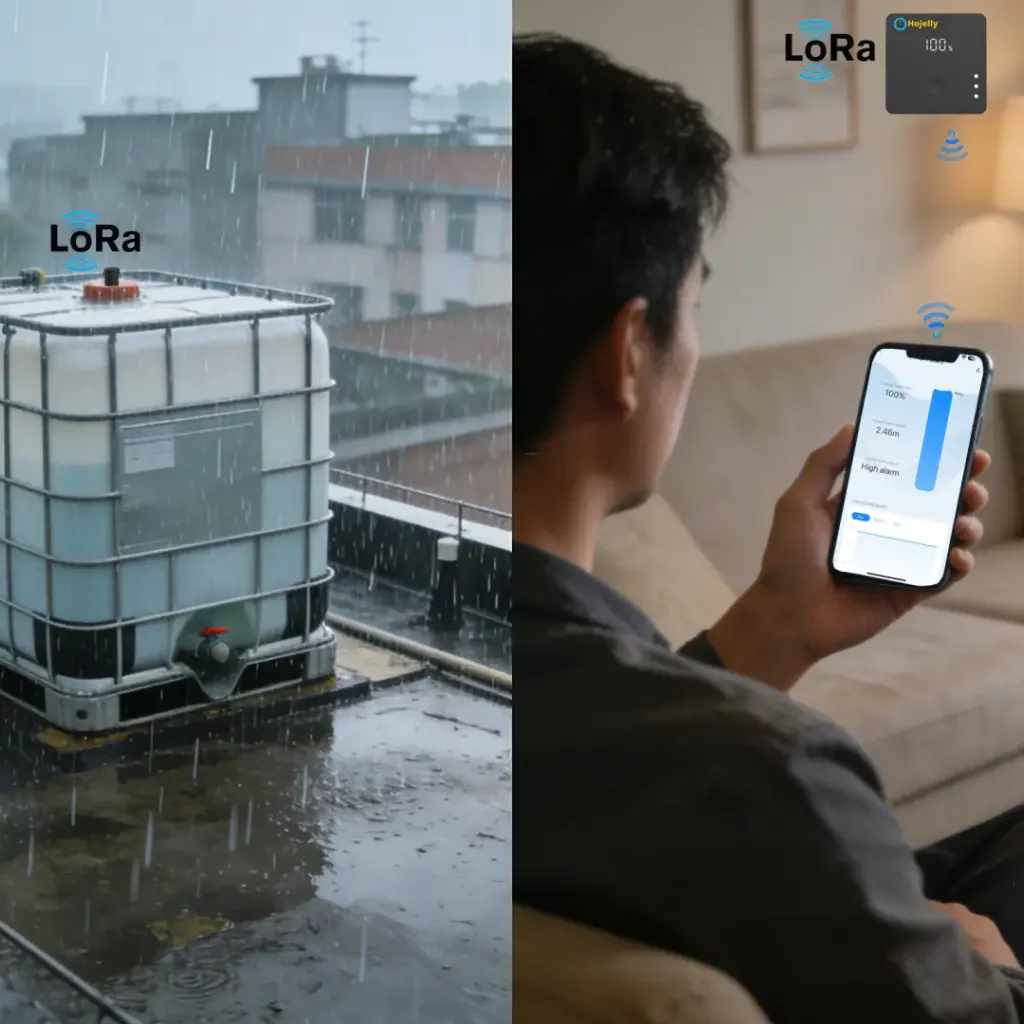
For forward-thinking operations looking to embrace Industry 4.0, these sensors can be seamlessly integrated into IoT-enabled remote tank monitoring systems. By connecting your level sensors to cloud-based cellular or Wi-Fi gateways, facility managers can access real-time tank data from a smartphone or laptop anywhere in the world. This allows for instant low-level text alerts, automated supplier reordering, and deep historical data analysis to optimize liquid usage and delivery logistics.
최종 소감
The transition to non-contact measurement is a foundational step toward smarter, 더 안전합니다, and more efficient industrial operations. By leveraging an ultrasonic liquid level sensor, facilities can eliminate the headaches of mechanical failures, safely monitor aggressive chemicals, and seamlessly integrate vital volumetric data into modern automated systems. Through careful installation, proper calibration, and an understanding of acoustic principles, these sensors provide a truly hands-off, highly reliable approach to fluid management.