
How To Use Water Level Sensors for Efficient Resource Management
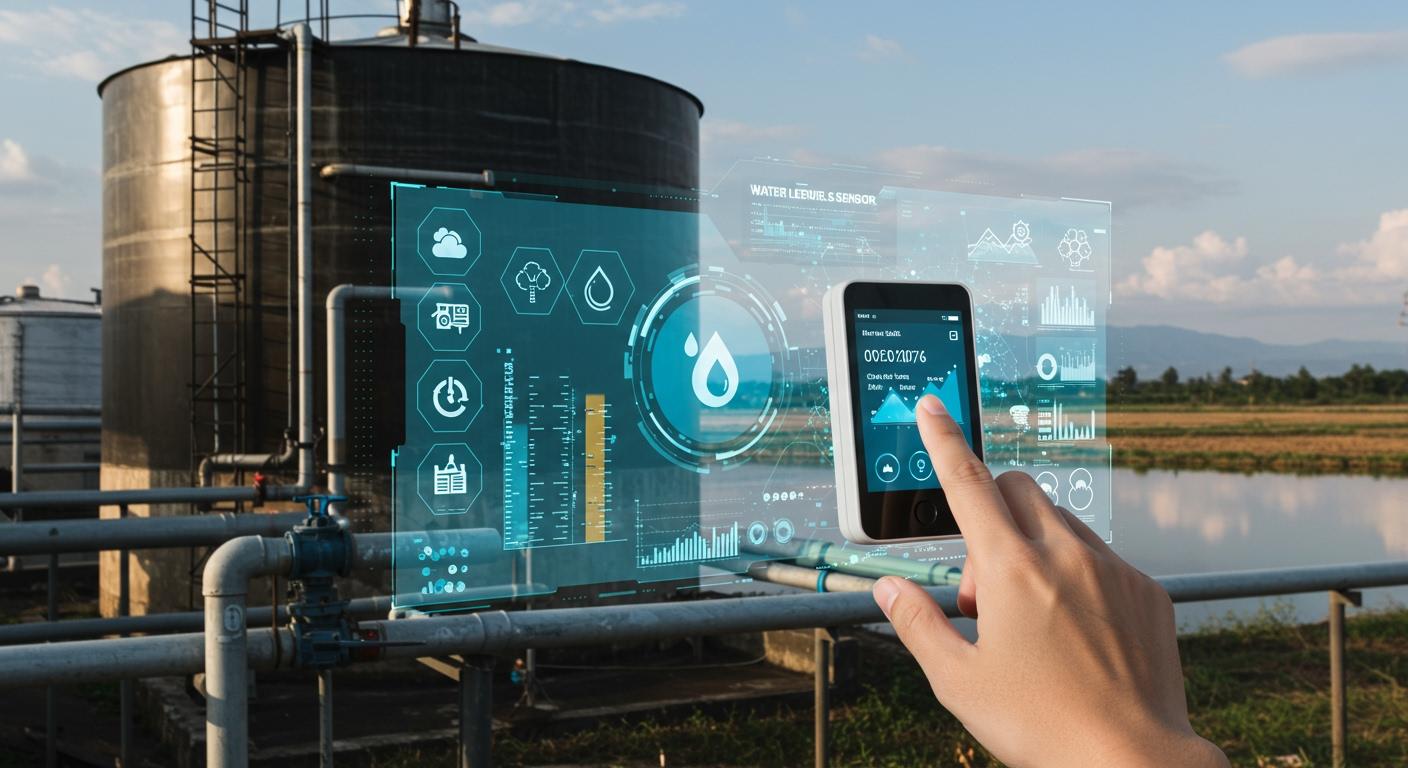
Water level sensors give you real-time data so you can manage water resources more efficiently. When you use level sensor water technology, you stop waste and save money.
- You lower maintenance costs by avoiding pump failures and overflow.
- Accurate measurements help you prevent water loss and use water only when needed.
- Automation lets systems work without your help, which saves more money.
In Charlotte, NC, smart sensors cut water loss by 400 million gallons. Farmers see up to 30% less water use. California almond growers save 20% on water and keep their crop yields strong.
Level Sensor Water Solutions for Resource Management
Preventing Water Waste and Flood
You can use level sensor water solutions to stop water waste and protect your property from flood. These sensors give you real-time data, so you always know how much water is in your tanks or reservoirs. When you spot leaks early, you save water and money. Many cities use these sensors to manage water supplies and prevent big losses.
- Real-time monitoring helps you track water levels every second.
- Leak detection lets you find problems before they get worse.
- Automated control systems use sensor data to move water only when needed.
Tip: If you manage a municipal water system, you can use level sensor water technology to optimize water distribution and reduce waste.
Flood warning systems rely on these sensors to give you early alerts. In coastal areas, real-time water level sensors help you see flood risks right away. You can use ultrasonic sensors and IoT technology for low-cost, remote monitoring. This setup helps you predict floods and protect your community.
Here are some common applications across industries:
| Application | Industries Involved |
|---|---|
| Monitoring Tank Levels | Water treatment, Oil and gas, Food processing |
| Controlling Industrial Processes | Manufacturing, Beverage production |
| Preventing Overflows | Wastewater treatment, Fuel storage, Chemical handling |
Automating Water Supply and Usage
Level sensor water solutions make it easy to automate your water supply. You do not have to check tanks by hand. The system turns pumps on or off based on the water level. This saves you time and keeps your water use efficient.
Automated systems come with many features:
| Key Feature | Description |
|---|---|
| Reliability | Sensors resist rust and do not break down easily. |
| Advanced Technology | Uses solid-state electronics and modular design. |
| Adaptability | Works with many tank sizes and types. |
| Easy Installation | Simple to set up and use. |
| LED Indicator Lights | Shows you the system status at a glance. |
| Press to Test | Lets you check if the system works with one button. |
| Built to Last | Strong construction for long life. |
| Warranty | Gives you peace of mind with a guarantee. |
| Superior Tech Support | Helps you solve problems quickly. |
You can choose from hydrostatic, radar, float, or ultrasonic sensors. These options fit many needs, from small tanks at home to large industrial systems. When you automate, you use water only when needed and avoid overflows.
Enhancing Reliability with Warning Systems
You can trust level sensor water solutions to keep your system safe and reliable. Warning systems use sensor data to alert you before problems happen. If water rises too high or drops too low, you get a warning right away.
Flood warning systems use radar and ultrasonic sensors to give you accurate readings, even in tough conditions. For example, radar sensors work well even if there is foam or vapor. Pressure transducers help you monitor wells and other deep water sources.
| Sensor Type | Benefits | Applications |
|---|---|---|
| Pressure Transducers | Great for monitoring water in test wells | Water level monitoring |
| Radar Sensors | Accurate even with foam or vapor present | Flood warning systems |
| Ultrasonic Sensors | Used in smart cities for real-time monitoring | Urban flood management |
You can use these warning systems in homes, factories, or cities. They help you act fast and avoid damage from flood or equipment failure. With level sensor water technology, you get peace of mind and better control over your resources.
Types of Water Level Sensors and Their Working Principles
Float Switch Water Level Sensors
You can use float switch water level sensors for simple and reliable control. These sensors have a mechanical float that moves up or down with the water. When the float reaches a set point, it triggers a switch. You often find float switches in sump pumps, water tanks, and wastewater plants.
Float switches work well in harsh conditions and are easy to install. You do not need special tools. They give you dependable results for basic applications.
Tip: Float switches are not the best choice for turbulent fluids or places where water moves quickly.
Advantages and Disadvantages:
| Advantages | Disadvantages |
|---|---|
| Simple and reliable | Not for turbulent fluids |
| Easy installation | Limited applicability |
| Effective in harsh conditions |
Ultrasonic Level Sensor Water Technology
Ultrasonic sensors use sound waves to measure the distance to the water surface. You can use a wifi ultrasonic liquid level sensor for remote monitoring water levels in tanks, reservoirs, or wells. The sensor sends out a sound wave, then measures how long it takes to bounce back.
This technology gives you non-contact readings, so you do not worry about corrosion or buildup. You get continuous data, which helps you manage water resources better.
A wifi ultrasonic liquid level sensor works well for smart homes and industrial systems. You can check water levels from your phone or computer.
- Non-contact monitoring
- Continuous readings
- Works with smart platforms
Note: Dust and foam can affect accuracy. Clean the sensor regularly for best results.
Capacitive and Conductive Water Level Sensors
Capacitive sensors measure changes in capacitance when water touches the probe. You use these sensors in home appliances and industrial tanks. They have no moving parts, so they last a long time.
Conductive sensors use probes to detect water by measuring electrical resistance. You find them in places where you need to sense water with high accuracy.
Both types give you quick responses and flexible installation options. You need to calibrate them for different liquids, because buildup can change readings.
Common Applications:
- Home appliances
- Industrial tanks
- Corrosive liquids
Callout: Capacitive sensors work well for high temperatures and corrosive liquids. Conductive sensors are best for clean water.
Pressure Transducer and Radar Sensors
Pressure transducer and radar sensors give you advanced ways to measure water levels. You can use these sensors in places where other types may not work well. Both options offer high accuracy and reliability for many water management tasks.
Pressure Transducer Sensors
A pressure transducer measures the force that water puts on a sensor at the bottom of a tank or well. The sensor changes this force into an electrical signal. You can use this signal to find out how much water is above the sensor. These sensors work well in deep wells, underground tanks, and rivers.
Key Benefits:
- Accurate readings, even in deep or narrow spaces
- Works in dirty or cloudy water
- Handles high pressure and tough conditions
Tip: You should install pressure transducers at the lowest point of your tank or well for the best results.
Radar Sensors
Radar sensors use radio waves to measure the distance from the sensor to the water surface. The sensor sends out a wave, which bounces off the water and returns. The sensor then calculates the water level based on how long the wave takes to return. You do not need to touch the water, so these sensors last a long time.
Advantages of Radar Sensors:
- Non-contact measurement (no parts touch the water)
- Works in tanks with foam, vapor, or changing temperatures
- Gives fast and accurate data
| Sensor Type | Best Use Cases | Special Features |
|---|---|---|
| Pressure Transducer | Deep wells, underground tanks | Handles high pressure, dirty water |
| Radar Sensor | Open tanks, rivers, flood zones | Non-contact, works with foam |
You can use these sensors in water treatment plants, flood warning systems, and industrial tanks. Radar sensors help you monitor rivers and reservoirs, even during storms. Pressure transducers give you reliable data in wells and closed tanks.
Note: Choose the right sensor for your needs. Think about the water conditions, tank depth, and how often you need to check levels.
Integrating Water Level Sensors with Smart Home and Industrial Systems
Selecting Compatible Water Level Sensors and Controllers
You want your water level sensors to work smoothly with your smart home ecosystem or industrial iot sensors. Start by thinking about what you need for your setup. Some sensors work better in homes, while others fit tough industrial jobs.
- Float sensors give you simple and cost-effective solutions. You use them for basic tank monitoring in your smart home ecosystem.
- Radar sensors perform well in places with foam, vapor, or changing temperatures. You choose these for industrial iot sensors in factories or water treatment plants.
- Ultrasonic sensors offer high accuracy without touching the water. You use them for smart home ecosystem setups and industrial iot sensors where you need clean, reliable data.
When you pick a sensor, look at these factors:
- Sensor range and accuracy
- Environmental conditions like temperature and humidity
- Brand reputation and product quality
- Extra features such as remote monitoring or alerts
- Durability and ease of installation
- Monitoring capabilities and safety features
- Long-term value for your system
You want a manufacturer that gives you a good warranty and a satisfaction guarantee. This helps you feel confident about your purchase. You also save money by preventing water damage and keeping your home or business safe. Your smart home ecosystem and industrial iot sensors last longer when you choose the right water level sensor.
Setting Up Sensor Hardware and Connectivity
You need to set up your sensor hardware the right way to get accurate readings. Follow these steps to make sure your water level sensors work well in your smart home ecosystem or industrial iot sensors network:
- Gather all tools and materials, including your water level sensors and mounting hardware.
- Pick the best spot for installation. Make sure the sensor can detect water levels accurately.
- Install the float switch sensor by securing it and connecting it to your pump controller.
- Test the sensor to check if it works as expected.
- For capacitive sensors, mount them, connect the wires, and test the system.
You can use cellular networks for remote monitoring. This gives you strong coverage and good bandwidth. Set up a private APN if you want extra security. You can also use a cloud database to store historical data from your iot water sensors.
Tip: Always protect sensor cables from animals and keep the area clean. This helps your sensors last longer and work better.
Connecting to Smart Home Platforms and Industrial SCADA/PLC
You can connect your water level sensors to smart home platforms or industrial SCADA/PLC systems for better control and monitoring. Your smart home ecosystem lets you see water levels on your phone or tablet. You get alerts if something goes wrong. In factories, industrial iot sensors link to SCADA or PLC systems for advanced supervision.
| Feature/Functionality | Description |
|---|---|
| Centralized Supervision | SCADA lets you monitor and control systems from far away. |
| Real-time Data Logging | SCADA records events and trends for analysis. |
| Operator Interface | HMI gives you a visual dashboard to check and adjust system settings. |
| Automated Control | PLC systems trigger actions based on programmed logic. |
| Anomaly Detection | Integrated systems help you spot problems quickly and fix them fast. |
Your smart home ecosystem uses iot water sensors to automate pumps and send alerts. You can set up rules to turn off water if a leak is detected. In industrial settings, industrial iot sensors help you track water usage, prevent floods, and keep your equipment safe.
Note: Always check that your sensors and controllers are compatible with your smart home ecosystem or industrial iot sensors network. This ensures smooth integration and reliable performance.
Monitoring, Alerts, and Flood Warning Systems
You need to monitor water levels to keep your property and community safe. Water level sensors help you watch for changes and send a warning when something is wrong. You can set up alerts to get a message on your phone or computer if water rises too high or drops too low. This helps you act fast and avoid damage.
How Monitoring Works
Water level sensors collect data all the time. The system checks this data and looks for early warning signs. If the water level goes above or below a safe range, the system sends a warning. You can use these warnings to stop pumps, close valves, or call for help.
Tip: Set your warning levels based on your needs. For example, you can set a low warning for a nearly empty tank and a high warning for a possible flood.
Types of Alerts
You can choose different types of alerts for your system:
- Visual Alerts: Lights or screens show you the status.
- Audible Alerts: Buzzers or alarms sound when there is a warning.
- Remote Alerts: Text messages, emails, or app notifications reach you anywhere.
A good system lets you pick more than one alert type. This way, you never miss a warning.
Flood Warning Systems
You can deploy flood warning systems to protect your home, business, or city. These systems use water level sensors to watch for rising water. When the sensors detect a problem, they send a warning right away. You get time to move people, protect equipment, or stop water flow.
| Alert Type | How It Helps You | Example Use Case |
|---|---|---|
| Visual | Shows warning on a control panel | Home water tank monitoring |
| Audible | Sounds alarm in the building | Factory flood warning |
| Remote | Sends warning to your phone | City flood warning systems |
Effective flood warning systems use more than one sensor and alert type. You get better coverage and faster response. You can connect these systems to smart home platforms or industrial control systems for even more control.
Setting Up Effective Flood Warning Systems
You need to plan your system for the best results. Place sensors in key spots, like basements, tanks, or near rivers. Test your warning system often to make sure it works. Keep your contact information up to date so you always get alerts.
Note: Regular checks help you spot early warning signs before they become big problems.
You can use data from your sensors to improve your warning settings. Look at past warnings to see if you need to change your alert levels. This helps you avoid false alarms and catch real dangers.
Why Monitoring and Alerts Matter
You protect your property and save money when you use warning systems. Fast warnings help you stop leaks, prevent floods, and keep your water supply safe. You can trust your system to give you the information you need, when you need it.
Callout: Many cities use effective flood warning systems to keep people safe during storms. You can use the same technology at home or work.
When you monitor water levels and set up strong warning systems, you get peace of mind. You know you will get a warning before a problem gets out of hand.
Best Practices for Efficient Water Level Sensor Water Management
Regular Maintenance and Calibration
You keep your water level sensors working well when you follow a good maintenance routine. You should check sensors often for damage, corrosion, or buildup. Clean your sensors and equipment as the manufacturer recommends. You need to recalibrate sensors from time to time to make sure they stay accurate.
- Inspect sensors for physical damage and corrosion.
- Clean sensors and equipment regularly.
- Recalibrate sensors to maintain accuracy.
If you use sensors in clean freshwater, you may only need to inspect them each season and clean them once a year. In places with dirty or contaminated water, you should check and clean sensors more often. This helps your water monitoring systems stay reliable.
Tip: Set a reminder for sensor checks so you never miss a maintenance task.
Data Logging, Analysis, and Warning Thresholds
You get the most value from water monitoring systems when you use data logging and analysis. Your system records water levels over time. You can look at this data to spot patterns or problems. Set warning thresholds so your system alerts you before water levels get too high or too low.
| Practice | Benefit |
|---|---|
| Data Logging | Tracks changes over time |
| Analysis | Finds leaks or unusual trends |
| Warning Thresholds | Sends alerts before problems |
You can adjust warning levels based on your needs. Review your data often to improve your system and prevent false alarms.
Automation Rules and System Security
You make your water monitoring systems smarter when you set up automation rules. You can program your system to turn pumps on or off when water reaches certain levels. This saves water and protects your property.
Security matters for every system. You should use strong access controls and multi-factor authentication. Keep your network safe by separating operational technology from IT networks. Encrypt data and update device firmware often. Train your team to spot threats and keep offline backups of important data.
- Use access controls and authentication.
- Segment networks to protect critical systems.
- Encrypt communications and update firmware.
- Keep offline backups and test recovery plans.
- Train staff and run security exercises.
Callout: Good security keeps your water monitoring systems safe from cyber threats and helps you recover quickly if something goes wrong.
Real-World Benefits and Use Cases of Water Level Sensors
Residential Water Tank and Flood Management
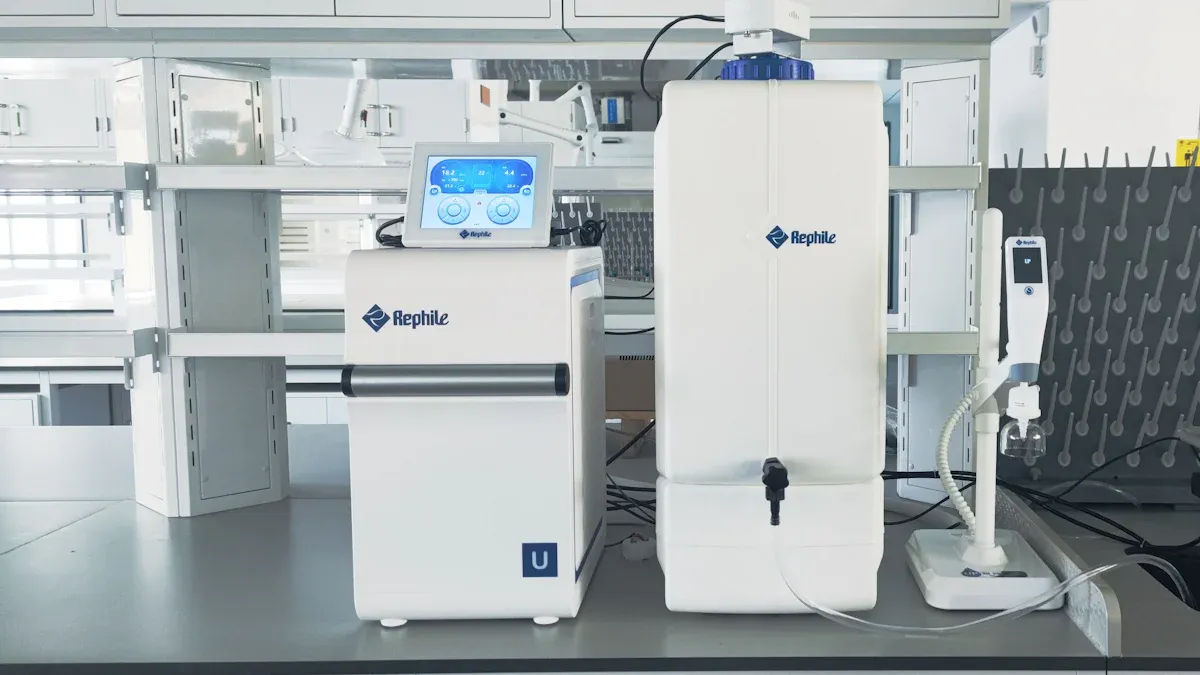
You can use water level sensors at home to save water and protect your property. Many homes and buildings rely on ground or elevated tanks for water storage. When you install a liquid level controller, it operates your water pump automatically. You do not need to check the tank by hand. The system uses three electrode sensors to monitor water levels, which helps you avoid over-spillage and dry running of pumps.
- The controller works on its own, saving power and reducing water waste.
- Continuous monitoring prevents leaks and keeps your system efficient.
- Real-time alerts help you act quickly if water levels change.
Leaky pipes and tanks waste up to 18% of treated water in the U.S. every day. Household leaks account for 900 billion gallons lost each year. IoT water management is growing fast, and real-time alerts can cut waste by up to 80%.
Flood sensors give you extra protection. These sensors monitor water levels and send notifications to your phone. You can place sensors in different areas for full coverage. Quick alerts help you respond and reduce damage costs.
| Feature | Benefit |
|---|---|
| Real-time monitoring | Immediate data on rising water levels |
| Alerts to smartphone | Timely action to prevent damage |
| Strategic placement | Safety across multiple areas |
Industrial Process Optimization and Warning Systems
You can improve industrial processes with water level sensors. Many factories use multi-step measurement systems to get accurate water level readings. These sensors help balance accuracy and power use. Some devices use solar charging to extend their lifetime and work efficiently.
- You get precise data for smart city applications.
- Power self-optimizing systems lower energy costs.
- Sensors help you monitor water levels and prevent equipment failures.
Warning systems based on water level sensors reduce risks in industrial settings. Real-time data lets you spot rising water levels early and prepare for flood events. Accurate measurements help you make good decisions and allocate resources during emergencies.
| Evidence | Explanation |
|---|---|
| Real-time data enables early flood warnings | You can prepare and take action to reduce risks in industrial environments. |
| Precise measurements ensure accurate predictions | Efficient resource allocation and safety during flood events. |
| Data analysis identifies flood patterns | Useful for urban planning and risk assessment. |
Agricultural Irrigation and Flood Prevention
You can use water level sensors to manage irrigation and prevent flood in agriculture. IoT technologies in irrigation have helped farmers optimize water use and boost productivity. Smart irrigation systems use data from soil moisture sensors to give precise recommendations. This prevents over-irrigation and under-irrigation, keeping crops healthy.
- Continuous data supports precision irrigation.
- Efficient water management protects soil and crops.
- Smart sensors can reduce irrigation water losses by over 50%.
Water level sensors also help prevent flood in fields. These sensors provide real-time data, which is critical for issuing timely warnings. Flood monitoring systems use water level sensors to track water, velocity, and rainfall. You can act quickly to protect your land and reduce the impact of flooding.
Tip: Place sensors in key locations to get the best coverage and protect your crops from flood risks.
Water level sensors give you real-time data for smart water management. You save money and protect resources by using these systems.
- You reduce water waste and lower repair costs.
- You adjust your habits to conserve water.
- You prevent overflows and cut water bills.
| Practice | Benefit |
|---|---|
| Sharing data with agencies | Faster flood response |
| Field checks and sensor verification | Reliable information |
| Setting alarms for weather and water levels | Early action before flooding |
You optimize water use and make better decisions with continuous monitoring. IoT integration lets you control pumps and valves remotely. These solutions help you build a safer, more sustainable future.
FAQ
How do water level sensors help you prevent water waste?
You use water level sensors for constant monitoring of tanks and reservoirs. These sensors alert you to potential leaks and overflows. You can set up systems that stop pumps when levels reach a limit. This process saves water and reduces costs.
Can you use water level sensors in industrial environments?
Yes, you can use sensors in industrial settings. These sensors work with monitoring systems to track water levels in real time. You improve safety and efficiency by using a combination of IoT sensor technologies. Many industrial plants rely on these solutions for daily operations.
What types of monitoring systems work best for flood prevention?
You get the best results with systems that use multiple sensors. These systems monitor water levels, detect potential leaks, and send alerts. You can connect them to environmental monitoring solutions for better protection. This setup helps you act quickly during emergencies.
How do you connect sensors to smart home or industrial systems?
You connect sensors to smart home hubs or industrial controllers. These systems collect data from sensors and display water levels. You can automate pumps and receive alerts. Many systems support remote monitoring, so you always know what happens at your site.
Why is regular monitoring important for water management?
Regular monitoring lets you spot changes in water levels early. You use sensors to track trends and find potential leaks. This process helps you maintain safe systems and avoid costly repairs. Monitoring also supports environmental monitoring solutions for long-term sustainability.


