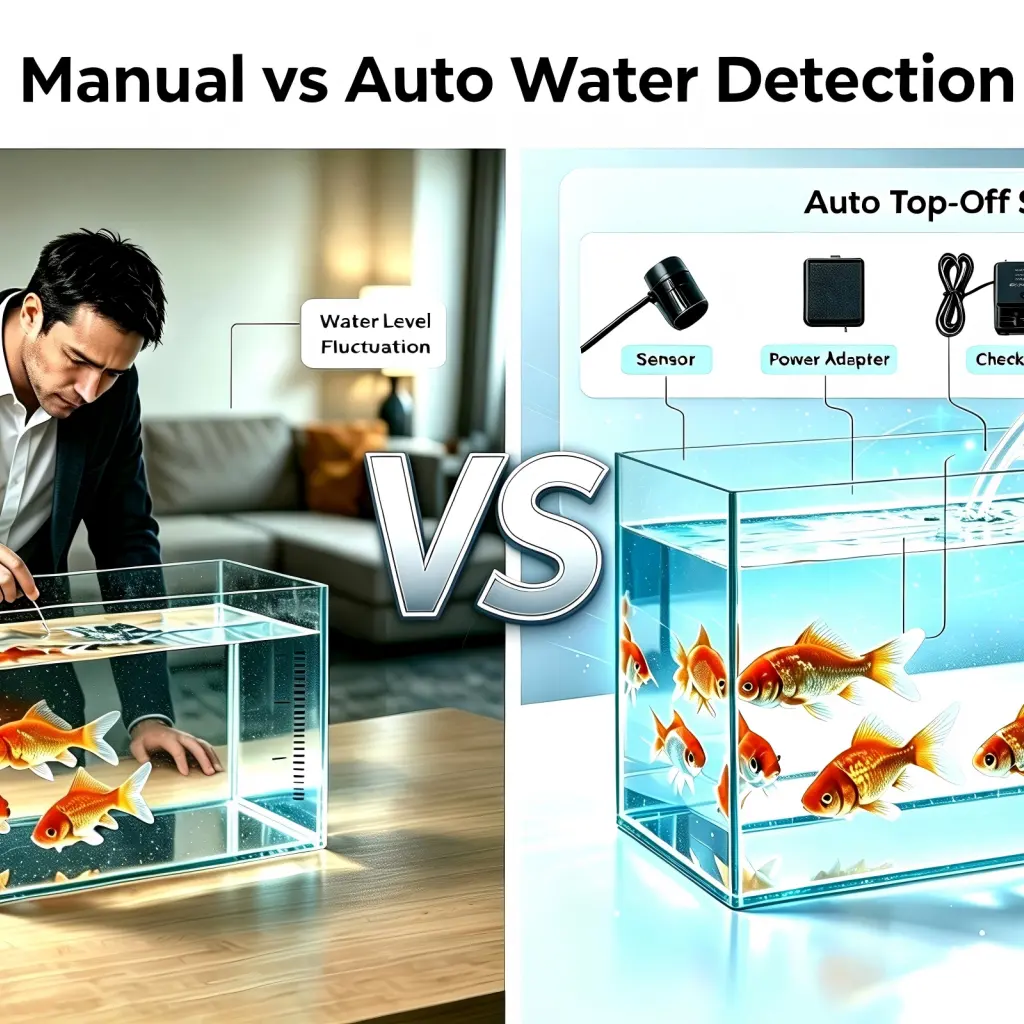
Maintaining Optimal Fish Tank Water Levels
Maintaining the right water level in a fish tank is crucial for fish health. It ensures a balanced ecosystem and supports the well-being of aquatic life.
Fish tank care involves more than just feeding fish. Proper water level management is a key aspect of fish tank maintenance.
Water levels can impact filtration efficiency and oxygenation. They also affect the overall health of the tank's environment.
Evaporation, temperature, and humidity can cause water levels to fluctuate. Regular monitoring helps prevent issues before they arise.
This guide will provide practical tips for maintaining optimal water levels. It will help you create a stable and healthy environment for your fish.
Why Fish Tank Water Level Matters
The importance of correct fish tank water levels goes beyond just appearance. Proper levels are essential for the health of your aquatic inhabitants. Insufficient or excessive water levels can lead to harmful conditions for fish and plants.
Water levels play a pivotal role in the tank's filtration system. They affect how efficiently filters remove waste and toxins. It’s critical to keep water levels steady to ensure optimal filtration and water quality.
Oxygenation in the tank also depends on water levels. Adequate water levels allow for proper gas exchange, keeping fish well-oxygenated. This reduces stress and promotes better health for your fish.
Here are key benefits of maintaining the right water level:
- Enhances filtration and maintains water quality.
- Improves oxygen availability for fish.
- Reduces risk of fish stress and health issues.
Mismanagement can lead to stress, disease, or even fish fatalities. Ensuring appropriate water levels is a simple yet effective measure for overall fish tank care.
Factors Affecting Water Levels in Fish Tanks
Water levels in fish tanks can fluctuate due to several factors. Understanding these is important for effective aquarium maintenance. Temperature and humidity are common influencers of water evaporation. High temperatures can increase evaporation rates significantly.
Besides evaporation, equipment setup and maintenance can cause changes in water levels. Leaks or faulty equipment may lead to unexpected water loss. Regular inspections help in identifying these issues early on.
Tank setup and decoration changes also impact water levels. For instance, adding large decorations can displace water and increase levels. Being mindful when making additions can prevent overflow.
Factors influencing water levels include:
- Temperature and humidity changes.
- Equipment malfunctions or leaks.
- Adding or removing tank decorations.
Being aware of these factors aids in maintaining optimal water levels, contributing to a healthier aquatic environment. Monitoring these elements ensures stability, preventing potential problems in your tank.
How to Monitor and Maintain the Correct Water Level
Monitoring your fish tank's water level is essential for maintaining a healthy environment. Regular checks will help you spot changes early and take action. Using a water level marker or gauge can simplify this process.
After identifying changes, adjustments to the water level are necessary. Topping off the tank with dechlorinated water helps compensate for evaporation. This ensures that water parameters remain stable, benefiting both fish and plants.
Conducting regular water changes is crucial for maintaining water quality. This process also helps remove accumulated toxins, creating a clean habitat. It's advisable to change 10-15% of the water weekly to maintain balance.
Here's a quick checklist to maintain optimal water levels:
- Check water levels weekly using a gauge.
- Top off evaporated water with dechlorinated water.
- Perform regular water changes to ensure quality.
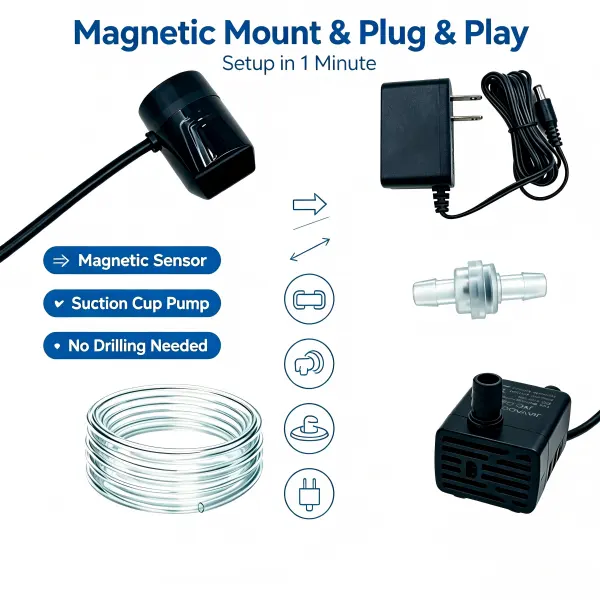
Consistent monitoring and adjustments ensure a thriving aquatic ecosystem. This not only supports fish health but also enhances the overall beauty of your aquarium. By following these steps, you can maintain a stable and stress-free environment for your aquatic life.
Common Problems Caused by Incorrect Water Levels
Improper water levels in your fish tank can lead to several issues. Overfilling might cause overflow, creating a mess and stressing the fish. On the other hand, underfilling can lead to equipment exposure and reduced filter efficiency.
Fish can become stressed if water levels are too high or too low. High levels can increase the chances of fish jumping out. Conversely, low levels can concentrate waste products, making the environment toxic.
Some common issues that arise from incorrect water levels include:
- Filtration system inefficiency
- Increased fish stress and risk of jumping
- Concentrated toxins due to low water levels
Regularly checking and maintaining the correct water level prevents these problems. By doing so, you ensure a healthy, balanced environment for your aquatic life. Keeping an eye on water levels is key to successful fish tank maintenance.
Practical Tips for Fish Tank Water Level Maintenance
Ensuring the right water level in your fish tank involves consistent monitoring and small adjustments. Regular inspection is crucial for maintaining a healthy ecosystem. Begin by establishing a routine to check water levels weekly.
Top off the tank with dechlorinated water to replace the evaporated amount. This prevents imbalances in water parameters and maintains quality. Remember to perform partial water changes regularly to remove toxins and refresh the environment.
Consider these tips to maintain optimal water levels:
- Use a water level marker for easy monitoring.
- Adjust water levels gradually to avoid shocking fish.
- Cover your tank to reduce evaporation and prevent jumps.

Developing a maintenance schedule can streamline your care routine. Document water level changes and note any adjustments. This will help you track tank stability and respond promptly to issues. An organized approach prevents lapses in care and ensures a thriving tank. Consistently applying these practices will create a stable habitat, supporting the well-being of your fish.
Tools and Technology for Easier Water Level Management
The right tools can simplify your fish tank maintenance routine significantly. Modern technology offers various solutions to manage water levels effortlessly. Utilizing these tools can help maintain consistency and reduce stress on your fish.
Consider incorporating the following tools into your tank care regimen:
- Automatic top-off systems: These maintain water levels automatically.
- Water level alarms: Alert you to drastic changes.
- Smart meters: Provide real-time data on water levels.

Using technology like smart meters can offer precise readings and insights into your tank's environment. These devices enhance awareness and allow for quicker interventions when issues arise. Implementing tech-based solutions can ensure a stable and comfortable habitat for your aquatic life, making fish tank maintenance more manageable.
Frequently Asked Questions About Fish Tank Water Levels
New aquarium enthusiasts often have questions about maintaining water levels. Understanding these basics can improve overall tank health. Here are answers to some common queries:
- Why does my water level change so fast? It could be due to evaporation or leaks.
- How often should I check water levels? Weekly checks are usually sufficient for most tanks.
- Can water levels affect fish health? Yes, incorrect levels can stress fish and impact their health.
By addressing these questions, aquarists can better manage their tanks, ensuring a thriving aquatic environment. Ongoing learning and adaptation are essential for successful fish tank maintenance.
Conclusion: Prioritizing Fish Tank Care Through Water Level Maintenance
Maintaining the right fish tank water level is crucial for a thriving aquatic environment. Proper management ensures fish well-being and a stable ecosystem. By prioritizing this aspect of fish tank care, you contribute significantly to a healthy and balanced habitat. Regular attention to water levels fosters long-term success.