Te Mārama ki ngā Pūoko Taumata Wai Ōmata: He Aratohu
Ka pēhi koe i te pātene tīmata i tō mīhini espresso, ā, ka kikimo te rama whero hei whakatūpato i a koe kua iti te wai. Me pēhea e kitea ai e taua ipu kirihou te wai me te kore wāhanga nekeneke? Ko te mea ngaro e takoto ana i roto i tētahi kurupae iti o te mārama ariari e mahi ana hei ārai huna.
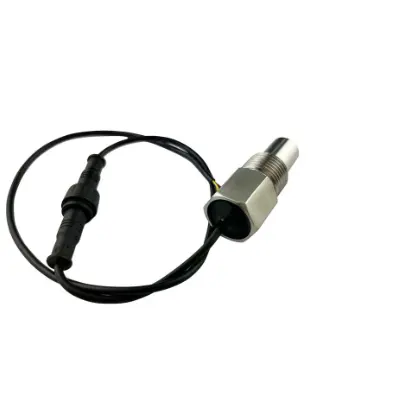
Mō ngā tekau tau, te kimi wai e hiahiatia ana he pōro mīhini māngi, rite tonu ki te whakakā mānu i roto i te kura wharepaku. E ai ki ngā kaipūkaha taputapu, I te mutunga ka tāmi, ka pakaru rānei ēnei wāhanga pūkaha. Nā tēnei rangirua i āki tētahi neke nui o te umanga ki tētahi pūoko taumata wai pono ake e mōhiotia ana ko te pūoko mārō.
Nā te mea kāore he wāhanga nekeneke, he pūoko taumata wai ōmata e kore rawa e pau. Mā te aroturuki i te mārama, kaua ko ngā mānu ōkiko, ka ārai mārire i te waipuke o te whare mō ngā tau.
Te "pōro tāwhana" Tinihanga: Me pēhea te Kimi Wai a te Mārama
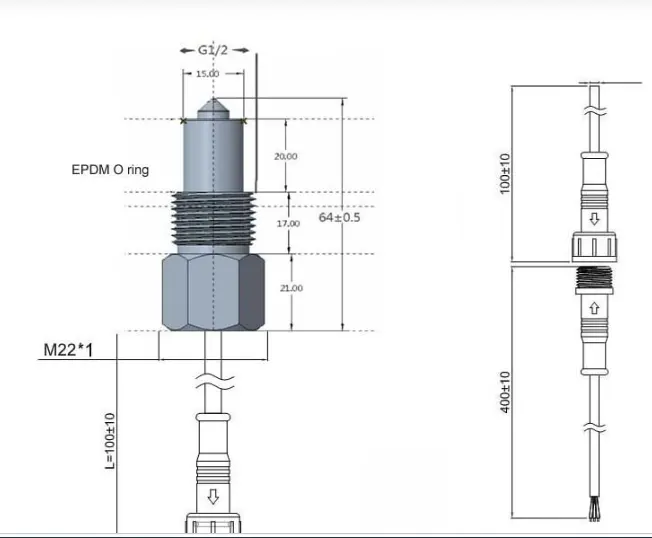
He tikanga mātauranga te haurapa taumata whakaahua e takirua ana i tētahi pūoko iti "whatu" me te pūrama e whakaputa ana i te pōkākā—he momo mārama ngāwari e kore e kitea e te tangata.
Ina putu te kura, Ka mahia e tēnei pūnaha tētahi māminga āhuahanga ātaahua. Whakaarohia te maka i te pōro tāwhana ki tētahi pōro mārō, pakitara koki. Nā te mea kua karapotia katoatia te pito o te pūoko e te hau, Ka tino tāwhana te kurupae mārama i roto i te pūkoro kirihou, ā, ka tuki ki te kaiwhiwhi hei tohu kua maroke te kura.
Ka neke ngā mea katoa i te wā e taupoki ana te wai i taua pito. Mēnā kua kite koe i tētahi kakau witi, ka piko whakamīharo ki roto i te karaihe wai, Kei te mārama kē koe ki te mātāpono tāhapa rama pōkākā. Ka whakapiko ā-tinana te wai i te mārama, huri ā-ringa i tō tātau mārō "pakitara" paru ngohengohe. Kaua e tāwhana whakamuri, ka mawhiti hāngai atu te kurupae mārama ki roto i te wai, waiho ana te pūwhiwhi ā-roto ki te pouri katoa.
Ka waihangatia e tēnei taka ohorere o te mārama he inamata, inenga taumata pūwāhi kotahi tino pono e ārai ana i te maroke o ō taputapu. Mā te whakawhirinaki katoa ki te rama tāwhana, kaua ki te bobber kirihou māngi, ka huri i te whaikikotanga, E tohu hāngai ana ki te take he kōwhiringa pai ake te pūoko kāore he wāhanga nekeneke.
He aha te pūoko kāore he wāhanga nekeneke e pai ake ai
Ko ngā pūoko pūkaha e whakawhirinaki ana ki ngā hinge ōkiko, ki ngā kōwhiti rānei, ka tāmi, okiokinga, whati rānei. Ina whakataurite koe i tētahi whakakā mānu ki te pūoko mārō—arā, he pūrere hiko me ngā wāhanga nekeneke kore—ka toa te tikanga ōmata ā-mārama i runga i te mauroa o ia rā.
Nā te mea e whakawhirinaki ana rātou ki te kurupae o te mārama ariari, kaua ki te bobber ōkiko, E toru ngā whakamohoatanga nui o ēnei pūrere hōu i runga i ngā hoahoa pūkaha tawhito ake:
- Whaikikotanga: Kāore he wāhanga ōkiko hei hopu, hei mau pūmau rānei, he tino pai rawa rātou, Ngā tikanga haurapa wai tautiaki-iti e mahi tika ana mō ngā tau.
- Rahi:: He ngāwari noa iho te uru o te kurupae rama ōmata iti ki roto i ngā mīhini kiato i reira he nui, E kore e taea e te mānu neke.
- Te Mā: Maheni, Ka whakakore ngā aki kirihou tino hiri i ngā hinge huna me ngā whāwhā e hanga ai ngā kohuke wai mārō, huakita rānei.
He mea nui te pupuri i ngā mea hauora mō ngā mea katoa e pā ana ki te kai, ki te hauora rānei. Mā te huna i ngā hiko tairongo i muri i tētahi ārai hiri, Ka whakapūmautia e te hangarau pūoko wai kore whakapā te wai inu kia tino mā me te tiaki i te pūrere i te waipuke. Ko tēnei whakaranu tōtika o te hauora tino pai me te mauroa mo te wā roa e whakamārama ana he aha i whakawhirinaki ai rātou ki ngā wāhi katoa, mai i ngā kura ika ki ngā turuturu IV.
Mai i ngā Kura Ika ki ngā Turuturu IV: Ngā Taupānga Motuhake
Kaua e ine i ia pata mai i te kī ki te wātea, Ka mahi ēnei pūrere hei rohenga ka whakaoho anake ina tuki te wai ki tētahi wāhi motuhake. E mārama ana ngā painga o te pūnaha aroturuki taumata ira ina titiro ki tō rātou ngāwaritanga. Mēnā e hiahia ana koe ki te mōhio me pēhea te tāuta i ngā whakakā taumata ira, he ngāwari noa iho te tukanga: ka miro haumaru mā roto i tētahi puare iti i te pakitara o te kura. Mā te whakatū i tētahi ki runga e ārai i te waipuke, i te whakatakoto i tētahi ki raro ka aukati i te maroke o te mīhini.
Nā te mea ka whakamahia e rātou te mārama ariari, kaua ko ngā taputapu neke, Ka tino pai ēnei pūoko i roto i ngā taiao tairongo rawa:
- Ngā Raina Rongoā: I ngā hōhipera, He mea nui te kite mirumiru i roto i ngā raina wai; Ka kite inamata ngā pūoko ōmata ina haukotia e ngā pūkoro hau mōrearea te rere wai i roto i tētahi ngongo IV.
- Ngā Dispensers Inu: Ka whakamahia e ngā kaihanga kawhe arumoni ngā rauemi whare pūoko kōeke kai motuhake, me mātua whakarite kāore he paitini e waipiro ki roto i te inu.
- Ngā Aquariums: Maheni, Ko ngā aki konganuku-kore e āta tirotiro haumaru ana i ngā taumata wai me te kore waikura, tūkino rānei i ngā ika mārire.
E whakaatu ana tēnei urutaunga mātauranga ka taea e te kurupae mārama te pare ngāwari i ngā pūrere, Ngā Mōkai, me te hauora. Heoi anō, i te mea he tino pūataata te aki pūoko kirihou me te wai, ka puta mai he pātai mārama: Ka taea te mārama "tiro" mā te wai mārama me ngā matū?
Ka Tino Mārama "Tirohia" Mā te Wai Mārama me ngā Matū?
I ētahi wā ka pātai mai ngā tāngata mēnā ka taea e ngā pūoko pōkākā te kite i ngā wai mārama pēnei i te wai mā, i te waipiro rānei. Tino Tika. I te mea e whakawhirinaki katoa ana te pūrere ki te tāruatanga—he pēhea te piko o te mārama—kaua ko te tae, te pouri rānei, ka whakaoho inamata te wai pūataata. He ngāwari noa iho te mawhiti o te kurupae ariari ki roto i te wai ina whakapā atu, Te huri ana i te tohu o te pūoko.
E ora noa ana tēnei hoahoa mārō i ngā āhuatanga kino. Kāore he wāhanga nekeneke ngohengohe, Ko ēnei wae uaua e whakahaere ana i te inenga taumata matū pēhanga tiketike me te kore e kuru. E tino whakawhirinaki ana ngā pūnaha haumaru ki ēnei kurupae ariari mō te ārai waipuke o te kura mahi, te whakarite kia noho haumaru tonu ngā wai mōrearea. Mā tō rātou manawanui puta noa i ngā pūrere kāinga me ngā tautuhinga tino taumaha ka māmā te tīpako i te pūoko tika ā muri ake nei.
Tīpako ana i tō pūoko whakatika-ā muri ake: He Aratohu Whakatau Hipanga 3
Ina tūhura i te pūoko ultrasonic vs photoelectric mō tētahi kaupapa, Kōwhiria te utauta tika mā te whakamahi i tēnei rārangi arowhai tere:
- Momo wai: Whakaū i te hototahitanga ki ngā rauemi whare o te pūoko.
- Rauemi kura: Whakaarohia me pēhea te whakatū me te hiri i te pūoko.
- Tūhononga hiko: Manatokona te momo ngaohiko me te momo huaputa e hiahiatia ana mō te pūnaha.
I te wā e waea ana taumata wai He mea noa iho ngā whakawhiti ki ngā wae PLC i roto i ngā wheketere nunui, Ko te tikanga e toru noa iho ngā waea taketake e hiahiatia ana e tētahi tatūnga kāinga paerewa. Mā te whakamohoa ki tēnei hangarau mārō e tuku ana i te uara wā roa whakamīharo. Kua tāuta tikahia, ko ēnei pūoko e whakarato ana i ngā tau o te whaikikotanga koreutu.: He Aratohu
Ka pēhi koe i te pātene tīmata i tō mīhini espresso, ā, ka kikimo te rama whero hei whakatūpato i a koe kua iti te wai. Me pēhea e kitea ai e taua ipu kirihou te wai me te kore wāhanga nekeneke? Ko te mea ngaro e takoto ana i roto i tētahi kurupae iti o te mārama ariari e mahi ana hei ārai huna.
Mō ngā tekau tau, te kimi wai e hiahiatia ana he pōro mīhini māngi, rite tonu ki te whakakā mānu i roto i te kura wharepaku. E ai ki ngā kaipūkaha taputapu, I te mutunga ka tāmi, ka pakaru rānei ēnei wāhanga pūkaha. Nā tēnei rangirua i āki tētahi neke nui o te umanga ki tētahi wāhi pono ake pūoko taumata wai e mōhiotia ana ko te pūoko mārō.
Nā te mea kāore he wāhanga nekeneke, E kore rawa e pau te pūoko taumata wai ōmata. Mā te aroturuki i te mārama, kaua ko ngā mānu ōkiko, ka ārai mārire i te waipuke o te whare mō ngā tau.
Te "pōro tāwhana" Tinihanga: Me pēhea te Kimi Wai a te Mārama
He tikanga mātauranga te haurapa taumata whakaahua e takirua ana i tētahi pūoko iti "whatu" me te pūrama e whakaputa ana i te pōkākā—he momo mārama ngāwari e kore e kitea e te tangata.
Ina putu te kura, Ka mahia e tēnei pūnaha tētahi māminga āhuahanga ātaahua. Whakaarohia te maka i te pōro tāwhana ki tētahi pōro mārō, pakitara koki. Nā te mea kua karapotia katoatia te pito o te pūoko e te hau, Ka tino tāwhana te kurupae mārama i roto i te pūkoro kirihou, ā, ka tuki ki te kaiwhiwhi hei tohu kua maroke te kura.
Ka neke ngā mea katoa i te wā e taupoki ana te wai i taua pito. Mēnā kua kite koe i tētahi kakau witi, ka piko whakamīharo ki roto i te karaihe wai, Kei te mārama kē koe ki te mātāpono tāhapa rama pōkākā. Ka whakapiko ā-tinana te wai i te mārama, huri ā-ringa i tō tātau mārō "pakitara" paru ngohengohe. Kaua e tāwhana whakamuri, ka mawhiti hāngai atu te kurupae mārama ki roto i te wai, waiho ana te pūwhiwhi ā-roto ki te pouri katoa.
Ka waihangatia e tēnei taka ohorere o te mārama he inamata, inenga taumata pūwāhi kotahi tino pono e ārai ana i te maroke o ō taputapu. Mā te whakawhirinaki katoa ki te rama tāwhana, kaua ki te bobber kirihou māngi, ka huri i te whaikikotanga, E tohu hāngai ana ki te take he kōwhiringa pai ake te pūoko kāore he wāhanga nekeneke.
He aha te pūoko kāore he wāhanga nekeneke e pai ake ai
Ko ngā pūoko pūkaha e whakawhirinaki ana ki ngā hinge ōkiko, ki ngā kōwhiti rānei, ka tāmi, okiokinga, whati rānei. Ina whakataurite koe i tētahi whakakā mānu ki te pūoko mārō—arā, he pūrere hiko me ngā wāhanga nekeneke kore—ka toa te tikanga ōmata ā-mārama i runga i te mauroa o ia rā.
Nā te mea e whakawhirinaki ana rātou ki te kurupae o te mārama ariari, kaua ki te bobber ōkiko, E toru ngā whakamohoatanga nui o ēnei pūrere hōu i runga i ngā hoahoa pūkaha tawhito ake:
- Whaikikotanga: Kāore he wāhanga ōkiko hei hopu, hei mau pūmau rānei, he tino pai rawa rātou, Ngā tikanga haurapa wai tautiaki-iti e mahi tika ana mō ngā tau.
- Rahi:: He ngāwari noa iho te uru o te kurupae rama ōmata iti ki roto i ngā mīhini kiato i reira he nui, E kore e taea e te mānu neke.
- Te Mā: Maheni, Ka whakakore ngā aki kirihou tino hiri i ngā hinge huna me ngā whāwhā e hanga ai ngā kohuke wai mārō, huakita rānei.
He mea nui te pupuri i ngā mea hauora mō ngā mea katoa e pā ana ki te kai, ki te hauora rānei. Mā te huna i ngā hiko tairongo i muri i tētahi ārai hiri, Ka whakapūmautia e te hangarau pūoko wai kore whakapā te wai inu kia tino mā me te tiaki i te pūrere i te waipuke. Ko tēnei whakaranu tōtika o te hauora tino pai me te mauroa mo te wā roa e whakamārama ana he aha i whakawhirinaki ai rātou ki ngā wāhi katoa, mai i ngā kura ika ki ngā turuturu IV.
Mai i ngā Kura Ika ki ngā Turuturu IV: Ngā Taupānga Motuhake
Kaua e ine i ia pata mai i te kī ki te wātea, Ka mahi ēnei pūrere hei rohenga ka whakaoho anake ina tuki te wai ki tētahi wāhi motuhake. E mārama ana ngā painga o te pūnaha aroturuki taumata ira ina titiro ki tō rātou ngāwaritanga. Mēnā e hiahia ana koe ki te mōhio me pēhea te tāuta i ngā whakakā taumata ira, he ngāwari noa iho te tukanga: ka miro haumaru mā roto i tētahi puare iti i te pakitara o te kura. Mā te whakatū i tētahi ki runga e ārai i te waipuke, i te whakatakoto i tētahi ki raro ka aukati i te maroke o te mīhini.
Nā te mea ka whakamahia e rātou te mārama ariari, kaua ko ngā taputapu neke, Ka tino pai ēnei pūoko i roto i ngā taiao tairongo rawa:
- Ngā Raina Rongoā: I ngā hōhipera, He mea nui te kite mirumiru i roto i ngā raina wai; Ka kite inamata ngā pūoko ōmata ina haukotia e ngā pūkoro hau mōrearea te rere wai i roto i tētahi ngongo IV.
- Ngā Dispensers Inu: Ka whakamahia e ngā kaihanga kawhe arumoni ngā rauemi whare pūoko kōeke kai motuhake, me mātua whakarite kāore he paitini e waipiro ki roto i te inu.
- Ngā Aquariums: Maheni, Ko ngā aki konganuku-kore e āta tirotiro haumaru ana i ngā taumata wai me te kore waikura, tūkino rānei i ngā ika mārire.
E whakaatu ana tēnei urutaunga mātauranga ka taea e te kurupae mārama te pare ngāwari i ngā pūrere, Ngā Mōkai, me te hauora. Heoi anō, i te mea he tino pūataata te aki pūoko kirihou me te wai, ka puta mai he pātai mārama: Ka taea te mārama "tiro" mā te wai mārama me ngā matū?
Ka Tino Mārama "Tirohia" Mā te Wai Mārama me ngā Matū?
I ētahi wā ka pātai mai ngā tāngata mēnā ka taea e ngā pūoko pōkākā te kite i ngā wai mārama pēnei i te wai mā, i te waipiro rānei. Tino Tika. I te mea e whakawhirinaki katoa ana te pūrere ki te tāruatanga—he pēhea te piko o te mārama—kaua ko te tae, te pouri rānei, ka whakaoho inamata te wai pūataata. He ngāwari noa iho te mawhiti o te kurupae ariari ki roto i te wai ina whakapā atu, Te huri ana i te tohu o te pūoko.
E ora noa ana tēnei hoahoa mārō i ngā āhuatanga kino. Kāore he wāhanga nekeneke ngohengohe, Ko ēnei wae uaua e whakahaere ana i te inenga taumata matū pēhanga tiketike me te kore e kuru. E tino whakawhirinaki ana ngā pūnaha haumaru ki ēnei kurupae ariari mō te ārai waipuke o te kura mahi, te whakarite kia noho haumaru tonu ngā wai mōrearea. Mā tō rātou manawanui puta noa i ngā pūrere kāinga me ngā tautuhinga tino taumaha ka māmā te tīpako i te pūoko tika ā muri ake nei.
Tīpako ana i tō pūoko whakatika-ā muri ake: He Aratohu Whakatau Hipanga 3
Ina tūhura i te pūoko ultrasonic vs photoelectric mō tētahi kaupapa, Kōwhiria te utauta tika mā te whakamahi i tēnei rārangi arowhai tere:
- Momo wai: Whakaū i te hototahitanga ki ngā rauemi whare o te pūoko.
- Rauemi kura: Whakaarohia me pēhea te whakatū me te hiri i te pūoko.
- Tūhononga hiko: Manatokona te momo ngaohiko me te momo huaputa e hiahiatia ana mō te pūnaha.
Ahakoa he mea noa iho te whakawhiti taumata wai ki ngā wae PLC i roto i ngā wheketere nunui, Ko te tikanga e toru noa iho ngā waea taketake e hiahiatia ana e tētahi tatūnga kāinga paerewa. Mā te whakamohoa ki tēnei hangarau mārō e tuku ana i te uara wā roa whakamīharo. Kua tāuta tikahia, Mā ēnei pūoko e whakarato i ngā tau o te whaikikotanga kore-tautiakitanga.