Ngā painga o ngā pūoko taumata ultrasonic i roto i te umanga
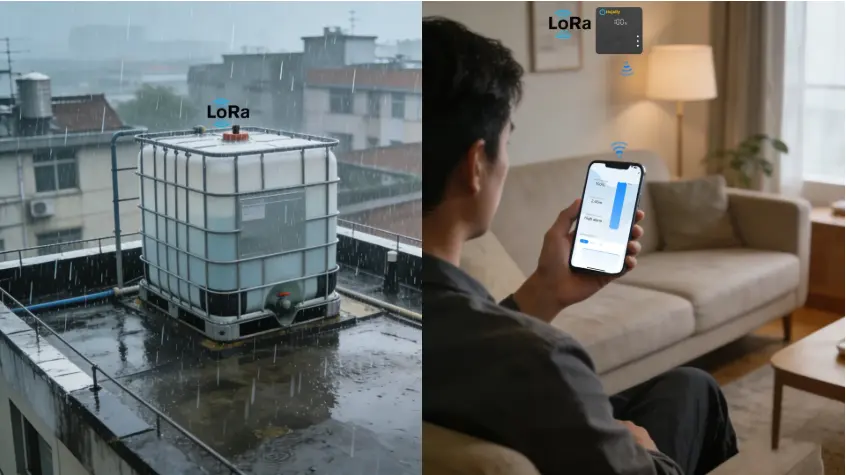
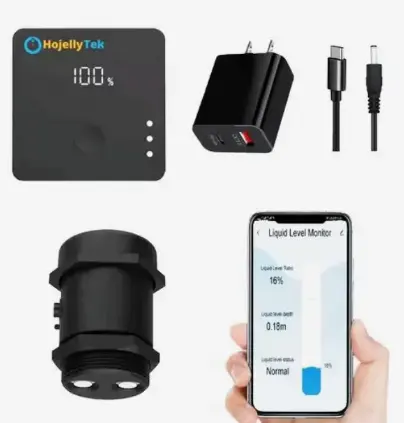
I roto i ngā taiao tukatuka tere me ngā taiao whakanao o tēnei rā, He tino nui te whakahaere rarangi pū me te mana tukanga. Ina titiro ngā kaiwhakahaere pūkenga ki te arotau i ā rātou mahi, Me kōwhiri rātou mai i ngā pūoko mahi nui. I waenganui i ēnei, Te pūoko taumata ultrasonic kua puta mai hei hangarau tūāpapa mō te whakahaere wai me ngā rauemi o nāianei. Te tuku i te whaikiko me te haumaru tino pai, Ko te pūoko ultrasonic he rongoā tino pai mō te aroturuki i ngā rarangi me te kore e pā ki te hua.
Ahakoa kei te whakahaere koe i ngā pūkenga rongoā wai, kei te tukatuka rānei i ngā matū pākaha, Mā te mārama ki ngā painga tūturu o tēnei hangarau e āwhina i a koe ki te whakapai ake i te tōtika whakahaere.
Nga Mīhini Uho: He pēhea te mahi?
Kia whakamīharo ki tō rātou uara, Ka āwhina ki te mārama tuatahi me pēhea te ine i te tawhiti o ngā pūoko acoustic. E whakawhirinaki ana te mahi ki te wā o te mātāpono rererangi i roto i te taumata taumata. Ka whakaputa te pūrere i ngā ngaru oro auau-tiketike (i runga ake i te awhe o te rongo tangata) whakararo ki te mata o te rauemi. I te tūtukitanga o ēnei ngaru oro ki te mata, ka tāwhana anō rātau hei pāoro ki te pūoko.
Ka tātaitia e te pūtukatuka moroiti papamahi te wā tūturu kia haere whakararo te tohu me te hoki mai. Nā te mea e mōhiotia ana te tere o te oro i te hau, Ka whakamāoritia tēnei inenga wā ki tētahi tawhiti tino pū. Hoianō, nā te mea ka tārere te tere o te oro i runga anō i te pāmahana o te hau taiao, Kua whakarahia ngā pūrere mārō ki ngā āhuahira utu pāmahana aunoa. Mā tēnei e whakarite kia tino tika tonu te tātaitanga tawhiti ahakoa ngā huringa āhuarangi, te wera tukanga rānei.
Ngā Painga Nui o ngā Pūoko Taumata Ultrasonic
Ko te tānga matua o tētahi pūoko taumata ultrasonic ko tōna kaha ki te mahi i te inenga taumata wai kore-whakapā. Mā te whakaparo i runga ake i te rauemi, Ka karohia katoatia e te pūoko te tauwhitinga ōkiko ki te pāpāho tukanga. He maha ngā painga motuhake o tēnei:
- Te mauroa tōtika i roto i ngā taiao pākaha: Nā te mea e kore rawa te pūrere e pā atu ki te wai, koia te rongoā tino pai mō te ine i ngā taumata i roto i ngā kura matū waikura. waikawa, pukupuku, ā, ko ngā wai tino tauhohe e tere ai te whakaiti i ngā mānu pūkaha, i ngā pūtuku pēhanga rānei, kāore he tuma ki tētahi pūrere whakapā kore.
- Kore Ngā Wāhanga Nuku: Kāore he wae pūkaha hei pau, Piro, tāmi rānei, Kua tino whakahekea ngā whakaritenga tautiakitanga.
- Te whaipainga puta noa i te pāpāho: Ahakoa e whakamahia nuitia ana mō ngā wai, Ka whakarato hoki tēnei hangarau i te kitenga taumata pūkaha tino pai mō ngā totoka nui. Ngā pūkenga e pā ana ki ngā kākano, pūrehurehu, ka taea rānei e ngā paura te whakawhirinaki ki ēnei pūoko hei aroturuki i ngā rarangi silo me te kore māharahara ki te puehu e aukati ana i ngā wāhanga pūkaha.
- Mana Whakahaere Whakarei: Kāore e taea te whakanui ake i ngā painga o te aroturuki kura motukore. Kaua e whakawhirinaki ki ngā dipsticks ā-ringa, ki ngā whakakā taumata-ira rānei e whakatūpato ana i a koe ina kī katoa, kua putu rānei te kura, Ko te aroturuki motukore e whakarato ana i ngā raraunga wā-tūturu hei ārai i ngā waipuke utu nui me ngā whakahaere papu maroke whakangaro.
Ngā Whakaaro Hangarau mō te Mahinga Tino Pai
Ahakoa he tino pakari ēnei pūrere, Me aro atu ki ngā hihiri ā-tinana, ā-tinana hoki i roto i tō kaipuke.
Hei tauira, I te nuinga o te wā ka paunatia e ngā kaipūkaha pūkenga te inenga taumata ultrasonic vs hihiani. Ahakoa he pai ake te hihiani mō ngā taiao tino pēhanga, kohu taumaha, whakatōpū puehu tiketike rānei, pūoko ultrasonic i te nuinga o te wā, he nui ake te utu, ā, he tino pai mō ngā kura haurangi paerewa me ngā taupānga rerenga hongere tuwhera.
Kia tino pai ai tō pūnaha ultrasonic, Me pūkete e koe ngā huānga hoahoa e whai ake nei:
- Te māramatanga ki te Tāhei Mate Pūoko: Kei ia pūrere ultrasonic tētahi "tawhiti pātea" tāhei mate rānei i raro tonu i te transducer. Koinei te matapihi ōkiko poto e tangi tonu ana te tioata piezoelectric i te whakaputa i te ngaru oro, ā, kāore anō kia taea "whakarongo" mō te pāoro. Me mātua whakarite koe kia kaua rawa te taumata whakakī mōrahi o tō kura e aurara ki tēnei tāhei mate, ka kore rānei te pūoko e pānui tika.
- Ngā Whakaaro Koki Kurupae Transducer: Ka whakaputaina te ngaru oro i runga i te hanga koeko. He tino hiahiatia te koki kurupae whāiti ake mō ngā kura whāiti, ngā kura rānei me ngā ārai ā-roto (pēnei i ngā arawhata, paipa rānei), i te mea ka āraia te ngaru oro kia kore ai e tāwhana mai i ngā pakitara me te waihanga i ngā pānui hē.
Te Whakatau i ngā Uauatanga Inenga Ngātahi
Āhua kore nei e tino tika ngā taiao mahi. I roto i nga tau, Kua hangaia e ngā kaipūkaha ngā tikanga mātauranga hei whakaiti i te whakararuraru tohu i roto i ngā kura rokiroki. Ngā hanganga ā-roto pēnei i ngā pārekareka, hurihuri whakamahana, ka taea rānei e ngā pakitara kura tōtika te waihanga i ngā pāoro nanakia. Waimarie, Ka whakamahia e ngā kaituku o nāianei te tukanga pāoro arā atu anō mō ngā raraunga taumata pono. Ka tātaritia e ēnei hātepe pūmanawa mōhio te kōtaha orooro e hoki mai ana, whakamaheretia ngā pāoro hē i takea mai i ngā taunahua tū, me te maukati ki te mata pono o te wai.
Ko tētahi atu tāupe hei mātakitaki ko te pānga o te huka mata ki ngā tohu mataoro. Mātotoru, E mahi ana te huka taumaha pēnei i te hautai mataoro; Ka ngongo i ngā ngaru oro auau tiketike, e ārai ana i te hokinga mai o te pāoro kaha ki te pūoko. Mēnā ka whakaputa tō tukanga i te huka taumaha, Me tāuta pea e koe tētahi poka whakangākau (he paipa ārai e karo ana i te huka) hei whakaū i tētahi ara tohu mārama.
Ngā Aratohu Tatūnga me te Tāutanga
Ahakoa ngā pūoko mahi tino hōhonu ka hinga mēnā ka hē te tāuta. Mā te whai i ngā mahi tino pai mō te whakatū i ngā transducer taumata e whakarite ana kia roa, roanga o te oranga kore raru:
- maunga e hāngai ana ki te mata: Me tino whakarara te mata o te transducer ki te mata wai. Mēnā e honga ana, Ka tāwhana atu ngā ngaru oro i te pūoko, kaua e hoki ki reira.
- Kia mau ki tētahi raina tirohanga mārama: Tāutatia te pūoko kia matara atu i te paipa whakakī o te kura. Mā te hinga o ngā wai e whakawhiti ana i te kurupae acoustic ka puta he pānui taumata tiketike hē, hē hoki.
- Whakanuia te Pēne Mate: Whakamautia te pūoko ki runga ake i te taumata wai teitei rawa hei ārai i ngā rauemi ki waho o te rohe pātea.
Kia mau ā-tinana, Me mōhio koe me pēhea te tōkarikari i tētahi kaituku taumata kāore i te urutomo. Waimarie, He tino mōhio te tōkarikari o nāianei. Ko te tikanga ko te papatono i te wae mā tētahi whakaaturanga papamahi, mā tētahi atanga mamati tūhono rānei. Ka tāurutia e koe te teitei katoa o te kura, tautuhi i te "Piako" tawhiti (i te nuinga o te wā ko te tohu huaputa 4mA), ka tautuhi i te "Kua kī" tawhiti (te tohu huaputa 20mA). Ina maukatia ēnei tawhā me ngā tautuhinga tātari-pāoro e tika ana., Ka mahi motuhake te pūoko.
Ngā Whakaaro Whakamutunga
Te whakaurunga o tētahi pūoko taumata ultrasonic ki roto i tō pūnaha whakahaere tukanga he atamai, haumi whakaaro whakamua. Mā te whakamahi i te kaha o ngā acoustics auau-tiketike, Ka taea e ngā pūkenga te whakakore katoa i ngā ānini tautiakitanga e pā ana ki ngā mānu pūkaha me ngā tirotiro whakapā. Ahakoa kei te whakapai ake koe i tō hanganga whakahaere wai, tiaki i te rokiroki matū whakakino, te whakaaunoa rānei i ngā rarangi mō ngā totoka nui, Ko te hangarau ultrasonic kore-whakapā e tuku ana i te pono, whai hua, me te rongoā tino tika kia pai ai te haere o ō mahi.