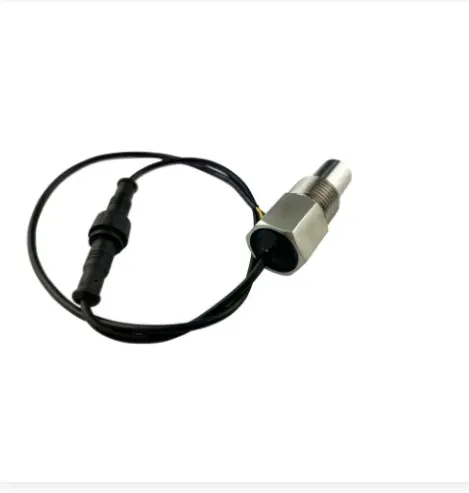
Advantages of Optical Water Level Sensors
Whether you are managing a complex industrial processing plant, engineering a commercial appliance, or designing an automated hydroponics system, accurate liquid management is non-negotiable. At the heart of any reliable fluid control system is a high-quality water level sensor. While traditional mechanical floats have been the industry standard for decades, modern engineering is rapidly shifting toward more advanced solutions.
Today, the optical water level sensor stands out as a game-changing technology. Compact, incredibly accurate, and highly durable, these devices offer a host of benefits that mechanical alternatives simply cannot match. Let’s dive into the mechanics, benefits, and practical applications of these innovative devices.
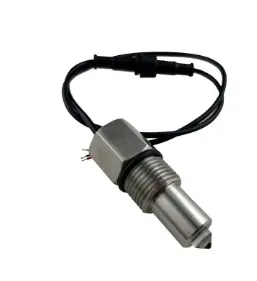
The Core Mechanics: How Do Point Level Sensors Work?
To truly appreciate the reliability of an optical water level sensor, it helps to understand the fascinating physics behind it. So, how do point level sensors work when they use light instead of physical buoyancy?
The magic lies in the total internal reflection principle in sensors. Most optical sensors feature prism tipped liquid detection probes made of glass or clear synthetic polymers. Inside the sensor housing, an infrared LED pulses light directly into the base of this prism, while a receiver sits nearby to catch any returning light.
When the tip of the prism is surrounded by air (a dry state), the light from the LED bounces off the inside of the prism and reflects directly back into the receiver. However, when the liquid rises and covers the prism, the refractive index changes. Instead of bouncing back, the light escapes out into the liquid. The receiver detects this sudden drop in light and immediately triggers a state change. This highly accurate method of infrared liquid level detection occurs in a fraction of a second, offering instantaneous data.
Solid State vs Mechanical Float Switches
For years, the default choice for fluid measurement was the mechanical float switch. But when evaluating solid state vs mechanical float switches, the drawbacks of older technology become glaringly obvious. Mechanical floats rely on buoyancy; as water rises, a physical float travels up a shaft to trigger a magnetic reed switch.
Unfortunately, moving parts are inherently prone to failure. They can easily become jammed by debris, calcification, or mineral buildup.
By contrast, the advantages of no moving parts in level monitoring are substantial:
- Immunity to Jamming: Without a physical float to get stuck, solid-state optical sensors will not fail due to mechanical binding.
- Space Efficiency: Optical sensors are incredibly compact, making them ideal for tight spaces where a bulky float simply wouldn't fit.
- Ultimate Reliability: They are exceptionally dependable for critical safety applications, such as preventing tank overflow with light sensors in expensive chemical vats or sensitive medical equipment.
Excelling in Extreme Environments
Optical sensors do not just offer better longevity; they are often the only viable option when dealing with harsh or extreme conditions.
High Temperatures and Pressures
Because they can be constructed with heavy-duty glass prisms and robust metal housings, optical units are frequently considered the best sensor for boiling water applications. Unlike plastic floats that can warp, melt, or lose buoyancy in extreme heat, glass optical sensors remain completely unaffected. Furthermore, when choosing sensors for high pressure environments, solid-state optical probes are ideal because they have no hollow chambers to collapse under immense PSI.
Absolute Waterproofing
For long-term submersion, top-tier optical sensors are manufactured with IP68 rated waterproof sensing components. This means the internal electronics are fully encapsulated in epoxy or resin, completely protecting the delicate infrared LED and receiver from moisture ingress. This level of environmental sealing makes them highly highly sought after for maintenance-free sump pump level detection, allowing homeowners and facility managers to install the sensor and forget about it for years.
Addressing Industry Challenges
While optical sensors are remarkably versatile, understanding how they compare to other technologies and how to troubleshoot them ensures optimal performance.
Comparing Technologies
When looking at photoelectric vs ultrasonic level measurement, it is important to pick the right tool for the job. Ultrasonic sensors measure continuous level (how full a tank is from 0 to 100%) by bouncing sound waves off the liquid surface. However, they can suffer from blind spots and signal scattering. Photoelectric (optical) sensors are point-level devices, meaning they tell you exactly when liquid hits a specific, crucial point. For high-accuracy overflow prevention or run-dry protection, optical is vastly superior.
Handling Difficult Liquids
One common challenge engineers face is detecting bubbles and foam in liquid tanks. Because optical sensors rely on light refraction, a thick layer of foam can sometimes trick the sensor into registering a "wet" state prematurely. To combat this, modern optical sensors are often paired with intelligent software delays, or they utilize specialized prism geometries designed to shed bubbles quickly, ensuring that only actual liquid triggers the switch.
Maintenance and Troubleshooting
If you do experience an issue, industrial liquid level transmitter troubleshooting for optical devices is usually very straightforward. Since there are no moving parts to repair, troubleshooting typically involves three simple steps:
- Clean the Prism: Hard water scaling or algae buildup can block the infrared light. Wiping the prism with a soft cloth and a mild descaler usually restores perfect functionality.
- Check the Voltage: Ensure the sensor is receiving the correct operating voltage (commonly 5V, 12V, or 24V DC).
- Inspect the Wiring: Look for physical damage to the cables leading away from the sensor.
Practical Application for Engineers and Hobbyists
Because of their reliability and simple binary output, optical sensors are incredibly popular in custom automation. Wiring infrared sensors to microcontrollers (like an Arduino, Raspberry Pi, or ESP32) is a highly accessible project for both professional engineers and DIY hobbyists.
Most basic optical sensors have three wires: Power (VCC), Ground (GND), and Signal (OUT).
- Connect the VCC to your microcontroller's 5V or 3.3V pin (depending on the sensor's rating).
- Connect the GND to the common ground.
- Connect the Signal wire to a digital input pin.
When the sensor is dry, the signal pin reads HIGH (or LOW, depending on the specific model's logic). When water touches the prism, the state flips. With just a few lines of code, you can use this state change to trigger a relay, turn off a pump, or send a warning notification to your smartphone.
The Clear Choice for Modern Fluid Management
Whether you are upgrading an old, unreliable sump pump or designing a state-of-the-art commercial brewing system, reliable water level monitoring is the foundation of operational safety. By relying on light refraction rather than physical buoyancy, you eliminate the headaches of mechanical wear and tear.
Ultimately, investing in a high-quality optical water level sensor means investing in peace of mind. With their robust construction, resistance to extreme temperatures, and maintenance-free design, these optical devices offer a bright, highly accurate future for liquid detection across all industries.