
Pharmaceutical Waste Disposal Service Options: A Complete Guide
The management of pharmaceutical waste is a uniquely complex challenge. It is far more than a simple waste stream. It represents a significant environmental, public health, and regulatory risk. Improper disposal can lead to the contamination of water supplies. It can also fuel drug diversion and pose a danger to communities. For any facility that handles medications, from a large hospital to a local pharmacy, choosing the right disposal service is a decision of critical importance. This choice directly impacts compliance, safety, and public trust.
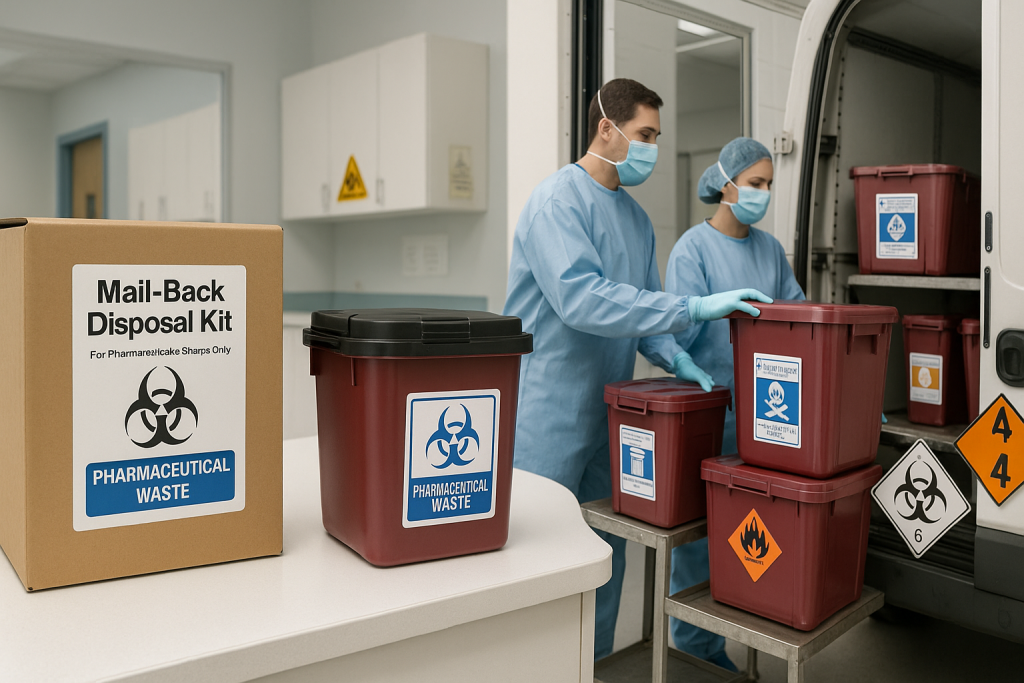
Pharmaceutical waste disposal services are specialized solutions for the compliant collection, management, and final destruction of expired, unused, or contaminated medications. The primary service options include convenient mail-back systems for low-volume generators and a variety of scheduled or on-call pickup services for facilities with larger or more complex waste streams. As an expert provider of comprehensive waste solutions, CESH Home offers a full spectrum of these services. This guide is designed to help facility managers understand their options and choose the most effective, compliant, and cost-efficient solution for their specific needs.
Why Specialized Services are Essential
It can be tempting to view pharmaceutical waste as just another type of trash. This is a dangerous and non-compliant assumption. Specialized disposal services are not just a best practice; they are a fundamental requirement for several critical reasons.
1. Preventing Environmental Contamination
For decades, the common advice was to flush old medications. We now understand the severe environmental consequences of this practice. Pharmaceutical compounds are not fully removed by standard wastewater treatment plants. They pass into rivers and lakes, affecting aquatic life and potentially re-entering human water supplies. Similarly, drugs thrown into landfills can leach into the soil and groundwater. Specialized disposal services use high-temperature incineration to completely destroy these chemical compounds. This prevents them from ever entering the ecosystem.
2. Mitigating Public Health Risks
Discarded medications, especially controlled substances, are a primary target for diversion. Improperly secured waste can be stolen and sold illegally. This contributes to addiction and substance abuse crises. Furthermore, medications thrown in the trash can be found by children or pets, leading to accidental poisonings. Professional disposal services use secure, audited processes to ensure a complete chain of custody from the facility to the point of final destruction. This eliminates the risk of diversion.
3. Ensuring Strict Regulatory Compliance
The disposal of pharmaceutical waste is a highly regulated activity. Regulatory bodies have established stringent rules that govern every step of the process. These rules cover segregation, storage, transportation, and destruction. Failure to comply can result in substantial fines, loss of licensure, and significant damage to a facility's reputation. Using a professional, certified disposal service is the most effective way for a generator to ensure they are meeting all of their legal obligations and managing their long-term liability.
Understanding Your Waste Stream First
Before a facility can choose a service option, it must first understand the specific types of pharmaceutical waste it generates. The service and handling requirements are dictated by the category of the waste. A failure to properly segregate these streams at the source is a major compliance violation.
What Are the Different Types of Pharmaceutical Waste?
A comprehensive waste management plan begins with a thorough audit to identify and categorize all pharmaceutical waste.
Non-Hazardous Pharmaceutical Waste
This is the largest category by volume for most facilities. It includes any prescription or over-the-counter drug that does not meet the regulatory criteria for being hazardous. While it is not technically classified as hazardous, it still cannot be disposed of in the regular trash or sewer. It must be sent for incineration.
- Examples: Most antibiotics, blood pressure medications, vitamins, creams and ointments.
Hazardous Pharmaceutical Waste
A smaller, but more dangerous, subset of pharmaceutical waste is also classified as hazardous waste. This means it exhibits one or more specific hazardous characteristics: ignitability, corrosivity, reactivity, or toxicity. These wastes require special handling, labeling, and documentation.
- Examples: Warfarin (toxic), some chemotherapy agents (toxic), aerosols and inhalers (ignitable), silver nitrate applicators (corrosive).
- The handling of these materials falls under the broader and highly stringent regulations for managing all forms of hazardous waste.
Controlled Substances
This category is governed by the highest level of security due to its high potential for abuse and diversion. The disposal of controlled substances (e.g., opioids, sedatives, stimulants) requires an extremely secure and documented process. This often involves on-site destruction by two authorized employees or the use of special kits that render the substance non-retrievable before it is placed in a waste container. Disposal must be meticulously logged and witnessed.
A Deep Dive into Service Options
Once a facility understands its waste streams, it can evaluate the different service models available. The two primary options are mail-back systems and pickup services. Each model has distinct advantages and is best suited for different types of generators.
Option 1: Mail-Back Disposal Systems
Mail-back systems are an innovative and convenient solution for facilities that generate small quantities of pharmaceutical waste. They are designed to be simple, all-inclusive, and compliant.
- How It Works: A third-party provider, like CESH Home, ships a complete disposal kit directly to the facility. This kit typically includes a primary collection container (e.g., a pail or a tub), a thick plastic liner, a manifest tracking form, and a pre-paid, pre-addressed return shipping box. The facility's staff fills the container with non-hazardous pharmaceutical waste according to the instructions. When the container is full, it is sealed, placed in the shipping box, and given to a designated mail carrier. The package is tracked to a permitted destruction facility, and the generator receives a certificate of destruction upon completion.
- Best For: Small quantity generators such as dental offices, small medical clinics, veterinary practices, and long-term care facilities. They are also ideal for businesses in remote or rural areas where regular truck-based service may be infrequent or expensive.
- Pros:
- Convenience: The system is easy to use and does not require scheduling a pickup.
- Cost-Effective for Small Volumes: The all-inclusive price is often lower than the minimum charge for a truck pickup.
- No Long-Term Contracts: Kits are typically purchased as needed, providing flexibility.
- Cons:
- Not for Bulk Waste: Unsuitable for facilities generating large volumes of waste.
- Requires Staff Discipline: Staff must be properly trained to use the system correctly and complete the documentation.
- Shipping Limitations: Cannot be used for hazardous pharmaceutical waste or controlled substances.
Option 2: Pickup and Hauling Services
This is the traditional and most comprehensive service model. A licensed waste management company sends trained technicians and specialized vehicles to the generator's facility to collect the waste in person.
- How It Works: The facility segregates and accumulates its pharmaceutical waste in designated, compliant containers provided by the service partner. A trained technician then arrives at the facility, inspects the containers to ensure they are properly sealed and labeled, provides all necessary manifest documentation, and safely transports the waste to a permitted treatment facility.
- Service Sub-Types:
- Scheduled Pickups: This is the most common arrangement. Pickups are scheduled on a regular, predictable basis, such as weekly, monthly, or quarterly. This is ideal for larger facilities like hospitals, retail pharmacies, and pharmaceutical manufacturers that have a consistent and predictable rate of waste generation.
- On-Call Pickups: For facilities with inconsistent or unpredictable waste generation, an on-call service provides flexibility. The facility contacts the provider when its accumulation containers are nearing capacity to schedule a pickup.
- Pros:
- Handles All Waste Types: This is the only option for bulk quantities and for hazardous pharmaceutical waste.
- Managed by Professionals: Trained technicians handle the waste, reducing the burden and risk for the facility's staff.
- Comprehensive Documentation: The service provider manages the complex manifest and tracking process from start to finish.
- Scalability: The service can easily scale up or down to match a facility's changing needs.
- Cons:
- Higher Cost: This is a more resource-intensive service and is generally more expensive than mail-back systems.
- Requires On-Site Storage: The facility must have a secure, compliant area to store waste as it accumulates between pickups.
Comparison Table: Mail-Back vs. Pickup Services
| Feature | Mail-Back Disposal System | Pickup & Hauling Service |
| Best For | Small quantity generators, remote locations. | Medium to large quantity generators, all facilities with hazardous pharmaceutical waste. |
| Cost Model | Pay-per-kit, all-inclusive. | Per-container or per-pound fees, plus service charges. |
| Volume Handled | Small volumes (typically up to 5-10 gallons). | Unlimited; from a single container to multiple truckloads. |
| Convenience | High (no scheduling needed). | Moderate (requires scheduling and on-site coordination). |
| Staff Burden | Moderate (staff must package and ship). | Low (technicians handle collection and documentation). |
| Hazardous Waste | No | Yes |
How to Choose the Right Service for Your Facility
Selecting the best service option is a strategic decision. It requires a facility to look inward at its own operations. A thorough self-assessment will make the right choice clear.
1. Conduct a Comprehensive Waste Audit
The first and most important step is to understand what you generate. A waste audit involves identifying every point in your facility where pharmaceutical waste is created. You must then categorize this waste (non-hazardous, hazardous, controlled substance) and quantify the volume of each stream generated per week or month. This data is the foundation of your decision. A facility that generates only a few pounds of non-hazardous waste per month is a perfect candidate for a mail-back system. A hospital with multiple waste streams, including hazardous chemo drugs, requires a scheduled pickup service.
2. Evaluate Your Staff Resources and Training
Consider the capabilities of your staff. A mail-back program requires employees to be meticulously trained on how to properly package, seal, and document the waste for shipment. If staff turnover is high or training resources are limited, a full-service pickup option may be a safer choice, as it transfers much of the handling and documentation responsibility to the trained technicians of the service provider.
3. Assess Your On-Site Storage Space
A pickup service requires a dedicated, secure area for the accumulation of waste between service dates. This area must meet all regulatory requirements for storage. If your facility is small and lacks a suitable storage space, a mail-back system can be an effective alternative, as it allows for the frequent removal of smaller quantities of waste.
4. Consider Your Budget and Pricing Models
Analyze the long-term costs. A mail-back system has a simple, predictable cost per kit. A pickup service involves multiple fee structures (per container, weight, fuel surcharges, etc.). While a pickup may seem more expensive upfront, it can often be more cost-effective at scale. Request quotes for both models, if applicable, and compare the total annual cost based on your audited waste volumes.
The Partner Selection Process
Once you have determined the right service model, you must select the right service partner. This is a critical due diligence process to protect your facility from liability.
What to Look for in a Pharmaceutical Waste Disposal Provider
- Proper Licensing and Permits: The company must hold all required local and national permits for transporting and managing pharmaceutical and hazardous waste.
- High-Security Destruction Methods: The only compliant method for destroying pharmaceuticals is high-temperature incineration. Verify that the provider uses a permitted and audited incineration facility.
- Comprehensive Insurance: The provider must carry significant liability insurance, including pollution liability coverage.
- Transparent and Complete Documentation: A reputable partner will provide a clear and simple process for managing manifests and will always provide a final certificate of destruction for your records.
- Excellent Compliance History: Research the company's compliance history with regulatory bodies. A strong track record is a key indicator of a trustworthy partner.
Conclusion
Choosing the right pharmaceutical waste disposal service is a critical decision for any healthcare facility. The choice between a convenient mail-back system and a comprehensive pickup service depends on a careful evaluation of your facility's unique waste streams, volumes, and operational capabilities. However, one factor is universal: the absolute necessity of partnering with a fully licensed, compliant, and experienced expert.
This partnership is your greatest asset in navigating the complex regulatory landscape. It ensures the safety of your staff and community. And it protects your facility from the significant risks of non-compliance. CESH Home offers a full suite of tailored service options, providing the expertise and flexibility to create the perfect waste management solution for any generator, large or small.


