
Carlo Gavazzi Optical Level Sensor Alternative
E mea pinepine te feia hoo i te mana'o i te hoê matini roro uira Carlo Gavazzi, Te tomoraa a te feia opere, e te mau tuhaa matauhia o te pŭpŭ hi'opo'araa. No te mau OEM, Feia hamani matini, e te rahiraa taata hoo, Te pûpû nei te HojellyTek i te hoê rave'a hi'opo'a i te faito pape tei faatumuhia i ni'a i te hi'opo'araa i te mau haamau'araa, faatu'atiraa i te mau faataaraa, e te faatanoraa no te pereoo auri, pâmu, pape toetoe, hinu, pape, e te mau opuaraa hi'opo'araa i te faito o te mau tauihaa.
Te monoraa i roto i te fare hamaniraa tauihaa no te mau opuaraa hi'opo'araa i te faito hi'opo'araa
Ua matauhia o Carlo Gavazzi no to'na tuatapaparaa rahi no te matini hamaniraa tauihaa: Te mau nota, taui i te mau tauihaa, Te mau relay, hi'opo'araa i te mau tauihaa, e te mau tuhaa hi'opo'araa e faaohipahia i roto i te mau fare hamaniraa tauihaa e te mau matini. E mea faufaa taua ti'araa ra ia hinaaro ana'e te hoê pŭpŭ atuaturaa i te hoê tao'a hamaniraa tauihaa matauhia mai roto mai i te hoê reni opereraa.
E mea taa ê te uiraa no te hooraa mai no te mau OEM e no te feia hoo rahi. Mai te mea e, te hamani ra outou i te hoê tao'a, Te faaôraa i te hi'opo'araa i te faito i roto i te, e aore râ, te imiraa i te mau hanere e aore râ, te mau tauasini matini no te hamaniraa tamau, Te tumu parau rahi, e ere noa ïa te iteraa i te tapa'o. E hinaaro outou i te hoê matini e tu'ati i te faanahoraa no te hi'opo'araa, huru pape, Vahi haamauraa, rave'a niuniu, e te haamau'araa.
I reira te hoê taata hoo e nehenehe ai e tauturu. Te hamani nei te HojellyTek i te mau matini hi'opo'a i te faito pape uira i Shenzhen e te R i roto i te fare&D, Patururaa OEM/ODM, e te iteraa no te haponoraa i te mau fenua Marite, MATOU, e te mau opuaraa no Inidia. Eiaha e hoo mai i te hoê noa tuhaa opereraa, E nehenehe ta te feia hoo e ani i te mau tauiraa i ni'a i te thread, niuniu niuniu, nohoraa, Output, tu'atiraa, e te hi'opo'araa i te faanahoraa hou te hi'opo'araa.
No te feia hoo e faaau ra i te hoê hoho'a Carlo Gavazzi e te hoê hoho'a hamaniraa tauihaa, A haamata na ni'a i ta tatou matini hi'opo'a Te mau vahi faaearaa, I muri iho, a haapapû i te mau haamaramaramaraa no ni'a i te uira e te matini hou a ani ai i te mau hoho.
Eaha te vai ra i roto i te hoê hi'opo'araa no te HojellyTek?
Eiaha te hoê faaauraa tano e mana'o e e nehenehe te mau matini atoa e taui. E mea na'ina'i roa te mau matini hi'opo'a, Fatata i te, e e nehenehe e ti'aturihia mai te mea e, ua ma'iti-maitai-, Tera râ, te ma'itiraa hopea, tei te huru ïa o te pape, Te patu o te pereoo auri, Te vahi tamauraa, Output Logic, e te hi'opo'araa.
Teie ta matou tauturu no te faaauraa:
- Hi'opo'araa i ta outou hoho'a sensor e vai ra, Hoho'a no te matini, hoho'a niuniu, e aore râ, hoho'a no te faaohiparaa
- Faatu'atiraa i te mana'o o te output mai te NPN, PNP, matara noa, e aore râ, ua opanihia
- Aparauraa no ni'a i te fare e te mau materia rari no te pape, hinu, pape toetoe, pu'a pu'a, Te mau mana'o tauturu no te, e aore râ, te pape ano'i
- Hi'opo'araa i te taura e te tamauraa no te papa'i o te pereoo, i te hiti, Te mau mana'o tauturu no te, e aore râ, te haamauraa i te mau tauihaa na'ina
- Te roa o te niuniu, tu'atiraa, e te faatanoraa i te û niuniu no te hamaniraa OEM
- Te hamaniraa i te mau hoho'a hou te hooraa mai
- Te hi'opo'araa i te hamaniraa e te patururaa i te puohu no te mau poro'i no te
Te fâ e ere ïa i te titauraa i te hoê monoraa na te ao atoa nei. Te fâ o te tautururaa ïa i te feia hoo ia ite i te hoê rave'a tano maitai o te nehenehe e haapapûhia i roto i ta ratou farii e aore râ, i ta ratou matini.
Nahea te mau matini hi'opo'a i te ohipa i roto i te mau matini mau
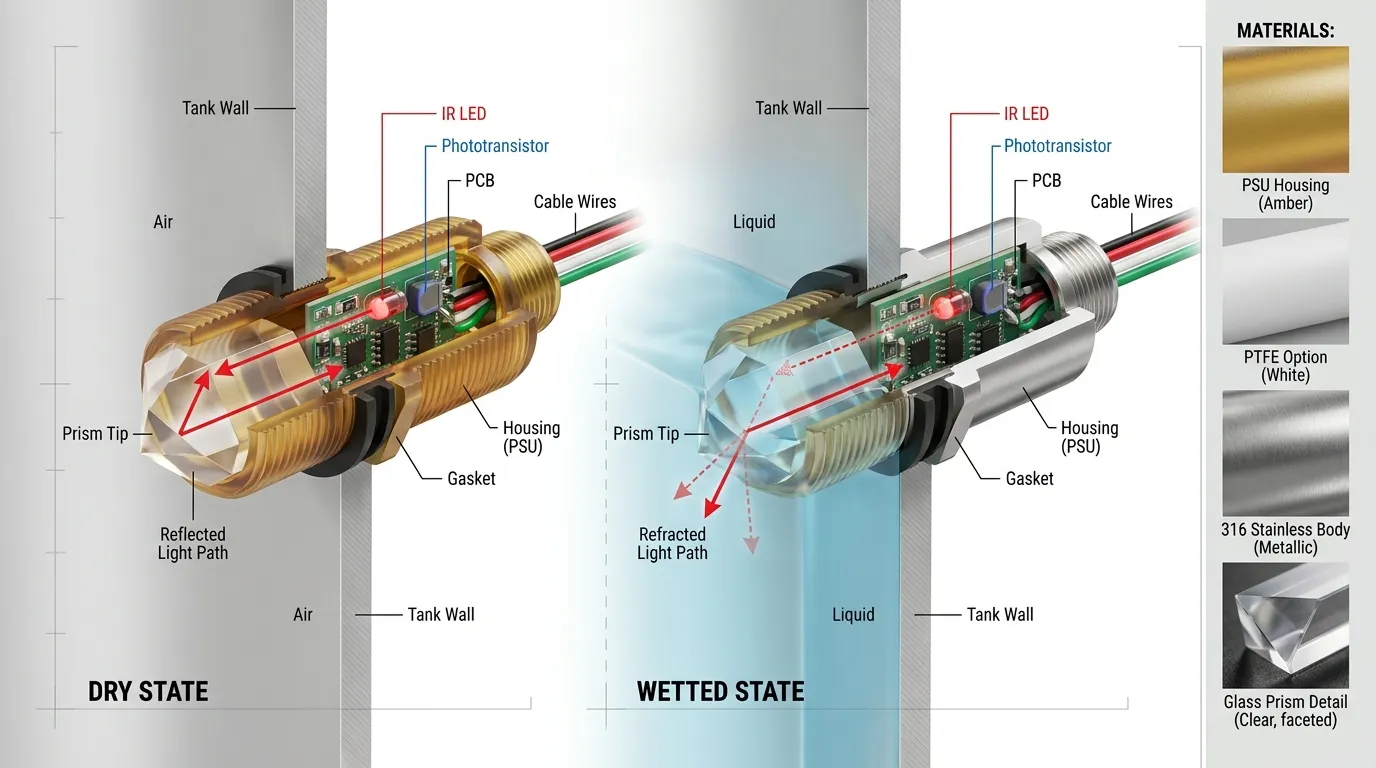
Te faaohipa nei te rahiraa o te mau tauiraa i te faito o te pape i te hoê parau tumu ohie no te photoelectric. I roto i te tino o te matini, e faatae te hoê IR LED i te mori i ni'a i te hoê poro na'ina'i. E hi'opo'a te hoê phototransistor e aore râ, te hoê matini apo hi'o e nahea taua maramarama ra e ho'i mai ai.
Ia mǎrô ana'e te hopea o te prisma, E anaana te maramarama i roto i te prisma e e ho'i puai mai i roto i te prisma. Ia tapo'ihia te poro i te pape, E taui te e'a mata no te mea e mea taa ê te huru o te pape i te mata'i. E iti mai te maramarama e ho'i mai i ni'a i te taata apo, e e taui te tereraa i roto i te tereraa.
No teie tapa'o mărô e te rari e faaohipahia ai te mau matini hi'opo'a no te hi'opo'araa i te faito o te vahi. E nehenehe ta ratou e ite i te faito teitei, faito ha'iha'i, Te mau mana'o tauturu no te, Te mau mana'o tauturu no te haapiiraa, te fifi o te pâmu, Te vai ra te pape toetoe, te vai ra i roto i te pape, e aore râ, te faito hinu tei te vahi i tuuhia ai te matini.
No te feia hoo OEM, Teie te mau uiraa no te ma'itiraa:
- E hinaaro anei te taata faatere i te NPN e aore râ i te PNP?
- E ama anei te matini apî ia rari aore ra ia mǎrô?
- E mea maramarama anei te pape, Te mau mana'o tauturu no te, te me'u, hinu, e aore râ, te mau tao'a taero?
- E haaputuputu anei te toe'a i ni'a i te tapa'o prisma?
- Ua tuuhia anei te matini i te hiti, Raro, e aore râ, i ni'a?
- E faati'a anei te papa'i o te vairaa pereoo i te hoê matini hi'opo'araa, Flange, hi'opo'araa na'ina'i, e aore râ, te tino?
- Te vai ra anei te matini i roto i te aueueraa, Te pîpîraa, pape tamâ, e aore râ, te haumi i rapae?
E mea faufaa a'e teie mau parau rii i te i'oa noa o te pû. E tauturu te hoê api puai i te taata hoo ia faaau i te huru mau o te tereraa, e ere noa i te hoê upoo parau no te tauihaa.
I reira te hoê fare hamaniraa tauihaa e faaiti ai i te moni rahi
E mea pinepine te hoê matini matini hamaniraa tauihaa i te hoohia mai na roto i te hoê faanahoraa opereraa. E mea ohie te reira no te mau pŭpŭ atuaturaa, Te mau faaueraa rû na'ina'i, e aore râ, te feia hoo o te hinaaro i te hoê tao'a matauhia. Tera râ,, E nehenehe te hooraa mai e riro ei mea moni rahi mai te mea e, e faaohipahia te hoê â matini i roto i te hamaniraa OEM.
E nehenehe te hoê matini hi'opo'a e faaiti i te moni na roto i te mau rave'a e rave rahi:
A tahi, E nehenehe te taata hoo e ape i te aufau i te mau ohipa aita e hinaarohia. Ei hi'oraa, Te hoê matini farii pape na'ina'i, matini taofe, Te tauihaa o te vairaa pape faatoetoe, e aore râ, aita paha te matini hi'opo'a e titau i te hoê â huru fare e te hoê tuhaa matini hamaniraa tauihaa.
Piti, E nehenehe ta te fare hamaniraa e faatano i te hoho'a i ni'a i te mau hinaaro o te hamaniraa. Te roa o te niuniu tano, tu'atiraa, Te mau mana'o tauturu no te, Ana'iraa niuniu, e aore râ, e nehenehe te hoho'a o te haamauraa e faaiti i te taime no te haamauraa i ni'a i te reni hamaniraa.
A toru, E nehenehe te faatanoraa OEM e arai i te piti o te tauiraa. Eiaha e hoo mai i te hoê matini apî e e taui i te niuniu, Tape'araa, tapa'opa'oraa, e aore râ, te fare i muri a'e, E nehenehe ta te feia hoo e ani i te faanahoraa e titauhia hou te hamaniraa.
A maha, E nehenehe te mau poro'iraa e faahitihia i ni'a i te titauraa o te opuaraa. E mea ti'a ia haapapûhia te moni hoo na roto i te RFQ no te mea te mau materia no te fare, Te roa o te niuniu, tu'atiraa, Te puohuraa, e te mau titauraa no te hi'opo'araa e ohipa i ni'a i te haamau'araa.
No te feia hoo e hinaaro nei i te hoê faanahoraa no te hoo tamau noa, e mea maitai a'e ia rave i te ohipa e te hoê Hamani i te mau matini hi'opo'a eiaha râ ia faaau i te mau hoo o te hoê ana'e tuhaa.
Te mau faataaraa mai te reira te huru e ti'a i te feia hoo ia hi'opo'a
Ia faaau ana'e tatou i te hoê matini hi'opo'a Carlo Gavazzi e te hoê matini hamaniraa tauihaa, Eiaha e faaau noa i te i'oa o te tauihaa. A faaau i te mau huru o te matini hoê i muri mai i te tahi.
Puai uira: E rave rahi mau faanahoraa hi'opo'araa e titau nei i te NPN e aore râ i te PNP. Te hinaaro atoa nei te tahi mau taata hoo e 4–20 mA no te mau opuaraa tamau e aore râ, anaana, noa'tu e, e rave rahi mau matini hi'o na'ina'i e mau tauihaa ïa. A haapapû e, te mana'o ra anei te taata hi'opo'a e tomo, Te mau rave'a no te mau rave', Ohipa rari, mărô-ohipa, matara noa, e aore râ, te huru piri.
Te uira o te uira: A haapapû i te uira o te matini i ni'a i te PLC, tabula no te mau hoho'a, faanahoraa no te uira, e aore râ, te mau matini uira. Eiaha e mana'o i te hoê â faito uira maori râ ua haapapûhia te hoho'a i ma'itihia.
Materia rari: Plastique, PSU, PTFE, 316 auri auri, e te hi'o no te mau faaohiparaa taa ê. E nehenehe te PSU e tano i te mau tauihaa na'ina'i e rave rahi. E mea faufaa te PTFE i te mau vahi faufaa no te pato'iraa i te mau tao'a. 316 E mea au a'e na te auri inoino no te hamaniraa matini puai a'e e aore râ, no te tu'atiraa i te pape. E nehenehe te mau tapa'o hi'o e turu i te hi'oraa mâ e te tereraa o te prisma papû.
Te taamuraa e te taura: Rahi o te taura, Rave'a no te taati, e te hohonuraa o te tuuraa e ohipa i ni'a i te mea e nehenehe anei te matini e mono i te hoê tuhaa e vai ra. E mea matauhia te mau matini hi'opo'a i te hiti no te hi'opo'araa i te faito teitei e te raro o te vairaa. E nehenehe e faaohipa i te mau vairaa pape na'ina'i, tera râ, e tia ia hi'opoahia te toea e te mau hu'ahu'a.
Te niuniu e te tu'atiraa: E titau pinepine te mau opuaraa OEM i te roa o te niuniu, Te mau hopearaa tei tatarahia, Te mau vahi tapaeraa, Te mau tu'atiraa manureva, Te mau tu'atiraa pape ore, e aore râ, te mau taamu taa ê. Teie te hoê o te mau tumu puai roa a'e no te ma'iti i te hoê Te matini hi'opo'a taa ê eiaha râ te hoê tuhaa tabula tamau.
Te huru o te pape: E mea ohie a'e te pape mâ i te hinu piripiri, Te mau mana'o tauturu no te, pape mai te û ra te huru, te pape toetoe e te mau hu'ahu'a, e aore râ, te pape chimique o te nehenehe e tapo'i i te prisma. Mai te peu e e tapo'i te toea i te poro mata, E nehenehe te matini e pahono taere e aore râ, e vai noa i roto i te hoê faito hape. E mea faufaa roa te hi'opo'araa i te mau hi'opo'araa.
Carlo Gavazzi vs HojellyTek: Faaauraa tano i piha'i iho i te tahi
| Vahi faaauraa | Carlo Gavazzi Optical Level Sensor | HojellyTek Factory-Direct Alternative |
|---|---|---|
| Te ti'araa o te pû | Te hoê pû hamaniraa matini e te mau tuhaa hi'opo'araa aano | Ua faatumuhia te fare hamaniraa hi'opo'a e te faito pape no Shenzhen i ni'a i te mau opuaraa no te hi'opo'araa OEM/ODM |
| Te taata hoo maitai roa a'e | Te atuaturaa, MRO, Te hooraa i te feia hoo parau faati'ahia, monoraa i te fare opereraa | Te mau OEM, Feia hamani matini, Te feia hamani tauihaa, Te rahiraa o te feia hoo, Te mau opuaraa taa ê |
| Te parau tumu no te ite | Te hi'opo'araa i te faito o te faito o te hi'opo'araa photoélectrique tei te huru o te hoho'a i ma'itihia | IR LED, taata farii, e te hi'opo'araa i te pape uira niuhia i ni'a i te prisma |
| Te mau ma'itiraa no te ohipa | Ma'itihia na roto i te hoho'a; E mea ti'a i te taata hoo ia tu'ati i te mana'o | NPN, PNP, Tauiraa i te mana'o, e te mau ohipa taa ê i haapapûhia i roto i te RFQ |
| Ma'itiraa analog | A haapapû na roto i te utuafare o te mau tauihaa i ma'itihia | 4–20 mA e nehenehe e tuatapapahia no te mau opuaraa tano no te ite i te faito |
| Te mau materia rari | Haapapû mai roto mai i te api parau i ma'itihia | PSU, PTFE, 316 auri auri, Hi'o, e te hi'opo'araa i te mau materia taa ê no te opuaraa |
| Te faarahiraa | Te mau faanahoraa matauhia no te tapura | Thread, niuniu niuniu, tu'atiraa, tino, e e nehenehe te huru haamauraa e faatanohia |
| Hoho'a hoo | Te hoo o te taata opere e aore râ te reni, e mea ohie no te mau faito na'ina'i | Faahitiraa parau a te fare hamaniraa RFQ no te hi'oraa, pŭpŭ, e te hooraa rahi OEM |
| Hoho'a no te taime arata'iraa | Tei te huru ïa o te mau haaputuraa e te mau rave'a e vai ra | Haapapûhia na roto i te rahiraa opuaraa, Te mau nota, parau faati'a no te hi'oraa, e te tarena hamaniraa |
| Te puai o te mau parau | Te mau parau papû no ni'a i te tapa'o e te mau haamaramaramaraa no ni'a i te mau tao'a | Hi'opo'araa i te mau aniraa, Te mau hoho'a/haapapûraa i te mau hoho'a, hi'oraa haapapûraa, e te haaparareraa mana'o i roto i te fare ha |
| Te auraa | Faaauraa taa ê noa; aita i paturuhia e Carlo Gavazzi | Te tahi atu rave'a tu'ati i muri a'e i te haapapûraa a te matini |
Te vahi e upooti'a noa ai o Carlo Gavazzi
E mea ti'a ia riro te hoê faaauraa tano ei mea haavare ore. E nehenehe â o Carlo Gavazzi e riro ei ma'itiraa maitai a'e mai te mea e, ua faati'a a'ena ta outou taiete i taua tapa'o ra, ia papa'ihia te tuhaa i roto i te buka arata'i a te matini, Ia hinaaro ana'e te hoê pŭpŭ atuaturaa i te hoê taata hoo vitiviti, e aore râ, ia tape'a noa te taata hoo i te hoê â tapa'o no te haapa'o i te reira, Parau haapapûraa, e aore râ, te mau tumu no te hooraa mai i roto.
E upooti'a atoa ratou ia parau ana'e ratou, Te roo o te mau tao'a hamaniraa tauihaa na, e e mea faufaa a'e te monoraa oioi na roto i te hoê opereraa matauhia i te faatanoraa e aore râ, i te haamau'araa i te fare hamaniraa tauihaa.
E mea puai a'e te HojellyTek mai te mea e, e hinaaro te taata hoo i te hoê ohipa hi'opo'araa mai te reira te huru i te faito OEM, te hinaaro nei e faatano i te hoho'a, e aore râ, e hinaaro i te aparauraa afaro e te pŭpŭ hamaniraa na mua a'e i te hi'opo'araa.
5-Te monoraa e te faanahoraa no te faatanoraa i te taahiraa
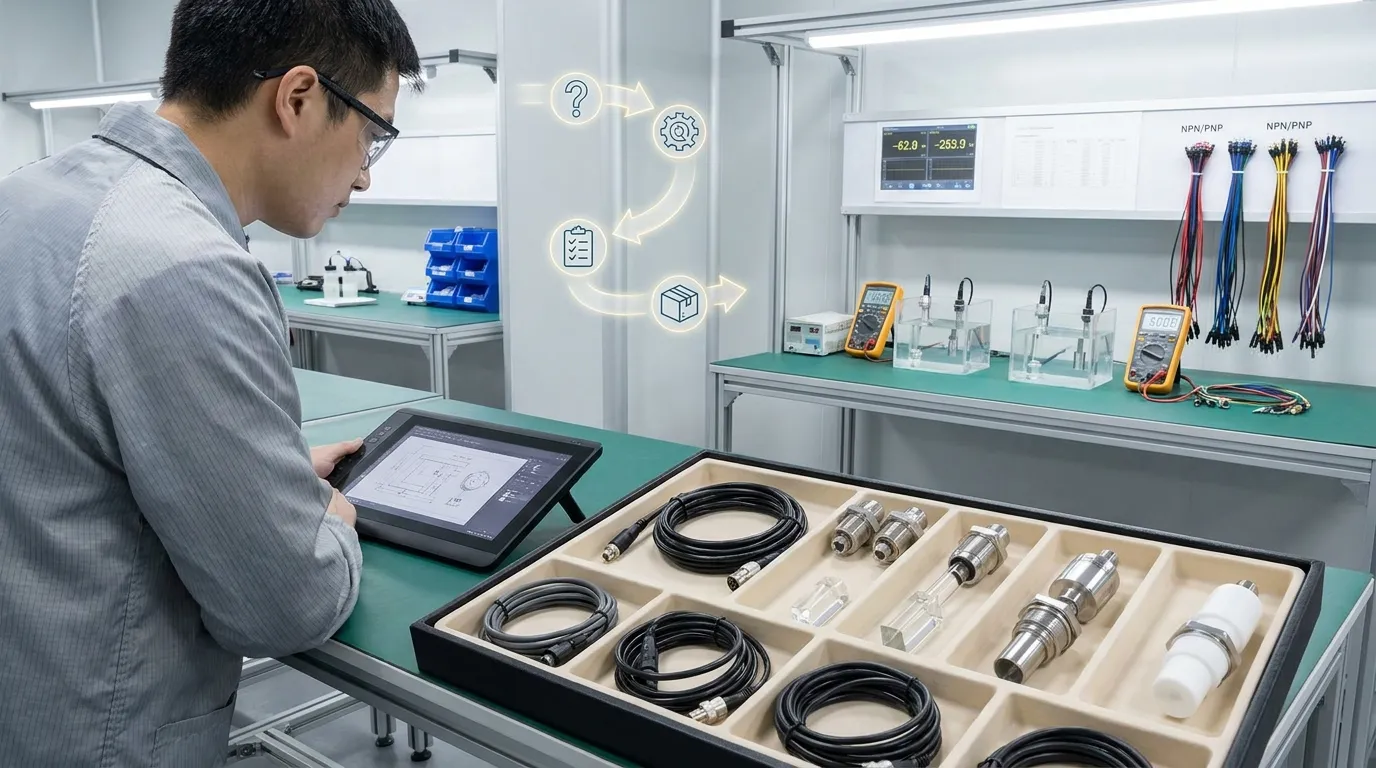
- Uiuiraa: A hapono i te hoho'a o te matini apî, Hoho'a no te tao'a, hoho'a o te pereoo auri, huru pape, hoho'a niuniu, e te numera matahiti. Mai te mea e, aita outou e mono ra i te hoê matini e vai ra, A faataa i te pereoo auri, Te mau mana'o tauturu no te, vahi haamauraa, e te hi'opo'araa.
- Hi'opo'araa i te mau hoho'a e te faatanoraa: E hi'opo'a ta matou pŭpŭ i te mana', uira uira, materia rari, niuniu niuniu, Te mau mana'o tauturu no te, Rave'a no te taati, e titauhia ia taui i te huru. Mai te mea e, e ere te hoê tuhaa i te mea tano, Te faaitoito nei matou i te hoê faanahoraa taa ê.
- Hi'oraa haapapûraa: Ua faaineinehia te hoê hi'oraa no te hi'opo'araa i te uira e te pape. E mea ti'a i te feia hoo ia tamata i te huru mărô, hau rari, Te mau hu'ahu'a, toe'a, Te mau mana'o tauturu no te, Te tereraa o te tamâraa, e te pahonoraa a te taata hi'opo'a.
- Te hamaniraa e te QC: I muri a'e i te parau faati'a, E pee te hamaniraa i te faataaraa i haapapûhia. E nehenehe te hi'opo'araa e tapo'i i te hoho'a, Te mau mana'o tauturu no te, Ohipa tauiraa, taatiraa, e te mau titauraa no te puohu.
- Te haponoraa: Ua faanahohia te puohu e te haponoraa ia au i te faanahoraa poro'iraa a te taata hoo. A ani i te hoê faahitiraa parau na roto i te WhatsApp e aore râ te rata uira e te mau haamaramaramaraa no ni'a i te faito e hinaarohia.
Te mau titauraa no te RFQ hou a poro'i ai
No te ma'iti ta matou matini hi'opo'a ei monoraa, A faaineine i te mau haamaramaramaraa i muri nei:
- Hoho'a Carlo Gavazzi e vai ra e aore râ faataaraa no te faaohiparaa
- Te huru pape e te vai ra anei te toe'a
- Te mau tauihaa o te vairaa e te meumeu o te papa'i
- Te avei'a no te haamauraa e te titauraa no te taura
- Te uira uira e te huru tomoraa o te taata faatere
- NPN, PNP, AITA, NC, e aore râ, te titauraa no te hamaniraa analog
- Te roa o te niuniu, tu'atiraa, e te ana'iraa niuniu
- Te vahi raveraa, rave'a tamâraa, e te taati i te mau tia'iraa
- Rahiraa hi'oraa e te faito hamaniraa mana'ohia
No te aha te feia hoo e rave ai i te ohipa e te HojellyTek
HojellyTek o te hoê ïa taiete hamani e te hoê taata hoo i Shenzhen tei faatumuhia i ni'a i te hi'opo'araa i te faito o te pape. E te R i roto i te fare&D e te aravihi OEM/ODM, Te paturu nei matou i te feia hoo o te hinaaro hau atu i te hoê matini roro uira.
Te vai ra te mau vairaa pape na'ina'i, Parururaa i te pamu, Te mau farii pape faatoetoe, Te hi'opo'araa i te hinu, Te mau tauihaa hamaniraa tauiha, Te mau mana'o tauturu no te, e te mau rave'a hi'opo'araa maramarama i te pape. Mai te mea e tano, e nehenehe atoa ta te pŭpŭ e aparau no ni'a i te tu'atiraa o Tuya e Smart Life no te mau opuaraa hi'opo'araa i te mau pereoo auri tu'atihia.
Te faahopearaa maitai roa a'e, no roto mai ïa i te hoê aparauraa no ni'a i te matini: a faatano i te matini i ni'a i te pape, Te haamauraa, haaati, e te opuaraa no te hamaniraa hou a poro'i ai.
FAQ
E monoraa anei te hoê matini hi'opo'a optic Carlo Gavazzi i te mau taime atoa?
Aita. E tu'ati paha te reira, tera râ, te uira, Tauiraa i te mana'o, uira uira, Te mau mana'o tauturu no te, niuniu niuniu, taatiraa, e e mea ti'a ia hi'opo'a i te mau materia rari hou a monohia ai. E titauhia ia hi'opo'a i te mau hi'oraa na mua a'e i te mau poro'iraa.
E nehenehe anei ta HojellyTek e faaau i te mau titauraa no te NPN e aore râ PNP?
E, E nehenehe te mau titauraa no te NPN e te PNP e hi'opo'ahia i roto i te RFQ. E mea ti'a atoa i te feia hoo ia haapapû e, e mea ti'a anei ia matara te matini, E tapirihia, Ohipa rari, e aore râ, te huru tauiraa mărô.
E nehenehe anei ta'u e ani i te PTFE, 316 auri auri, PSU, e aore râ, te mau materia rari i te hi'o?
E. Tei te pape te ma'itiraa i te materia, huru anuvera, rave'a tamâraa, e te haamauraa i te matini. PTFE, 316 auri auri, PSU, e e nehenehe te hi'o e hi'opo'ahia ia au i te aniraa.
E mea iti a'e anei te moni hoo i te fare hamaniraa tauihaa i te hooraa mai i te fare hooraa?
No te mau opuaraa rahi e te OEM, E nehenehe te hooraa mai i roto i te fare hamaniraa e faaiti mai i te taatoaraa o te moni no te mea e nehenehe te matini e faanaho no te opuaraa eiaha râ e hoo mai ei tao'a opereraa tamau. E mea ti'a ia haapapûhia te moni hoo hopea na roto i te RFQ.
Eaha te mau rave'a hape e ti'a ia'u ia tamata hou a mono ai i te hoê matini roro uira?
Te toe'a o te hi'opo'araa i ni'a i te prisma, Te mau mana'o tauturu no te, Te mau hu'ahu'a, Te mau mana'o tauturu no te, faatupuraa hape, Te fifi o te niuniu, taatiraa, tu'atiraa i te pape, e te pahonoraa a te taata hi'opo'a. E nehenehe te mau matini hi'opo'a e ti'aturihia mai te mea e, e mea tano te pape e te mau huru haamauraa.
Afea vau e ma'iti ai ia Carlo Gavazzi?
A ma'iti ia Carlo Gavazzi mai te mea e, e titau ta outou opuaraa i taua tapa'o haamanahia ra, mono oioi i te taata opere, Te mau parau e vai ra, e aore râ, te hooraa tamau noa. A ma'iti i te hoê rave'a no te hamaniraa tauihaa, Te rahiraa OEM, e te hi'opo'araa i te mau haamau'araa o te ohipa matamua roa.
A ani i te hoê faahitiraa parau no te mau matini hi'opo'a
A hapono i ta outou hoho'a sensor i teie nei, Faanahoraa no te mau hoho'a, Titauraa no te niuniu, huru pape, Taura no te haamauraa, Te roa o te niuniu, e te rahiraa mana'o. E nehenehe ta HojellyTek e hi'opo'a i te titauraa e e horo'a mai i te hoê rave'a no te hi'opo'araa i te faito pape no te hi'opo'araa e no te hamaniraa i te rahiraa. A niuniu mai ia matou na roto i te WhatsApp e aore râ te rata uira no te ani i te hoê faahitiraa parau.


