
Matini hi'opo'a i te faito pape no te mau aquarium (OHIPA)
E horo'a te hoê matini ATO i te mau taata haapa'o i te mau a'au, Feia faanaho, e te mau tauihaa no te aquarium e riro ïa ei rave'a no te haavî i te pape ma te ore e turu'i i ni'a i te matini e nehenehe e mau, jam, e aore râ, aita i manuïa i roto i te miti. Te horo'a nei te HojellyTek i te mau matini hi'opo'a uira no te mau opuaraa no te faaî i te pape i roto i te aquarium, Te mau tauihaa faaî maitai, e te matini uira e tu'ati i te hi'opo'araa.
No te mau faaohiparaa ATO i roto i te aquarium, E mea ohie roa te fâ: A hi'opo'a maitai i te reni pape, faaî faahou mai te mea e hinaarohia, tape'a hou a tahe ai, e paruru i te pamu ia ore ia mǎrô.
Te mau rave'a no te mau matini no te mau aquarium
Te turu nei te HojellyTek i te mau rave'a no te mau matini ATO no te aquarium, Te mau faanahoraa no te faaî i te pape o te ǎau, Te mau tuhaa no te faaî i te farii i'a maramarama, e te mau opuaraa hi'opo'a OEM/ODM. Eiaha râ te hoê rima painu e hauti ra, E faaohipa te matini i te hi'opo'araa infrarouge i te hopearaa, no reira, aita e hi'o, Magnet float, e aore râ, te faaheeraa i te tuhaa no te tape'a.
Teie te mau patururaa matauhia i roto i te opuaraa:
- Te hi'opo'araa i te faito rari e te mărô no te hi'opo'araa i te ATO
- Hoê ana'e matini, e piti matini, e aore râ, te mau faanahoraa ATO e rave rahi mau sensor
- Te mau rave'a no te mau matini no te vairaa a'au, piha i muri, e te iteraa i te vairaa pape
- Faanahoraa no te tu'atiraa i te mau iri hi'opo'a, Te mau uahu Apex, Tuya/Smart Life control boxes, e te mau PCB taa ê
- Ma'itiraa i te mau materia no te mau vahi e tuati i te pape i roto i te aquarium
- Te niuniu, tu'atiraa, Te haamauraa, e te faatanoraa i te mau ohipa no te feia hoo OEM/ODM
No te mau faahororaa no te hi'opo'araa optique, a hi'o i ta matou matini hi'opo'a api. No te mau aniraa no te faaî faahou i te mau tauihaa, a hi'o i te Aquarium Auto Top-Off System e faaî faahou i te farii i'a Te mau rave'a.
Te hi'opo'araa ATO no te paruru i te taheraa pape e te mărôraa o te pamu
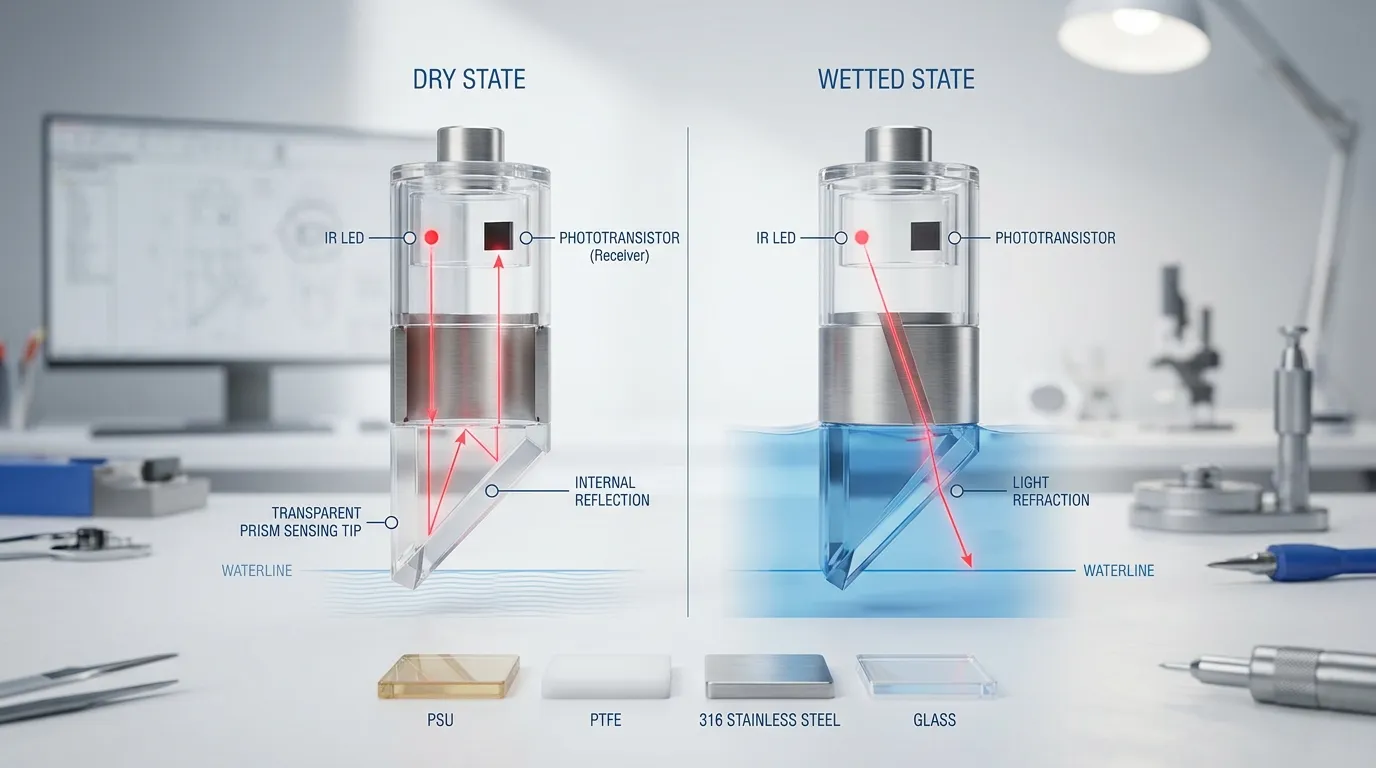
E nehenehe te hoê matini e tere maitai i roto i te mau vahi mâ, tera râ, e ere te mau matini ATO i te mea mâ i te mau taime atoa. Te miti, hoho'a no ni'a i te hoho', te mau escargot, Te uira uira, arepurepuraa, e e nehenehe te vahi iti o te vairaa pape e haafifi i te mau tuhaa e hauti ra. I roto i te matini roro uira, E nehenehe te hoê tapa'o « pape iti » e tape'a noa i te pamu faaî e e faatupu i te taheraa. E nehenehe te hoê tapa'o « î » e tape'a i te faaîraa e e vaiiho i te piha no te faaho'iraa i te pâmu ia topa i raro roa.
E faaiti mai te hoê matini hi'opo'a i te faito o te pape i teie fifi no te mea aita e tere matini to te tapa'o hi'opo'araa. Te faaohipa nei te fare i te hoê LED infrarouge, te hoê phototransistor e aore râ, te hoê apo apo, e te hoê tapa'o hi'opo'araa mai te prisma. Ia mǎrô ana'e te prisma, E anaana te maramarama infrarouge i roto i te poro e tae atu ai i te taata apo. Ia tapo'i ana'e te pape i te prisma, E taui te huru o te refractive, no reira, e iti mai te maramarama e ho'i mai i ni'a i te taata farii. E taui te matini roro uira i taua tauiraa mata mărô ra ei uira na te taata faatere.
No te mau faanahoraa ATO, E nehenehe teie tapa'o rari e faaohipahia na roto e toru rave'a rahi:
- Te hi'opo'araa i te faaîraa matamua: E haamata te pâmu faaî; e tape'a te pâmu i te pape.
- Opaniraa teitei no te parururaa: e ite te matini i ni'a i te maraaraa tano ore e e tape'a i te pamu e aore râ e faatupu i te hoê faaararaa.
- Parururaa iti i roto i te vairaa pape: E tauturu te hoê matini i roto i te vairaa pape mâ ia arai i te mǎrôraa o te pâmu.
Te hamaniraa ATO maitai roa a'e, aita ïa i niuhia i ni'a i te hoê noa tapa'o. E tu'ati te reira i te tuuraa tano o te mau matini, Te mana'o o te taata faatere no te taime faafaaearaa, Te arata'iraa i te mau auri no te arai i te siphon, e te redundancy e piti sensor.
Te haamauraa i te farii no te Reef and Aquarium ATO
E mea ti'a ia tuuhia te matini i roto i te piha vairaa pape i reira te faito o te pape e taui ai na roto i te mahuraa, e mea pinepine te piha pâmu faaho'iraa e aore râ te hoê piha i muri i roto i te hoê aquarium AIO. Eiaha e tuuhia i te vahi i te mau are, Te mau hu'ahu'a, Te pîpîraa pape, e aore râ, te taheraa tamau o te faaîraa i te pape i ni'a i te hopea.
No te ATO i ni'a i te afata, e ti'a i te feia hoo ia faataa i te:
- Te tereraa o te reni pape: E mea ti'a i te teitei o te matini matamua ia tu'ati i te faito tape'araa o te faaîraa.
- Te reni pape paruru: E ti'a i te matini apî ia parahi i ni'a a'e i te faito matauhia, i raro a'e râ i te faito atâta.
- Vahi haamauraa: Hi'o, acrylique, Tape'araa, uahu taviri, auri ovahine, e aore râ, te taata e mau nei.
- Te meumeu o te papa'i e te area o te piha: Mea faufaa roa no te mau piha na'ina'i i muri e no te mau pereoo nano.
- Te reni niuniu: Eiaha e taviri i te niuniu o te huti i te matini i rapae i to ratou vahi.
- Te ti'araa o te tube faaî faahou: E mea ti'a ia faanahonahohia te uputa no te arai i te hutiraa e eiaha e tahe ti'a i ni'a i te hoho'a o te matini.
E nehenehe ta HojellyTek e turu i te mau faanahoraa matini taa ê ia au i te opuaraa: Te mau hi'opo'araa hi'opo'a na'ina', te mau tino taviri, Te mau hoho'a no te tamau-noa-raa, Te mau hoho'a i ni'a i te tape'araa, e te mau faanahoraa niuniu taa ê. E haapapûhia te huru o te taura e te tamauraa i roto i te tuhaa RFQ no te mea e faaohipa pinepine te mau fare vairaa aquarium e te feia hamani i te mau vahi taa ê.
Te tu'atiraa o te niuniu e te hi'opo'araa
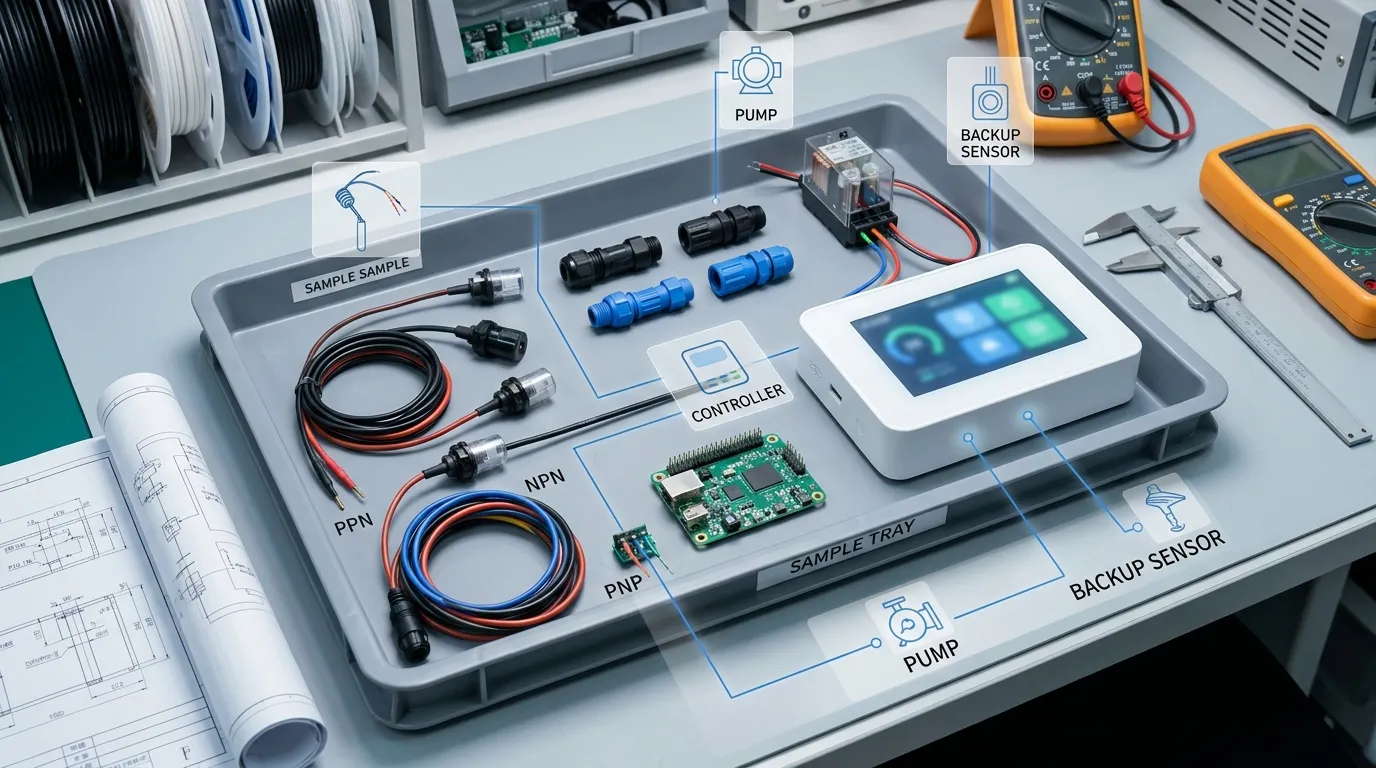
Te tu'atiraa o te ATO controller, tei te huru ïa o te output o te sensor, uira uira, Te mana'o o te niuniu, e te huru tu'atiraa. Te hinaaro nei te tahi mau taata hoo i te hoê tapa'o ohie no te tauihaa rari e te mǎrô. Te tahi atu mau taata e hinaaro i te NPN e aore râ i te PNP no te hoê tapura faatere. E nehenehe ta te feia hoo OEM e ani i te hoê taamu taa ê no te hoê tao'a faaî faaî Tuya/Smart Life e aore râ, no te hoê matini hi'opo'araa aquarium.
| Faaohiparaa ATO | Titauraa no te tapa'o | Huru hi'opo'araa matauhia | E mea ti'a i te taata hoo ia haapapû |
|---|---|---|---|
| Te hi'opo'araa tumu o te ATO DIY | Te hamaniraa roro uira rari | Te tabula no te horo'araa, PCB ATO na'ina'i, Microcontroller | Te uira o te uira, Te mana'o o te mau tapa'o, tomoraa no te reni pamu |
| Te hi'opo'araa i te aquarium | Tapa'o no te haumi/mărô | Te mau uahu Apex e aore râ Cerebra | Huru uahu, tu'atiraa, Te mana'o no te iteraa, Te mau hinaaro no te faataa ê |
| Te mau tauihaa faaî maramarama | Tapa'o no te matini hi'opo'araa | Na outou / Smart Life refill controller | App controller voltage, tomite faatere, tu'atiraa niuniu |
| Faanahoraa ATO OEM | NPN taa ê / PNP / Te mau rave'a roro uira | Afata hi'opo'araa ATO tapa'ohia | Te û o te niuniu, tu'atiraa pape ore, Te roa o te niuniu |
| Hi'opo'araa mai te au i te ohipa hamaniraa tauihaa | 4–20 mA e aore râ, te puai tamau mai te mea e titauhia | Te hi'opo'araa i te hi'opo'araa e aore râ te mau matini uira | E titauhia anei te hi'opo'araa i te vahi e aore râ te faito-tamau-noa-raa |
| ATO no te parururaa e piti matini | Paraimere + opaniraa teitei | ATO PCB e aore râ aquarium | Teihea te matini apî e mea faufaa roa e nahea ia faaohipa i te mau faaararaa |
No te mau opuaraa no te mau aquarium, a hi'o i ta matou Apex/Cerebra aquarium sensor api no te aniraa.
Te faaapîraa e piti matini no te hamaniraa ATO maitai a'e
E nehenehe te hoê noa matini hi'o e faatere i te faaîraa, tera râ, ua riro te ATO e piti sensor ei faanahoraa papû a'e no te mau faanahoraa a'au e te mau tauihaa OEM. Na te matini matamua e faatere i te reni pape matauhia. Ua tuuhia te piti o te matini i ni'a rii a'e ei opaniraa paruru. Mai te mea e, e apǐapǐ te matini matamua, Te mau mana'o tauturu no te, Unplugged, e aore râ, ua tai'o-hape-hia e te taata hi'opo'a, E horo'a te matini hi'opo'a i te tahi atu titauraa no te tape'a i te pamu.
No te parururaa maitai a'e, e rave rahi mau hoho'a ATO o te tuu atoa nei i te hoê oti'a taime. Mai te mea e, e tere maoro a'e te pamu i tei mana'ohia, e tape'a te taata faatere i te reira e e faaara mai. E paruru te reira i te hoê tube tei mutu, vairaa pape aita e taata, Hape te vahi o te matini, e aore râ, te huru tano ore o te vairaa pape.
Te mau rave'a manuïa ore mau no te faanahonahoraa, oia ho'i,:
- Te miti e tapo'i ra i te hiti o te prisma
- Te mau hu'ahu'a na'ina'i o te faatupu i te ite papû ore
- Te haafifiraa o te maramarama i roto i te mau piha e vai ra
- Faaî faahou i te pape i ni'a i te matini
- Hape te mana'o rari / mărô i roto i te hi'opo'araa
- A huti i te pape mai roto mai i te vairaa pape faaî i roto i te vairaa pape
- Te tere ra te pâmu e te hoê vairaa pape aita e taata
- Te tauihaa o te niuniu e aore râ te tape'araa i muri a'e i te atuaturaa
Ua hamanihia te hoê tao'a ATO papû no teie mau afata hou te hamaniraa, eiaha i muri a'e i te amuamuraa a te mau hoani.
Te mau tauihaa paruru i roto i te aquarium e te mau ma'itiraa no te tino o te matini
E mea faufaa te mau tao'a rari i roto i te pape miti e te mau a'au. E mea ti'a i te tapa'o e te tino o te matini ia tu'ati i te pape mâ, Miti miti, e te mau tao'a apî matauhia no te aquarium. Tei te huru o te hoho'a, E nehenehe ta HojellyTek e paraparau no ni'a i te PSU, PTFE, 316 auri auri, e te mau rave'a hi'o no te mau vahi e tuati ra i te pape.
E mea ti'a ia tu'ati te ma'itiraa i te mau materia i ni'a i te opuaraa:
- Tino PSU: E mea faufaa roa no te mau matini tao'a na'ina'i i reira e mea faufaa roa te pato'iraa i te mau tao'a e te hamaniraa.
- Tino PTFE: ua ma'itihia no te puai a'e o te pato'iraa i te mau tao'a e te mau titauraa iti no te tapiri i ni'a i te fenua.
- 316 tino auri stainless: faaohipahia i te vahi e te hoê fare auri, Te haamauraa i te taura, e aore râ, e titauhia te hoê matini paari.
- Tapa'o prisma hi'o: E mea faufaa roa te maramarama o te hi'oraa e te aravihi o te hi'opo'araa mâ.
Tei te huru ïa o te huru o te pape o te taata hoo i te ma'itiraa i te materia hopea, hoho'a o te aua, haamau'araa, e te rave'a no te haamauraa. Aita matou e faaitoito nei ia ma'iti i te hoê matini apî na roto noa i te hoho'a; E mea ti'a i te taata hoo ia haapapû i te materia rari, Rave'a no te taati, Ahu niuniu, tu'atiraa, e te mau huru tamâraa hou a poro'i ai.
5-Te faanahoraa o te opuaraa taahiraa
Uiuiraa e hi'opo'araa i te huru faaohiparaa: A hapono i ta outou faanahoraa ATO, Huru hi'opo'a, Te hoho'a o te piha vairaa pape, te numera o te mau matini e hinaarohia, e te matete. E hi'opo'a to matou pŭpŭ e, e titauhia anei te hoê ana'e matini hi'o, E piti matini apî, Te iteraa i te vairaa pape iti, e aore râ, te hoê matini faaî maitai.
Faataaraa e faataaraa: Te haapapû nei matou i te uira o te horo', Te huru o te ohipa, Te mana'o rari e te mărô, Te mau û niuniu, Te roa o te niuniu, tu'atiraa, Hoho'a mou'a, Te mau materia o te tino, e te faanahoraa no te hi'opo'a. No te mau opuaraa OEM/ODM, E nehenehe atoa e hi'opo'a i te mau titauraa no te fare e te mau tape'araa.
Hi'opo'araa i te mau hi'oraa: E nehenehe te mau hi'oraa e faaineinehia no te hi'opo'araa i te parahiraa e no te faahoho'araa i te pape. E mea ti'a i te feia hoo ia tamata i te pahonoraa mărô/rari, Te mana'o no te tape'araa i te pamu, opaniraa teitei, Te iteraa i te vairaa pape iti, e te huru tamâraa.
Te hamaniraa e te QC: Ei taata hamani e ei taata hoo i Shenzhen e te R i roto i te fare&D, Te turu nei te HojellyTek i te faatanoraa i te hi'opo'araa i te mau hoho'a uira, Te mau hi'opo'araa no te amuiraa, e te hi'opo'araa i te maitai o te hamaniraa no te mau opuaraa no te hoo atu i te.
Haponoraa e te patururaa: Te turu nei matou i te feia hoo e hapono atu i te mau Hau Amui no Marite, MATOU, Inidia, e te tahi atu mau matete. I muri a'e i te tamataraa, e nehenehe ta outou e ani i te mau haamaramaramaraa na roto i te WhatsApp e aore râ te rata uira no te mau poro'iraa, Te mau tairururaa OEM, e aore râ, te taatoaraa o te mau matini ATO.
Te mau titauraa no te haapapû hou a poro'i ai
No te ma'itiraa tano, A faaineine i te mau haamaramaramaraa i muri nei:
| Titauraa | No te aha e mea faufaa |
|---|---|
| Te huru o te farii e aore râ te vairaa pape | Faataa i te area o te piha, Te tereraa o te pape, e te huru bracket |
| Hoho'a faatere | Faataa i te niuniu, tu'atiraa, e te tu'atiraa i te mau tapa'o |
| Te uira o te uira | E mea ti'a ia tu'ati i te tomoraa o te tabula hi'opo'araa e aore râ te hi'opo'araa o te aquarium |
| Te huru o te ohipa | NPN, PNP, Matini roro uira, e aore râ, e mea ti'a ia ma'iti-maitai-hia te tahi atu faanahoraa tapa'o |
| Te mana'o rari | E mea ti'a i te taata hi'opo'a ia ite e, te vai ra anei te rari, FAAOREHIA, Te mau mana'o tauturu no te, e aore râ, i raro |
| Rahiraa o te mau matini | Otahi, e piti, e aore râ, te mau tauiraa i te faanahoraa o te vairaa tauihaa i te niuniu e te faanahoraa firmware |
| Rave'a no te haamauraa | Thread, Tape'araa, tomite, e aore râ, e ohipa te vairaa i ni'a i te ma'itiraa o te tino o te matini |
| Materia rari | E mea ti'a ia tano i te pape miti, Te mau mana'o tauturu no te, e te mau huru tamâraa |
| Te niuniu e te tu'atiraa | Mea faufaa no te paruru i te pape, Te rave'a no te tauturu, e te hamaniraa OEM |
| Rave'a no te hi'opo'araa i te pamu | Relay, MOSFET, uahu hi'opo'a, e aore râ, e mea ti'a ia tu'ati maitai i te matini maramarama |
Optical Sensor vs Mechanical Float Switch for Aquarium ATO
| Hoho'a | Matini hi'opo'a i te faito pape | Te matini e painu ra |
|---|---|---|
| Te tauiraa i te mau tuhaa | Aita e painu e aore râ, e hine. | E faaohipa i te tereraa o te painu |
| Te maitai rahi o te ATO | Compact, ite vitiviti i te rari e te mǎrô, iti mai te atâtaraa ia piri | Ohie e te mâmâ |
| Fifi rahi | Prisma repo, Te mau hu'ahu'a, maramarama, vahi hape | Te tape'araa, Te tape'araa, tomo miti, Te ino o te matini |
| Te faaohiparaa maitai roa a'e | ATO o te pape o te ǎau, faaîraa maramarama, Te mau faanahoraa na'ina'i OEM | Tauiraa ohie i te faito pape mâmâ |
| Rave'a no te faaoreraa i te ohipa | E mea ohie ia amui i te paraimere + Te mau matini apî teitei | E nehenehe e rave, tera râ, e titauhia te parau faati'a no te painu |
| Te tu'atiraa o te taata faatere | Mea maitai no te roro uira, NPN/PNP, e te mau hoho'a faatere maramarama | Tei te huru ïa o te faito o te matini e te niuniu |
No te aha e ma'iti ai i te HojellyTek no te mau opuaraa no te mau matini roro uira ATO
HojellyTek faatumu i ni'a i te hamaniraa i te mau matini hi'o e te photoelectric, e ere i te mau tauihaa no te aquarium. E mea faufaa te reira mai te mea e, e hinaaro te taata hoo i te faatanoraa i te mau tao'a, Ma'itiraa materia, te mau tino na'ina'i, Faatu'atiraa i te taata faatere, e te mau faanahoraa OEM aueue ore.
Teie to matou mau maitai:
- Te patururaa i te hamaniraa e te hooraa i te mau matini i Shenzhen
- R i roto i te fare&D no te hi'opo'araa i te faito o te pape
- Patururaa OEM/ODM no te mau matini ATO e te mau tauihaa faaî maramarama
- Tuya/Smart Life aparauraa no te tu'atiraa i te mau opuaraa no te mau faanahoraa no te mau matini roro uira
- Faatanoraa i te mau matini no te niuniu, tu'atiraa, Output, tino, e te haamauraa
- Te iteraa no te hooraa i te mau tao'a i te mau Hau Amui no Marite, MATOU, Inidia, e te tahi atu mau tuhaa fenua
FAQ
E mea maitai a'e anei te hoê matini hi'opo'a i te faito pape ATO i te hoê pata painu?
E nehenehe te reira e faaiti mai i te fifi ia piri te matini no te mea aita e painu e hauti ra. Tera râ,, Tei te huru o te tamau-tamau-raa te parururaa, Te mana'o o te taata faatere, E piti matini apî, Parururaa i te taime faafaaearaa, e te tamâ-tamau-raa i te tapa'o mata.
E nehenehe anei ta'u e faaohipa i te hoê matini hi'opo'a no te faaî i te aquarium?
E, E nehenehe ta te hoê matini e faatere i te vahi faaîraa matauhia. No te mau faanahoraa o te ǎau, te mau tauihaa ATO maitai roa, e aore râ, te mau tauihaa no te mau hoani, Te faaitoitohia nei te piti o te matini hi'opo'a teitei no te paruru i te taheraa.
E ohipa anei te matini i ni'a i te mau uahu hi'opo'a aquarium Apex?
E nehenehe te reira e hamanihia no te mau titauraa no te faaô mai i te Apex e aore râ, mai te reira te huru, tera râ, e mea ti'a ia hi'opo'ahia te tu'atiraa na roto i te huru uahu, uira uira, tu'atiraa, e te mana'o o te mau tapa'o rari hou a poro'i ai.
E nehenehe anei te mau matini ATO optic e ohipa i ni'a i te mau tao'a faatere Tuya e aore râ Smart Life?
E, e nehenehe te mau matini hi'opo'a e tuuhia i roto i te mau tao'a faaî faahou Tuya e aore râ Smart Life ia tomo ana'e te iri hi'opo'araa, uira uira, tu'atiraa, e ua tu'ati maitai te mana'o i roto i te hamaniraa i te tauihaa.
Eaha te mau materia e tano no te mau matini ATO o te aquarium miti?
Te mau ma'itiraa matauhia o te PSU ïa, PTFE, 316 auri auri, e te mau hoho'a hi'o. Te ma'itiraa maitai roa a'e, tei te huru ïa o te hoho'a o te tino o te matini, te chimie o te pape, rave'a tamâraa, e te vahi tamauraa.
Eaha te tumu o te ATO hape na roto i te hoê matini hi'opo'a?
Te mau tumu matarohia, o te mau hu'ahu'a ïa, tomo miti, rimu, Maramarama afaro, Te pîpîraa, Hape te teitei o te haamauraa, Hape te mana'o o te taata faatere, e aore râ, faaî faahou i te pape e tahe ti'a ra i ni'a i te tapa'o hi'opo'araa.
A ani i te hoê parau no te mau matini hi'opo'a Aquarium ATO
A hapono i ta outou hoho'a hi'opo'a, uira uira, Te huru o te ohipa, Rahiraa o te mau matini, rave'a no te haamauraa i te vairaa pape, Te roa o te niuniu, titauraa no te tu'atiraa, e te faanahoraa no te poro'iraa. E nehenehe ta HojellyTek e tauturu ia outou ia ma'iti e aore râ, ia faaau i te hoê rave'a no te hi'opo'a i te ATO no te mau apoo o te a'au, Te mau hi'opo'araa maramarama no te faaî faahou, e te mau faanahoraa no te faaîraa i te mau aquarium OEM. A niuniu mai ia matou na roto i te WhatsApp e aore râ te rata uira no te ani i te hoê faahitiraa parau, hi'oraa, e aore râ, hi'opo'araa i te tu'at.


