
How Wired and Wireless Water Leak Sensors Stack Up in 2025
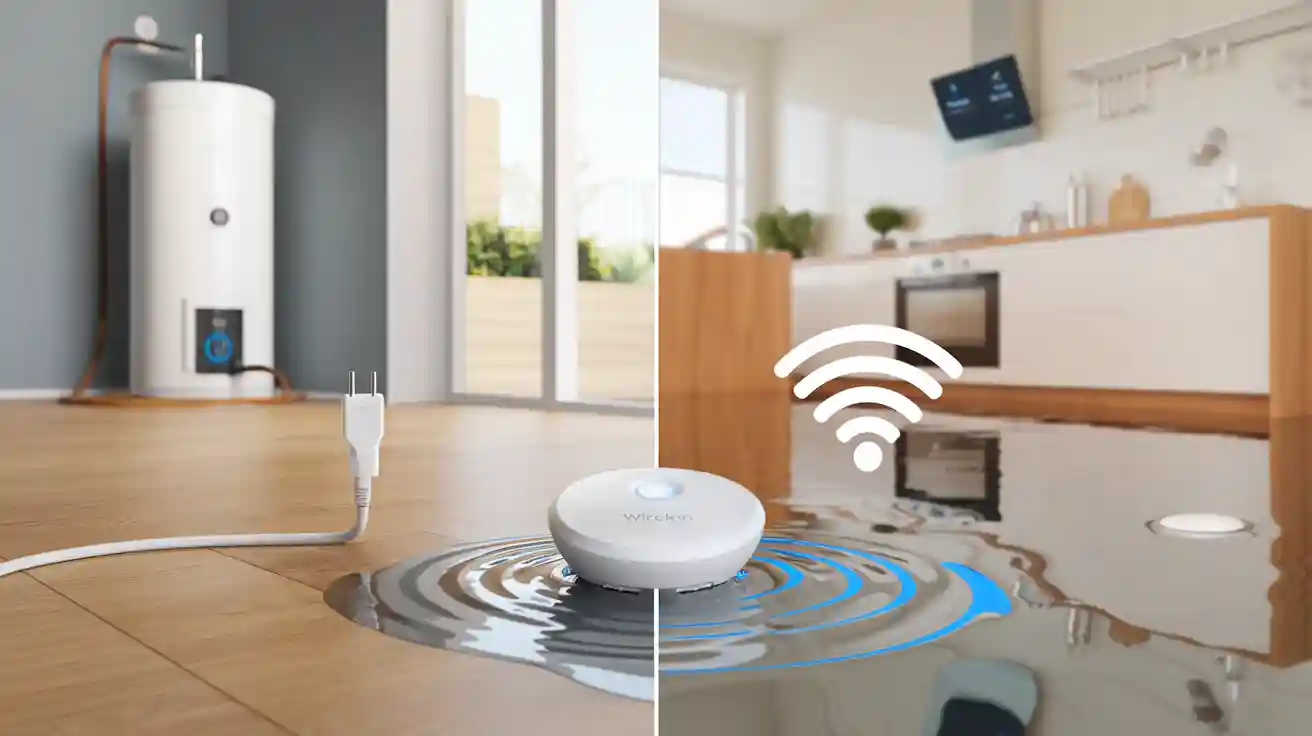
You face a real risk from hidden leaks in your home or business. Water leak sensors help you get early protection and prevent costly damage. Wired sensors offer strong protection and constant monitoring, but they need professional installation. Wireless sensors give you flexible installation and work well in places where running wires is hard. In 2025, water damage claims remain high, with most leaks coming from plumbing or appliances. The growing market for leak detection systems shows more people want better protection against this risk.
Water Leak Sensors: Wired vs. Wireless Comparison
Main Differences in Leak Detection Systems
You have two main choices when you want to protect your property from leaks: wired and wireless leak detection systems. Each type of system uses different technology and offers unique features. Understanding these differences helps you pick the right leak detector for your needs.
Here is a table that shows how these systems compare:
| Aspect | Wired Systems | Wireless Systems | Hybrid Systems |
|---|---|---|---|
| Installation Environment | Best for new construction, unfinished basements, crawl spaces | Ideal for finished homes or retrofit projects where wiring is difficult | Combination of wired and wireless to optimize installation challenges |
| Reliability | Very reliable, stable, interference-free | Potential interference, requires frequency compliance | Combines benefits of both wired and wireless |
| Installation Effort | More labor-intensive, higher upfront cost | Faster, easier installation, lower labor cost | Balances installation complexity |
| Maintenance | No battery replacement needed | Requires battery replacement approx. every 3 years | Depends on component type |
| Scalability | Less flexible, expansion requires wiring | Highly scalable, easier to expand | Flexible depending on configuration |
| Cost Considerations | Economical operation after installation | Higher operational costs due to battery maintenance | Varies based on mix of components |
Wired leak detection systems give you stable, interference-free connections. These systems work best in places with thick walls or lots of metal, like commercial buildings. Wireless systems make installation easy and flexible, especially in homes where running wires is hard. Wired systems cost more to install because of the wiring, but wireless systems need battery changes every few years. Wireless detectors can face interference, so you must check if they meet local frequency rules. Wired systems need less maintenance, while wireless systems need regular battery checks. If you want to add more sensors later, wireless systems make it simple. Wired systems work well for large, long-term projects. You should also think about how each system fits with your building management or smart home setup.
Choosing Wired Water Leak Sensors for Maximum Protection
If you want the highest level of protection, wired water leak sensors are the top choice. These sensors use advanced materials and technology to find leaks quickly and accurately. You can use them to detect water and even corrosive chemicals. Wired sensors use addressable sense cables, which means they monitor for leaks all the time without stopping. This is very important in places like data centers, industrial plants, or any area where a leak could cause big problems.
Wired sensors have a strong, durable design. They work well in harsh or hazardous environments. You can connect them to building management systems, so you get real-time alerts if a leak happens. This fast response helps you stop damage before it gets worse. Wired sensors can show you the exact spot where a leak starts, so you can fix it quickly and avoid downtime.
Tip: Wired water leak detection systems are perfect for new buildings, unfinished basements, or crawl spaces where you can easily run wires. You do not need to worry about changing batteries, which makes them great for long-term use.
You can use wired sensors in many places, from small offices to huge factories. Their strong build, accuracy, and constant monitoring give you the best protection against leaks and water damage.
Choosing Wireless Water Leak Sensors for Flexible Installation
Wireless water leak sensors give you the freedom to place detectors wherever you need them most. You do not need to run wires, so you can put sensors under kitchen sinks, behind washing machines, or in crawl spaces. This flexibility makes wireless systems a great choice for finished homes or buildings where adding wires would be hard or expensive.
Wireless sensors work well in places that are hard to reach, like under appliances or in tight corners. You can even use extension cables to cover bigger areas. These sensors are also tough enough for dusty or damp spots, such as elevator shafts or garages. You can move them if you change your room layout or add new appliances.
Many homeowners pick wireless leak detection devices because they are easy to install. You can set them up yourself without hiring a professional. Wireless systems also work with smart home technology, so you get alerts on your phone if a leak happens. This helps you act fast and keep your property safe.
- Wireless sensors are battery-powered, so you must check and replace batteries every few years.
- You may face some wireless interference, but new technology is making these systems more reliable.
- Wireless systems let you add more sensors easily if you want to expand your leak detection coverage.
Wireless water leak sensors help you protect your home or business from leaks in places where wired systems cannot reach. They offer a simple, cost-effective way to get strong leak protection and peace of mind.
Pros and Cons of Wired Water Leak Detection Systems
Reliability and Continuous Protection
You get strong reliability with a wired leak detection system. These systems use direct connections, so you do not worry about wireless interference. Wired sensors and detectors send signals without delay. You can trust them to work in places with thick walls or metal structures. Hard-wired systems focus on stable sensor performance and integration with building controls.
Here is a table showing how reliability metrics compare:
| Metric | Description | Impact on Reliability |
|---|---|---|
| Packet Delivery Ratio (PDR) | Shows how many signals reach the control panel. Wired systems keep this high. | High PDR means you get alerts quickly. |
| Energy Consumption | Wired sensors use building power, so you do not worry about batteries. | Stable power keeps the system running. |
| Average Throughput | Wired detectors handle lots of data without lag. | Fast data flow means you spot leaks sooner. |
You get continuous protection because the system monitors for leaks 24/7. You do not need to check batteries or worry about lost signals.
Installation Challenges and Tips
Installing a wired leak detection system takes planning. You need to run cables through walls, floors, or ceilings. This works best in new buildings or during major renovations. Hard-wired systems may require a professional installer. You might face higher upfront costs and more disruption to your space.
Tip: Plan sensor placement before you start. Place each detector near pipes, water heaters, and appliances. Mark cable routes to avoid mistakes.
If you want the best results, follow the manufacturer's guide. Test each sensor after installation to make sure the system detects leaks in every area.
Maintenance and Long-Term Value
Wired leak detection systems need little maintenance after setup. You only need to check the system once a year and schedule a professional inspection every few years. Sensors in these systems last 10-15 years. You do not need to replace batteries, so you save time and money.
Here is a table comparing maintenance and costs over five years:
| Aspect | Wired Systems | Wireless Systems |
|---|---|---|
| Maintenance Frequency | Annual checks; rare professional visits | Frequent battery changes; more effort |
| Sensor Replacement | Rare, lasts 10-15 years | May need new sensors every 3-5 years |
| Battery Costs | None | $30-$50 per year |
| Upfront Installation Cost | $800-$1,500 | $200-$600 |
| Long-term Cost over 5 years | Lower | Higher |
You get long-term value from a wired leak detection system. The system protects your property with less effort and lower costs over time.
Cost and Budget Considerations
When you choose a water leak detection system, cost plays a big role. You want to protect your property, but you also need to stay within your budget. Here is what you should know about the costs in 2025:
- Basic water leak sensors start at about $20. Advanced systems can cost more than $200.
- Professional installation usually adds 10% to 30% to the total price. The more complex the project, the higher the cost.
- Many systems let you install them yourself. DIY installation can save you a lot of money.
- Wired systems often cost more to install. You need to run wires and connect them to your plumbing or electrical system. This takes more time and can lead to extra labor charges.
- Ongoing costs for most systems are low. You may only need to replace batteries or test the system once in a while.
- Hybrid systems, which use both sensors and flow monitors, have the highest upfront costs. They also take more time to install.
You can see how costs compare in this table:
| System Type | Upfront Cost (per sensor) | Installation Effort | Ongoing Cost |
|---|---|---|---|
| Wired | $50–$200+ | High | Low (testing only) |
| Wireless | $20–$100+ | Low | Battery replacement |
| Hybrid | $100–$300+ | Very High | Low to moderate |
If you build a new home, you may find it easier to add a wired system. You can run wires before the walls go up. In an existing home, wireless systems usually make more sense. You avoid cutting into walls or ceilings, and you finish the job faster.
Tip: Always plan your budget for both the initial setup and future maintenance. A system that costs less upfront may need more care or battery changes later.
Choosing the right system means balancing your need for protection with your budget. Think about your home's layout, your willingness to do some work yourself, and how much you want to spend over time.
Pros and Cons of Wireless Water Leak Sensors
Flexibility and Easy Installation
You will notice the flexibility and ease of installation as top features of wireless water leak sensors. These detectors use radio signals, so you do not need to run wires through walls or ceilings. You can place a sensor almost anywhere you expect a leak, such as under sinks, behind appliances, or in crawl spaces. This makes the system ideal for both new construction and retrofit projects.
- Wireless sensors work well in areas where power or network cables are hard to install.
- You can deploy a detector quickly, even before building power is available.
- The battery-powered design lets you move each sensor if you change your room layout.
- You save time and money because you do not need a professional installer.
- Wireless systems reduce installation costs and make it easy to expand your leak detection system later.
You get great placement flexibility and fast setup, which means you can protect more areas from leaks with less effort. The ease of installation stands out as a major benefit for homeowners and renters alike.
Battery Life and Ongoing Maintenance
You need to check the battery life of each wireless leak detector. Most sensors use batteries that last up to two years, but some premium models, like the Abode Water Leak Sensor, can last up to five years. If you use high-quality batteries, you may not need to replace them as often. Factory-installed batteries sometimes run out sooner, so you should check them after installation.
You should plan to test each detector regularly and replace batteries when you receive a low battery notification. This helps you keep your leak detection system working at its best. If you forget to change the batteries, you might miss important leak alerts. Regular maintenance ensures you always get timely alerts and notifications when a leak happens.
Wireless Connectivity and Protection Concerns
Wireless water leak sensors rely on strong connections to send alerts. Different wireless protocols have unique strengths and weaknesses. The table below shows common issues and how they affect your leak protection:
| Wireless Protocol | Common Connectivity Issues | Impact on Water Leak Sensor Protection |
|---|---|---|
| WiFi | Short range, interference from walls, power dependency | Limits sensor placement, may cause missed alerts or coverage gaps |
| Bluetooth | Very short range, signal loss, security risks | Requires more detectors, can lose connection, limits remote alerts |
| LTE-M | Environmental factors can affect signal | Usually reliable, but signal loss can delay leak alerts |
You should place each detector where it can maintain a strong connection to your system. Thick walls or metal objects can block signals and reduce the reliability of leak alerts. If your system loses connection, you may not receive a notification when a leak starts. Always test your wireless system after installation to make sure you get alerts in every area you want to protect.
Wireless systems offer many features and benefits, but you must stay aware of their limits. With careful placement and regular checks, you can trust your leak detection system to keep your property safe.
Cost and Value for Homeowners
When you choose a water leak detection system, you want to know how much it will cost and what value it brings to your home. Both wired and wireless systems have different price points and benefits. You should look at the full picture before making a decision.
Here is a table that shows how the costs compare:
| Cost Aspect | Wired Water Leak Sensors | Wireless Water Leak Sensors |
|---|---|---|
| Installation Cost | Higher due to professional installation and wiring effort | Lower due to simpler, often DIY installation |
| Initial Purchase Price | Varies widely; depends on features and brand | Varies widely; depends on features and brand |
| Maintenance Cost | Generally lower; fewer ongoing costs | Requires battery replacements and monitoring |
| Reliability | More stable, no connectivity issues | May face connectivity issues; battery life must be managed |
| Flexibility in Placement | Limited by wiring and power source | High flexibility due to battery operation |
| Long-term Cost | Higher upfront installation, potentially lower maintenance | Lower installation cost but ongoing battery maintenance |
You will notice that wired systems often cost more at the start. You may need a professional to install them, which adds to the price. Over time, you spend less on maintenance because you do not need to replace batteries. These systems give you strong reliability and peace of mind.
Wireless sensors cost less to install. You can set them up yourself, which saves money. You do need to check and replace batteries every few years. This adds a small ongoing cost. You get more freedom to place sensors wherever you need them.
Tip: Think about your home's layout and your budget. If you want easy setup and flexible placement, wireless sensors work well. If you want long-term savings and strong reliability, wired systems may fit your needs better.
You should weigh the upfront cost against the long-term value. Both options help protect your home from water damage, but the best choice depends on your situation.
Hybrid Leak Detection System Options
What Is a Hybrid Water Leak Detection System?
A hybrid water leak detection system combines both wired and wireless detectors to give you the best protection for your property. You get the benefits of multiple technologies, such as spot detectors, flow-based sensors, acoustic monitoring, and zone-based coverage. This system uses both direct wiring and wireless connections, so you can place each detector exactly where you need it. Hybrid integration lets you monitor for leaks in hard-to-reach areas and open spaces at the same time. You receive real-time alerts and notifications on your phone, which helps you act quickly if a leak starts. The system can even shut off your water supply automatically, stopping damage before it spreads. Hybrid integration also supports data analytics, so you can track water pressure, flow, and humidity for preventive maintenance.
Who Benefits from Hybrid Protection?
You benefit most from hybrid protection if you manage a large or complex property. Hybrid systems work well in places with different risk levels, old pipes, or critical equipment. Here are some examples:
- Large commercial complexes and mixed-use high-rises
- Medical office buildings with sensitive equipment
- Retail complexes with many tenants
- Manufacturing facilities using process water or cooling systems
- Buildings with critical operations, such as data centers or healthcare
Hybrid integration gives you early leak detection, operational continuity, and reduced insurance costs. Facility managers in Brooklyn and Staten Island have used these systems to cut water damage claims and lower insurance premiums. For example, a DUMBO office complex prevented major incidents and achieved a full return on investment. A medical office building stopped a concealed leak before it caused over $500,000 in damage. Hybrid integration also helps properties with limited on-site staff by providing remote monitoring and automatic shutoff.
Smart Home Integration for Leak Detection
In 2025, hybrid leak detection systems offer advanced integration with smart home platforms. You can place remote detectors behind toilets, under water heaters, or near HVAC pumps. These detectors send instant alerts to your smartphone, so you always know if a leak happens. AI-powered monitoring checks pressure, flow, and temperature, reducing false alarms and improving accuracy. If a detector finds a leak, the system can shut off your water or HVAC equipment automatically. This integration keeps your home safe, even when you are away. You get real-time alerts, remote control, and automated responses, all in one system. Many users praise the ease of installation, loud alarms, and reliable notifications. Hybrid integration also helps you save water and lower your bills, making your home safer and more efficient.
Installation Guide for Water Leak Sensors
Installing Wired Water Leak Sensors: Step-by-Step
You can install a wired water leak sensor by following a few simple steps. This process works well for both homes and businesses. You do not need special software or a computer for this installation.
- Attach the water leak detection cable along the pipe or area you want to monitor. Make sure the cable covers the full length where a leak might start.
- Connect the sensor to the base unit using a CAT6 or higher RJ45 cable. This cable powers the sensor and sends leak alerts.
- Choose a mounting option for the sensor. You can use a rack, DIN rail, magnet, or wall mount. Pick the method that fits your space best.
- Plug in the sensor. The system is plug-and-play, so you do not need extra setup.
- Test the system by placing a small amount of water near the cable. The sensor should trigger an alert right away.
You will receive notifications by email or other methods when a leak is detected. This setup gives you strong protection and helps you act fast.
Installing Wireless Water Leak Sensors: Step-by-Step
Wireless water leak sensors offer fast installation and flexibility. You can place them in hard-to-reach spots or move them as needed.
- Start by choosing the best locations for leak detection, such as under sinks, near water heaters, or behind appliances.
- Place the sensor flat on the floor or surface where a leak could happen.
- Follow the manufacturer's instructions to pair the sensor with your main hub or app.
- Test each sensor by adding a few drops of water. Make sure you get an alert on your phone or system.
- Move or add sensors if you want to cover more areas.
Wireless sensors help you protect your home from leaks without running wires.
Common Installation Mistakes to Avoid
You can avoid many problems by watching out for these common mistakes:
- Placing a sensor too far from the leak risk area. Always put the sensor close to where water could escape.
- Forgetting to test the system after installation. Always check that each sensor triggers an alert.
- Blocking the sensor with furniture or boxes. Keep the area clear so the sensor can detect leaks.
- Skipping battery checks for wireless sensors. Replace batteries as needed to keep leak alerts working.
- Ignoring the manufacturer's instructions. Each system may have special steps for the best leak protection.
Tip: Careful installation and regular testing help you catch leaks early and prevent water damage.
Best Practices for Leak Detection System Maintenance
You want your water leak detection system to work when you need it most. Good maintenance keeps your sensors reliable and your property safe. Follow these best practices to make sure your system stays in top shape:
- Place sensors in high-risk spots, such as near water heaters, under sinks, and close to HVAC systems. These areas often have the highest chance of leaks.
- Clean each sensor gently. Dust or grime can block the sensor and stop it from working right.
- Keep a record of all maintenance activities. This helps you track system health and meet warranty or insurance needs.
- Train everyone who uses the system. Make sure they know how to spot problems and understand safety rules.
Tip: Use maintenance management software to schedule tasks and keep records. This makes it easy to remember when to test or replace parts.
You should also follow a regular schedule for system checks:
- Test each sensor every month to make sure it works and responds to water.
- Replace batteries in wireless sensors every three months. This prevents sudden failures.
- Run a full system test, including alarms and notifications, twice a year.
- Arrange for a professional inspection once a year. A technician can spot issues you might miss.
- Update software and firmware when new versions come out. This keeps your system secure and adds new features.
- Calibrate sensors if you notice false alarms or missed leaks, especially after changes in your building.
- Add leak detection system checks to your building’s regular maintenance routine.
Regular monitoring and care help you catch leaks early and avoid costly damage. You protect your investment and keep your property safe.
Recommendation Matrix: Choosing Your Leak Detection System
Checklist for Homeowners Seeking Protection
As a homeowner, you want to protect your property from every possible leak. You face the risk of water damage from appliances, pipes, and even weather. The right leak detection system helps you catch problems early and avoid costly repairs. Use this checklist to guide your decision:
- Check Compliance: Make sure your leak detection system meets building codes and industry standards. This ensures safety and effectiveness in your home.
- Choose Advanced Technology: Look for systems with thermal imaging or acoustic sensors. These features help you find leaks quickly and accurately.
- Smart Home Integration: Select a system that connects with your smart home devices. Wi-Fi connectivity and automatic shut-off valves give you fast alerts and quick responses to leaks.
- Continuous Monitoring: Pick a system with reliable power. Long battery life or hardwired options with backup batteries keep your leak protection running at all times.
- Professional Assessment: Schedule an expert to assess your home. Professionals use special tools to find hidden leaks and recommend the best system for your needs.
- Regular Maintenance: Test your leak detectors every month. Check batteries, clean sensors, and keep your system sensitive to new leaks.
- Easy Installation: Choose compact, attractive models that you can install yourself. If you prefer, hire a professional for a more complex setup.
- Strategic Placement: Place sensors near washing machines, water heaters, and other high-risk areas in your home.
- AI and Machine Learning: Consider systems that use AI for better leak detection. These systems learn from past leaks and improve over time.
- Remote Monitoring: Make sure you can get alerts on your phone. This helps you act fast, even when you are not at home.
Tip: A good leak detection system gives you peace of mind. You protect your home, your belongings, and your family from the risk of water damage.
Checklist for Renters and Temporary Installations
If you rent your home, you still face the risk of leaks. You need a solution that does not damage the property or require major changes. Use this checklist to find the best leak protection for your situation:
- Look for automatic leak detection that alerts you before you see damage.
- Pick a system with easy installation. Choose models that do not need tools or permanent fixtures.
- Select leak detectors with long battery life, up to six years, so you do not need to replace batteries often.
- Choose systems that offer real-time remote monitoring. Some work without Wi-Fi, using networks like LoRaWAN.
- Make sure the system minimizes false positives. You want accurate alerts for real leaks, not false alarms.
- Place sensors in high-risk spots: under sinks, near washers, in utility rooms, and around plumbing.
- Check if the system works with building management systems. This helps you get better leak detection in shared spaces.
- Choose non-invasive devices. You want to avoid making holes or changes to your rental home.
- Test the sensitivity of each sensor. Early leak detection helps you avoid big problems.
- Ask your landlord if you can add leak detectors. Many property owners support extra protection.
Note: Non-invasive leak detection keeps your rental safe and helps you avoid costly repairs or disputes.
Checklist for Businesses and Commercial Properties
Businesses and commercial properties face a higher risk from leaks. You need a system that covers large areas, protects valuable equipment, and keeps your operations running. Use this checklist to choose the right leak detection system:
| Feature | Why It Matters for Your Business |
|---|---|
| Battery Backup & UPS Integration | Keeps leak detection active during power outages |
| Communication Failover | Switches from Ethernet to cellular if needed |
| Security & Encryption | Protects your data and system from threats |
| Real-Time Alerts | Notifies you instantly to stop leaks fast |
| Automatic Shutoff | Stops water flow to limit damage |
| Integration with Building Systems | Centralizes leak monitoring and control |
| Scalability | Expands as your business grows |
| AI & Machine Learning | Detects leaks and patterns early |
| Professional Assessment | Customizes your system for your unique risks |
| Certified Installation | Ensures proper setup and ongoing support |
| Staff Training | Prepares your team to respond to leaks |
| Water Quality Monitoring | Adds another layer of protection |
- Choose a provider with a strong reputation in commercial water management.
- Use ultra-sensitive acoustic sensors and wireless mesh networks for better leak coverage.
- Set up comprehensive alerting: SMS, push notifications, email, and phone calls.
- Plan for coverage in all high-risk areas, not just the main water lines.
- Invest in a system that offers a fast return on investment. One leak can cost more than the system itself.
- Schedule regular maintenance and risk assessments to keep your leak detection system effective.
Callout: Early leak alerts and automated responses save your business from major losses. You protect your property, your staff, and your bottom line.
You want the best protection for your home as a homeowner. Wired water leak sensors give you strong reliability and work well for permanent setups. Wireless options let you place sensors anywhere, making them easy for any homeowner to install. See the table below for a quick comparison:
| Feature | Wired Water Leak Sensors | Wireless Water Leak Sensors |
|---|---|---|
| Installation | Needs wiring, often professional | Easy, battery powered, no wiring |
| Reliability | Very reliable, no Wi-Fi or battery needed | Needs battery and Wi-Fi, check often |
| Placement | Limited by wires | Flexible, fits hard-to-reach leak spots |
| Maintenance | Low, but changes need a pro | Check batteries and Wi-Fi often |
| Extra Features | Can link to security systems | Real-time alerts, cloud logging, smart home ready |
To choose the right leak system, follow these tips:
- Place sensors near leak-prone spots like water heaters and under sinks.
- Test each sensor monthly.
- Pick models with long battery life or backup power.
- Use smart features for real-time alerts.
- Clean sensors to keep them sensitive.
Act now as a homeowner. Install water leak sensors before a leak causes costly damage. Early action saves money and keeps your home safe.
FAQ
How often should you test your water leak sensors?
You should test your sensors once a month. Place a small amount of water near each sensor. Make sure you get an alert. Regular testing helps you catch problems early.
Can you install wireless leak sensors yourself?
Yes, you can install wireless sensors on your own. Follow the instructions in the box. Place each sensor where leaks may happen, like under sinks or near water heaters. No tools needed.
Do wired sensors work during a power outage?
Most wired sensors need power from your building. Some systems have battery backups. Check your system’s manual. If you want protection during outages, choose a model with backup power.
What is the average battery life for wireless leak sensors?
Most wireless leak sensors last two to five years on one set of batteries. Some high-end models last even longer. Always check the battery status in your app or on the device.
Where should you place water leak sensors for best results?
Put sensors near water heaters, under sinks, behind washing machines, and close to pipes. These spots have the highest risk for leaks. Good placement helps you catch leaks fast.


