
What Makes Ultrasonic Water Level Sensors Reliable for Water Monitoring
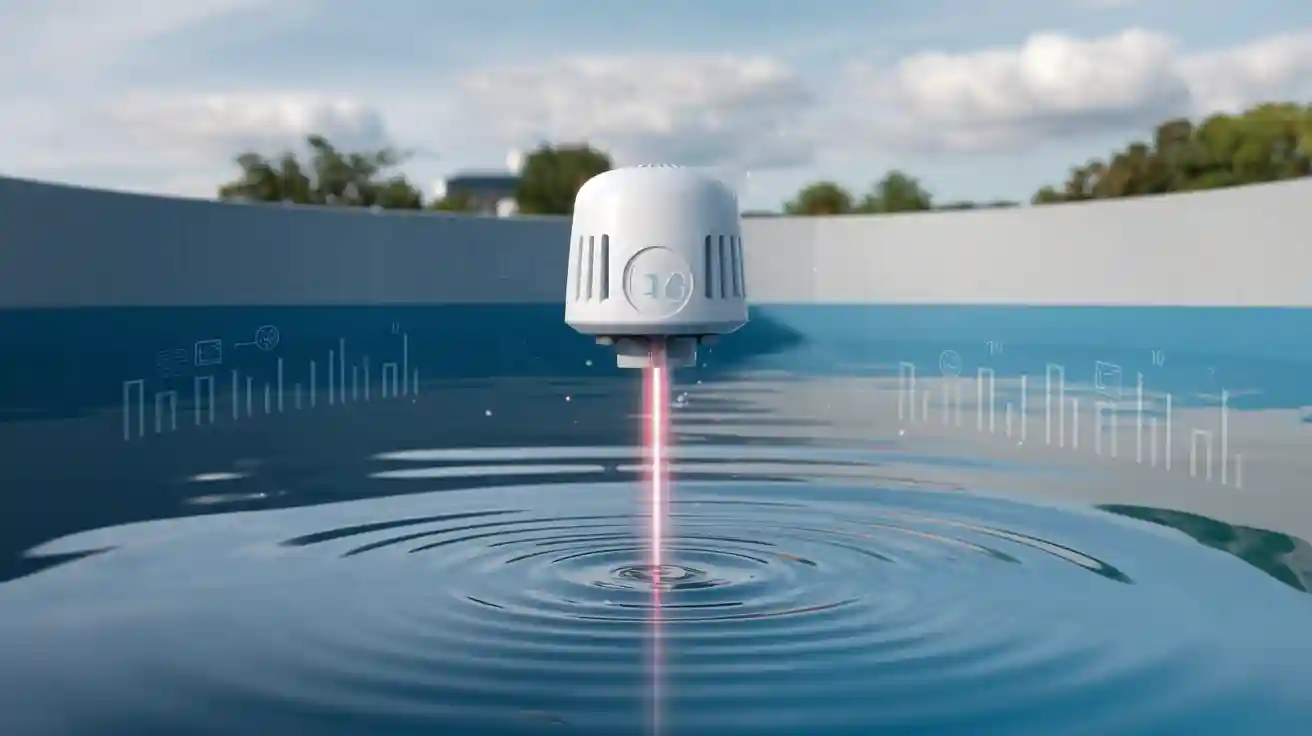
When you use an ultrasonic water level sensor, you get accurate and stable readings for water monitoring. This sensor works without touching the water, so you see fewer errors and less need for repairs. You can rely on ultrasonic water level sensors in tough places because they resist dust, moisture, and temperature changes. The table below shows how ultrasonic sensors like USS1 and USS2 reach up to 98.7% accuracy, which is higher than other sensors.
| Sensor Type | Accuracy in Pure Water | Error Range (%) |
|---|---|---|
| USS1 | 98.5% | 1 - 2 cm off |
| USS2 | 98.7% | 1 cm off |
| IR Sensor | 93.6% | 1.9% - 6.4% |
Ultrasonic Water Level Sensor Technology
Principle of Ultrasonic Measurement
You might wonder, how do ultrasonic water level sensors work? The answer lies in the principle of "time of flight." An ultrasonic level sensor sends out a high-frequency sound pulse toward the water surface. When this pulse hits the water, it bounces back to the sensor. The sensor measures the time it takes for the echo to return. By using this time, the sensor calculates the distance to the water level. This method gives you accurate and reliable measurements without touching the water.
Ultrasonic sensors also help you monitor water levels in real time. You get immediate access to important information, so you can respond quickly to changes. These sensors update water level data continuously. This real-time data helps you make smart decisions, like adjusting water release rates or managing flood control systems.
Key Components of an Ultrasonic Level Sensor
Every ultrasonic level sensor has several important parts that work together to give you reliable results. Here is a table that shows the main components and their functions:
| Component | Function |
|---|---|
| Ultrasonic Transducer | Converts electrical energy into sound waves and receives reflected waves for signal conversion. |
| Microcontroller and Signal Processor | Analyzes received signals to calculate distance, ensuring precise measurements. |
| Housing and Protection | Protects the sensor from environmental factors, enhancing durability and accuracy. |
Modern ultrasonic level sensors use high-frequency transducers, usually between 40 kHz and 1 MHz. These sensors often include sound velocity compensation algorithms. This feature helps you get reliable data, even when the temperature changes. Many sensors now have wireless communication modules, like 4G or NB-IoT. These modules let you upload data to cloud platforms in real time.
Note: Recent advancements in ultrasonic technology have improved accuracy, durability, and wireless connectivity. Smaller sensor designs now make installation easier, even in tight spaces.
Reliability Factors of Ultrasonic Water Level Sensors
Non-Contact Measurement Benefits
When you use an ultrasonic water level sensor, you avoid many problems that come with traditional sensors. These sensors do not touch the water, so you do not have to worry about debris building up or damaging the sensor. You install the ultrasonic level sensor above the water surface, which keeps it safe from turbulent water and floating contaminants. This non-contact measurement method helps you measure the level without interference from sludge or chemicals.
- You get fewer errors because the sensor does not get blocked by dirt or algae.
- Maintenance becomes easier and safer since you do not need to reach into the water.
- The sensor lasts longer because it does not wear out from constant contact with water.
Non-contact level measurement also means you can measure the level in harsh environments, such as flood zones or tanks with corrosive liquids. You get real-time level measurement without risking damage to the sensor. This approach gives you high accuracy and precision, even when water conditions change quickly.
Tip: Non-contact ultrasonic water level sensors help you avoid costly repairs and downtime. You spend less time cleaning and more time getting reliable data.
Resistance to Environmental Factors
Ultrasonic water level sensors work well in many different environments. You can use them in places with high humidity, dust, or temperature changes. These sensors have strong housings that protect them from moisture and dirt. Some models include temperature sensors that adjust readings automatically, so you always get accurate results.
- Temperature changes can affect how sound waves travel. Modern ultrasonic sensors use built-in temperature compensation to keep measurements correct.
- High humidity may cause condensation, but proper installation and regular checks help prevent this problem.
- Dust and poor water quality can damage other sensors, but ultrasonic water level sensors resist these issues.
You can measure the level in tanks, rivers, or reservoirs, even when the water is dirty or full of particles. The sensor keeps working because it does not touch the water. Adaptive signal processing helps the sensor adjust to changing conditions, so you get consistent data.
| Environmental Factor | Impact on Sensor | Solution Used by Ultrasonic Sensors |
|---|---|---|
| Temperature | Changes sound speed | Temperature compensation algorithms |
| Humidity | Causes condensation | Protective housing and installation |
| Dust | Blocks sensor surface | Regular cleaning and strong casing |
| Water Quality | Damages probes | Non-contact design |
Note: You should install the ultrasonic level sensor away from strong electrical equipment to avoid interference. Good grounding and shielding help keep your measurements accurate.
Consistent Accuracy and Performance
You want your water monitoring system to give you reliable results every time. Ultrasonic water level sensors deliver consistent accuracy and performance. These sensors can measure the level with an error of less than ±0.25%, even over long distances. You can trust the readings because the sensor uses real-time data and adjusts for temperature changes.
| Measurement Distance | Accuracy |
|---|---|
| Full-scale range | ±0.36 inches |
| 75 inches | ±0.18 inches |
| General accuracy | ±0.1% to ±0.25% |
- Regular calibration helps you keep the sensor working at its best.
- You can use ultrasonic water level sensors for years because they have no moving parts and resist wear.
- Studies show that these sensors keep their accuracy over time, even in tough conditions.
If you need to measure the level in a place with steam, bubbles, or foam, you can use a protective cover or choose a spot with less interference. You should ground the sensor and use a separate power supply to avoid electromagnetic problems. These steps help you get high accuracy and precision in your measurements.
Callout: Ultrasonic water level sensors use less energy than radar sensors. You save power while getting reliable, real-time level measurement.
Installation and Maintenance of Ultrasonic Level Sensors
Easy Installation Process
You will find that installing an ultrasonic level sensor is a user-friendly setup. The process is much simpler than with many other sensors. You do not need to submerge anything or handle complex wiring. You can follow these steps to install your ultrasonic sensor:
- Select an ultrasonic level sensor with a range that matches your tank or reservoir height.
- Place the sensor vertically above the water, making sure it is not near walls or where water flows in.
- Check that nothing blocks the area where the ultrasonic waves travel.
This non-contact measurement method keeps the sensor safe from water and debris. You can measure the level without worrying about damage or interference. The setup works well for both small tanks and large reservoirs. You get high accuracy and precision from the start. Many users appreciate how quickly they can complete the installation and begin to measure the level.
Tip: Always double-check the sensor’s position before you start using it. This helps you avoid errors and ensures the best results.
Low Maintenance Requirements
Ultrasonic sensors need very little maintenance. You do not have to clean or replace parts often. The non-contact design means the sensor does not touch water, so it stays free from buildup. You can trust the sensor to measure the level accurately for a long time.
Regular calibration helps you keep the sensor’s accuracy high. The table below shows what you should know about calibration and reliability:
| Key Point | Description |
|---|---|
| Calibration Frequency | Regular calibration is necessary to maintain sensor accuracy. |
| Environmental Impact | Sensors may perform differently under varying environmental conditions. |
| Sensor Drift | Temporal shifts in sensor response can lead to inaccuracies over time. |
| Fouling Issues | Biofouling can degrade sensor performance, necessitating cleaning mechanisms. |
| Long-term Reliability | Continuous exposure to water can lead to wear and corrosion, impacting sensor accuracy over time. |
You may notice changes in readings if you skip calibration. Some users worry about sensor drift or fouling, but these issues are rare with ultrasonic sensors. You can measure the level reliably for years with only basic care.
- You avoid frequent repairs because the sensor has no moving parts.
- You spend less time on maintenance, so you can focus on monitoring water levels.
- You benefit from a user-friendly setup that supports long-term use.
Note: If you use the sensor in harsh environments, check it regularly for dust or condensation. This simple step helps you maintain high accuracy and precision.
Real-World Applications of Ultrasonic Water Level Sensors
Industrial Water Tank Monitoring
You can use ultrasonic water level sensors in many industrial settings. These sensors help you measure the level in water tanks with high accuracy. You get continuous monitoring, which gives you important data for making decisions and planning for the future. If you want to detect leaks, the sensor can alert you by tracking water flow and system integrity. Early warnings from rising water levels help you prevent floods and protect your equipment.
- Continuous monitoring supports better planning and safety.
- Leak detection helps you fix problems before they get worse.
- Flood prevention keeps your facility safe.
Ultrasonic sensors work well because they use non-contact measurement. You do not need to worry about the sensor getting damaged by water or chemicals. You can rely on these sensors for real-time data and long-term performance.
Municipal Water System Management
You can improve efficiency and save money by using ultrasonic water level sensors in municipal water systems. These sensors help you measure water levels and control pump operation. You can reduce water and electrical consumption by only running pumps when needed. Some cities have saved up to 70% of water per day with these systems. Both users and water providers benefit from lower costs and better resource management.
- Water savings reach up to 70% per day.
- Economic benefits help users and providers.
- Efficient pump control reduces waste.
Ultrasonic level sensor systems also support automation and alert systems. You get precise monitoring and quick responses to changes in water level. This helps you prevent overflow and shortages.
Remote and Harsh Environment Use Cases
You can trust ultrasonic water level sensors in remote-level monitoring applications. These sensors work in harsh environments, such as water plants, harbors, and off-road robotics. The eRTIS system uses a sealed aluminum enclosure and IP-rated connectors for extra reliability. You can measure the level even when conditions are tough. Many industries prefer ultrasonic sensors over radar because of lower costs and specific advantages and applications.
- Rugged design keeps sensors working in tough places.
- Reliable sensing in water plants and harbors.
- Lower costs compared to radar technology.
You can use ultrasonic sensors for remote monitoring and preventive maintenance. Real-time data lets you manage multiple locations efficiently. You can identify leaks quickly and keep your systems running smoothly.
| Industry/Sector |
|---|
| Agriculture |
| Municipal Water Management |
| Manufacturing |
| Oil & Gas |
| Commercial Buildings |
Tip: Ultrasonic water level sensors offer strong performance in many applications. You can measure the level with high accuracy and depend on these sensors for reliable monitoring.
Choosing the Right Ultrasonic Water Level Sensor
Ideal Scenarios for Ultrasonic Sensors
You can use an ultrasonic water level sensor in many situations. These sensors work best when you need to measure the level of water without touching it. You might find them helpful in tanks, reservoirs, and open channels. If you want a user-friendly setup, ultrasonic sensors make installation easy. You do not need to worry about water damaging the sensor because it stays above the surface.
Ultrasonic sensors give you real-time data in places where you need quick decisions. You can use them in industrial applications, municipal water systems, and remote locations. These sensors help you measure the level with high accuracy, even when the water is moving or dirty. You can trust them for flood control, irrigation, and water treatment plants.
Tip: Choose ultrasonic sensors when you need reliable, low-maintenance monitoring in tough environments.
Limitations and Considerations
You should know some challenges before you select ultrasonic sensors for your applications. Foam or bubbles on the water surface can confuse the sensor. The ultrasonic waves may bounce in different directions, making it hard to measure the level correctly. Sometimes, the sensor might misread the distance because foam or bubbles absorb or scatter the sound waves. This can lower the accuracy of your readings.
- Signal reflection and absorption can happen with foam or bubbles.
- Incorrect distance calculation may result from surface interference.
- Ultrasonic attenuation reduces the energy of sound waves, making detection harder.
You need to check if your site has these issues. You can reduce problems by placing the sensor away from areas with heavy foam or bubbles. Regular calibration helps keep your readings accurate.
You also need to make sure your sensor meets safety and environmental standards. The table below shows some important certifications and requirements for ultrasonic water level sensors:
| Standard/Regulation | Requirement |
|---|---|
| IP Ratings | Environmental protection levels |
| Hazardous Location Certifications | Safety ratings for dangerous environments |
| EPA Requirements | Environmental monitoring standards |
| Industry-Specific Standards | Application-specific certifications |
You should look for sensors with the right certifications for your setup. This helps you follow rules and keep your system safe.
Note: Always check the sensor’s specifications and certifications before you install it. This step helps you avoid problems and ensures long-term reliability.
You can trust ultrasonic water level sensors for reliable water monitoring in many environments. These sensors work well in harsh conditions and often outperform radar technology in wastewater treatment. You see cost-effective results, but pressure sensors may offer lower long-term costs for some projects.
- Many users prefer ultrasonic water level sensors for efficiency and safety.
- Ultrasonic sensors deliver accurate readings, even in tough water applications.
| Sensor Type | Long-term Cost Implications |
|---|---|
| Ultrasonic Sensors | Generally cost-effective but may have higher maintenance costs due to environmental factors. |
| Pressure Sensors | Often more cost-effective in the long run, especially in challenging environments, and require less maintenance. |
You gain peace of mind with consistent and trustworthy data from your ultrasonic water level sensor.
FAQ
How do you install an ultrasonic water level sensor?
You mount the sensor above the water surface. Make sure nothing blocks the sensor’s path. Connect the sensor to your monitoring system. Check the position for best accuracy. Most sensors come with clear instructions.
Can ultrasonic sensors measure dirty or cloudy water?
You can use ultrasonic sensors in dirty or cloudy water. The sensor does not touch the water. It sends sound waves from above. Dirt or particles rarely affect the measurement.
What maintenance do you need for ultrasonic water level sensors?
You clean the sensor housing if dust builds up. You check for condensation. You calibrate the sensor regularly. Most sensors need very little maintenance because they do not touch water.
Are ultrasonic water level sensors safe for outdoor use?
You can use ultrasonic sensors outdoors. Many models have weatherproof housings. They resist rain, dust, and temperature changes. Always check the sensor’s IP rating for outdoor safety.
What problems can affect ultrasonic sensor accuracy?
Foam, bubbles, or strong electrical interference can cause errors. You place the sensor away from these issues. Regular calibration helps you keep measurements accurate.


