
How a Waste Bin Monitoring System Works: A Complete Overview
A waste bin monitoring system is an integrated technology solution. It uses sensors and software to track the status of waste containers in real-time. The primary purpose of this system is to provide the critical data necessary for optimizing collection logistics. It helps organizations reduce operational costs and dramatically improve public sanitation.
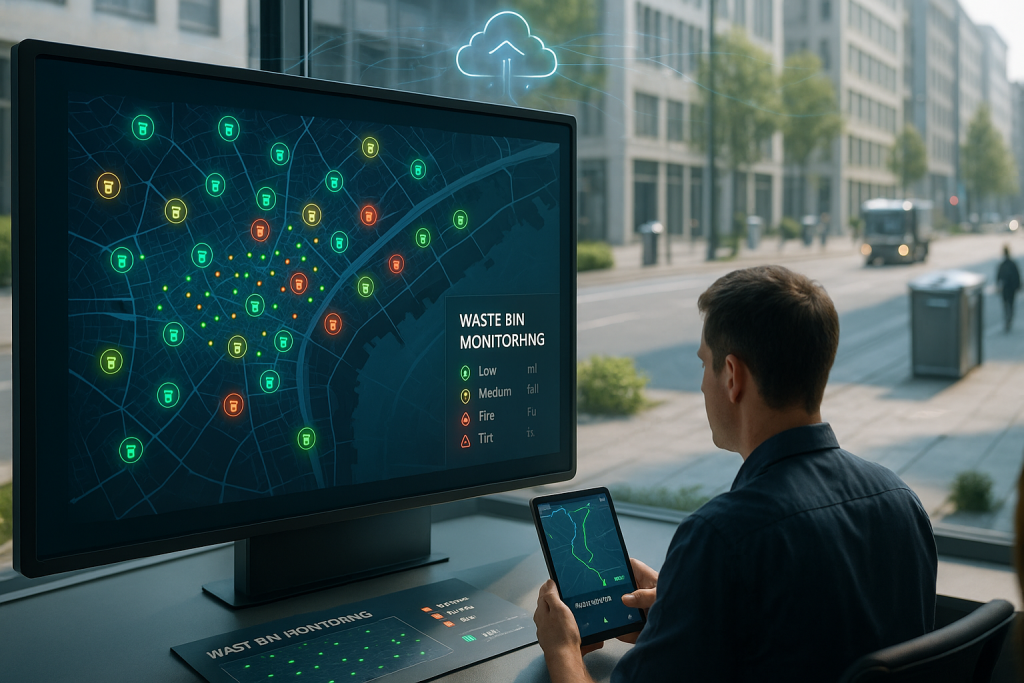
This is achieved by moving away from outdated, inefficient schedules. Instead, the system enables a dynamic, on-demand approach to waste management. It is built on key elements like IoT sensors, a reliable communication network, and a central analytics platform. This guide offers a complete overview of this transformative technology.
What is a Waste Bin Monitoring System?
A waste bin monitoring system is a complete ecosystem of hardware and software. It is designed to give waste managers total visibility over their network of containers. It answers the fundamental questions that traditional methods could not. Which bins are full? Which are empty? What is the most efficient way to collect the full ones right now? By providing clear, data-backed answers, the system replaces guesswork with intelligence.
In a traditional "blind" system, collection trucks follow the same route day after day. This method is inherently inefficient. It leads to wasted fuel, labor, and time servicing bins that are not full. It also fails to prevent overflows in bins that fill up faster than expected. A monitoring system solves both of these problems. It ensures that collection efforts are focused only where they are needed. This technology is a cornerstone of modern smart city infrastructure. It brings the power of data to a vital public service.
The Architecture of a Monitoring System
A comprehensive waste bin monitoring system is composed of four distinct but interconnected layers. Each layer has a specific function, working together to turn a sensor reading into a smarter operational decision. This is the only section where we will use bullet points to clearly outline the system's architecture.
- The Sensing Layer: This is the foundation of the system. It consists of the physical hardware deployed in the field. The most important components are the advanced sensors installed inside the smart bins. These are typically ultrasonic sensors that provide highly accurate, continuous fill-level measurements. The sensing layer also includes other critical sensors. Temperature sensors are used to detect potential fire hazards. Accelerometers, or tilt sensors, are used to report if a bin has been knocked over or damaged.
- The Connectivity Layer: This layer is responsible for transmitting data from the sensing layer to the internet. The sensors use built-in IoT modems to send their small packets of information wirelessly. This is typically done over a Low-Power Wide-Area Network (LPWAN). Networks like LoRaWAN and NB-IoT are ideal for this application. They offer a combination of long-range communication and exceptional power efficiency.
- The Platform Layer: This is the central cloud-based software where all the data is collected, stored, and processed. It is the powerful brain of the entire monitoring system. The platform features secure databases to store years of historical data. It also includes an advanced analytics engine.
- The Application Layer: This is the layer through which users interact with the system's insights. It consists of the user interfaces that make the data accessible and actionable. For managers and analysts, this is a web-based portal with maps, dashboards, and reporting tools. For drivers and field crews, this is a dedicated mobile application.
The Data: The Core of the Monitoring System
The true value of a waste bin monitoring system lies in the data it collects. This rich stream of information provides a previously unavailable level of insight into waste generation patterns and collection operations.
Fill-level data is the primary and most important data point. It provides a real-time percentage of how full each container is. This is the information that enables the shift from inefficient, static collection schedules to a highly efficient, dynamic model. Managers can set custom thresholds. When a bin's fill level crosses that threshold, the system automatically flags it for collection.
Location data is also essential. Every smart bin is geo-tagged with its precise GPS coordinates. This allows the system to display all assets on a live map. This is crucial for route planning and asset tracking. It ensures that new drivers can easily find every container. It also helps in recovering lost or stolen assets.
Status data provides critical information about the health and safety of the container fleet. Temperature alerts can provide an early warning of a fire, protecting public safety and property. Tilt alerts signal that a bin has been overturned. This allows a maintenance crew to be dispatched immediately to clean up any spills and reset the container.
Finally, the accumulation of historical data over time is incredibly powerful. The system stores every fill-level reading and collection event. By analyzing this long-term data, managers can identify trends. They can predict which bins will fill up fastest during certain times of the year. This predictive analytics capability allows for even smarter planning and resource allocation.
Key Capabilities and Features
A best-in-class waste bin monitoring system offers a suite of powerful features that translate data into action.
One of the most important capabilities is real-time visualization. The system’s dashboard provides a live, at-a-glance view of the entire operation. A map shows the location and current fill level of every bin. Color-coding makes it easy to spot containers that need immediate attention. This centralized view gives managers unprecedented command and control over their assets.
Intelligent route optimization is another core feature. The system's AI-powered algorithm analyzes the fill-level data from all containers that need service. It then calculates the most efficient collection route possible. This calculation can take into account factors like vehicle capacity, traffic patterns, and landfill locations. The result is a unique, optimized route generated for each vehicle every day.
Automated alerts and notifications are essential for proactive management. The system can be configured to send instant alerts via email or SMS for critical events. Managers can be notified about full bins, potential fires, or maintenance issues like an overturned container. This allows the team to respond to problems immediately, often before the public is even aware of them.
The system also provides advanced analytics and reporting tools. Managers can easily generate detailed reports on a wide range of key performance indicators. These can include the total weight of materials collected, average fill levels at collection, miles driven per route, and CO2 emissions saved. These reports are invaluable for tracking progress, demonstrating ROI, and communicating performance to stakeholders.
The System in Action: Benefits and Use Cases
The benefits of a waste bin monitoring system are realized across various sectors, each with its own unique challenges.
For municipalities, the system is a cornerstone of smart city initiatives. It leads directly to cleaner public spaces by preventing bin overflows. It allows sanitation departments to operate on leaner budgets by drastically reducing fuel and labor costs. The improved reliability of the service and the cleaner environment also lead to higher levels of citizen satisfaction.
For private waste hauling companies, the system provides a significant competitive advantage. The operational efficiencies lead to lower costs and higher profit margins. The ability to provide clients with detailed reports and proof-of-service data creates a higher level of transparency and trust. This data-driven approach positions a company as a modern, efficient, and reliable service provider.
For large venues like airports, stadiums, and university campuses, the system is essential for managing high and unpredictable volumes of waste. These locations experience massive fluctuations in foot traffic. A monitoring system allows the facilities team to respond in real-time to rising waste levels. This ensures the venue remains clean and presentable, creating a positive experience for visitors and guests.
Conclusion: A New Era of Intelligent Waste Management
A waste bin monitoring system is a transformative technology. It brings a new level of intelligence, efficiency, and sustainability to a vital service. By providing a constant stream of reliable data, it empowers organizations to make smarter decisions. It replaces reactive, inefficient processes with a proactive, data-driven operational model.
The benefits are clear and compelling. The system delivers significant financial savings, improves the productivity of staff and vehicles, and reduces the environmental impact of collection fleets. It is a strategic investment in modern infrastructure. For any organization responsible for waste management, this technology is the key to building a more efficient, responsive, and sustainable operation for the future.
Frequently Asked Questions (FAQ)
1. How is the data from the monitoring system kept secure?
Security is a top priority for these systems. Data is typically encrypted at every stage, from the sensor to the cloud. The platforms use secure, reputable cloud hosting services and feature robust access controls. This ensures that only authorized personnel can access and manage the operational data.
2. Can the system be scaled up or down easily?
Yes, these systems are designed to be highly scalable. An organization can start with a small pilot program to test the technology. They can then easily add hundreds or even thousands of additional bins to the system as their needs grow. The cloud-based software is built to handle this scalability seamlessly.
3. What is the expected lifespan of the sensors used in the bins?
The sensors are industrial-grade devices built for longevity. They are housed in extremely durable, weatherproof casings. The key factor is battery life. Thanks to low-power network technology, the batteries in the sensors are designed to last for five to ten years before they need to be replaced.
4. How does the system handle areas with poor cellular connectivity?
The sensors are designed to operate even in areas with intermittent connectivity. If a sensor cannot connect to the network, it will continue to store its readings locally. When it re-establishes a connection, it will transmit all the stored data in chronological order, so no information is lost.


