
A Guide to Key Waste Management Places and Facilities
People often search for "waste management places" when they need to dispose of items that are not suitable for regular curbside bins. This could be anything from an old appliance to leftover paint from a home project. While the specific locations are local, the types of facilities that manage our waste are universal.
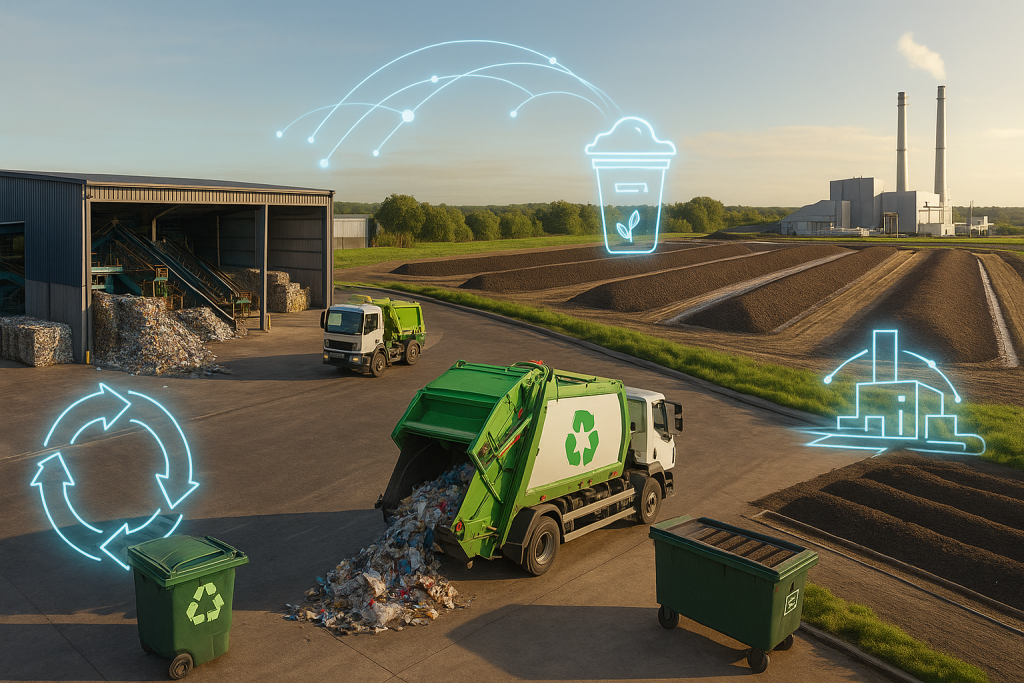
This guide provides a comprehensive overview of the different kinds of waste management facilities. It explains what each place does, what materials they are designed to handle, and how you can find the right one for your specific needs. Understanding these destinations is the first step toward more responsible and effective waste disposal.
The Waste Management Journey: More Than Just the Landfill
The journey of our waste is far more complex than many people realize. In the past, the model was simple. Nearly everything was hauled to a local "dump," which was often just a large, unlined pit. Today, modern waste management is a sophisticated process. It is designed as a journey with multiple stops, each with the goal of maximizing resource recovery and protecting the environment.
This modern system prioritizes diverting as much material as possible from final disposal. The goal is no longer just to get rid of waste. It is to see waste as a potential resource. This approach is the foundation of a circular economy. It involves a network of highly specialized facilities, each playing a critical role in sorting, processing, and either repurposing materials or disposing of them safely. Understanding what these places are and how they work is key to appreciating the complexity and importance of this essential public service.
Types of Waste Management Facilities
The modern waste management system relies on a network of different facilities. Each one is designed to handle a specific part of the waste stream. Knowing the function of each place will help you understand where your waste should go. This is the only section where we will use bullet points to clearly outline these key locations.
- Transfer Station: This is a local hub and the first stop for most municipal collection trucks. Instead of driving long distances to a landfill, the smaller trucks dump their loads here. The waste is then consolidated and loaded into much larger tractor-trailers for more efficient long-haul transport to a final disposal site. Many transfer stations also have a public drop-off area for residents and small businesses.
- Material Recovery Facility (MRF): This is the modern recycling center. It is a large industrial plant filled with a complex system of conveyors, screens, magnets, and sorters. The MRF receives mixed recyclables from curbside programs. Its job is to separate the materials—such as paper, cardboard, plastic bottles, and metal cans—into clean streams. These sorted materials are then baled and sold to manufacturers as raw materials.
- Composting Facility: This facility is the destination for organic waste. This includes food scraps from homes and restaurants, as well as yard trimmings like leaves and grass clippings. At this site, the organic material is placed in long piles, or windrows, where it decomposes under controlled conditions. The end product is compost, a nutrient-rich soil amendment used in agriculture and landscaping.
- Landfill: The landfill is the final destination for waste that cannot be recycled or composted. However, a modern landfill is a highly engineered facility. It is designed with multiple layers of environmental protections. These include impermeable liners to protect groundwater and systems to collect and treat contaminated water (leachate) and flammable gases (methane).
- Waste-to-Energy (WTE) Plant: This is an alternative to a landfill for final disposal. At a WTE plant, non-recyclable trash is combusted in a controlled environment. The heat from this process is used to boil water, which creates steam. This steam then drives a turbine to generate electricity.
- Household Hazardous Waste (HHW) Collection Site: This is a specialized facility designed to safely handle and dispose of dangerous materials from homes. This includes items like leftover paint, pesticides, cleaning chemicals, motor oil, and batteries. These sites ensure that hazardous materials are kept out of our landfills and waterways.
A Deep Dive into the Material Recovery Facility (MRF)
The Material Recovery Facility, or MRF, is the heart of any modern recycling program. It is where the promise of turning old products into new ones becomes a reality. When a collection truck dumps a load of mixed recyclables onto the MRF's tipping floor, a complex and fascinating sorting process begins.
The material is first loaded onto a series of conveyor belts. It passes through a pre-sorting station where workers manually remove large contaminants that could damage the machinery. This includes things like plastic bags, which are a major problem for sorting equipment.
The stream then moves across large, rotating screens. These screens separate the two-dimensional materials, like paper and cardboard, from the three-dimensional containers, like bottles and cans. The paper products are sent down one conveyor line, while the containers go down another.
The container line then passes under powerful magnets. These magnets pull out all the steel and tin cans. A little further down the line, a device called an eddy current separator is used to repel the aluminum cans, forcing them onto a separate conveyor.
Finally, the remaining plastic bottles and jugs pass through optical sorters. These advanced machines use infrared light to identify the different types of plastic resin. Jets of compressed air then precisely shoot each type of plastic into the correct collection bin. At the end of each sorting line, the separated materials—paper, cardboard, steel, aluminum, and different plastics—are crushed into large, dense bales. These bales are then sold to manufacturers who use them to create new products.
Understanding the Modern Engineered Landfill
The image of a landfill as a vast, open dump is decades out of date. Today's landfills are highly engineered containment systems. They are designed, regulated, and operated to a very high standard to protect the environment.
A modern landfill is built in distinct sections called cells. Before any waste is placed, a complex liner system is constructed at the bottom of the cell. This consists of multiple layers of compacted clay and thick, impermeable plastic membranes. This liner system acts as a barrier to prevent any liquids from the waste from contaminating the underlying soil and groundwater.
As waste is placed in the cell, it naturally produces a contaminated liquid called leachate. A modern landfill has a leachate collection system. This is a network of pipes at the bottom of the cell that collects this liquid. The leachate is then pumped out and sent to a treatment facility.
The decomposition of organic waste also produces landfill gas, which is about 50% methane. Methane is a potent greenhouse gas, so it must be controlled. An active gas collection system, which is a series of vertical pipes and wells, is installed throughout the landfill. This system captures the gas. At many facilities, this captured methane is then used as a renewable fuel to generate electricity.
The Role of Collection in Facility Efficiency
The efficiency of all these large, complex facilities is directly dependent on the efficiency of the collection process. The flow of materials into a MRF or a transfer station needs to be as predictable and steady as possible.
Traditional collection models, with their fixed schedules, can create problems for these facilities. On some days, collection trucks may deliver less material than expected. On other days, an unexpected surge can cause long lines of trucks and operational bottlenecks at the facility. This unpredictability makes it difficult to staff and manage the plant efficiently.
This is where modern collection technology plays a crucial role. Systems that use smart technology, such as sensor-based waste pickup scheduling, can create a much more consistent and predictable flow of materials. By collecting bins only when they are full, the system smooths out the peaks and valleys in daily volume. A more predictable inflow allows the MRF or transfer station to optimize its operations, improving overall efficiency throughout the entire waste management chain. This integration of smart collection with smart processing is the future of the industry.
Conclusion: A Network of Essential Infrastructure
The "waste management places" that serve our communities form a complex and essential network of infrastructure. Each facility, from the local transfer station to the regional MRF and the final landfill, has a specific and critical role to play. They work together to manage our waste in a way that protects public health, preserves the environment, and recovers valuable resources.
Understanding the purpose of these different facilities helps residents and businesses become more informed and responsible participants in the waste management process. By properly sorting our waste and taking special materials to the correct disposal sites, we can help this entire system operate more effectively. As society continues to move toward a more sustainable, circular economy, the importance and sophistication of these resource management facilities will only continue to grow.


