
Understanding Water Leak Detectors and Their Installation
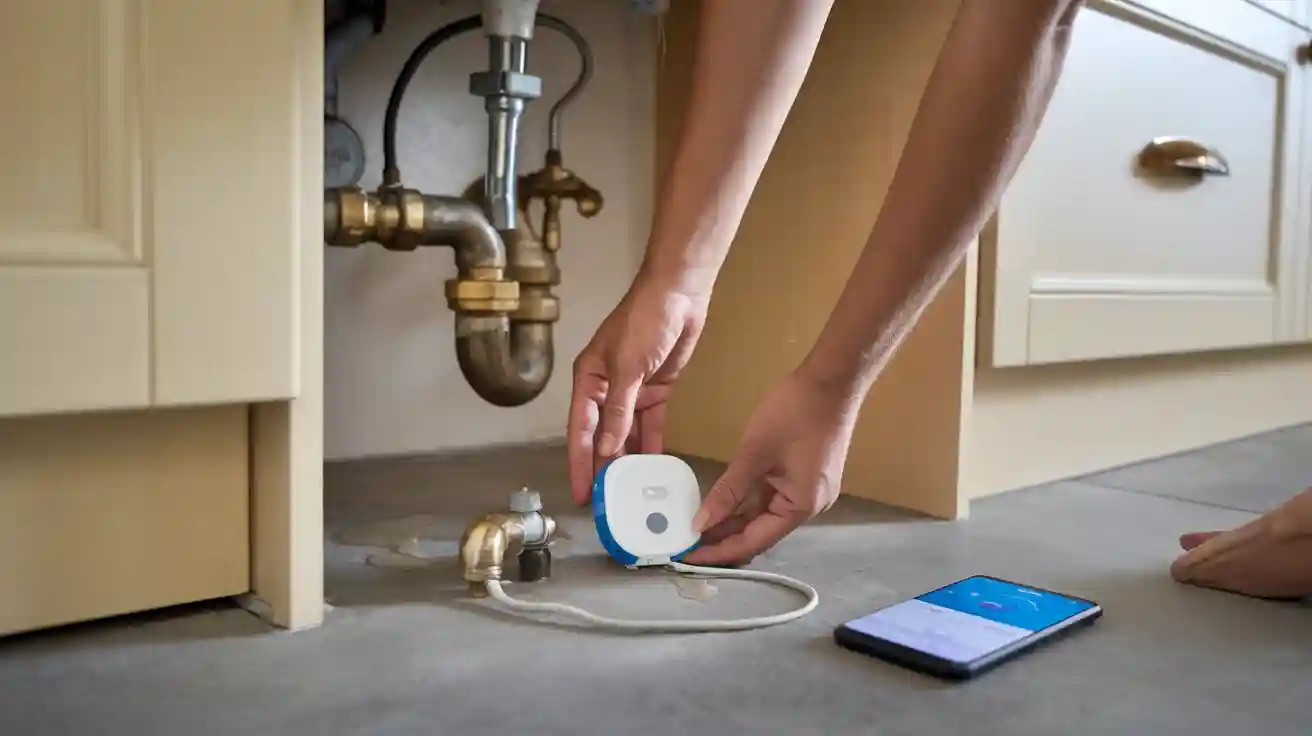
Have you ever worried about a flood in your basement or kitchen? Water leak detectors give you protection before small leaks turn into big water damage. These handy devices sense leaks early, so you avoid expensive repairs and insurance claims—some average $12,500 per incident! Many people install a water leak detector for peace of mind and to save money. In fact, you could cut your insurance premium by up to 10%. If you want real protection from flood risks, you need to know how they work and where to place them for the best results.
Tip: Water leak detectors can reduce water damage costs by up to 90% if you catch leaks fast.
How Water Leak Detectors Work
Understanding how they work helps you pick the right leak detection system for your home. Let’s break down the main parts, the different ways leak detection systems find leaks, and how you get alerts when something goes wrong.
Water Leak Sensor Components
You’ll find that most leak detection systems use a mix of clever sensors and smart technology. Here’s what you might see inside a modern water leak sensor:
- Conductive Sensors: These use two metal probes. When water touches both, it completes a circuit and triggers an alert.
- Capillary-based Sensors: These sensors use special materials that soak up water. When they get wet, they send a signal to the leak detection system.
- Optical Sensors: These sensors notice changes in light caused by water. If water covers the sensor, it changes how light passes through or reflects, and the system reacts.
- Ultrasonic Sensors: These use sound waves. If water is present, it changes how the sound bounces back, and the sensor picks up on that.
- Magnetic Sensors: These sensors detect changes in magnetic fields when moisture is nearby.
You’ll also see different types of flood sensor designs. Some look like small pucks with hard cases and metal probes. Others use long cables or ropes that sense moisture along their length. Printed sensors are thin and flat, so you can place them in tight spots. In-line sensors, which go inside pipes, use either a spinning fan or ultrasonic technology to watch for changes in water flow.
| Sensor Type | Materials/Technologies Used | Key Features and Operation Principles |
|---|---|---|
| Flood Sensors (Pucks) | Hard casing, metal probes, battery-powered | Detect water at contact points, sound alarms, or send wireless alerts |
| Rope/Cable Sensors | Long sensing cables | Detect moisture anywhere along the cable, cover large areas |
| Printed Sensors | Thin polymer sheets | Lay flat, detect moisture in multiple zones, easy to clean |
| In-line Sensors (Flow Meters) | Inside pipes, ultrasonic or mechanical | Monitor flow and pressure, spot leaks without direct water contact |
Most water leak sensors run on batteries, but some plug into outlets. Many offer remote monitoring, so you can check your leak detection system from your phone, even if you’re away.
Water Leak Detection Methods
Leak detection systems use several smart methods to spot trouble. Here’s how they work:
- Acoustic Leak Detection: You use listening devices to hear the sound of water escaping from pipes. This method works well for hidden or underground leaks.
- Pressure Testing: You increase water pressure in a section of pipe. If the pressure drops, you know there’s a leak.
- Dye Testing: You add a safe dye to your water. If you see the dye somewhere it shouldn’t be, you’ve found a leak.
- Video Pipe Inspection: You send a tiny waterproof camera into your pipes. This lets you see leaks or blockages without tearing up walls or floors.
- Thermal Imaging: You use an infrared camera to spot temperature changes caused by leaking water. This helps you find leaks quickly and without making a mess.
- Ultrasonic Leak Detection: You use high-frequency sound waves to find leaks. The sensor picks up the sound of water escaping, even in hard-to-reach places.
Some leak detection systems combine these methods for better results. For example, a hybrid leak detection system might use both flow sensors and point sensors to catch leaks early. Flow sensors clamp onto your main water line and use ultrasonic technology to watch for unusual water use. Pressure sensors keep an eye on water pressure and spot leaks by noticing sudden drops or spikes.
Leak detection technology keeps getting better. New systems use smart cables and electro-acoustic devices for real-time monitoring. These upgrades help you catch leaks before they cause big problems.
Note: Acoustic listening devices can find leaks within a few centimeters, but noise, pipe material, and depth can affect accuracy. Thermal imaging works best for hot water leaks, while tracer gas detection can spot even the tiniest leaks.
Alert and Notification Systems
When your leak detection system finds a problem, you need to know right away. Most systems use several types of alerts to make sure you don’t miss anything:
- Audible Alarms: The device sounds a loud alarm, so you hear it even if you’re in another room.
- Visual Indicators: LED lights flash or change color when the sensor detects water.
- Push Notifications: You get instant alerts on your phone or computer, no matter where you are.
- Text and Email Alerts: Some systems send messages directly to your phone or email.
- Smart Home Integration: Many leak detection systems work with voice assistants or smart home hubs. Some can even shut off your water automatically if a leak is detected.
Most water leak detectors send alerts immediately after finding a leak. This quick response helps you act fast and avoid major water damage. Some systems let you customize your alerts, so you can choose how you want to be notified. If you have a system with automatic shutoff, it can stop the water flow right away, which is especially helpful in high-risk areas.
Many leak detection systems include battery backup, so you still get alerts during a power outage. Some advanced systems even prioritize alerts, so you focus on the most important issues first.
Tip: Always test your alert system after installation. Make sure you receive notifications on your phone and that alarms sound as expected.
Types of Water Leak Detectors
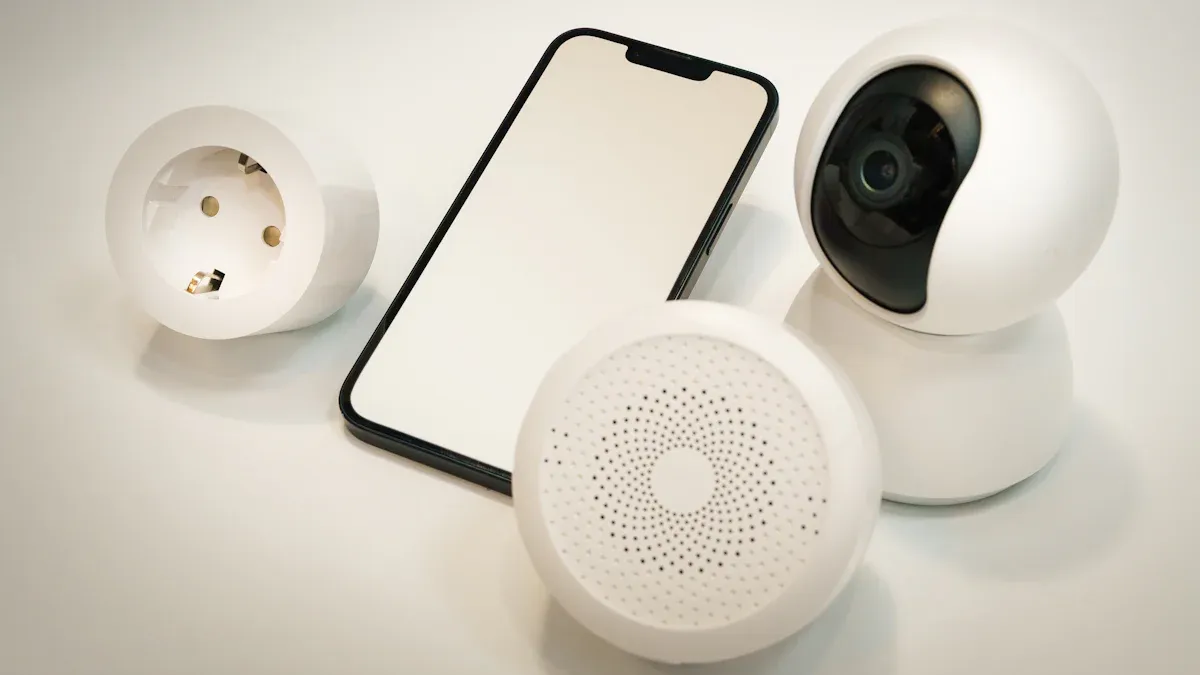
Standalone Water Leak Detector
Standalone leak detectors work like little sentinels for your home. You place them in spots where leaks often happen, like under sinks or near your water heater. When water touches the sensor, it sounds an alarm or sends you a notification. These devices are simple to use and easy to install. You do not need any special tools or wiring. Just set them down and let them watch for trouble.
Standalone leak detectors give you quick alerts, but they only cover the area where you put them. If you want to protect your whole house, you will need more than one. These detectors do not monitor water flow or pressure, so they cannot catch hidden leaks in your pipes. They also cannot shut off your water automatically. You get basic protection, but not the advanced features of a full water leak detection system.
Tip: Standalone water leak detectors work best in small spaces or for renters who cannot install permanent systems.
Whole-Home Water Leak Detection Systems
If you want full coverage, a whole-home leak detection system is the way to go. These systems use sensors that monitor water flow and pressure throughout your plumbing. They can spot leaks anywhere in your home—even in places you cannot see. Some systems even shut off your water automatically if they detect a problem. This feature can save you from major water damage.
Here is a quick look at how different systems compare:
| System Type | Advantages | Disadvantages |
|---|---|---|
| Single Point Active Whole House | Monitors all water flow, auto shutoff, easy to use | Needs professional installation |
| Multiple Point Active Whole House | Sensors at many spots, alerts to exact leak location | Complex setup, often needs a plumber |
Flow-based leak detection systems use smart sensors to watch for unusual water use. They work well in large homes or buildings. For example, one system stopped a pipe burst on the third floor of a building by shutting off the water right away. These systems keep working even when no one is home, giving you peace of mind. However, they cannot always tell you the exact spot of a leak like spot sensors can.
Appliance-Specific Water Leak Detectors
You can also protect single appliances with special leak detection systems. These detectors sit near things like washing machines, dishwashers, or water heaters. When they sense water, they sound an alarm and can even shut off the water to that appliance. Many of these systems send alerts to your phone, so you know right away if there is a problem.
- You place moisture sensors near appliances to catch leaks early.
- Some detectors use shut-off valves to stop water flow as soon as they sense a leak.
- You often see these systems on hot-water heaters, washing machines, dishwashers, ice makers, and refrigerators.
These house leak detectors are easy to install and cost less than whole-home systems. They work well if you want to protect just a few key spots. However, you will need several detectors to cover your entire home, and they will not catch leaks in pipes that do not connect to those appliances.
Smart Water Leak Detectors
Smart water leak detectors make protecting your home much easier. You can place these devices in key spots, and they will watch for leaks day and night. Most smart leak detection systems use advanced sensors. These sensors can sense water, humidity, temperature changes, and even listen for dripping sounds. When something unusual happens, you get an alert right away.
You do not have to be at home to know what is happening. Smart home water monitors connect to your Wi-Fi. They send notifications to your phone, tablet, or even your smartwatch. You can get alerts through apps, texts, emails, or calls. Some smart leak detection systems work with smart home systems like Amazon Echo or Google Home. You might hear a voice alert or see a smart light flash if a leak starts.
Here are some features you will find in smart leak detection:
- Multiple sensor types for water, humidity, and temperature
- Instant smartphone notifications, no matter where you are
- Integration with smart home water monitors and smart home systems
- Automatic shutoff valves that stop water flow when a leak is detected
- Mobile apps for remote monitoring and health checks
- The ability to manage more than one property from a single app
Smart leak detection gives you early warnings. This helps you avoid costly water damage, mold, and stress. You save time and money because you can act fast. Many smart home water monitors also help you track your water use, so you spot problems before they get worse.
Tip: Smart leak detection systems can even help you lower your insurance costs by preventing damage before it starts.
Wired and Wireless Water Leak Detectors
You have two main choices for how your leak detectors connect: wired or wireless. Each type has its own strengths.
| Aspect | Wired Water Leak Detectors | Wireless Water Leak Detectors |
|---|---|---|
| Installation | Needs wiring and often a pro installer | Easy to set up, no wires, battery-powered |
| Reliability | Very reliable, no batteries or Wi-Fi needed | Depends on battery life and Wi-Fi signal |
| Sensor Placement | Less flexible, must be near power source | Place anywhere, great for hard-to-reach spots |
| Maintenance | Low, but may need a pro for changes | Check batteries and Wi-Fi regularly |
| Extra Features | Can link to home security systems | Often sends phone alerts and logs data in the cloud |
Wired leak detection systems work well if you want something permanent and stable. You do not have to worry about batteries or losing your Wi-Fi connection. However, installation takes more time and may need a professional. Wireless detectors give you more freedom. You can put them almost anywhere, and you can move them if you need to. Just remember to check the batteries and make sure your Wi-Fi stays strong.
Note: If you want to monitor a large home or rental property, wireless smart leak detection makes it easy to add or move sensors as your needs change.
Choosing the Right Water Leak Detector
Factors to Consider for Water Leak Detection
Choosing the best water leak detector for your home can feel overwhelming, but you can make it simple by focusing on a few key points. First, think about where leaks are most likely to happen in your house. Basements, kitchens, and laundry rooms often need extra attention. You should also look at the power source. Some detectors use batteries, while others plug into an outlet. Battery-powered options give you more freedom to place sensors wherever you need them.
Smart features matter, too. Many homeowners want real-time alerts sent straight to their phones. If you already use a smart home system, check if the detector can connect for easy control and automatic shutoff. Cost is another big factor. Look at both the price of the device and any extra fees for maintenance or app subscriptions. Some new detectors even use AI to predict leaks before they happen, which can save you money in the long run.
Here’s a quick checklist for homeowners:
- Get real-time alerts for fast action.
- Choose high-precision sensors that spot both small drips and big leaks.
- Pick a detector that works with your plumbing and smart home setup.
- Look for low-maintenance options with remote monitoring.
- Balance upfront costs with long-term savings from water damage prevention.
Tip: Always check product reviews and make sure the detector fits your home’s needs.
Matching Water Leak Detectors to Home Needs
Every home is different, so you need a water leak detection system that matches your space. Start by counting how many leak-prone spots you have. Larger homes or homes with complex plumbing may need whole-home water leak detection with flow meters. Smaller homes or apartments might only need spot detectors in key areas.
Think about your home’s layout. If you have thick walls or tricky corners, wired systems offer strong reliability but may need professional installation. Wireless systems are easier to set up and move, which many homeowners prefer. Smart features like Wi-Fi alerts and integration with home automation make life easier, especially if you travel or own a rental property.
Set a budget that covers the device, installation, and any future maintenance. Homeowners should also check if the detector works with their current plumbing and Wi-Fi. Reading user reviews helps you find reliable products that fit your lifestyle.
Note: Homeowners who invest in the right water leak detection system often avoid costly repairs and enjoy greater peace of mind.
Water Leak Detector Installation Guide
Where to Place Water Leak Detectors
You want your water leak detectors in the right spots to catch leaks fast. Placing them in smart locations helps you stop water damage before it gets out of hand. Here are the best places to put your sensors:
- Under kitchen and bathroom sinks—these areas hide pipes that often leak.
- Near water heaters—leaks here can cause big problems.
- In basements or crawlspaces—these spots flood easily, especially during storms.
- Next to toilets and plumbing lines—small leaks here can go unnoticed and raise your water bill.
- By washing machines, dishwashers, and refrigerators—appliances can leak without warning.
- Near the main water shutoff valve—this helps you catch major leaks quickly.
- Behind walls or under floors—hidden leaks can cause mold and damage before you see them.
- On main floors and bedrooms—extra sensors here give you more coverage.
Tip: Use more than one detector for full protection. Connecting your sensors to a smart home system gives you instant alerts and can even shut off the water for you.
DIY Water Leak Detector Installation
You can handle water leak detector installation yourself if you like simple projects. Here’s a step-by-step guide to help you get started:
- Turn off all water appliances and check your water meter for movement.
- Compare your current and past water bills for any sudden jumps.
- Look at faucets and fixtures for drips.
- Test toilets by adding food coloring to the tank—color in the bowl means a leak.
- Check outside areas like gutters and outdoor faucets.
- Listen for odd sounds like hissing or running water in walls.
- Inspect appliances for puddles or damp spots.
- Watch for stains, peeling paint, or musty smells.
- Use a pressure gauge to check for high water pressure.
- Test outdoor hose bibs for leaks.
- Place your smart leak detectors in the key spots listed above.
- If you find a leak you can’t fix, call a professional.
DIY water detection system installation saves money and lets you set up sensors where you want. You get to control the process and avoid waiting for appointments.
Professional Water Leak Detector Installation
Sometimes, you want an expert to handle the job. Professional installers bring special tools and know-how. They can spot hidden leaks and set up advanced systems with automatic shut-off and smart home integration. Here’s a quick look at the pros and cons:
| Aspect | Professional Installation | DIY Installation |
|---|---|---|
| Expertise | Specialized knowledge, accurate | Easy, flexible, affordable |
| Equipment | Advanced tools, thorough check | Basic tools, may miss leaks |
| Coverage | Full home, smart features | Custom placement, less coverage |
| Cost | Higher upfront cost | No labor fees |
| Convenience | Optimized performance | Immediate setup |
Professional water leak detector installation gives you peace of mind, but it costs more and may take longer to schedule. DIY works well for simple setups, but you might miss hidden leaks or advanced features.
Tips for Optimal Water Leak Detection Performance
Want your water leak detectors to work their best? You can follow a few simple habits to keep your system sharp and ready. Here are some easy tips:
- Test your water leak detectors every few months. This helps you know the sensors still respond to water.
- Clean the sensors gently. Dust or dirt can block the sensor and stop it from working right.
- Calibrate your devices if you notice false alarms or missed leaks. Many smart detectors let you adjust settings through an app.
- Keep a record of all your maintenance. Write down when you test, clean, or fix your detectors. This helps you spot patterns or problems.
- Place your detectors in high-risk spots. Good places include under sinks, near water heaters, and close to HVAC systems.
- Train everyone in your home on how to read the detector signals. Show them what the lights and sounds mean, so they know when to act.
- Teach your family about safety. Remind them not to touch detectors connected to mains power and to follow the instructions from the manufacturer.
- Check your system with regular audits. Walk around your home and make sure every detector is in the right place and working.
Tip: If you use smart leak detectors, set up your phone to get alerts right away. Fast action can stop a small leak from turning into a big mess.
You can keep your home safe and dry by following these steps. A little care goes a long way with water leak detection.
Benefits of Water Leak Detectors
Preventing Water Damage
You want to keep your home safe from water damage, right? Water leak detectors help you do just that. These devices use sensors to spot leaks and extra moisture before you even notice a problem. When a leak starts, you get an alert on your phone or hear an alarm. Some advanced models even shut off your water right away. This quick action stops flooding and keeps your home dry.
If you put detectors under sinks, near water heaters, and in basements, you catch leaks early. Early detection means you avoid structural damage, mold, and expensive repairs. Imagine a hidden leak causing stains and high water bills. With the right tools, you find the leak fast and fix it before it ruins your home. Water leak detectors give you the best chance at preventing water damage and stopping flooding before it gets out of hand.
Smart leak detectors with remote monitoring protect your home even when you are away. You can relax knowing you have strong protection against flooding and water damage.
Cost Savings and Insurance Benefits
Water leak detectors do more than just stop flooding—they save you money. Studies show that automatic shutoff systems can prevent or reduce 93% of water leaks. That means fewer insurance claims and less money spent on repairs. In one year, these systems helped prevent millions of dollars in insurance losses.
Insurance companies know the value of water leak detectors. Many offer discounts if you install them. For example:
| Insurance Company | Incentive Type | Details |
|---|---|---|
| Chubb | Discounts | Lower sensor costs and insurance premiums, plus help with installation |
Farmers Insurance gives you premium discounts for using water flow detectors. Sometimes, you must have these devices to insure homes with old plumbing. USAA even offers discounts if you install approved detectors and join their Connected Home program. You get alerts, save money, and enjoy better protection.
Peace of Mind with Water Leak Detection
You cannot put a price on peace of mind. Most homeowners say they feel safer and less anxious after installing water leak detectors. You know your home and family have protection from flooding and water damage. You do not have to worry about coming home to a flood or dealing with costly repairs.
- Peace of mind is the top benefit for 63% of homeowners.
- Safety and protection for your home and family matter to over half of homeowners.
- Early alerts mean you can travel or leave home without stress.
Water leak detectors help you prevent home floods, protect your property, and keep your loved ones safe. You sleep better at night knowing you have strong protection against flooding, water damage, and structural damage.
Challenges and Limitations of Water Leak Detectors
Even though water leak detectors help you stop water damage and flooding, you should know about their challenges. No system is perfect, and understanding the limits helps you get the most out of your investment.
Maintenance Requirements for Water Leak Detectors
You want your detectors ready to protect your home from flood and water damage at any moment. Regular maintenance keeps them working well. You should test your water leak detectors every six months. Always follow the instructions from the manufacturer for testing.
Here’s a simple list to help you stay on track:
- Check sensors every month for dirt or debris. Dirt can cause false alarms or missed leaks.
- Test the alarm function regularly.
- Watch battery levels and replace them when needed. Lithium batteries last longer and lower the risk of water damage from leaks inside the detector.
- Clean sensors twice a year, or more if you live in a dusty area.
- After any flood or system alert, inspect the detector to make sure it still works.
| Maintenance Task | Recommended Frequency |
|---|---|
| Visual inspection of sensors | Monthly |
| Testing alarms | Quarterly |
| Battery checks | Every 3-6 months |
| Battery replacements | Every 1-2 years |
| Sensor cleaning | Twice yearly |
| Post-incident inspections | After any system alert or flood |
| Professional inspection | Annually |
If you skip maintenance, you risk missing leaks that could lead to flooding and serious water damage.
Connectivity and Power Issues in Water Leak Detection
Wireless water leak detectors rely on Wi-Fi or Bluetooth. Sometimes, you might lose connection because of router problems or interference. When this happens, your system may not alert you about a flood or water damage in time. Power issues also matter. If batteries run out, your detector stops working, and you might not notice a leak until flooding causes major water damage.
| Issue Category | Common Problems Reported | Typical Causes | Suggested Solutions |
|---|---|---|---|
| Connectivity | Wi-Fi or Bluetooth drops | Router issues, interference | Check your router, restart devices |
| Power | Battery depletion | Old batteries, no backup | Replace batteries, use backup power |
You can avoid most problems by checking your Wi-Fi and replacing batteries before they die. Some detectors send low battery alerts, so set up notifications on your phone. If you live in an area with frequent power outages, choose a detector with battery backup. This way, you stay protected from flooding and water damage even when the power goes out.
Tip: Always test your system after a flood or power outage to make sure it still works.
False Alarms and Sensitivity of Water Leak Sensors
Sometimes, water leak detectors give false alarms. You might hear an alert when there’s no real flood or water damage. This can happen if the sensor is too sensitive or if dirt and dust build up. Manufacturers now offer detectors with adjustable sensitivity. You can fine-tune the settings to match your home and lower the chance of false alarms.
Many new sensors use special materials that resist corrosion and block out dirt. Some even have self-wicking cables that ignore small spills but react to real flooding. You can also find detectors with both audible and visual alerts, so you never miss a warning about water damage or a flood.
| Product / Technology | How It Helps Prevent False Alarms |
|---|---|
| Adjustable sensors | Lets you set the right sensitivity for your space |
| Hydrophobic cables | Stops dirt and dust from causing false alarms |
| Advanced alarms | Uses both sound and lights for clear alerts |
If you notice too many false alarms, clean your sensors and adjust the settings. This helps you trust your system and keeps your home safe from flooding and water damage.
Water leak detectors give you early warnings, save you money, and help protect your home from costly damage. When you install them near sinks, appliances, and pipes, you catch leaks before they become big problems. Many detectors connect to your phone and even shut off water automatically.
Taking action now means you lower your bills, keep your family safe, and enjoy peace of mind.
When you pick a detector, think about your home’s needs, your budget, and how easy it is to use. The right choice keeps your home dry and your worries away.
FAQ
How often should you test your water leak detectors?
You should test your water leak detectors every three to six months. This helps you make sure the sensors and alarms work. If you have smart detectors, check the app for test reminders or alerts.
Can you install water leak detectors yourself?
Yes, you can install most water leak detectors on your own. Just follow the instructions in the box. Place them near sinks, appliances, or pipes. If you want a whole-home system, you might need a pro.
Do water leak detectors work during a power outage?
Many battery-powered detectors keep working when the power goes out. Some smart detectors have backup batteries. Always check your device’s power source and replace batteries as needed.
Where should you place water leak detectors for best results?
Put detectors under sinks, near water heaters, behind toilets, and by washing machines. Basements and crawlspaces are also smart spots. The more places you cover, the better your protection.
Will a water leak detector help lower your insurance premium?
Some insurance companies offer discounts if you install water leak detectors. Ask your agent about savings. You might need to show proof of installation or use a specific brand.
Tip: Always keep your detectors clean and test them often for the best protection!


