
Water Level Detector Sensor Installation Mistakes to Avoid
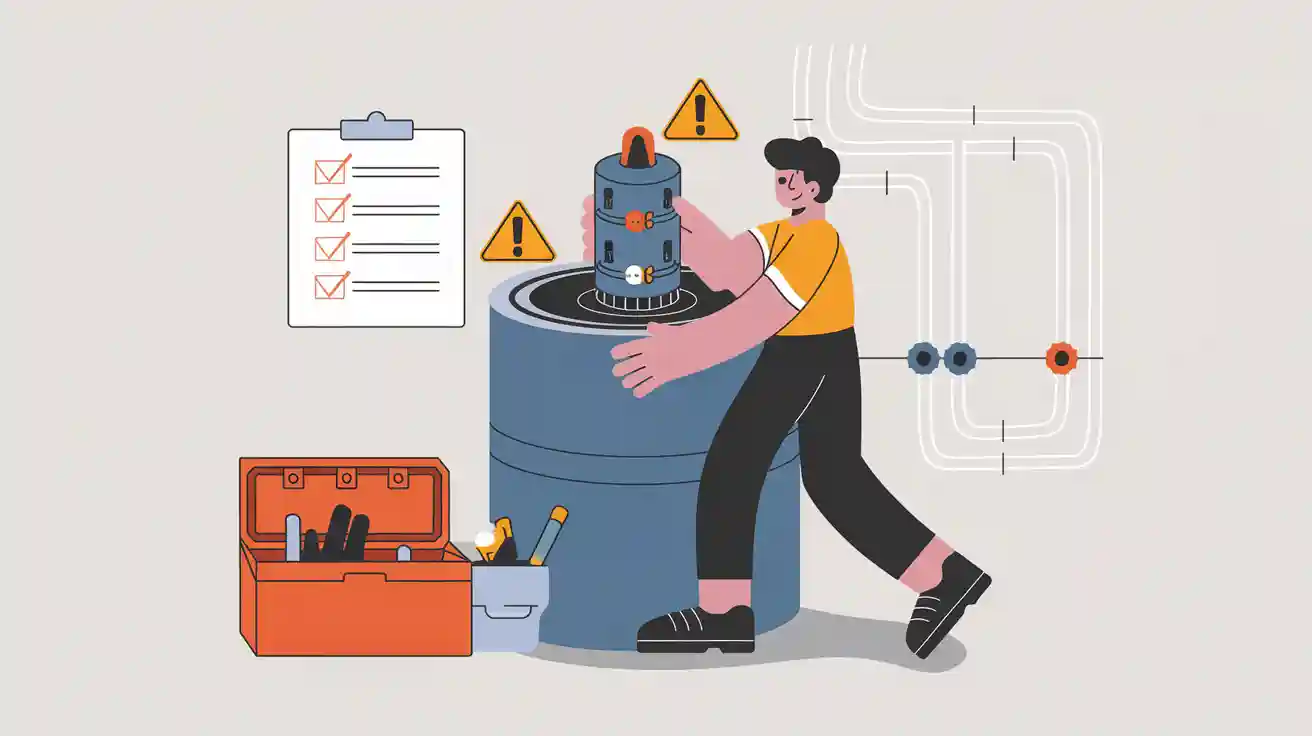
Installing a water level detector sensor might seem simple, but small mistakes can hurt accuracy and cause issues with level measurement. You want your water level sensor to work right every time, so paying attention to details matters. If you miss a step, you could get bad measurement results or even damage the sensor. Remember, water level changes fast. Always check your setup for the best results.
💡 Tip: Double-check every part of your installation to keep your water level readings spot-on.
Improper Water Level Detector Sensor Placement
Placing Sensors Too High or Too Low
You might think placing your water level sensor anywhere inside the tank works, but that’s not true. If you put the sensor too high, it misses low water levels. If you place it too low, it can’t detect when the tank is almost empty. Proper sensor placement is key for accurate level measurement.
- Depth matters. If the sensor sits at the wrong spot, you get bad readings.
- Water flow and turbulence can mess with measurement accuracy.
- Always check the instructions or ask an expert before you install your water level detector sensor.
Tip: The right spot for your sensor means you get the best water level readings every time.
Ignoring Manufacturer Guidelines
Manufacturers know their sensors best. You should always follow their guidelines for installing a water level sensor. Submersible sensors need to be at the correct depth. Float sensors work only if they can move freely. Ultrasonic sensors need a clear view of the water surface. Radar sensors must have nothing blocking their path.
Before you start, look at the installation site. Check for things like temperature, easy access, and anything that could interfere with level measurement. Gather all your tools and mounting brackets before you begin. For ultrasonic sensors, aim them straight at the water. For radar sensors, keep them above the water level with no obstacles.
Overlooking Water Flow Patterns
Water doesn’t always stay still. Fast inflow during storms can spike water levels and mess up sensor readings. People using water at different times changes the level measurement. Urban areas and new buildings can change how water moves and fills tanks.
- Heavy flows or erosion can move water and change where you should put your sensor.
- Plants or objects in the tank can block the sensor and give you wrong readings.
If you ignore water flow patterns, your water level sensor might not work right. Always think about how water moves in your tank before you install the sensor.
Incorrect Wiring of Water Level Sensor
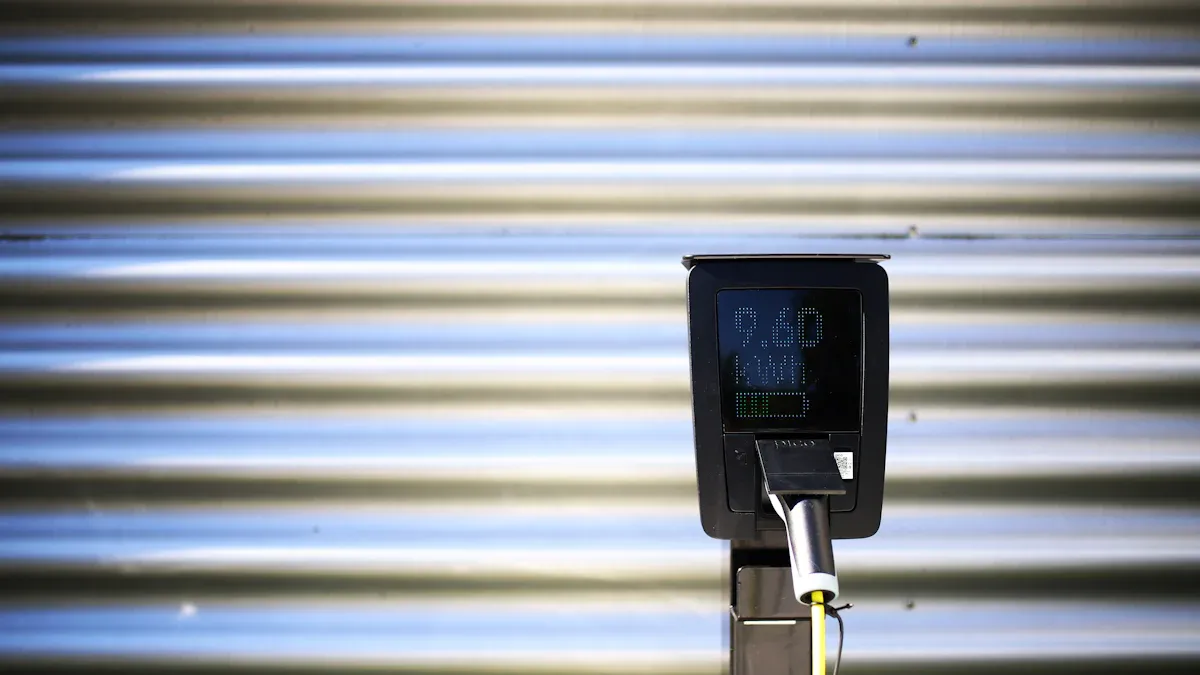
Wiring mistakes can ruin your water level detector sensor setup. If you get the wiring wrong, your water level sensor might not work at all, or it could give you bad level measurement results. Let’s look at the most common wiring problems and how they affect your water level readings.
Using Wrong Wire Gauge
Choosing the wrong wire gauge can cause big problems for your sensor. If the wire is too thin, it can overheat or break. If it’s too thick, it might not fit the connectors well. Both issues can mess up your level measurement and even damage your water level sensor. Here’s what can go wrong:
- Electrical faults can happen if the wire can’t handle the current.
- You might see erratic performance, like the sensor turning on and off by itself.
- Bad wiring can damage your equipment or even start a fire.
⚠️ Always check the sensor manual for the right wire size before you start wiring.
Loose or Unsecured Connections
Loose wires are a big danger in any water level measurement system. They can cause your sensor to stop working or give you false readings. In a wet place, loose connections get even riskier. Here’s a quick look at what can happen:
| Consequence | Description |
|---|---|
| Electric Shock | Exposed wires can shock you, especially around water. |
| Short Circuits | Loose wires can touch and cause shorts, damaging your sensor. |
| Fire Hazards | Moisture and loose wires can start fires. |
| Insufficient Insulation | Worn insulation exposes wires, raising shock and short risks. |
| Damaged Electrical Appliances | Bad connections can break your water level sensor or other devices. |
| Inadequate Maintenance | Skipping checks makes all these problems worse. |
Mixing Up Power and Signal Wires
It’s easy to mix up wires when you install a sensor, but this mistake can ruin your level measurement. If you connect the power wire to the signal terminal, you might get:
- Electromagnetic interference, which messes up your water level readings.
- Overheating or total sensor failure if the output wire gets power by mistake.
💡 Tip: Always label your wires and double-check before you connect anything. This simple step keeps your water level measurement accurate and your sensor safe.
Neglecting Calibration of Liquid Level Sensors
Skipping calibration is one of the biggest mistakes you can make with liquid level sensors. If you want your water level detector sensor to give you reliable results, you need to pay attention to calibration and maintenance requirements. Let’s look at why calibration matters and how you can avoid common mistakes.
Skipping Initial Calibration
When you first install a water level sensor, you might feel tempted to just turn it on and walk away. That’s risky. Without initial calibration, your liquid level measurement devices may not show the real water level. You could end up with false alarms or miss a low water warning.
Here’s a simple process you should follow for sensor calibration:
- Gather your calibration standard and a measuring device.
- Record the output signal when the sensor is in its normal position.
- Pick calibration points based on your operating range and the resolution you need.
- Prepare your calibration standard. Use a fluid that matches your process water.
- Adjust the sensor output at each point so it matches your calibration points.
- Check the sensor output during the process.
- Write down your calibration data and label the sensor.
🛠️ Tip: Always start with calibration to make sure your water level readings are accurate from day one.
Failing to Recalibrate After Installation
Water tanks and systems change over time. If you never recalibrate, your liquid level sensors can drift and lose accuracy. Even small changes in water temperature or tank conditions can affect level measurement. You should schedule regular checks for your liquid level detection system. This keeps your water level sensor working right and helps you catch problems early.
Not Adjusting for Tank Size or Shape
Every tank is different. If you ignore the size or shape, your liquid level sensing will not be accurate. Look at this table to see how tank factors affect calibration:
| Factor | Impact on Calibration Requirements |
|---|---|
| Tank Height | Taller tanks can cause pressure changes, which affect measurement accuracy. |
| Wall Thickness | Thick walls can block signals, making level measurement less precise. |
| Material | Metal tanks may interfere with signals, while non-metal tanks can change how sensors work. |
| Temperature Variations | Water temperature changes can make the liquid expand or shrink, changing the water level reading. |
If you want the best results from your liquid level monitoring, always adjust your calibration for your tank’s unique features.
Ignoring Environmental Factors for Water Level Detector Sensor
Environmental factors can make or break your water level measurement system. If you ignore them, your water level sensor might not work as you expect. Let’s look at some common issues you might face.
Exposure to Extreme Temperatures
You might not realize it, but temperature swings can mess with your sensor. Electronics inside the sensor can fail if things get too hot or too cold. Some liquid level sensors, like hydrostatic sensors, handle harsh conditions better. They keep your level measurement accurate, even when the weather changes fast. If you want your water level sensor to last, pick one built for your climate.
- Handle your sensor with care during installation.
- Keep it away from spots that get too hot or cold.
- Regular maintenance helps you spot problems early.
🧊 Tip: Choose sensors with temperature compensation if your area gets very hot or cold.
Not Accounting for Humidity or Condensation
Humidity and condensation can sneak into your sensor and cause trouble. Water inside the sensor can short out the electronics. This leads to bad level measurement or even total failure. You should always check if your liquid level sensors are waterproof. Use proper seals and cable glands to keep water out. If your tank sits in a humid place, check your sensor often for signs of moisture.
Overlooking Vibration or Movement
Movement and vibration can shake up your level measurement. If your tank sits near pumps or heavy machines, the sensor might move around. Float sensors struggle the most in these spots. They work best in calm water. If your water sloshes or the tank shakes, your readings might jump around.
Here’s a quick table to show how different factors affect your sensor:
| Environmental Factor | Description |
|---|---|
| Temperature Variations | Can change sensor accuracy and lifespan. Use sensors with temperature compensation. |
| Turbulence | Messes with readings. Pick sensors with anti-turbulence features. |
| Sediment or Foam | Can cause false readings. Use sensors designed to handle these issues. |
If you want your water level measurement to stay reliable, always think about the environment before you install your sensor.
Using Incompatible Materials with Liquid Level Sensors
Choosing Sensors Unsuitable for Water Type
You might think any sensor will work for your water tank, but that’s not true. If you pick the wrong sensor for your water type, you can run into big problems. Some cheap plastics and metal housings break down fast in harsh chemical environments. Strong acids or oxidizers in the water can damage your sensor and mess up your level measurement. When you use incompatible liquid level sensors, you risk getting bad readings or even total sensor failure.
- Cheap materials corrode quickly in aggressive water.
- Incompatible sensors often give you inaccurate level measurement.
- Material incompatibility is a top reason for sensor failure in chemical water applications.
Always check if your water level sensor matches the type of water in your tank. This step keeps your level measurement accurate and your sensor working longer.
Mixing Metals That Cause Corrosion
Mixing different metals in your water level sensor setup can cause trouble. When two metals touch in water, galvanic corrosion can start. This process eats away at the metals and weakens your sensor installation. You might see this problem faster if your water has salt or other minerals. Corrosion can ruin your sensor and make your level measurement unreliable. If you want your liquid level sensors to last, use the same metal for all parts that touch water.
⚠️ Tip: Avoid mixing metals in your water level sensor system. This simple step helps prevent corrosion and keeps your measurement steady.
Using Non-Waterproof Components
Water and electronics do not mix well. If you use non-waterproof parts in your liquid level sensors, you risk short circuits and sensor failure. Waterproof pressure sensors are built to handle water exposure and keep your level measurement working right. You should also use waterproof cables and sealed housings for your water level sensor. Electronic sealant protects sensitive parts from moisture and keeps your measurement system safe.
- Waterproof sensors work well in tanks and reservoirs.
- Sealed cables and housings give you reliable long-term level measurement.
- Electronic sealant guards against moisture and short circuits.
If you want your water level sensor to last, always pick waterproof components for every part of your measurement system.
Skipping Proper Sealing of Water Level Sensor
Failing to Seal Sensor Entry Points
You might think a quick install is enough, but missing proper sealing at entry points can ruin your water level measurement. Water sneaks in through tiny gaps around the sensor. This can cause short circuits or false readings. If you want your water level sensor to last, always check the entry points. Even a small leak can damage your sensor and mess up your level measurement.
- Water can travel along cables and reach the sensor’s inside parts.
- Moisture at the entry point leads to corrosion and weakens the sensor.
- A bad seal lets dust and water in, which can cause your water level readings to jump around.
🛑 Always double-check the seal at every entry point before you finish your installation.
Overlooking Cable Glands and Connectors
Cable glands and connectors play a big role in keeping your water level measurement system safe. You need to use waterproof cable glands with an IP67 rating. These keep water and dust out of your sensor.
- Cable glands seal the cable entry and stop water vapor from getting inside.
- They give strain relief, so the cable does not pull on the sensor.
- A professional sealing sleeve at the cable head blocks water vapor.
- Timely installation of cable joints helps you avoid future problems.
If you skip these steps, water can get into your sensor and mess up your level measurement. You might not notice right away, but over time, your water level readings will become less reliable.
Not Using Waterproof Sealants
Waterproof sealants protect your sensor from leaks and keep your level measurement accurate. For indoor setups, you may not need special sealants. For outdoor or immersion use, you should seal the back of the sensor with TEFLON tape and an NPT coupling.
- For sensors that stay underwater, use a mating FNPT coupling and run the cable in conduit.
- Waterproofing options like WPIT, WPA, or WPC help your sensor last longer.
- Fully submersible sensors need strong seals, so use WPA, WPC, or WPB for the best protection.
If you skip waterproof sealants, water can reach the sensor’s electronics. This causes bad measurement results and can even break your water level sensor. Always pick the right sealant for your setup to keep your level measurement steady.
Failing to Test Water Level Detector Sensor After Installation
You just finished installing your water level sensor. Now what? If you skip testing, you risk a malfunction or inaccurate level measurement. Testing helps you catch problems before they turn into bigger headaches.
Not Performing Initial Function Tests
You should always test your sensor right after installation. This step makes sure your level measurement works as expected. Here’s a simple way to check your setup:
- Simulate both high and low water levels. Watch how the sensor responds.
- Check the sensor’s output for accuracy.
- Follow the manufacturer’s instructions for any special testing steps.
If you see strange readings, recalibrate your sensor. Regular testing keeps your liquid level sensors working well and helps you avoid a malfunction later.
🛠️ Tip: Never skip the first test. It’s the best way to catch issues early in your liquid level monitoring system.
Ignoring Regular Maintenance Checks
You might think your sensor will keep working forever, but that’s not true. Regular maintenance checks help you spot problems before they affect your level measurement. Set reminders to check your sensor based on how often you use your system and the environment. After heavy rain or flooding, increase your checks. These steps keep your liquid level sensors reliable and your water level readings accurate.
- Check for dirt or buildup on the sensor.
- Look for loose wires or damaged parts.
- Test the sensor’s output to make sure it matches the actual water level.
Overlooking Error Codes or Alerts
Modern sensors often show error codes or alerts when something goes wrong. If you ignore these warnings, you risk a malfunction or bad measurement. Here’s a quick table to help you understand common alerts and what to do:
| Error Code/Alert | Description | Cause | Solution |
|---|---|---|---|
| Electromagnetic Interference | Data fluctuates or no signal | Motors or electrical equipment nearby | Ground the sensor and move it from interference |
| Stirring in Container | No signal or data jumps | Agitated water surface | Use a larger range sensor or add a waveguide |
| Foam on Liquid Surface | Sensor keeps searching | Foam absorbs sensor waves | Add a waveguide or use a radar sensor |
| High Temperature | Measurement fails | Steam or mist blocks sensor | Use a special probe or increase sensor range |
| Ultrasonic Wave Blind Zone | Random data appears | Sensor sits in the blind zone | Move sensor outside the blind zone |
If you see an alert, fix it right away. Quick action keeps your level measurement and water level monitoring on track.
Troubleshooting Checklist for Water Level Sensor Installation
Step-by-Step Problem Identification
When your water level sensor does not work as expected, you need a clear plan. Start by checking the basics. Is the sensor powered on? Are all wires connected tightly? Next, look at the sensor’s position. Sometimes, the sensor sits in the wrong spot or enters the blind zone. This happens a lot with ultrasonic sensors. Make sure the sensor sits above the highest water level by at least 0.4 meters. If you see strange level measurement results, check for foam or turbulence in the water. These can block the sensor’s signal. Also, look for signs of electromagnetic interference from nearby machines.
Here is a quick table to help you spot common problems:
| Problem | Cause | Solution |
|---|---|---|
| Entering the Blind Zone | Sensor too close to water surface | Move sensor higher above the water level |
| Agitation in the Tank | Water surface is too rough | Use a waveguide or a sensor with a larger measurement range |
| Presence of Foam | Foam absorbs the signal | Try a radar sensor or install a waveguide |
| Electromagnetic Interference | Machines nearby disrupt measurement | Ground the sensor and move it away from interference sources |
| High Temperature | Hot water weakens the signal | Use sensors made for high-temperature level measurement |
Quick Fixes for Common Issues
You can solve many water level measurement problems with simple troubleshooting steps. If you see odd readings, clean the sensor and remove any dirt or buildup. Tighten loose wires and check for damaged cables. If the water in your tank moves a lot, try adding a waveguide to steady the sensor’s measurement. For foam on the water, switch to liquid level sensors that use radar. If you work in a hot area, pick sensors that handle high temperatures. Always check the sensor’s manual for special tips.
🛠️ Tip: Most problems with liquid level sensors come from small mistakes. A quick check can save you time and money.
When to Seek Professional Help
Sometimes, troubleshooting does not fix the problem. If your water level sensor keeps giving wrong readings or stops working, call a professional. You should also get help if you see error codes you do not understand or if the sensor fails after you try all the basic fixes. Experts know how to test liquid level sensors and can spot hidden issues. They can also help you choose the right sensor for your water and level measurement needs.
If you feel unsure or the problem keeps coming back, do not wait. Getting help early protects your system and keeps your water level measurement accurate.
You want your water level detector sensor to work every time you check your tank. Careful installation and regular calibration help you get the best accuracy. If you avoid common mistakes, you save money and keep your water level sensor running longer. Always test your sensor after setup. Good level measurement means you know your water supply is safe. Remember, a little extra care gives you better measurement and peace of mind.
Tip: Follow the manufacturer’s advice for every water level sensor installation.
FAQ
How often should you check your water level sensor?
You should check your sensor at least once a month. If you use your tank a lot or the weather changes often, check it more. Regular checks help you catch problems early.
Can you install a water level sensor by yourself?
Yes, you can install it yourself if you follow the instructions. Make sure you read the manual, use the right tools, and double-check your work. If you feel unsure, ask a professional for help.
What should you do if your sensor gives wrong readings?
First, clean the sensor and check the wires. Make sure nothing blocks the sensor. If you still see wrong numbers, recalibrate it. If the problem stays, call an expert.
Do water level sensors work in all types of tanks?
Most sensors work in many tanks, but not all. You need to pick a sensor that matches your tank’s size, shape, and water type. Always check the product details before you buy.


