
Water Level Monitoring Made Easy for Everyone
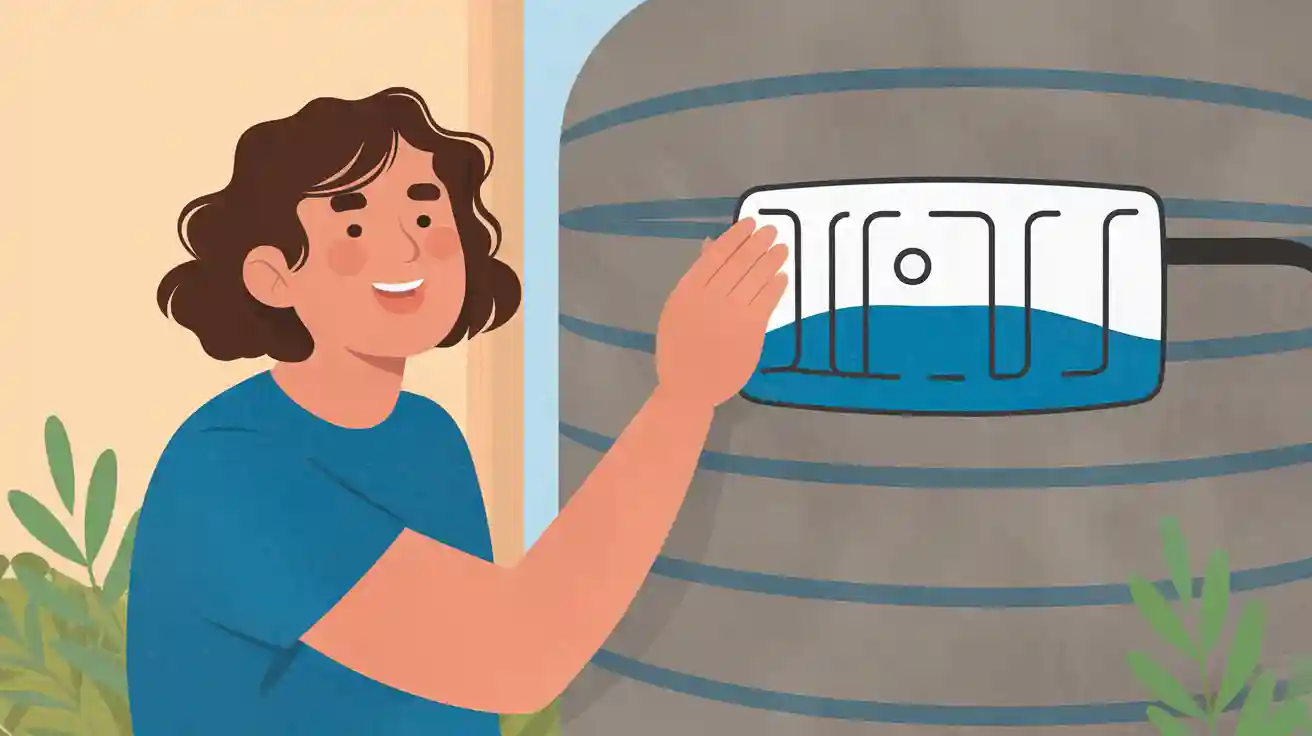
You can set up a water level monitoring system with ease using basic tools and smart technology.
- Over the past decade, more cities and businesses have turned to advanced technology because extreme weather events keep increasing.
- New technology helps you track water levels without technical skills.
- Many people now use these solutions to protect homes and workplaces from floods.
Why Water Level Monitoring Matters
Protecting Water Resources
You play a key role in protecting water resources when you use water level monitoring. Local governments and water boards use these systems to keep water clean and safe. They track groundwater and surface water to prevent pollution and overuse. You help your community by supporting these efforts.
| Role of Water Boards | Contribution to Water Protection |
|---|---|
| Regulatory Programs | Facilitate groundwater management strategies and protection concepts at the local level. |
| Groundwater Monitoring | Provides baseline evaluations of groundwater quality to prevent future impacts. |
| Data Utilization | Helps prioritize cleanup and permitting decisions to ensure high-quality groundwater is protected. |
When you use water level monitoring, you support environmental sustainability. These systems reduce pollution by stopping sewage overflows and chemical leaks. They also provide water usage data for data-driven decision making. This helps you and your community conserve water and plan for the future.
Preventing Flood and Water Shortages
Flood management starts with knowing when water levels rise. You can use sensors and real-time data to spot flood risks early. During Hurricane Harvey, local authorities used level sensors to monitor flooding in real time. This quick response reduced damage and kept people safe.
- Flood inundation maps show which areas face the most risk.
- Real-time gage height data gives early warnings for dangerous flood conditions.
- Hydrologic models help you plan for droughts and water shortages.
You can use these tools for effective flood management and mitigation. Data-driven decision making lets you act before a flood causes harm. You also help with flood risk management by supporting these systems.
Peace of Mind for Homeowners and Businesses
You want to feel safe at home and at work. Water level monitoring gives you that peace of mind. Many systems now offer Wi-Fi sensors, alarms, and instant notifications. You get alerts by text or email if water levels change.
A homeowner once received a warning before work that their sump pump was not working. They fixed the problem before any flood damage happened. This shows how early alerts prevent loss and stress.
You can monitor water levels remotely and detect leaks early. These features support mitigation and effective flood management. You make better choices about water use and protect your property.
Water Level Monitoring Systems for Every Need
Manual Solutions: Switches and Floats
You can start with simple water level monitoring systems like switches and floats. These manual solutions use basic water level sensors that float on the surface or switch on when water reaches a certain height. Many people choose these systems because they are easy to use and cost-effective. You do not need advanced technology to install them.
| Advantages | Limitations |
|---|---|
| Simplicity and reliability | Performance issues in moving fluids |
| Cost-effective and low maintenance | Vulnerable to vibrations affecting readings |
| Effective in tough conditions | Cannot measure non-conductive substances |
Manual water level monitor devices work well in tanks, streams, and wastewater facilities. You can rely on them for basic water level monitoring, but they may not give you the most accurate results in every situation.
Digital Water Level Monitoring Systems
You can upgrade to digital water level monitoring systems for more accuracy and less manual work. These systems use electronic water level sensors that measure water levels in real time. You get continuous and precise data, which helps you avoid mistakes. Digital water level monitor devices also let you collect data automatically, so you do not have to check levels by hand.
- Digital systems provide real-time data and instant alerts.
- You can use advanced analytics to spot trends and make better decisions.
- These systems work in homes, businesses, and industrial settings.
Digital water level monitoring systems use sensors like ultrasonic, radar, and pressure types. These sensors can reach accuracy levels up to ±0.1%, much better than manual methods.
Smart Sensors and Remote Monitoring
Smart water level monitoring systems take things further. You can use smart water level sensors that connect to your phone or computer. These systems offer remote water level monitoring, so you can check water levels from anywhere. You get real-time updates, automatic notifications, and predictive analytics.
| Feature | Description |
|---|---|
| Real-time data collection | Get instant updates on water levels. |
| Remote monitoring | Check water levels from any location. |
| Predictive analytics | Forecast future water needs and spot problems early. |
| Customizable solutions | Fit different tank sizes and shapes. |
| Preventive maintenance | Get alerts before problems happen. |
Smart water level monitoring systems help you save water and money. You can manage resources better and respond quickly to changes. These solutions work well for homes, businesses, and large facilities.
Flood Management and Flood Monitoring Systems
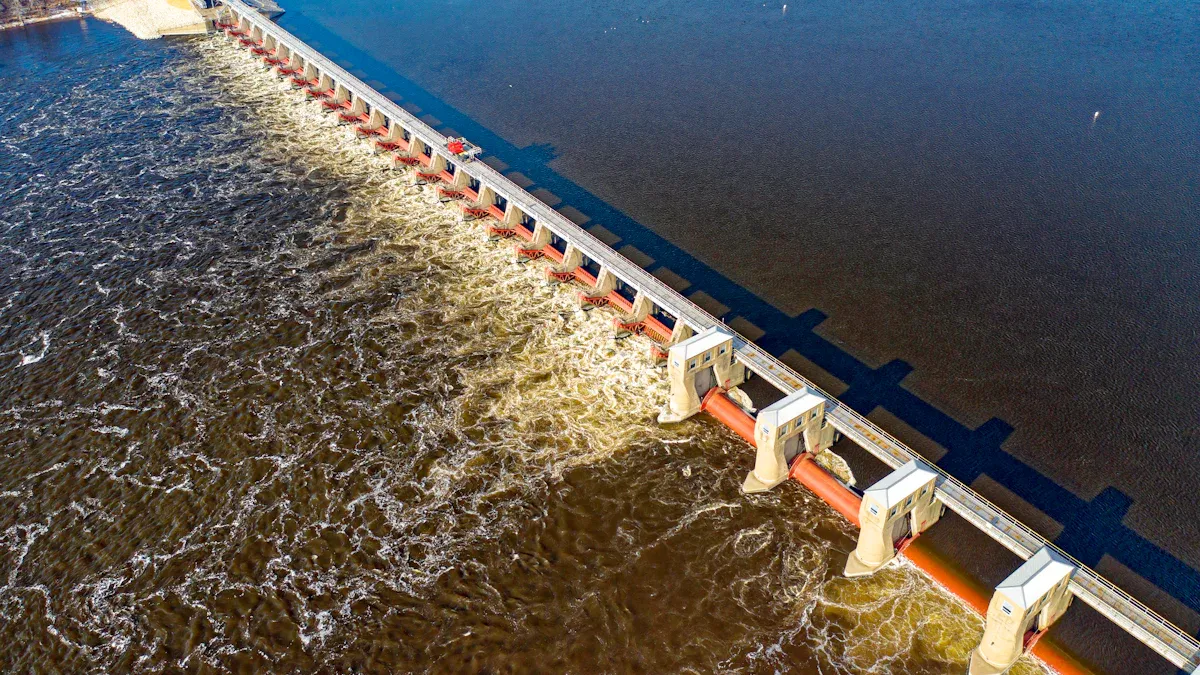
Early Warning for Floods
You can protect your community by using flood management tools that give early warnings. Flood monitoring systems use sensor-based flood monitoring to track water levels and rainfall. When water rises quickly, these systems send alerts so you can act fast. You see how integrating technology helps you spot flood risks before they become disasters.
| Element | Description |
|---|---|
| Online Routing Model | Uses the Muskingum method to predict water flow during floods. |
| Data Assimilation Scheme | Applies Kalman Filtering to improve flood forecasts. |
| Dynamic Model-Weighting | Adjusts models for better flood predictions. |
| Post-Processing Step | Converts water discharge data to flood stage and impact probabilities. |
You get real-time data from these systems, which helps you make quick decisions. Flood management becomes easier when you know what is happening in your area.
Integrating IoT Sensors for Flood Monitoring
You can improve flood monitoring systems by integrating technology like IoT sensors. These sensors collect real-time data on water levels and weather conditions. You receive early detection of rising floodwaters, which helps you respond faster. In places like Charlotte-Mecklenburg County, sensor-based flood monitoring has reduced response times and damage.
| Benefit | Description |
|---|---|
| Early Detection | Sensors give timely alerts for rising floodwaters. |
| Reduced Response Times | Faster emergency actions minimize flood damage. |
| Streamlined Communication | Agencies coordinate better during flood events. |
| Long-term Planning | Data helps plan for future flood mitigation strategies. |
- IoT sensors help prevent erosion and flooding in coastal regions.
- You support ecosystem health and reduce the need for artificial barriers.
- Integrated flood monitoring systems make flood management more effective.
Real-Time Alerts and Data Access
You stay safe when you receive real-time alerts from flood monitoring systems. These systems send notifications to emergency managers and homeowners when flood risks appear. You can access past and current flood data easily, which helps you plan and respond.
| Evidence | Description |
|---|---|
| Real-time flood data | Gives current information for quick action during floods. |
| Flood monitoring systems | Show water levels, velocity, and rainfall for better decision-making. |
- Sensors transmit real-time data to track flood conditions.
- Alerts help you and authorities act before floods cause harm.
- Flood management improves when you use sensor-based flood monitoring and integrating technology.
Tip: You can use flood monitoring systems to protect your property and support community mitigation efforts.
Step-by-Step Guide to Setting Up Water Level Monitoring
Planning Your Water Level Monitoring Setup
You start by thinking about your goals. Do you want to protect your home from flood damage? Are you trying to keep a pond or well at a safe level? You need to decide where you want to place water level sensors. You look for spots that give you the best readings and help you respond quickly to changes.
You check the area for possible risks. Flood-prone zones need extra attention. You plan for easy access to your equipment so you can fix problems fast. You also consider how often you want to check water levels. Some people want real-time alerts, while others prefer daily updates.
Tip: Write down your goals and make a simple map of your property. Mark places where flood water might enter and where you need water level sensors.
You think about how much you want to spend. Manual systems cost less, but smart technology gives you more features. You choose a system that fits your budget and meets your needs.
Choosing the Right Equipment
You pick equipment that matches your setup. You look at different types of water level sensors. Some work best for tanks, while others fit ponds or wells. You also check if you need analog or digital sensors. Digital sensors help you log data and calibrate easily.
You compare cables and materials. Vented cables work well in changing weather. Non-vented cables suit stable environments. You want cables that resist chemicals and stay flexible. You also look for features like modular design and low voltage operation. These make your system safer and easier to use.
| Criteria | Description |
|---|---|
| Types of Sensors | Consider whether to use analog or digital sensors based on your data logging and calibration needs. |
| Cable Types | Choose between vented and non-vented cables based on the sensor type and environmental conditions. |
| Durability | Assess the material of the cable jacket for chemical resistance and flexibility based on site conditions. |
| Features | Look for modular design and low voltage operation for ease of use and safety. |
You choose water level sensors that work well with your technology. You want sensors that send alerts when flood water rises. You also check if the sensors can connect to your phone or computer. This helps you monitor water levels from anywhere.
Installing and Configuring Your System
You get ready for installation by gathering all your parts. You plan ahead to avoid problems and keep things simple. You train yourself or your team to install the system the right way. You use pre-assembled components to save time.
- You insert loggers directly into ponds or wells, or hang them with suspension wire.
- In tough conditions, you secure devices with metal straps or clamps to prevent damage.
- You select the right sensor for your application.
- You prepare carefully to make sure your system works well.
- You calibrate and maintain your devices regularly for reliable water level monitoring.
You place water level sensors where flood water might rise first. You check that each sensor works before you finish installation. You set up alerts so you get notified if water levels change quickly. You test the system by adding water or simulating a flood event.
Note: Always check your sensors after heavy rain or flood warnings. This helps you catch problems early and keep your system working.
You use technology to make monitoring easier. Smart sensors let you see water levels on your phone. You get real-time updates and can act fast if flood water threatens your property. You keep your system running smoothly by checking it often and fixing any issues right away.
Initial Testing and Setup
You need to test your water level monitoring system before you trust the readings. Careful setup helps you get accurate results and avoid problems later. Follow these steps to make sure your system works well:
-
Check the Well Setup
Make sure your well does not let air pressure escape. Air leaks can weaken the sound pulse from your sensor. You want a tight seal so the sensor works correctly. -
Measure the Well Diameter
Look at the size of your well. Large diameters can weaken the sound pulse and affect your readings. If your well is wide, you may need to adjust your sensor or use a different type. -
Record Groundwater Temperature
Find out the temperature of the groundwater. Temperature changes the speed of sound, which can change your readings. Write down the temperature and use it to set up your sensor. -
Set Detection Ranges
Know how deep the water usually sits in your well. Set the minimum and maximum detection ranges on your sensor. This helps you avoid false readings and keeps your system accurate. -
Check for Obstructions
Look inside your well for anything that might block the sensor. Pipes, wires, or debris can interfere with the readings. Remove any obstacles before you start testing.
Tip: Always test your system after installation. Pour a small amount of water into the well or tank and watch how your sensor responds. If you see strange readings, check for leaks or obstructions.
You should run several tests at different water levels. Write down the results and compare them to what you expect. If the numbers do not match, adjust your sensor or check your setup again. You want your system to give you reliable data every time.
You can use a table to track your test results:
| Test Number | Water Level (inches) | Sensor Reading | Notes |
|---|---|---|---|
| 1 | 10 | 10 | Normal |
| 2 | 15 | 15 | Accurate |
| 3 | 20 | 19 | Check for error |
You learn more about your system with each test. Careful setup and testing help you avoid mistakes and keep your water level monitoring system working for years.
Ensuring Accuracy and Reliability in Water Level Monitoring
Sensor Placement and Calibration
You need to place water level sensors in the right spot to get accurate readings. Start by looking at environmental factors like temperature, humidity, and electrical interference. These can affect how well your sensors work. If you use ultrasonic water level sensors, measure the time it takes for sound pulses to travel to the water and back. This helps you set the speed of sound in your system.
Next, adjust the calibration settings. Change the sensor’s parameters based on your measurements. Compare the sensor readings with manual measurements to check for accuracy. Make small changes if you see differences. You should also maintain and recalibrate water level sensors often. This keeps your system working well even when conditions change.
Tip: Sensors with temperature compensation work better in places with extreme temperature changes.
Troubleshooting Common Issues
You may face challenges when using water level sensors. Some problems happen often, but you can fix them with simple steps. Here is a table that shows common challenges and solutions:
| Common Issue | Description | Resolution |
|---|---|---|
| Data Logging Problems | Incomplete or lost data can hinder long-term monitoring projects. | Ensure a reliable power supply and consider using a UPS. Regularly back up data. |
| Calibration Errors | Incorrect calibration can lead to inaccurate readings. | Regularly calibrate sensors according to manufacturer guidelines. |
| Sensor Fouling | Dirt or debris can affect sensor performance. | Regularly clean sensors and check for fouling. |
| Electrical Interference | External electrical noise can disrupt sensor readings. | Use shielded cables and proper grounding techniques to minimize interference. |
| Memory Capacity Issues | Limited internal memory can lead to data overflow. | Regularly export and clear stored data to prevent overflow. |
| Software Compatibility | Issues when exporting data or integrating with other software. | Keep firmware and software updated to ensure compatibility. |
| Improper Sample Collection | Errors in sample collection can skew results. | Follow best practices for sample collection, including using clean containers and proper labeling. |
You can solve most challenges by cleaning sensors, checking cables, and updating software. If you see strange readings, recalibrate your water level sensors and check for electrical noise.
Regular Checks and Maintenance
You keep your water level sensors reliable by doing regular checks. Look for dirt, sediment, or foam that might block the sensor. These can cause false readings. Sensors with high resolution and good calibration give you better results. You should inspect cables and connections to prevent interference.
Make a checklist for your maintenance routine:
- Clean water level sensors and remove debris.
- Check calibration and adjust if needed.
- Export and back up data often.
- Update software and firmware.
- Inspect cables for damage.
You face challenges like temperature changes and turbulence, but regular maintenance helps you avoid problems. Reliable water level sensors keep your monitoring system accurate and ready for any situation.
Maintenance Made Simple for Water Level Monitoring Systems
Routine Tasks and Inspections
You keep your water level sensors working well by following a few simple steps. Start by checking the environment before you install anything. This helps you choose the right sensors for your needs. Place each sensor where it can give you the best readings, especially in areas at risk of flood. Calibrate your water level sensors after installation to make sure they measure correctly.
To keep your system running, follow this routine:
- Inspect your water level sensors for any damage or dirt.
- Clean the sensors if you see any buildup, especially after a flood.
- Check the calibration every few months to keep your readings accurate.
- Look for signs of wear on cables and connections.
These steps help you spot problems early and support flood mitigation efforts in your home or business.
Easy Fixes for Common Problems
You can solve many issues with water level sensors using quick fixes. If you use float-type sensors, clean them often to stop scale from building up. This keeps them from sticking or giving false readings. Photoelectric sensors work well and need less cleaning, so you might want to use them for easier maintenance.
Here are some common problems and how you can fix them:
| Problem | Cause | Solution |
|---|---|---|
| Electromagnetic interference | Fluctuating data or no signal | Ground the sensor, use a separate power supply, and keep away from high-power equipment. |
| Stirring in the container | Fluctuations affect measurement | Watch the readings and adjust the sensor if needed for more accurate flood monitoring. |
Regular cleaning and careful placement help your water level sensors last longer. These easy fixes keep your flood monitoring system ready for any emergency.
Upgrading or Replacing Components
You may need to upgrade your water level sensors as technology improves. Newer sensors can give you faster alerts during a flood and help with better mitigation. If you notice your sensors are slow or give wrong readings, consider replacing them. Choose sensors that fit your system and work well with your flood monitoring setup.
When you upgrade, look for features like easy calibration and strong cables. These make your system more reliable and easier to maintain. Upgrading your water level sensors helps you stay prepared for flood risks and supports long-term mitigation.
Real-Life Success Stories in Water Level Monitoring
Homeowner Water Level Monitoring Experience
You can learn a lot from homeowners who use water level monitoring systems. One family in a flood-prone area installed smart sensors in their basement and backyard. When heavy rain started, the system sent an alert to their phone. They acted quickly and moved valuables to higher ground. The flood did not damage their home. You can see how early warnings help you avoid costly repairs and stress. Many homeowners now trust water level monitoring to protect their property and keep their families safe during a flood. You can use these systems to support flood management in your own home.
Small Business Water Level Monitoring Case Study
Small businesses often face big risks from flood events. You can use water level monitoring to keep your business safe and efficient. Many businesses have seen great results:
- You get real-time visibility of water tanks and ponds, which helps you manage water stock better.
- Advanced analytics let you predict water level changes, so you reduce operational overheads and increase profits.
- Improved irrigation practices help you save water and support sustainability.
- You can check water levels in tanks and make timely decisions about maintenance and usage.
- Immediate access to information lets you optimize your daily operations.
- You prevent water waste by finding leaks and using water wisely.
- You avoid tank damage by keeping water at safe levels.
- You stop water shortages by refilling tanks on time.
- You increase efficiency by tracking water usage patterns.
- You help conserve water resources and promote sustainability.
You can see how water level monitoring supports flood management and keeps your business running smoothly, even during a flood.
Community Flood Management Project
Communities benefit when they work together on flood management projects. You can join local efforts to install sensors and create early warning systems. These projects help everyone stay safe during a flood. The impact goes beyond safety. Here is what communities have achieved:
| Benefit Type | Description |
|---|---|
| Improved Water Quality | Flood management projects enhance water quality in local areas. |
| Restored Wetlands | These projects contribute to the restoration of wetlands, which are vital. |
| Economic Development | They create job opportunities and support local economic growth. |
| Recreational Opportunities | New parks and trails are developed, providing recreational spaces for the community. |
You help protect water resources and create new places for fun and relaxation. Flood management projects also bring jobs and support the local economy. When you take part in these projects, you make your community stronger and safer from flood risks.
You can set up water level monitoring systems without special skills. These systems give you real-time data and use user-friendly interfaces. You access water level information from almost any location.
- Real-time data helps you respond quickly.
- Simple controls let you operate systems easily.
- Network coverage supports users in many areas.
Communities benefit for years when you use effective flood management strategies.
| Benefit/Strategy | Description |
|---|---|
| Comprehensive Planning | You help your community plan for the future and understand flood risks. |
| Data Consolidation | You see all flood hazard data in one place for better decisions. |
| Long-term Risk Management | You encourage smart choices as flood risks change over time. |
Take action today. You protect your home and community with reliable water level monitoring.
FAQ
How often should you check your water level monitoring system?
You should check your system at least once a month. Regular checks help you spot problems early. After heavy rain or storms, inspect your sensors for damage or dirt.
Can you install a water level monitoring system by yourself?
Yes, you can install most systems on your own. Many kits come with clear instructions. You do not need special tools or skills. If you feel unsure, ask a professional for help.
What should you do if your sensor gives false readings?
First, clean the sensor and check for dirt or debris.
If the problem continues, recalibrate the sensor. Replace damaged cables. If you still see errors, contact the manufacturer for support.
Are smart water level sensors safe to use outdoors?
Smart sensors work well outdoors. Look for waterproof and weather-resistant models. These sensors handle rain, sun, and wind. Always follow the manufacturer’s safety tips for outdoor use.


