
Buyer Beware: The 5 Most Common Pain Points in the Wireless Level Monitor Market (and TLC2326-WF-S Solutions)
Target Audience: Procurement Decision Makers, Maintenance Personnel, End Users
I. Market Status: High Demand, Uneven Quality
With the rapid development of smart cities and smart water management, demand for wireless level monitors continues to grow. However, behind the market prosperity, product pain points revealed in user feedback cannot be ignored.
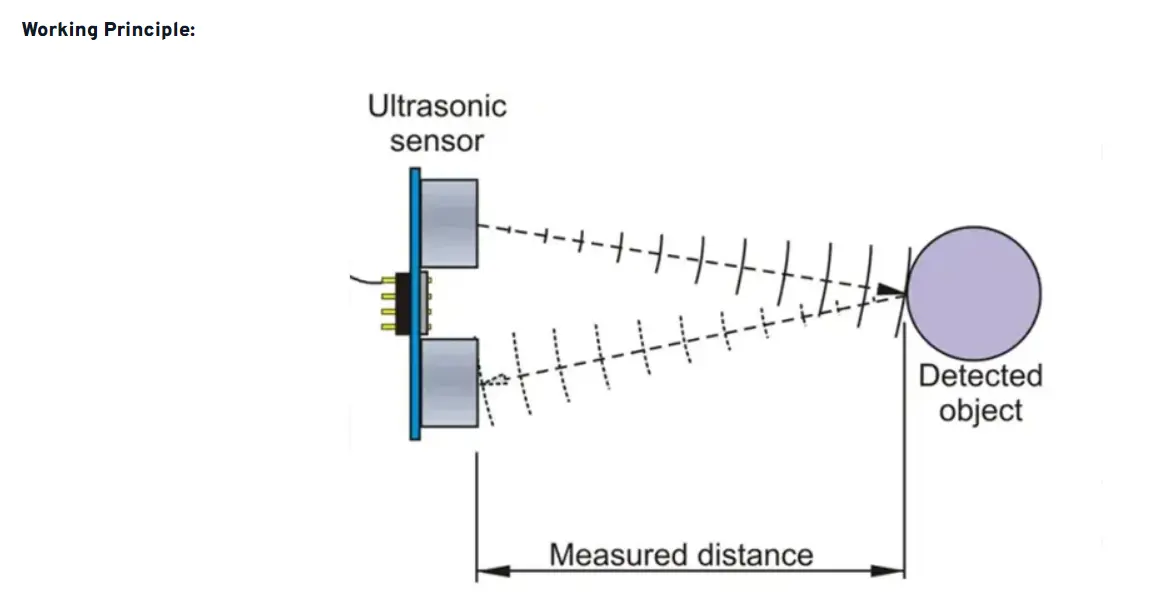
Below are the five most common pain points reported by users of similar products, and how the TLC2326-WF-S addresses each one.
Pain Point #1: Inaccurate Measurement, Data Drift – "Precision" in Name Only
The Problem: Industry testing shows that some low-cost level sensors suffer from severe measurement drift – "after 72 hours of continuous operation, reading deviation reached 1.2%"-6. In level monitoring, a few centimeters of error can mean false alarms or missed alerts.
Real-World Impact: Inaccurate measurement data causes users to lose trust in the system. One user reported: "The tank was almost empty, but the App showed 50%, so the pump ran dry and got damaged."
*TLC2326-WF-S Solution:*
- Ultrasonic probe with high-precision components, factory-calibrated
- Non-contact measurement prevents accuracy degradation from probe scaling
- Tuya platform supports multi-level alert thresholds to reduce false alarm interference
Pain Point #2: Power Supply Problems – Frequent Battery Changes, Installation Constraints
The Problem: Many wireless level meters claim "low power consumption" but in practice require battery changes every 1-2 months. For rooftop tank installations, frequent ladder climbs for battery changes are a burden. For outdoor locations without power, wiring costs are high.
Real-World Impact: Frequent battery changes increase maintenance costs, and users often discover device failure only after batteries are depleted.
*TLC2326-WF-S Solution:*
- Solar + 18650 battery dual power: Automatic charging from sunlight, no manual intervention needed
- Battery backup for cloudy/rainy days
- Optional power adapter for locations with mains power
Pain Point #3: Signal Coverage "Dead Zones" – WiFi Disappears Through Walls
The Problem: Rooftop water tanks are on building tops, while routers are typically indoors or downstairs. WiFi signals must penetrate concrete floors and multiple walls.
Real-World Impact: Device offline means monitoring failure.
*TLC2326-WF-S Solution:*
Recommendation: Test WiFi signal strength before installation (App displays signal), add WiFi extender if needed
Separate sensor and main unit (3m cable) allows positioning main unit for better WiFi signal
2m solar panel cable for flexible positioning
Pain Point #4: Insufficient Protection, Short Lifespan – Outdoor Installation Failure
The Problem: Level monitoring equipment is often installed outdoors in humid, dusty environments, but many products have insufficient protection ratings. Industry selection guidelines state: Outdoor installation requires ≥IP65, submerged requires ≥IP68.
Real-World Impact: User feedback: "After less than six months, the housing cracked and it was full of water."
*TLC2326-WF-S Solution:*
- IP67 waterproof rating: Completely dustproof, rain-resistant, and short-term submersible
- Wide operating temperature: -10℃ to +70℃
- CE/RoHS/REACH certified for international safety and environmental compliance
Pain Point #5: Complex Installation and Debugging – Difficult for Non-Professionals
The Problem: Some level monitoring devices require complex network configuration, specific gateways, or professional tools for installation and debugging.
Real-World Impact: Self-installation is nearly impossible for ordinary users.
*TLC2326-WF-S Solution:*
Nut mounting: Simply drill hole in tank top (or use existing opening) and tighten nut
Standard WiFi pairing: Clear Tuya App pairing process, most users can complete independently
Detailed instructions: Clear installation guides and video tutorials included
Pain Point Summary Table
| Pain Point | Typical User Feedback | TLC2326-WF-S Solution |
|---|---|---|
| Inaccurate measurement | "Shows 50% but tank actually empty" | High-precision ultrasonic + factory calibration |
| Power supply problems | "Died after one month" | Solar + 18650 battery dual power |
| Poor signal | "Rooftop tank can't connect to WiFi" | Separate sensor + flexible positioning |
| Insufficient protection | "Housing cracked and filled with water after 6 months" | IP67 + wide temperature range |
| Complex installation | "Took a week of struggling to get it working" | Nut mounting + standard pairing process |


