
Understanding Optical Sensors for Water Level Monitoring
Optical sensors are revolutionizing water level monitoring. They use light to detect water presence, offering high accuracy. These sensors are non-contact, meaning they don't need to touch the water.
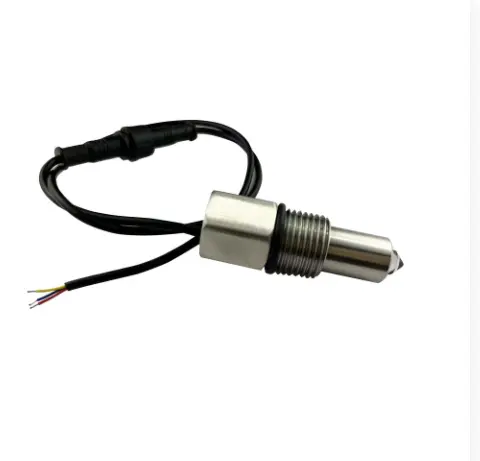
This makes them ideal for environments where traditional sensors might fail. Corrosion and contamination are less of a concern with optical sensors. They are reliable and require minimal maintenance.
Optical sensors are versatile and can be used in various applications. From industrial tanks to environmental monitoring, they provide quick and precise water level detection.
How Optical Water Level Sensors Work
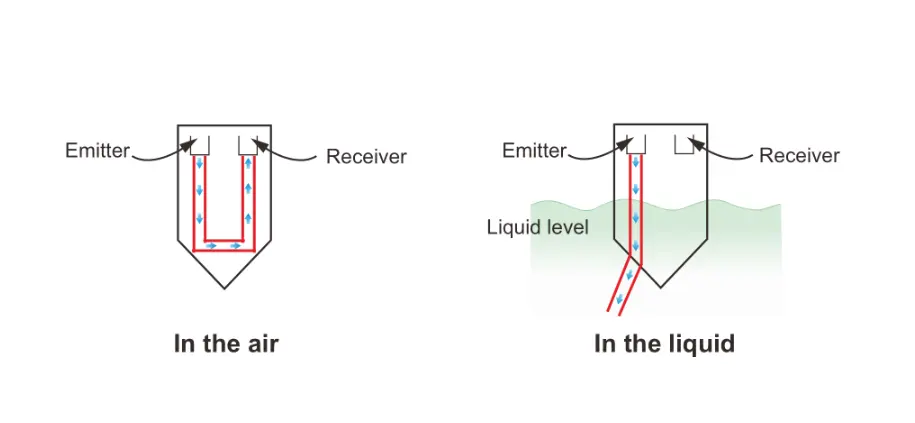
Optical water level sensors utilize advanced technology to gauge water levels. These sensors emit light beams, often infrared, for detecting changes. When the beam contacts water, it reflects differently.
Here is how optical water level sensors work:
- Light Emission: The sensor emits a beam toward the target area.
- Reflection or Refraction: The light changes as it interacts with water.
- Detection: The sensor detects these changes to determine water presence.
The sensors are adept at recognizing even small level shifts. This precision results from the sensor's ability to measure variations in light behavior. Non-contact functionality keeps the system free from physical wear.
Overall, optical sensors provide an efficient, dependable method for monitoring water levels across diverse settings.
Key Benefits of Optical Water Level Sensors
Optical water level sensors offer numerous advantages over traditional sensors. These benefits make them a popular choice for many applications in water management.
A standout feature is their non-contact nature, reducing wear and eliminating contamination risks. This means they can function in harsh environments where other sensors might fail.
Some key benefits include:
- High Accuracy: Precise measurement of water levels.
- Low Maintenance: Minimal upkeep due to durability.
- Fast Response: Quickly detects any level changes.
- Versatile: Suitable for various liquids, not just water.
Additionally, these sensors are compact and easy to install, which allows for flexible deployment. Their reliability and efficiency ensure a cost-effective solution for long-term use in both open and confined systems.
Common Applications for Water Detection Sensors
Optical water level sensors are versatile, finding use in many industries. Their reliability and precision make them ideal for various applications. They are essential in settings where accurate monitoring is critical to operations or safety.
These sensors are widely employed in:
- Industrial Tanks: For monitoring chemical levels.
- Environmental Monitoring: Tracking reservoir and lake levels.
- Flood Detection: For early warning systems in flood-prone areas.
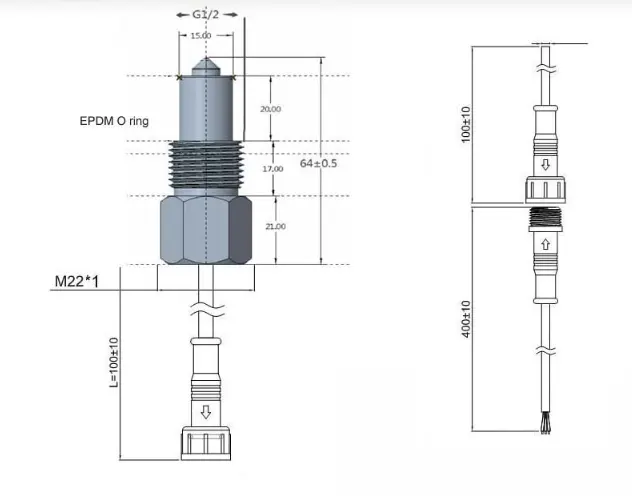
Additionally, they are often integrated into automated systems for real-time alerts, ensuring timely interventions. Their ability to function in remote or hard-to-access locations adds immense value, offering crucial data in environmental and industrial settings. Optical water level sensors contribute significantly to safe and efficient operations.
Optical Sensors vs. Other Water Level Sensors
Optical sensors stand out due to their accuracy and non-contact nature. Unlike mechanical sensors, they do not touch the liquid, reducing the risk of contamination or corrosion. This characteristic makes them superior in harsh environments.
Advantages of optical sensors include:
- Non-contact measurement: Reduces contamination risk.
- Quick response: Detects minor level changes swiftly.
- Minimal maintenance: Lower upkeep than mechanical options.
These benefits often make them the preferred choice when consistent and reliable water level monitoring is essential.
Choosing the Right Optical Sensor for Your Needs
Selecting an optical sensor depends on your specific requirements. Consider factors such as the liquid type, environment, and integration capabilities for optimal performance.
Conclusion
Optical water level sensors offer precise, reliable, and maintenance-free solutions for various applications. Their versatility and efficiency make them an ideal choice for modern water monitoring needs.


