
Advantages of Using Optical Level Sensors
Have you ever wondered how a high-end espresso machine knows its tank is empty without a clunky floating ball inside? The secret involves an optical level sensor acting as an "electronic eye" for point level sensing—alerting the system exactly when water reaches a specific spot.
In practice, these liquid measurement tools use invisible light rather than mechanical parts that easily jam. Simplifying your liquid level detection guarantees "set it and forget it" reliability.
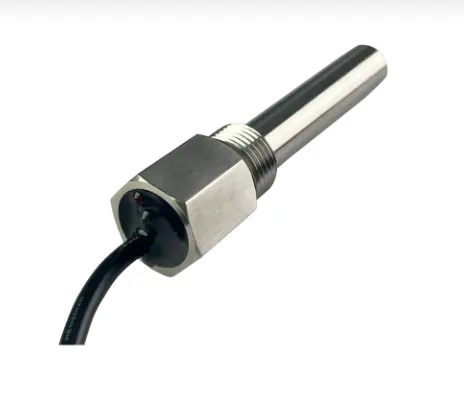
The Window vs. Mirror Trick: How Optical Sensors 'See' Water
The secret behind how infrared liquid level detection works is refraction—the way light bends when touching water. The technology relies on refractive index liquid sensing principles. Rather than a standard visible beam, these devices use invisible light. This design choice is vital for mitigating ambient light interference in photoelectric sensing, which simply means preventing your bright kitchen ceiling lights from tricking the sensor.
Picture the invisible light’s three-step journey to understand this trick:
- The beam leaves a tiny internal LED.
- It strikes the inside of the clear, cone-shaped tip.
- In air, the tip acts like a mirror, bouncing light back to the receiver. But when water covers it, the tip becomes a window, letting the light escape!
When that light escapes into the liquid, the detector notices the sudden darkness and registers the water's presence. Manufacturers use infrared phototransistor sensitivity adjustment so the receiver perfectly ignores room lighting. This brilliant optical trick requires zero moving parts, giving solid-state sensors a distinct longevity advantage over traditional mechanical alternatives.
Goodbye Clunky Floats: Why Solid-State Sensors Last Longer
Traditional mechanical floats—like the bobbing plastic ball in your toilet tank—notoriously get jammed by debris or simply wear out over time. Upgrading to optical technology introduces the advantages of solid-state level switches, meaning there are absolutely zero moving parts to break. This makes them the ideal float switch replacement for narrow spaces where bulky mechanical arms simply won't fit, like inside a compact household espresso machine.
Comparing these tiny electronic eyes to old-school floats reveals four distinct benefits:
- Size: Optical sensors effortlessly squeeze into the tightest containers.
- Reliability: Solid-state engineering ensures fail-safe monitoring without mechanical fatigue.
- Cleaning: Knowing how to clean sensor prism surfaces requires nothing more than a quick wipe.
- Complexity: Utilizing chemical resistant materials for level probes guarantees they survive harsh cleaning liquids.
Even with these massive upgrades, messy liquids require minor planning. Preventing false triggers from foam and bubbles often means mounting the device lower in the tank so resting suds don't trick the light beam. Anticipating these liquid dynamics ensures practically foolproof operation.
Choosing Your 'Electronic Eye': Simple Steps for Reliable Detection
Upgrading to non-contact point level sensing technology offers distinct reliability benefits. From fail-safe liquid level monitoring systems to detecting low liquid levels in medical equipment, these electronic eyes offer a true set-it-and-forget-it solution.
Evaluate your space constraints and maintenance requirements before your next project. Whether fixing household appliances or designing industrial tank high-level alarm systems, optical sensors prove that bending light offers a far more reliable solution than mechanical parts.