
The Ultimate Guide to Smart Home Bins: From Kitchen Convenience to City-Wide Efficiency
The smart home bin represents a significant leap forward in household technology. It is an advanced waste receptacle designed for modern residential use. This device transforms a mundane chore into a seamless, hygienic, and intelligent process. At its core, a smart bin uses technology to automate common tasks. These tasks include opening the lid, sealing the bag, and even preparing the next liner.
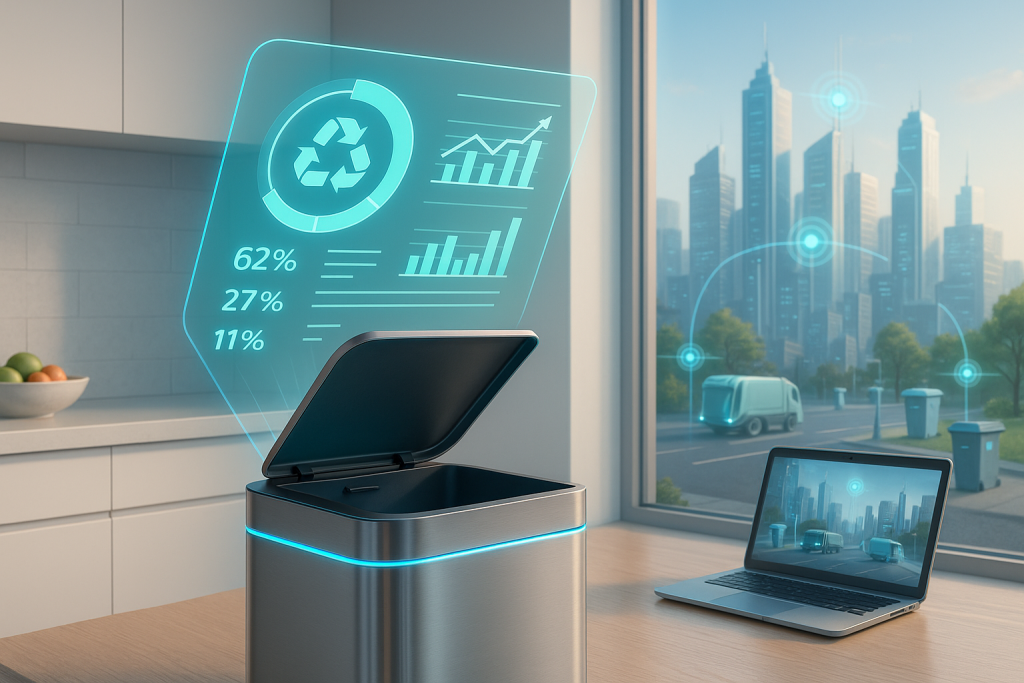
The immediate benefits are clear. They offer improved cleanliness, superior convenience, and enhanced odor control in the kitchen. However, the true potential of the smart home bin extends far beyond individual households. It is the first link in a chain of data that promises to create more efficient and sustainable communities. This guide explores every aspect of the smart bin, from its core features to its role in the future of waste management.
What is a Smart Home Bin? Beyond the Pedal
A smart home bin elevates the traditional trash can into an interactive home appliance. For decades, the most significant innovation in waste bins was the foot pedal. This offered a simple, mechanical way to achieve hands-free operation. The smart bin replaces this mechanical system with sophisticated electronics, sensors, and robotics. It actively anticipates the user's needs and performs tasks on its own.
This evolution is part of a broader trend in home automation. Everyday objects are becoming more connected and intelligent. The smart bin is no exception. It is designed to reduce the manual effort and unpleasantness associated with handling trash. By doing so, it contributes to a cleaner, healthier, and more convenient living environment. It is a practical application of technology that addresses a universal household task. Its purpose is to make life simpler and more hygienic, one sealed bag at a time.
A Detailed Breakdown of Core Features
The capabilities of smart home bins can vary significantly between models. However, a set of core features defines this product category. These innovations are what separate a smart bin from a conventional one.
Hands-Free Motion Sensing Operation
The most fundamental feature of any smart bin is its hands-free operation. This is achieved through advanced motion sensor technology. Typically, an infrared sensor is located on the front or top of the bin. This sensor emits a beam of invisible light. When a hand or object approaches within a few inches, it breaks the beam. The sensor detects this interruption and instantly signals a small motor to open the lid. After a few seconds of inactivity, the lid closes automatically and silently.
This technology provides two major benefits. The first is hygiene. In a kitchen environment, hands are often messy from food preparation. A touchless system prevents the transfer of germs and bacteria to the bin's surface. The second benefit is convenience. When carrying a plate of scraps or a full cutting board, the user does not need a free hand to open the lid. The bin responds automatically, creating a smoother workflow in the kitchen.
Automatic Bag Sealing and Changing
The most revolutionary feature of high-end smart bins is their ability to manage the trash bag. This is the feature that truly automates the most unpleasant part of the task.
When the bin is full, the user can press a button. The bin then engages a thermoplastic sealing mechanism. It uses heat to perfectly seal the top of the trash bag, trapping all contents and odors inside. This eliminates the need to manually tie a messy, overflowing bag. Once sealed, the main compartment of the bin opens. The user can then simply remove the self-contained, sealed bag.
After the bag is removed, the magic continues. The bin's internal mechanisms create a vacuum. This action automatically pulls a fresh bag into place from a pre-loaded cartridge. The bin is then ready for use again in a matter of seconds. This entire process is completely hands-off. It ensures that the user never has to touch the inside of the bin or manually fit a new liner.
Advanced Odor Control
Kitchen bins are a primary source of unpleasant odors. Smart bins address this problem with several advanced features. The automatic sealing mechanism is the first line of defense. By sealing the bag before removal, it locks odors inside. The lids on smart bins are also designed to be airtight. When closed, they create a seal that prevents odors from escaping into the room.
Many models also incorporate active odor control systems. This often takes the form of a compartment for an activated carbon filter. The carbon filter absorbs and neutralizes odor-causing molecules. This feature keeps the area around the bin smelling fresh, even when it contains items like fish or vegetable scraps.
Intelligent Overload Protection
Another common issue with traditional bins is overfilling. This can lead to torn bags and messy spills. Advanced smart bins have built-in overload protection. The same mechanism that seals the bag can detect when the bin is too full. If it senses that the contents are overflowing, it has a clever solution. The bin's top compartment will lift itself vertically. This action pulls the trash bag upwards, creating extra space to enclose all the contents before it performs the seal. This ensures a clean seal every time and prevents messes.
The "Smarter" Bins: Connectivity and Data
While convenience features are impressive, a new generation of smart bins is adding connectivity. These devices integrate with smartphone apps and online services. This opens up a new world of functionality. It also creates a powerful link between the home and the wider world of waste management.
App Integration and Notifications
Connected smart bins link to a companion app on a smartphone. This app acts as a remote dashboard for the bin. It can send a notification to the user's phone when the bin has sealed a bag. It also tracks the usage of the bag refill cartridges. The app will alert the user when it is time to order a new cartridge, often with a direct link to purchase one. This ensures the household never runs out of liners.
Promoting Sustainable Habits
Some of the most innovative smart bins are designed to encourage better recycling habits. These models may include a barcode scanner. A user can scan the barcode on a piece of packaging before throwing it away. The companion app can then identify the material. It provides specific, locally relevant instructions on how to properly recycle that item. This feature turns the bin into an educational tool. It helps families make more informed decisions and reduce their contribution to landfill waste.
The Link to Municipal Efficiency
The data generated by these connected bins has enormous future potential. While individual data remains private, aggregated and anonymized data could be a game-changer for cities. Imagine if a municipal sanitation department could see real-time, anonymized data on waste generation across neighborhoods. This information could be used to build hyper-efficient collection routes. Trucks would only be sent to areas where bins are actually full. This city-level optimization is the ultimate goal of smart bins. The humble smart home bin is the first and most critical point of data collection in this visionary ecosystem. It connects the actions of an individual household to the efficiency of an entire city.
The Benefits of a Smart Bin in the Modern Home
Integrating a smart bin into a home provides a range of tangible benefits that improve daily life. These advantages cover convenience, cleanliness, and even aesthetics.
The primary benefit is unmatched convenience. The automation of opening, closing, sealing, and bag changing removes nearly all the manual labor associated with trash disposal. It streamlines a common kitchen task and frees up time.
Enhanced hygiene is another major advantage. The completely touchless system significantly reduces the risk of cross-contamination during food preparation. This contributes to a healthier kitchen environment for the entire family. For households with young children or pets, a bin that is securely sealed and difficult to open manually also offers an added layer of safety.
The superior odor management of a smart bin keeps the kitchen smelling clean. The combination of an airtight lid, active filters, and a self-sealing system effectively contains even the strongest smells. This is a significant upgrade over traditional open or pedal bins.
Finally, smart bins are designed as modern home appliances. They often feature sleek designs with materials like stainless steel and high-quality plastics. Their minimalist aesthetic allows them to blend seamlessly into a contemporary kitchen, adding to the overall look and feel of a smart home.
A Buyer's Guide: Choosing the Right Smart Bin
With a growing market, choosing the right smart bin requires some consideration. Buyers should evaluate several key factors to find a model that fits their home and lifestyle.
The first factor is capacity and size. Smart bins come in various sizes, measured in liters or gallons. A smaller bin may be suitable for a single person or a small apartment. A large family will likely need a much larger capacity to avoid sealing bags multiple times a day.
Next is the material and build quality. Look for bins made from durable, fingerprint-resistant materials. Stainless steel is a popular choice for its premium look and easy cleaning. High-quality ABS plastic is also a durable and lightweight option.
Buyers should also weigh features against cost. A basic model with only a motion sensor will be the most affordable. Mid-range models may add odor control and a rechargeable battery. The premium, top-of-the-line models will include the automatic sealing and bag-changing features. It is important to decide which features will provide the most value for your household.
Finally, consider the ongoing cost of consumables. The most advanced bins require proprietary refill rings or cartridges. Buyers should research the cost of these refills and factor that into the total cost of ownership.
Conclusion: A Small Step for the Home, A Giant Leap for Waste Management
The smart home bin is much more than a luxury gadget. It is a highly functional appliance that solves real-world problems of hygiene, convenience, and odor control in the home. It represents the natural evolution of a common household object into something more intelligent and helpful.
At the same time, its potential goes far beyond the four walls of the kitchen. The connectivity and data-gathering capabilities of the smartest bins offer a glimpse into the future. They are the endpoints in a network that can make our communities cleaner and our municipal services more efficient. The smart home bin is a perfect example of how individual, consumer-level technology can contribute to a larger, collective good. It is a small change in the home that is part of a major shift in how we manage our resources.
Frequently Asked Questions (FAQ)
1. Are the proprietary trash bags for smart bins expensive?
The cost of proprietary refill cartridges is higher than standard trash bags. Buyers should consider this ongoing expense. However, the cartridges are often highly efficient. The self-sealing system wastes no bag material, so a single cartridge can last for a month or more depending on usage.
2. How long does the battery last on a typical smart bin?
Most smart bins use a rechargeable lithium-ion battery. A single charge typically lasts between 30 to 60 days, depending on the model and how frequently it is used. They are easily recharged using a standard USB-C or micro-USB cable.
3. Can smart bins handle wet trash or liquids?
Yes, smart bins are designed to handle typical kitchen waste, including wet items. The thermoplastic sealing technology creates a strong, leak-proof seal. This ensures that any liquids are safely contained within the bag during removal and disposal.
4. Is a smart bin difficult to set up and use?
No, setup is generally very simple. It typically involves charging the battery and inserting the first bag refill cartridge. The day-to-day operation is highly intuitive. The motion sensor works automatically, and the sealing function is usually activated by a single touch of a button.


