
No te aha ta outou mau paruru maramarama e ore ai e tere maitai? Tuatapaparaa hohonu no ni'a i te 6 Te mau fifi i roto i te tapihaa
Te mau taata e titau ra: Te feia hoo tei farii i te mau ohipa ino, Te mau faatere no te mau tauihaa, Te feia hi'opo'a i te ohipa
Omuaraa
Ua haapii mai te Smart Curtain Market te tupu vitiviti nei, Tera râ, te vai noa ra te mau amuamuraa rahi. Niuhia i ni'a i te tuatapaparaa i te matete e te mau mana'o o te taata, Te haapoto nei teie tumu parau e ono fifi rahi i roto i te tapihooraa o te Smart Curtain
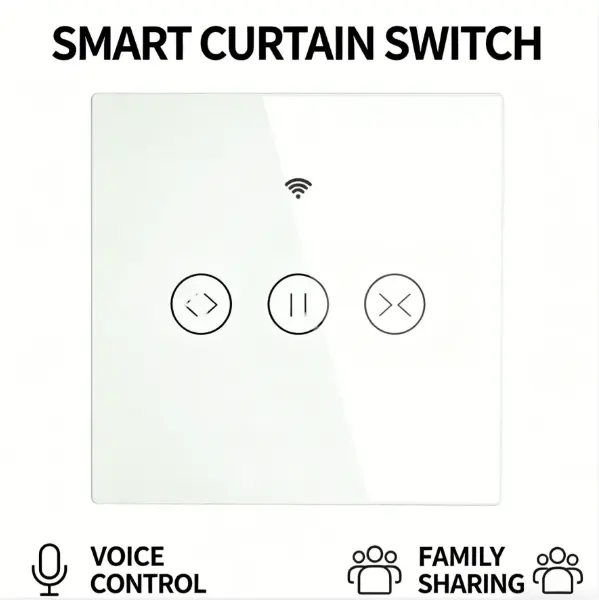
Fifi #1: Te haama o te "Eita e nehenehe e haamau"
E titau te mau rave'a matauhia i te niuniu uira e aore râ, i te turu'iraa i ni'a i te uira, e ua hau atu te mau haamau'araa no te tauiraa $100 i te utuafare tata'itahi. No te mau utuafare e ora a'ena ra i roto i to ratou fare, Eita e nehenehe e tatara i te mau e'a e te mau niuniu e vai ra. E fifi atoa te mau tauihaa faaapîhia – te fifi nei te tahi pae i te mau pou paruru telescopique e aore râ, te mau auri e ere i te mea matauhia.
Fifi #2: Te faaheporaa nava'i – Te haamâ o te "Eita e nehenehe e tura'i"
Teie te hoê o te mau fifi pinepine roa a'e. E rave rahi mau tauihaa e nehenehe roa i ni'a i te mau api parau, eita râ e nehenehe e tura'i i te mau paruru ereere meumeu. Ua riro te hi'opo'araa a te Irish Times ei hi'oraa matauhia – ua titauhia e toru tamataraa no te imi i te hoê paruru tu'ati. E mea rahi a'e te fifi no te mau paruru teiaha mai te velours e aore râ, te poiri e toru tuhaa.
Fifi #3: Maniania rahi – "Te huru muhu ore" E ere i te mea mamû
Te maniania o te matini o te tahi atu ïa fifi rahi. E rave rahi mau tao'a tahito o te faatupu nei i te maniania o te matini, noa'tu i roto i te rave'a muhu ore. No te piha taotoraa, E itehia teie maniania i te pô. Te faaite ra te mau mana'o o te taata e te vai ra te tahi mau tauihaa "Te rave'a muhu ore" e faaiti i te puai o te matini, te faaitiraa i te puai.
Fifi #4: Te oraraa poto o te uira – Te hopoi'a no te mono-pinepine-raa
Te mono-pinepine-raa i te mau uira, o te fifi ïa no te atuaturaa. Eita te tahi mau tauihaa ha'iha'i e vai maoro 6 ava'e i muri a'e 2 Te mau mana'o tauturu no te haapiiraa. No te mau matini paruru tei tuuhia i te mau vahi fifi ia tapae, Te monoraa i te uira, o te ohipa ïa i te pae tino.
Fifi #5: Te natura opanihia – Te haama o te "Opereraa i te motu"
Te faufaa rahi roa a'e o te mau fare maramarama, tei roto ïa i te "Te tu'atiraa," Tera râ, e rave rahi mau fare hamaniraa o te faaohipa nei i te mau faanahoraa o te ore e nehenehe e tuati i te tahi atu mau taiete. E faahepohia te mau taata ia hoo mai i te taatoaraa o te mau tauihaa o te hoê â pûpû.
Fifi #6: Te paruparu o te mau tapa'o – Te mau hape no te faatereraa i te atea
Te mau rave'a matauhia no te hi'opo'araa i te paruru WiFi/Bluetooth e mea iti roa te tapo'i e e mea paruparu te tomoraa i roto i te papa'i. No te mau fare rarahi, Te mau fare, e aore râ, te mau fare tahua rahi, Tei roto paha te mau paruru i te mau vahi pohe


