
Why Every Home Needs an Automatic Water Leak Valve Shut Off
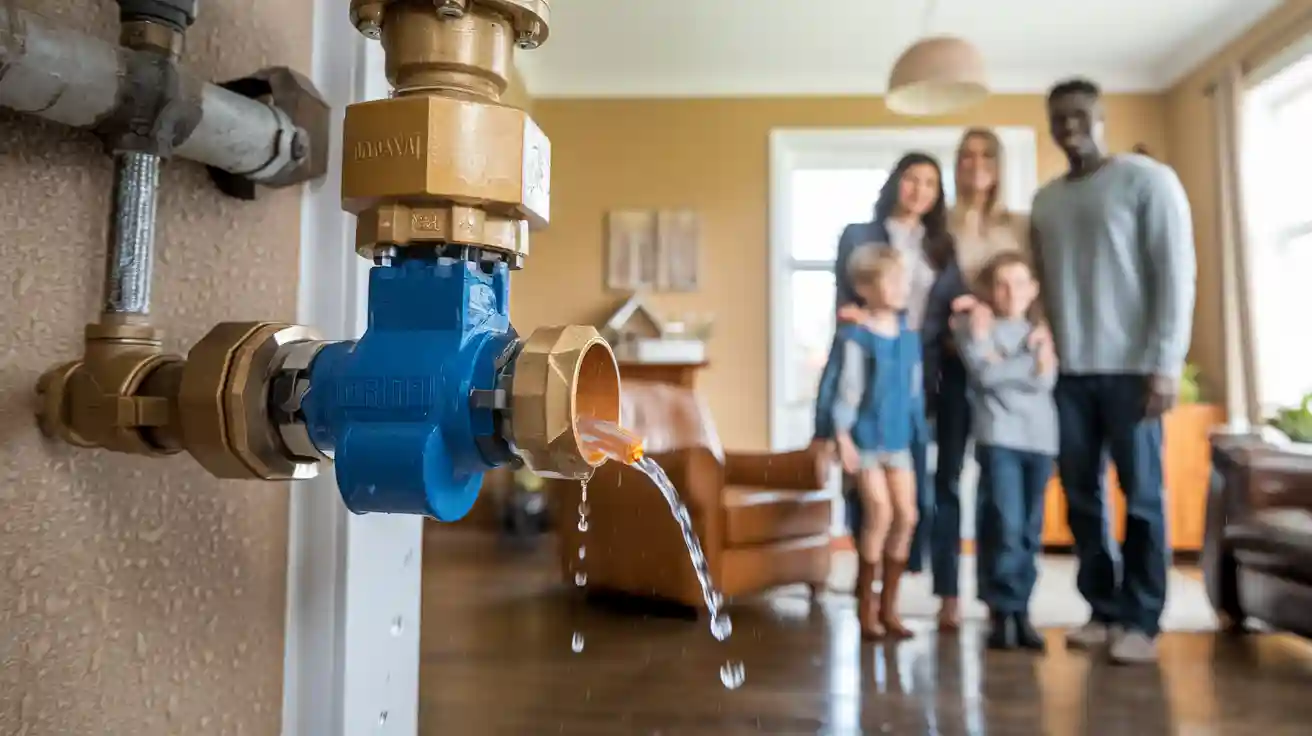
Water damage affects many homes every year, and even a small leak can cause major problems. According to recent data, about 1.67% of insured homeowners file a claim for water damage each year, showing how common these incidents are. A water leak valve shut off system offers automatic protection by sensing a leak and triggering a shutoff valve. Automatic water shut off devices help stop leaks fast, saving your home from costly repairs. Insurance industry reports show that water damage claims cost an average of $13,954, making automatic shutoff a smart choice for any homeowner.
Understanding Water Leak Valve Shut Off Systems
What Is a Water Leak Valve Shut Off?
You can protect your home from water damage with a water leak valve shut off system. This system uses several main components that work together to stop leaks quickly.
Tip: Installing a water leak valve shut off system helps you avoid expensive repairs and keeps your home safe.
Here is how the system works:
- Sensors detect moisture or abnormal water flow in your pipes.
- The control unit receives signals from the sensors and checks for a leak.
- If the control unit confirms a leak, it activates the shut-off valve.
- The shut-off valve stops the water flow to prevent damage.
- Some systems alert you with alarms or smartphone notifications.
These parts—sensors, control unit, and shut-off valve—work as a team to give you fast detection and protection. You can find different types of valves in your home. The table below shows the most common manual shutoff valves:
| Valve Type | Typical Location/Use | Description/Function |
|---|---|---|
| Ball Valve | Main water pipes | Large metal valve with lever handle; rotates a ball with a hole 90° to open/close water flow quickly. |
| Gate Valve | Main water pipes, near boilers | Uses a metal gate raised/lowered by turning a handle to control flow; common in industrial and some residential settings. |
| Globe Valve | Garden hoses, water spigots | Durable metal valve allowing gradual flow control rather than just on/off. |
| Angled Fixture Shutoff Valve | Near sinks, toilets, fixtures | Used where pipe comes out of wall and angles upward; common in homes. |
| Straight Fixture Shutoff Valve | Near floor-mounted pipes | Similar to angled but used where pipe comes from floor; inexpensive and metal. |
| Stop-and-Waste Valve | Sprinkler systems underground | Metal valve with two openings: one to stop flow, one to drain water to prevent freezing. |
| Needle Valve | Fridge or water filter supply lines (less common) | Often replaced due to unreliability; used to connect water supply tubes. |
How Water Leak Detection Systems Work
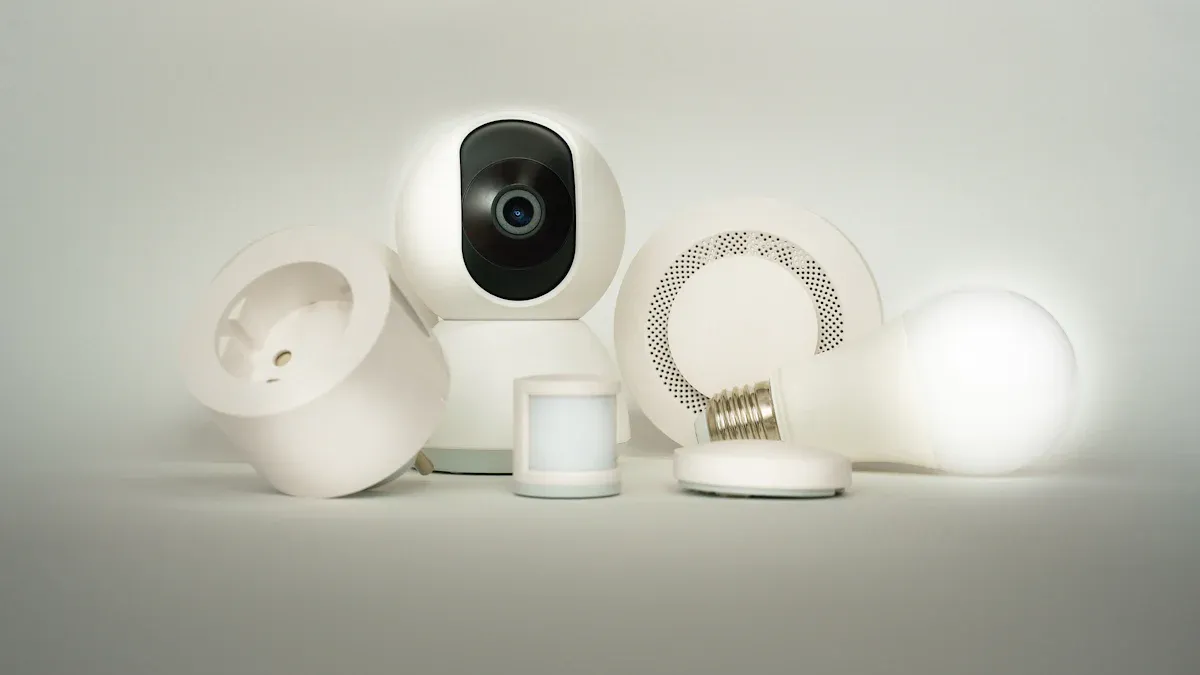
Water leak detection systems use smart technology to keep your home safe. You get protection from leaks by using sensors and flow meters. Some systems use ultrasonic flow meters that clamp onto pipes. These meters watch water flow and use AI to spot patterns that show a leak. You do not need to place sensors everywhere because these meters check the whole plumbing system from one spot.
Mechanical systems count gallons passing through pipes. If water flows for too long, the system knows there is a leak. Ultrasonic systems use sound waves to measure water flow and find problems. Some systems also sense moisture and shut off the water right away. You can install these systems at the main water entry point. When the system finds abnormal water usage, it shuts off the water and sends you an alert. You get real-time notifications on your phone, so you always know what is happening.
Detection and Automatic Water Shut Off Process
Types of Water Leak Detectors
You have many options when choosing a water leak detector for your home. Each type uses a different detection method and offers unique benefits. The table below compares the main types of detectors, their features, and how well they work in different situations:
| Type of Water Leak Detector | Detection Method & Features | Accuracy & Use Case |
|---|---|---|
| Smart Water Leak Detectors | Connect to WiFi, send real-time alerts to smartphones; can be used alone or in systems; easy DIY installation | Precise detection sensitivity suitable for home use; good for remote monitoring |
| Active Water Leak Detectors | Detect leaks and automatically shut off water supply; often professionally installed | High reliability for persistent leaks; prevents extensive damage; higher cost |
| Passive Water Leak Detectors | Audible alarm triggered by water contact; no power source needed; simple installation | Basic detection; less sensitive; no remote alerts; cost-effective for small or low-risk areas |
You can also find detectors that use special technology to find leaks:
- Acoustic leak detectors listen for sound or vibration from pressurized leaks. You can use them to find the exact spot of a leak.
- Ultrasonic leak detectors use high-frequency sound waves. These work well even in noisy places and give fast, accurate results.
- Helium leak detectors use helium gas to find very small leaks. These are very sensitive and precise.
- Spot leak detectors check for water at specific points. Some models connect to smart systems and send alerts.
When you choose a detector, think about where you want to place it and how much accuracy you need. Smart detectors give you alerts on your phone, so you can act quickly. Passive detectors work well in small spaces, like under sinks, where you can hear the alarm right away.
You also need to decide between wired and wireless systems. Wired systems give you stable, reliable detection with no signal loss. You may need a professional to install them, and they cost more at first. Wireless systems are easy to install and move. You can put sensors almost anywhere, but you must check batteries and watch for signal problems.
Tip: Place detectors near water heaters, washing machines, and under sinks. These spots have a higher risk of leaks.
How Detection Triggers Automatic Water Shut Off
When a water leak detector senses a problem, the system acts fast to protect your home. The detection process starts when a sensor finds moisture or abnormal water flow. The control unit checks the signal and decides if there is a real leak. If the system confirms a leak, it sends a command to the automatic shutoff valve.
The automatic shut off process works like this:
- The sensor detects water or a sudden change in flow.
- The control unit receives the detection signal.
- The system triggers the shutoff valve.
- The valve closes, stopping the water supply.
- You get an alert on your phone or hear an alarm.
Automatic water shut off systems can close the valve within a minute after a pipe bursts. This quick action can lower damage costs from thousands of dollars to just a few hundred. Insurance companies see the value in these systems. Many offer discounts or even require you to install automatic shutoff valves for coverage. Some insurers report that these devices can reduce the number of water damage claims by up to 96% and lower the severity of claims by 72%.
You get more than just protection from leaks. Automatic shut off systems also help prevent mold growth and save your belongings from water damage. Some systems connect with smart home devices, giving you whole-home protection. When a leak happens anywhere in your plumbing, the system shuts off the water and sends you a real-time alert.
Note: Automatic water shut off systems work best when you combine them with smart sensors. You get fast detection and instant shutoff, which keeps your home safe from costly disasters.
Key Benefits of Water Leak Detection Systems

Preventing Costly Water Damage
You face many risks from water leaks in your home. Even a small leak can lead to major problems. Water damage often starts with faulty appliances, aging pipes, or clogged drains. You might not notice a leak until it causes thousands of dollars in repairs. Hidden plumbing leaks can cause over $5,000 in property damage before you see any signs. Water leak detection systems help you prevent costly water damage by catching leaks early. These systems use sensors to monitor high-risk areas like under sinks, near washing machines, and around water heaters. When a leak starts, you get an alert right away. You can act fast to stop the water and avoid expensive repairs.
Data from Parks Associates shows that advanced devices like Moen's Flo Smart Water Monitor and Shutoff can reduce the frequency of water damage claims by up to 96%. Scott Insurance reports that installing water leak detection and automatic shut-off systems can prevent at least 40% of water damage claims. These numbers prove that you can protect your home and prevent water damage before it gets out of control. Early detection means you avoid mold growth, structural decay, and health hazards. You keep your home safe and dry.
Tip: Place sensors in areas with the highest risk of leaks. You increase your protection and improve water damage prevention.
Saving on Repairs and Insurance
Water damage repairs cost a lot. You might pay between $11,000 and $12,514 for each water damage event in your home. If you catch leaks early, you save thousands of dollars. Water leak detection systems alert you before a small leak becomes a big problem. You avoid major repairs and keep your home water damage-free.
Insurance companies reward you for using automatic water shut off and leak detection devices. Amica Insurance offers premium discounts for homes with smart water leak detection systems. You can save $400-$500 by installing whole-home automatic water shut off valves. Many major insurers, including Nationwide, State Farm, Farmers Insurance, and Liberty Mutual, offer similar discounts. You must install an approved device, notify your insurer, and provide proof of installation. These discounts help you save money and encourage water damage prevention.
Here is a table showing how water leak detection systems help you save:
| Benefit | How You Save Money |
|---|---|
| Early Leak Detection | Avoid costly repairs and restoration |
| Insurance Premium Discounts | Lower yearly insurance costs |
| Reduced Water Damage Claims | Fewer claims mean less risk and lower costs |
| Protection of Appliances | Prevent damage to expensive equipment |
You get financial savings and peace of mind. You know your home is protected from water damage and high repair bills.
Enhancing Home Safety and Security
Water leak detection systems do more than prevent water damage. You improve your home's safety and security with these devices. Automatic shutoff valves stop the water supply as soon as a leak is detected. You protect your home from further damage and keep your family safe.
You can install multiple sensors to cover vulnerable areas like attics, crawl spaces, and laundry rooms. You receive remote alerts and control your system from anywhere using your smartphone. If you travel or leave your home unoccupied, you still get complete home and business water protection. These systems help you prevent water damage and reduce risks for neighbors in multi-family buildings.
Water leak detection systems also integrate with other smart home devices. You can connect them to dehumidifiers and environmental sensors. This helps you avoid mold growth and structural decay. You get early warnings for minor leaks and freeze protection features. Continuous monitoring gives you 24/7 peace of mind.
Note: Early detection and automatic water shut off keep your home safe from water damage and health hazards. You protect your property and your loved ones.
Peace of Mind for Homeowners
You want to feel safe in your home. Water leak detection systems help you relax and worry less about unexpected problems. When you install these systems, you know you have strong protection against water damage. You do not have to check pipes or appliances every day. The system does the work for you.
Many homeowners say they sleep better at night because they trust their leak detection system. You get alerts right away if the system finds a leak. Some systems even shut off the water supply automatically. This fast action stops water damage before it spreads. You can leave your home for work or vacation and still feel confident that your property is safe.
Surveys and industry reports show how much peace of mind these systems bring:
- 42% of homeowners feel less anxious when they use smart home technology, including water leak sensors.
- Many people report better sleep knowing their home is protected by these sensors.
- Smart water sensors send immediate alerts, so you can act quickly to prevent water damage.
- Automatic shutoff features add another layer of security for your home.
- Insurance discounts linked to these systems help reduce stress and boost confidence.
Industry leaders and experts also highlight the benefits:
- Leak detection systems protect homes from costly water damage, giving you peace of mind.
- Insurance companies offer rebates and discounts for homes with these systems, which makes you feel more secure.
- More people want leak detection because they work from home or own a second property. These systems help reduce worry about water damage in both places.
- Experts say plumbing failures can happen to anyone, so leak detection products are essential for every property owner.
- Leak detection solutions benefit everyone—insurers, homeowners, and the environment. Peace of mind stands out as a key reason people choose these systems.
You can trust your water leak detection system to watch over your home. You avoid the stress of surprise leaks and expensive repairs. You protect your family, your belongings, and your peace of mind. When you know your home is safe from water damage, you can focus on what matters most.
Essential Features in a Water Leak Valve Shut Off System
Detection Accuracy and Sensitivity
You need a water leak detection system that finds even the smallest leaks. Modern sensors can spot leaks as tiny as a single drop per minute. This high sensitivity helps you catch problems before they cause damage. Many systems use learning algorithms to tell the difference between normal water use and real leaks. This reduces false alerts and keeps your home safe. The table below shows how some popular sensors perform:
| Sensor | Smallest Detectable Leak Rate | Notes on Detection Capability and Features |
|---|---|---|
| Flo by Moen | As small as 1 drop per minute | Uses combined water pressure and flow sensors; includes shutoff valve; learns household water usage to reduce false alerts. |
| Streamlabs | Approximately 1/4 gallon per minute | Uses ultrasonic flow measurement; includes learning algorithm (SmartAlerts) to distinguish leaks from normal use; easier installation. |
| Flume | 900 to 6300 drops per minute | Battery operated; no pipe cutting required. |
| FLUID | 22,730 drops per minute | Includes temperature sensor; no pipe cutting required. |
| FL-1000 | As small as 1 drop per minute | Includes temperature and dry pipe alarm sensors. |
With premium flow-based leak detection, you get fast and accurate results. This level of accuracy is important for an insurance-compliant water leak detection system.
Smart Connectivity and Integration
Smart connectivity gives you control and peace of mind. You can use your smartphone to monitor your whole house shutoff systems. Many systems send real-time alerts if they detect a leak. Some even let you shut off the water from anywhere. Features like remote control, automatic shutoff, and AI-powered learning make your system smarter. You can connect your auto water shutoff smart valve to smart home hubs like Amazon Alexa or Google Home. This makes it easy to manage your water supply and receive alerts. Some systems offer professional 24/7 monitoring for extra security. You get smartphone controlled whole home leak protection, so you always know your home is safe.
- Remote control and monitoring from your phone
- Automatic shutoff when a leak is detected
- Real-time alerts by app, text, or email
- Easy integration with smart home devices
Tip: Choose a system that works with your existing smart home setup for the best experience.
Reliability and Durability
You want a shutoff valve that works every time. The best systems use strong materials and quick-connect fittings for easy installation. A reliable valve will shut off the water supply right away when it detects moisture. Most valves last 20 to 25 years with regular care. You should check your valve every year or two to keep it working well. Signs that you need a new valve include leaks, rust, or trouble turning the handle. A durable system protects your home from costly water damage for many years.
- Fast-acting shutoff for immediate protection
- Long lifespan, often 20 years or more
- Universal sizing for easy replacement
- Multiple leak detection pads for extra coverage
Note: Regular maintenance helps your shutoff system last longer and keeps your home safe.
Easy Installation and Use
You do not need to be a plumber to install most water leak valve shut off systems. Many brands design their products for easy setup. You can often complete the installation in less than an hour. Most kits include everything you need, such as sensors, a shutoff valve, and clear instructions.
Here’s what you can expect during installation:
- Read the Instructions: Start by reading the manual. Manufacturers write guides in simple language and include pictures.
- Turn Off the Water Supply: Always shut off your main water line before you begin.
- Attach the Shutoff Valve: Most systems use quick-connect fittings. You can snap the valve onto your existing pipe without special tools.
- Place the Sensors: Put sensors near appliances like washing machines, water heaters, or under sinks.
- Connect to WiFi: Use your smartphone to link the system to your home network. Many apps walk you through each step.
- Test the System: Run a test to make sure the valve closes and the alerts work.
Tip: Many systems offer video tutorials. You can watch these on your phone or computer for extra help.
You will find that using the system is just as simple. Most devices have a user-friendly app. You can check your water status, receive alerts, and even shut off the water with a tap on your phone. Some systems send you reminders to check batteries or test sensors.
| Feature | Benefit |
|---|---|
| Quick-connect fittings | No need for special tools |
| Wireless sensors | Easy to move and place |
| App control | Manage from anywhere |
| Step-by-step guides | Simple for beginners |
You gain confidence knowing you can install and use your water leak valve shut off system without stress. This makes protecting your home easy and accessible for everyone.
Maintenance and Troubleshooting for Water Leak Detection Systems
Regular System Checks
You need to keep your water leak detection system in top shape to protect your home from water damage. Regular checks help you catch problems early and make sure your system works when you need it most. Follow these steps for the best results:
- Place detectors in high-risk spots like under sinks, near water heaters, and by HVAC systems.
- Test each sensor every three months to check if it responds to leaks.
- Clean sensors gently to remove dust or buildup that could block detection.
- Calibrate sensors if you notice false alarms or missed leaks.
- Replace batteries on a set schedule, such as every quarter or after heavy water use.
- Run monthly system tests using built-in self-test features or manual checks.
- Update your system’s firmware to get the latest features and fixes.
- Keep a log of all maintenance and testing activities.
Tip: Training everyone in your home on basic troubleshooting and safety helps you respond quickly to water damage risks.
Addressing Common Issues
You may face some common issues with water leak detection systems. The most frequent problem is finding hidden leaks in places like walls, basements, or under appliances. These leaks can cause serious water damage if left untreated. You might also see false alarms or missed detections if sensors get dirty or batteries run low.
To solve these problems, use advanced tools like thermal imaging or acoustic leak detectors. These tools help you find leaks without tearing into walls. If you get repeated false alerts, clean and recalibrate your sensors. Always check your system’s app to make sure you receive shutoff alerts and notifications.
| Problem | Solution |
|---|---|
| Hidden leaks | Use thermal or acoustic detectors |
| False alarms | Clean and recalibrate sensors |
| Missed detections | Replace batteries and test sensors |
| No alerts | Check app settings and update firmware |
Note: Quick action prevents water damage and keeps your home safe.
When to Call a Professional
Sometimes, you need expert help to stop water damage. Call a professional if you have leaks that keep coming back or are hard to find. Experts use special tools like infrared cameras and moisture meters to locate leaks. You should also call for help if you see major leaks or flooding. Professionals can fix complex plumbing problems and prevent bigger issues.
Regular professional inspections help you spot wear and tear before it leads to water damage. Keep a record of all repairs and inspections. This helps you manage your system and avoid future problems. The cost for professional maintenance or repair usually ranges from $75 to $500. The price depends on the type of leak, your location, and how complex your plumbing is.
Call a professional if you feel unsure or if your system does not send alerts when it should.
You gain strong protection for your home when you install a water leak valve shut off system. Early detection and automatic water shut off help you avoid water damage, which can save you thousands of dollars. These systems reduce repair costs, prevent mold, and may lower your insurance premiums. You also protect your property value and enjoy peace of mind, knowing you have reliable defense against water damage. As smart home technology grows, more homes will use these systems for better safety and savings.
- Reduce water damage and repair costs
- Prevent mold and property loss
- Enjoy peace of mind with remote monitoring
FAQ
How often should you test your water leak detection system?
You should test your system every three months. Regular testing helps you find problems early. Most systems have a test button or self-check feature. Always check the sensors and replace batteries as needed.
Can you install an automatic water shut off valve yourself?
Many systems offer easy installation. You can follow step-by-step guides or video tutorials. Some systems use quick-connect fittings. If you feel unsure, you can call a plumber for help.
Will a water leak detection system work during a power outage?
Some systems use battery backup. These systems keep working if the power goes out. Always check if your system has this feature. You can add extra batteries for more protection.
Where should you place water leak sensors in your home?
Place sensors near water heaters, washing machines, under sinks, and behind toilets. These spots have the highest risk for leaks. You can add more sensors for extra coverage.
Do insurance companies offer discounts for having a water leak shut off system?
Many insurance companies give discounts if you install an approved system. You can save money on your premiums. Always check with your insurer and provide proof of installation.


