
Neptune Systems Alternative zum optischen Pegelsensor
Die optischen Pegelsensorsuchen von Neptune Systems stammen meist von Riffwärtern, Apex-Nutzer, Aquarieninstallateure, und Serviceteams, die einen zuverlässigen optischen ATO-Sensor für den Sumpf wollen., Stausee, Skimmerbecher, oder Alarmsteuerung. Neptune ist stark, weil seine Sensoren natürlich in das Apex-Ökosystem integriert sind, insbesondere bei Verwendung mit kompatiblen Controller-Modulen und Fusion-Programmierung.
HojellyTek bietet eine kompatible Option für optische ATO-Sensoren für Käufer, die einen kostengünstigeren Ersatz benötigen, Austauschsensor, oder OEM-Lieferquelle. Es ist kompatibel für geeignete Steuerungsprojekte, aber offiziell ist es nicht anerkannt, Zertifizierung, oder von Neptune Systems genehmigt.
Kompatible optische ATO-Sensorfunktionen
Unser optischer Pegelsensor ist für die Punktpegeldetektion im Wasser konzipiert, Salzwasser, Leichte Flüssigkeiten, Behälter, Dosierbehälter, und kompakte Panzerbaugruppen. Für Riff-Aquarienanwendungen, Der Hauptzweck besteht darin, festzustellen, ob die Sensorspitze trocken oder benetzt ist, dann senden Sie diesen Zustand an einen Controller, Relaistafel, Pumpenkreis, oder Automatisierungsmodul.
Typische Fähigkeiten umfassen:
- Optische Trocken-/Nass-Punktpegel-Detektion
- Infrarot-photoelektrische Erkennung durch eine Prismaspitze
- Kompakte Karosserieoptionen für kleine Sumpf- und Reservoirräume
- Sensorversionen für ATO, Niedrig-Pegel-Alarm, Hochstufe-Alarm, und Überlaufverhinderung
- Ausgangsoptionen bestätigt gemäß dem Controller-Design
- OEM/ODM-Kabel, Steckverbinder, Karosserie, und Anpassung der Montage
- Werkslieferung für Installateure, Aquarienmarken, und Ausrüstungsintegratoren
Für Käufer, die Optionen außerhalb des Apex-Ökosystems vergleichen, unsere Optischer Pegelsensor Reichweite kann für die Wasserstandserkennung im Aquarium angepasst werden, kleine Panzer, Flüssigbehälter, und Integration auf Geräteebene.
Stärke der Neptune-Systeme: Bequemlichkeit des Apex-Ökosystems
Neptune Systems ist im Riff-Hobby gut bekannt, weil Apex nicht nur ein Sensorprodukt ist; Es ist ein vollständiges Controller-Ökosystem. Viele Riffhalter nutzen Apex bereits für Pumpen, Erhitzer, Dosierung, Alarme, Leckage-Erkennung, Ph, ORP, Salzgehalt, und Fernüberwachung. In diesem Umfeld, Neptune-Optische Sensoren sind attraktiv, weil sie in den bestehenden Arbeitsablauf passen.
Wo Neptun gewinnt, ist klar:
- Native Apex-Ökosystemanpassung
- Vertrautes Setup für bestehende Apex-Nutzer
- Etablierte Controller-Logik durch Apex Fusion
- Einfache Anwendung mit Neptune-Zubehör und -Halterungen
- Starke Nutzervertrautheit in Riffgemeinschaften
- Ein Single-Brand-Support-Pfad für Apex-Besitzer
Das ist wichtig. Wenn ein Hobbyist den einfachsten offiziellen Weg innerhalb des Neptun-Ökosystems will., das originale Neptune-Zubehör ist meist die sauberere Wahl. Ein kompatibler Sensor eignet sich besser, wenn der Käufer die erforderliche Controller-Eingabe versteht, Möchte eine Ersatzoption, Bedarf an fabrikdirekter Beschaffung, oder baut ein OEM-Aquariumprodukt, das eine ähnliche optische Sensorlogik verwendet.
HojellyTek als kostengünstigere, kompatible Ersatz- oder OEM-Option
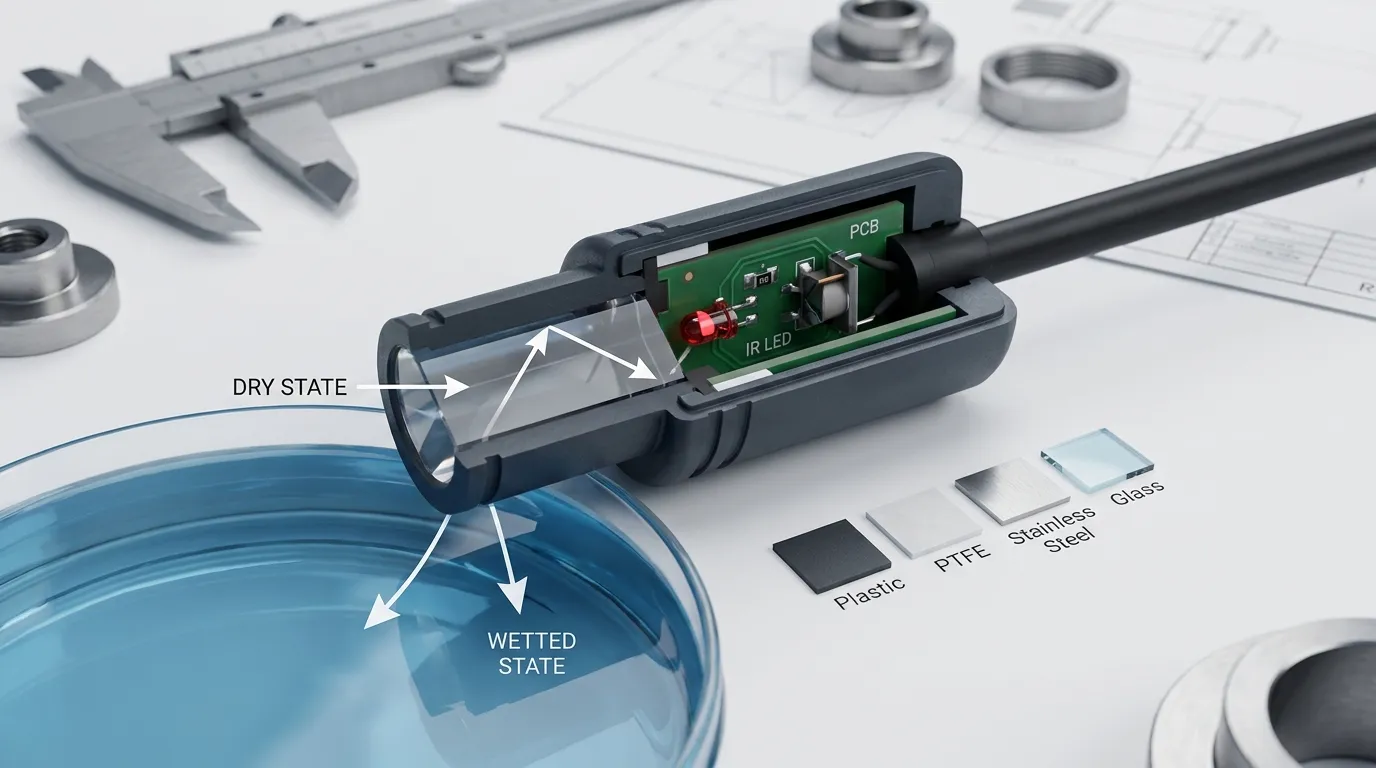
Ein kompatibler optischer ATO-Sensor wird nützlich, wenn das Projekt größer ist als ein Hobbyist, der ein Zubehör kauft. Aquarieninstallateure, Lokale Riffgeschäfte, Wartungsfirmen, Controller-Builder, und Aquariengerätemarken benötigen möglicherweise mehrere Sensoren, Individuelle Kabellängen, Verschiedene Montagestile, oder eine direkte Versorgungsroute für die Fabrik.
HojellyTek ist ein Hersteller und Exporteur aus Shenzhen, der sich auf photoelektrische optische Flüssigkeitspegelmessung spezialisiert hat. Anstatt nur ein Einzelhandelszubehörformat zu verkaufen, Wir unterstützen OEM/ODM-Anfragen für Sensorgehäuse, Kabel, Steckverbinder, Ausgabe, Faden, und Montagestruktur. Das macht das Produkt geeignet für Käufer, die eine kompatible Alternative zur Controller-Integration wünschen, kein offiziell unterstützter Neptun-Teil.
Für Aquarienanwendungen, Die Sensorspitze verwendet ein optisches Prismaprinzip. Im Inneren des Sensors, eine IR-LED sendet Licht in Richtung der Prismaspitze. Ein Fototransistor oder -empfänger erkennt das reflektierte Licht. Wenn die Spitze trocken ist, Licht reflektiert sich innerlich in einem Muster. Wenn Wasser das Prisma bedeckt, der brechungsbedingte Zustand ändert sich, und der Empfänger erkennt ein anderes Signal. Die Steuerschaltung schaltet dann den Ausgangszustand um.
Dieses Design hat praktische Vorteile im Einsatz von Riff-ATO:
- Kein Schwimmarm, der sich durch Salzkriibs blockieren kann
- Kompakte Messspitze für enge Sumpfkammern
- Schnelle Trocken-/Nassreaktion
- Gute Passform für sauberes Wasser, RO/DI-Stauseen, und ATO-Container
- Leichtere Integration in kleine Kunststoffhalter oder Halterungen
- Nützlich für redundante hoch-/niedrige Logik
Jedoch, Optische Sensoren müssen weiterhin korrekt installiert werden. Salzfilm, Algen, Luftblasen, Kalziumablagerung, Kratzer, Kabeldehnung, oder ein ständiges Untertauchen über das beabsichtigte Design hinaus kann die Leistung beeinträchtigen. Für kritische ATO-Systeme, Ein Sensor sollte nicht die einzige Schutzschicht sein.
Apex- und Controller-Kompatibilität: Was überprüft werden muss
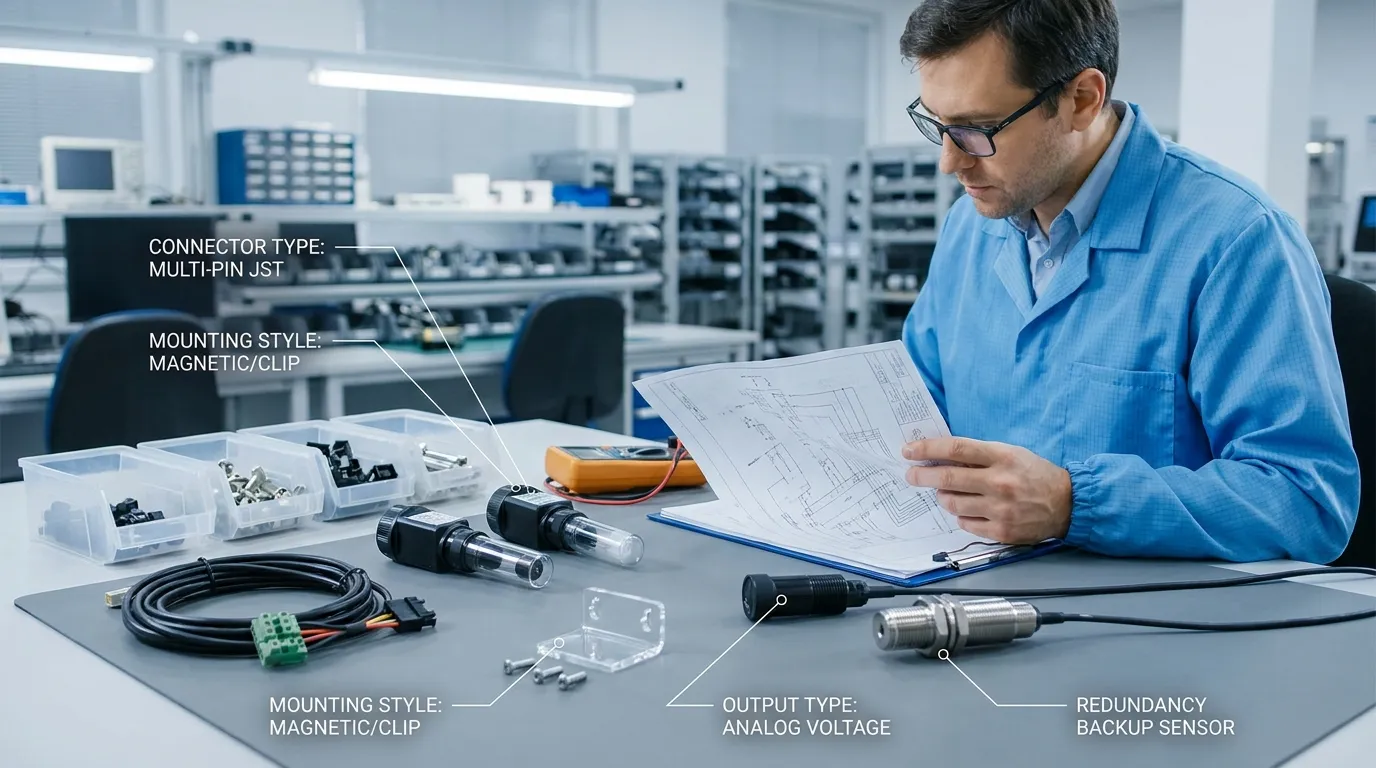
Der wichtigste Punkt ist einfach: Kompatibel bedeutet nicht offiziell unterstützt. Bevor Sie einen Nicht-Neptune-Optiksensor mit einem Apex-bezogenen Setup oder einem anderen Aquarium-Controller verwenden, Die elektrischen und mechanischen Details müssen bestätigt werden.
Käufer sollten das überprüfen:
- Controller-Eingangstyp
- Erforderliches Sensor-Ausgangsverhalten
- Nass- und Trockenzustandslogik
- Versorgungsspannung, die vom Sensor benötigt wird
- Steckertyp und Pinbelegung
- Kabellänge und Abdichtungsanforderungen
- Ob der Sensor direkt oder über einen Adapter/Schnittstelle abgelesen wird
- Ob der Controller ein bestimmtes Zubehörformat erwartet
- Montageposition, Wasserturbulenz, und Reinigungszugang
HojellyTek kann die Kompatibilität auf Spezifikationsebene diskutieren, aber der Käufer muss die Anforderungen auf der Controllerseite bestätigen. Für Apex-Nutzer, Das bedeutet in der Regel, zu überprüfen, wie das Controller-Modul optische Eingänge ausliest und ob die geplante Verkabelung vorhanden ist, Steckverbinder, und der Signalzustand sind geeignet. Wir beanspruchen keine offizielle Apex-Zertifizierung.
Für Käufer, die Aquariencontroller entwickeln, intelligente ATO-Systeme, oder verbundene Überwachungsprodukte, unser Team kann die Auswahl von Ausgaben wie NPN unterstützen, PNP, Schaltausgang, oder analoge Konfiguration, wo angebracht,. Einige Projekte benötigen ein einfaches Nass-/Trockenschaltsignal, während andere einen Sensor auf Platinenniveau benötigen, um in eine maßgeschneiderte Schaltung integriert zu werden.
Montage und Redundanz für Riffbecken
Die Montage ist genauso wichtig wie die elektrische Kompatibilität. In Riffsystemen, Derselbe optische Sensor kann sich je nach Platzierung unterschiedlich verhalten.
Zur ATO-Kontrolle, Installieren Sie den Sensor in einer stabilen Wasserspiegelkammer, In der Regel der Rücklaufpumpenabschnitt des Sumpfs. Vermeiden Sie Orte mit starken Blasen, Platschen, Hohe Turbulenzen, oder direkter Salzkriechen. Für einen Hochstufenalarm, Platzieren Sie den Sensor über dem normalen Betriebsniveau, aber unterhalb des Überlaufrisikopunkts. Für einen Reservoir-Niedrigpegel-Alarm, Stellen Sie sie dort fest, wo die Pumpe stoppen sollte, bevor sie trocken läuft.
Gängige Befestigungsoptionen sind:
- Gewindegewinde durch eine Tankwand oder Halterung
- Mutterfeste Montage an einem Kunststoffhalter
- Individuelle Halterung für Sumpfglas- oder Acrylwände
- Kompakter Sondenhalter für ATO-Reservoirs
- OEM-Halterung im Gehäuse eines Aquariengeräts
- Flansch- oder Metallkörperbefestigung für nicht-hobbybezogene Anwendungen
Benetztes Material sollte zur Flüssigkeit und zur Installationsumgebung passen. Für Aquarien- und ATO-Nutzung, Kunststoffoptikkörper sind häufig, während anspruchsvollere Anwendungen Netzteile verwenden können, PTFE, 316 Edelstahl, oder glasgefertigte Konstruktionen, abhängig von der chemischen Exposition, Reinigungsmethode, und mechanische Anforderungen. Für Salzwasserinstallationen, Der Käufer sollte die Korrosionsbeständigkeit überprüfen, Kabelabdichtung, und langfristige Expositionsbedingungen.
Redundanz wird dringend empfohlen. Ein sichereres ATO-Layout kann umfassen:
- Primärer optischer Sensor für die Normalfüllungsregelung
- Sekundärer hochstufiger optischer Sensor für Alarm oder Pumpenabschaltung
- Schwimmerschalter als unabhängiger Backup
- Zeitbegrenzung im Controller-Programm
- Maximales tägliches ATO-Volumenlimit
- Regelmäßiger Reinigungs- und Inspektionsplan
Hier kann ein kostengünstigerer, kompatibler Sensor wertvoll sein. Installateure können Ersatzeinheiten behalten, Dual-Sensor-Halterungen bauen, oder mehrere Sensoren für hohe oder niedrige Logik verwenden, ohne auf einen einzigen Detektionspunkt angewiesen zu sein.
Für aquariumspezifische Designs, Siehe unsere Optischer Aquariumsensor Seite mit weiteren Anwendungshinweisen.
5-Schrittenlieferprozess
1. Untersuchung
Senden Sie Ihren benötigten Anwendungsfall, Controllertyp, Flüssigkeit, Montageposition, Kabellänge, und erwartete Leistung. Fotos oder Zeichnungen des Sumpfs, Stausee, Turnier, Oder der Controller-Port hilft uns, die Installation zu verstehen.
2. Spezifikation und Anpassung
Unser Ingenieurteam überprüft den Sensorkörper, Benetztes Material, Ausgabetyp, Steckverbinder, Faden, und Montageanfrage. Für Apex-bezogene Projekte, Wir können kompatible Sensorspezifikationen besprechen, aber wir beanspruchen keine Unterstützung von Neptune.
3. Beispielbestätigung
Proben können für Labortests arrangiert werden, Eingabeprüfung des Controllers, Bestätigung der Nass-/Trockenlogik, und Halterbefestigung. Der Käufer sollte den Sensor vor der Produktion mit dem echten Controller und der Flüssigkeitsumgebung testen.
4. Produktion und Qualitätskontrolle
Nach der Probengenehmigung, Die Produktion folgt der bestätigten Zeichnung und Spezifikation. Die Qualitätskontrolle kann auch eine Erscheinungsinspektion umfassen, Kabelverbindungsprüfung, Schaltantwortprüfung, sowie wasserdichtungsbezogene Inspektion gemäß dem vereinbarten Entwurf.
5. Schifffahrt
Wir exportieren in die USA, WIR, Indien, und andere Märkte. Verpackung, Kennzeichnung, und OEM-Anforderungen können bereits in der Bestellphase besprochen werden.
Voraussetzungen zum Bestätigen vor der Bestellung
Bevor Sie ein Angebot anfordern, Bereite Folgendes vor:
- Zielregler oder Steuerplatine
- Ob der Sensor für ATO ist, Hoher Alarm, Niedriger Alarm, Skimmerbecher, oder Behälter
- Erforderlicher Ausgangstyp: NPN, PNP, Schaltsignal, oder ein anderes controller-spezifisches Format
- Nass- und Trockenzustandslogik
- Versorgungsspannung soll in der RFQ-Stufe angepasst werden
- Kabellänge und Steckverbinderanfrage
- Montagestil: Gefädelte, Mutterfixierung, Turnier, Flansch, oder Zollinhaber
- Präferenz für benetztes Material: Netzteil, PTFE, 316 Edelstahl, Glas, oder anderes Material
- Salzwasser, RO/DI-Wasser, Süßwasser, Öl, oder chemische Flüssigkeit
- Erwartete Reinigungsmethode und Zugangsraum
- Menge, Branding, sowie OEM/ODM-Anforderungen
Für Käufer, die die Werkskapazitäten vergleichen, unsere Hersteller optischer Sensoren Die Seite erklärt mehr über die Produktion maßgeschneiderter optischer Pegelmessung.
Kompatibilitätstabelle: Neptune Original vs HojellyTek-kompatible Option
| Vergleichspunkt | Neptune Systems optischer Pegelsensor | HojellyTek-kompatibler optischer ATO-Sensor |
|---|---|---|
| Beste Passform | Bestehende Apex-Nutzer, die den offiziellen Zubehörpfad wünschen | Installateure, OEM-Käufer, und Riffnutzer, die eine kompatible Ersatz- oder benutzerdefinierte Option benötigen |
| Apex-Ökosystem | Starker Vorteil des einheimischen Ökosystems | Kompatibel, wenn elektrische und Steckverbinderanforderungen abgestimmt sind |
| Endorsement-Status | Offizielles Neptun-Zubehör | Nicht befürwortet, Zertifizierung, oder von Neptune Systems genehmigt |
| Controller-Aufbau | Vertraut für Apex/Fusion-Nutzer | Controller-Eingabe muss bestätigt werden, Ausgangslogik, und Verkabelung |
| Kostenposition | Zubehör für das Einzelhandelsökosystem | Fabrikdirekte Alternative für geeignete Projekte |
| Anpassung | Beschränkt auf verfügbare Zubehörformate | Kabel, Steckverbinder, Karosserie, Reittiere, Ausgabe, und OEM-Optionen können diskutiert werden |
| Montage | Praktisch für den normalen Riffeinsatz | Flexible Montageoptionen für die Sumpfgrube, Stausee, Skimmerbecher, oder OEM-Gerätedesign |
| Redundanz | Funktioniert gut in der Apex-Alarm-/Steuerungslogik | Nützlich für Ersatzmaterial, Doppelsensor-Layouts, und Backup-Level-Punkte |
| Wo es gewinnt | Einfachheit, Dokumentation, Unterstützung durch eine einzelne Marke | Preisflexibilität, Anpassung, OEM/ODM-Versorgung, Beschaffung im Ersatzstil |
| Vorsicht beim Käufer | Höhere Kosten können bei der Nutzung mit mehreren Sensoren eine Rolle spielen | Die Kompatibilität muss vor der Bestellung bestätigt werden |
Warum mit HojellyTek zusammenarbeiten
HojellyTek ist ein in Shenzhen ansässiger Hersteller optischer Flüssigkeitsniveausensoren mit hauseigenem R&D und Exporterfahrung. Wir konzentrieren uns auf photoelektrische Sensorik, Kompakte optische Sonden, Individuelle Sensorgehäuse, Kabelbaugruppen, sowie OEM/ODM-Sensorentwicklung für Gerätehersteller und Integrationskäufer.
Unser Team unterstützt das Aquarium, Wassertank, Gerät, industriell, und intelligente Überwachungsanwendungen. Wo relevant, Wir können auch über die Sensorintegration für Tuya/Smart Life-style vernetzte Produkte sprechen, obwohl die Controller-Kompatibilität immer Projekt für Projekt überprüft werden muss.
Für Käufer, die die eigentliche Produktreferenz benötigen, Besuch Unser optischer Pegelsensor Pagen Sie und teilen Sie Ihre Controller- und Montagedetails, wenn Sie ein Angebot anfordern möchten..
FAQ
Ist eine Neptune Systems Alternative zum optischen Pegelsensor, offiziell Apex-zertifiziert?
NEIN. Unsere kompatible Sensoroption ist nicht offiziell Apex-zertifiziert, Befürwortet, oder von Neptune Systems genehmigt. Er sollte erst nach Bestätigung der Controller-Eingabe als kompatibler optischer Pegelsensor behandelt werden, Steckverbinder, Verdrahtung, Spannung, und Nass-/Trockensignallogik.
Kann ich das als zusätzlichen optischen ATO-Sensor für ein Riffbecken verwenden??
Ja, er kann als Ersatz- oder Ersatz-optischer ATO-Sensor verwendet werden, wenn der elektrische Ausgang, Steckverbinder, Montage, und Steuerungs-Logik geeignet sind. Für kritische ATO-Steuerung, Wir empfehlen die Verwendung von Redundanz wie einem zweiten Sensor, Schwimmerschalter, Alarm, oder Zeitbegrenzungsregel.
Wie erkennt ein optischer ATO-Sensor den Wasserstand??
Der Sensor verwendet eine Infrarot-LED, Empfänger, und Prismaspitze. Wenn die Spitze trocken ist, Licht reflektiert anders als wenn die Spitze von Wasser bedeckt ist. Die interne Schaltung ändert den Ausgangszustand, sodass der Controller trockene oder benetzte Pegelbedingungen erkennen kann.
Was kann einen Ausfall des optischen Pegelsensors in Salzwasser verursachen?
Häufige Probleme sind Salzkriechen, Kalziumablagerungen, Algenfilm, Gefangene Blasen, Kratzer am Prisma, Schlechte Kabeldichtung, Falsche Montage, oder Fehlanpassung an der Steuerungsseite der Verkabelung. Regelmäßige Reinigung und eine Backup-Sicherheitsschicht sind in Riffsystemen wichtig.
Welchen Ausgabetyp sollte ich wählen?
Die Ausgabe hängt von deinem Controller oder Steuerboard ab. NPN, PNP, Schaltausgang, oder analoge Optionen können je nach Design möglich sein. Für Apex-bezogene Nutzung, Bestätigen Sie die Eingabeanforderung vor der Bestellung. Wir können bei der Überprüfung der sensorseitigen Spezifikation helfen.
Wann sollte ich den originalen Neptune-Sensor noch kaufen??
Wähle das originale Neptune-Zubehör, wenn du den einfachsten offiziellen Ökosystemweg willst., Standard-Apex-Dokumentation, und Einmarkenunterstützung. Wählen Sie beim Preis eine kompatible Werksdirekt-Option, Ersatzmaterial, Individuelle Montage, Kabellänge, Steckverbinder, oder ob die OEM-Lieferung wichtiger ist.
Fordern Sie ein Angebot für einen kompatiblen optischen ATO-Sensor an
Benötigt einen kostengünstigeren kompatiblen optischen ATO-Sensor, Ersatzeinheit, oder maßgeschneiderter Sensor für Aquarienausrüstung? Schick dein Controller-Modell, Verdrahtungsanforderungen, Montagefoto, Kabellänge, Flüssigtyp, und Menge.
Kontaktieren Sie HojellyTek per WhatsApp oder per E-Mail, um ein Angebot anzufordern, Beispieldiskussion, oder OEM/ODM-Beratung.


