
Hazardous Waste Disposal Services: A Comprehensive Guide
For any business that generates hazardous waste, its proper management is a paramount responsibility. The complexities of collection, transportation, and disposal involve significant legal and environmental risks. Navigating this landscape requires specialized knowledge and meticulous attention to detail. Partnering with a professional hazardous waste disposal service is not just a matter of convenience; it is a critical business function that ensures safety, protects the environment, and maintains regulatory compliance.
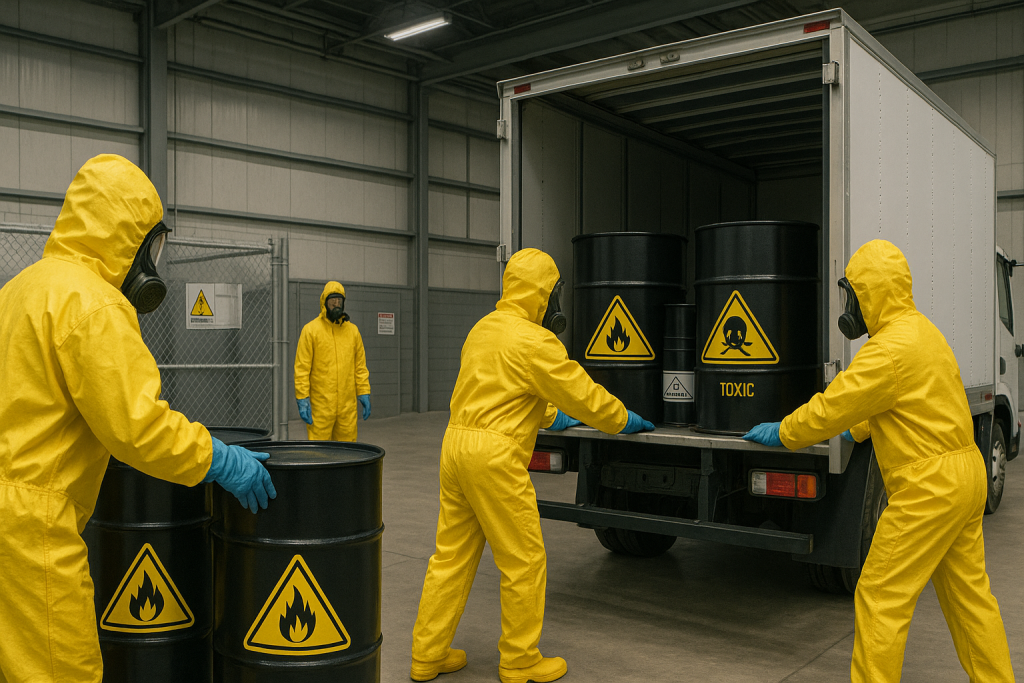
Hazardous waste disposal services are specialized operations that manage the compliant collection, transportation, treatment, and final disposal of regulated waste materials. These services are essential for companies across all sectors. They ensure that dangerous substances are handled safely from their point of generation to their ultimate destruction or stabilization. As a premier provider of comprehensive waste solutions, CESH Home delivers the expertise necessary to manage these critical tasks. This guide details the scope, importance, and selection criteria for professional hazardous waste services.
The Foundation of Compliance: Waste Characterization
Before any waste can be collected or disposed of, it must be properly identified. This mandatory first step is known as waste characterization or waste profiling. It is the foundation upon which all other compliant management activities are built. A disposal service cannot create a safe and effective plan without first knowing the exact nature of the materials they will be handling.
Waste characterization is a technical process. It determines a waste stream's physical and chemical properties. This allows it to be classified according to regulatory standards. The primary goal is to identify if the waste exhibits any hazardous characteristics. These typically include:
- Ignitability: The ability to catch fire easily.
- Corrosivity: The ability to corrode metal.
- Reactivity: The tendency to be unstable or react violently.
- Toxicity: The ability to cause harm when ingested or absorbed.
Professional disposal services assist their clients with this crucial step. They help review Safety Data Sheets (SDS), which provide detailed information about chemical products. In some cases, laboratory analysis of a waste sample may be required. Once the waste is fully characterized, it is assigned specific codes based on its properties and origin. These codes dictate the exact handling, transportation, and disposal methods that must be used.
Core Services Offered by Disposal Companies
Hazardous waste disposal is not a single action but a suite of integrated services. These services are designed to manage different types of waste streams from various generators. A full-service provider offers a complete solution. This ensures all aspects of waste management are covered.
Waste Collection and Transportation
The most visible service is the physical collection and transportation of waste. Professional disposal companies operate fleets of specialized vehicles. These vehicles are designed to safely transport hazardous materials. This service includes:
- Scheduled or On-Call Pickups: Services can be arranged on a regular schedule or on an as-needed basis to suit a facility's generation rate.
- Certified Personnel: Drivers and technicians are highly trained in safe handling procedures, spill response, and regulatory requirements.
- Manifesting and Tracking: Every shipment is accompanied by a manifest document. This document provides a "cradle-to-grave" chain of custody, tracking the waste from the generator to the final disposal facility. This is a critical legal record of proper management.
Lab Pack Services
Many facilities, such as laboratories, research centers, and educational institutions, generate small quantities of many different chemicals. These miscellaneous materials cannot be mixed. Lab pack services are the solution. Trained chemists visit the site to identify, categorize, and segregate these chemicals. They are then carefully packaged into larger drums with absorbent material for safe and compliant transportation. This specialized service is essential for organizations with diverse chemical inventories.
Bulk Waste Disposal
Industries often generate large volumes of a single type of hazardous waste. This can include contaminated wastewater, industrial sludge, or used solvents. Bulk waste services are designed to manage these large quantities efficiently. This may involve using:
- Tanker Trucks: For the removal of thousands of gallons of liquid waste.
- Vacuum Trucks: For removing sludge and semi-solid materials from tanks and pits.
- Roll-Off Boxes: For the collection and transport of contaminated soil, debris, or solid waste.
Universal and E-Waste Recycling
Certain common items are classified as universal waste. While hazardous, they are subject to slightly different regulations to encourage recycling. Disposal services offer dedicated programs for these materials, which include:
- Batteries
- Fluorescent Lamps and Bulbs
- Mercury-Containing Equipment
- Pesticides
Similarly, electronic waste (e-waste) contains hazardous heavy metals like lead and mercury. Professional services ensure these items are responsibly dismantled and recycled. This prevents toxic materials from entering municipal landfills.
Emergency Spill Response
Accidents can happen. A professional waste management partner often provides 24/7 emergency spill response services. In the event of an accidental release, a specialized team is dispatched to the site. They work to contain the spill, protect workers and the environment, and manage the cleanup and disposal of all contaminated materials.
Navigating the Regulatory Landscape
The management of hazardous waste is governed by a complex framework of regulations. These rules are designed to ensure public safety and environmental protection. A key role of a disposal service is to help its clients navigate these rules and maintain full compliance.
Understanding Generator Status
Regulations often vary based on the amount of hazardous waste a facility produces each month. A company's "generator status" determines its specific responsibilities for storage, record-keeping, and reporting. For example, a Large Quantity Generator (LQG) that produces a high volume of waste has more stringent requirements than a Small Quantity Generator (SQG). A disposal service partner helps clients understand their status and the specific rules that apply to their operations.
The "Cradle-to-Grave" Liability Principle
This is the most important concept in hazardous waste management. Legally, the company that creates the waste (the generator) is responsible for it from its creation ("cradle") to its final, verified destruction or disposal ("grave"). This liability does not end when the waste is handed over to a transporter. If the waste is mismanaged or illegally dumped by a subcontractor, the original generator is still held responsible. This underscores the absolute importance of choosing a reputable and fully licensed disposal partner.
Documentation and Record-Keeping
Compliance requires meticulous record-keeping. Disposal services provide and help manage the critical documentation that proves proper waste management. This includes:
- Waste Manifests: The chain-of-custody document for every shipment.
- Land Disposal Restriction (LDR) Forms: Documents certifying that the waste has been properly treated before being landfilled.
- Certificates of Disposal/Recycling: A final document from the disposal facility confirming that the waste was received and managed correctly.
Businesses must maintain these records for several years as proof of compliance. These documents are essential during regulatory inspections. Managing all forms of hazardous waste properly is the cornerstone of this regulatory framework.
How to Choose the Right Disposal Service Partner
Selecting a hazardous waste disposal company is a decision with significant consequences. The right partner acts as an extension of your environmental health and safety team. The wrong one can expose your business to immense financial and legal risk.
What Should You Look for in a Hazardous Waste Disposal Partner?
Use this checklist to evaluate potential service providers.
- Full Compliance and Certification: Verify that the company and its partners hold all necessary permits, licenses, and certifications for transporting and managing hazardous waste. Ask for their compliance history and safety record.
- Comprehensive Scope of Services: Can the provider handle all of your waste streams? A partner who can manage your lab packs, bulk waste, and universal waste simplifies your program and reduces administrative burden.
- Adequate Insurance and Liability Coverage: The company must have substantial liability insurance. This protects your business in the unlikely event of an accident during transport or handling.
- Technical Expertise and Support: A top-tier provider employs chemists and compliance experts who can answer your questions. They should offer support for waste characterization, labeling, and regulatory reporting.
- Employee Training Programs: A reputable service will often provide training for their clients' employees. This helps ensure your staff knows how to handle and segregate waste safely and compliantly on-site.
- Transparent and Honest Pricing: The company should provide clear, itemized quotes for their services. Be wary of unusually low prices, as this can be a red flag for improper disposal or hidden fees.
The Disposal Process: Where Does the Waste Go?
After waste is collected, it is transported to a permitted Treatment, Storage, and Disposal Facility (TSDF). At the TSDF, the waste undergoes a final process to render it non-hazardous or to safely contain it. The method chosen depends on the waste's specific characteristics.
- Incineration: High-temperature combustion is used to destroy organic hazardous waste.
- Fuel Blending: Some high-energy liquid wastes, like solvents, can be blended into a fuel source. This fuel is then used to power industrial furnaces, such as cement kilns, effectively recovering the energy content of the waste.
- Stabilization: This process involves mixing the waste with additives to chemically bind the hazardous constituents into a solid, stable mass. This treated material is then typically placed in a secure landfill.
- Secure Landfilling: This is the final resting place for certain treated and solidified hazardous wastes. These are highly engineered landfills with multiple liners and monitoring systems to ensure permanent containment.
- Recycling: Whenever possible, waste is treated to recover valuable components. This can include re-refining used oils, reclaiming solvents, or extracting metals from e-waste.
Conclusion
Choosing a hazardous waste disposal service is one of the most important environmental and safety decisions a company can make. The process is far more than just a pickup; it is a comprehensive management system that requires technical expertise, logistical precision, and unwavering regulatory adherence. A professional and compliant partner is essential for navigating this complex field.
By selecting a fully licensed, experienced, and reputable provider, a business can ensure that its hazardous waste is managed safely and responsibly from cradle to grave. This partnership is a fundamental investment in protecting your employees, your community, your reputation, and the environment.
Frequently Asked Questions
Q1: How do I get a quote for disposal services?
The process typically starts with providing a detailed inventory of your waste streams to the service provider. They will use this information, including waste codes and quantities, to develop a comprehensive and itemized quote for collection, transport, and disposal.
Q2: What's the difference between a transporter and a disposal facility?
A transporter is a company licensed to collect and haul hazardous waste on public roads. A disposal facility (TSDF) is the final destination, a permitted site where the waste is actually treated, destroyed, or landfilled. Some large companies perform both functions.
Q3: Can I transport my own hazardous waste?
In almost all cases, no. Transporting hazardous waste requires extensive permits, specialized vehicles, and highly trained drivers. It is a service that must be performed by a licensed professional hauler.
Q4: What records do I need to keep after my waste is disposed of?
You must keep copies of all waste manifests, Land Disposal Restriction forms, and any Certificates of Disposal provided by the treatment facility. These records must be maintained for a period specified by regulations (often three years or more) as proof of compliant disposal.


