
12V光学液体レベルセンサー
一般的なセンサーを選んで後から回路を適応させるのではなく, このページでは、購入者がまず電気的マッチングを確認するのに役立ちます: 12V電源, 出力ロジック, 電流負荷, 配線保護, ケーブル要件, そして実際のタンク環境.
12V光学レベルセンサーの機能
HojellyTekは、コンパクトなタンク搭載センサーからクリーンなデジタルまたはアナログ信号を求める購入者向けに、光電光学液位センサーを製造しています. 12V直流プロジェクト用, 重要な要件は「12Vで電源を入れられるか」だけではありません,しかし、完全な電気構成が制御システムに適合しているかどうか.
12V構成は:
- 12V DC制御基板, リレーモジュール, ポンプコントローラー, およびMCU入力
- バッテリー駆動または太陽光発電機器向けの低電流消費
- フィールド配線ミスに対する逆極性保護
- NPN, PNP, または受信回路に応じた他の出力論理
- ケーブルの長さ, コネクタスタイル, および配線の色の要件
- プラスチック製, PTFE製, 316 ステンレススチール, またはガラス湿潤断面
- ねじ込み式, フランジ, 側壁, またはカスタムタンクマウント
- 水, 冷却液, 油, 燃料, 洗浄液, または互換性のある工業用流体
より広いセンサーファミリーの概要については, 私たちの 光学レベルセンサー ページ.
センサーを選ぶ前に12V電源を揃えてください
12Vの光学液体レベルセンサーは、供給が完全に安定していないシステムでよく使われます. 自動車, RV, 太陽光発電, バッテリー機器は「12V」と呼ばれることもあります,しかし、実際の動作電圧は充電によって変動します, バッテリー放電, 交流発電機の挙動, 長距離ケーブル配線, または負荷スイッチング.
そのため、最初の選択ステップは、実際の電源とセンサーの許容電圧範囲を確認することです. 買い手は「12V」とだけ言うべきではありません。RFQには、電力が調整されたDCアダプターから来ているかどうかが説明されているはずです, 車両バッテリー, RVバッテリーバンク, ソーラーチャージコントローラー, リチウムバッテリーパック, またはPCB電源レール.
12Vプロジェクト用, 私たちのチームがチェックします:
- センサーがレギュラー電源に接続されるか、バッテリー式の12V電源に接続されるか
- センサー出力が通常高である必要があるかどうか, 通常は低い, ウェットアクティブ, またはドライアクティブ
- 受信機器が12Vリレーかどうか, PLC入力, MCU入力, 警報ボード, またはポンプコントローラー
- フィールド配線に逆極性保護が必要かどうか
- ケーブルの経路が装置内で短いか、タンクシステム全体を横断するかにかかわらず
- センサーに統合コネクターか飛ばしリードか
これは、小さなMCU入力で良好に動作するセンサー出力が、出力電流と回路設計が確認されない限りリレーコイルの直接スイッチングには適さない場合があるため重要です. リレー制御用, センサーは中間回路を駆動する必要がある場合があります, トランジスタ段, リレーモジュール, または負荷に応じてコントローラー入力.
12Vリレーの出力タイプ, MCU, およびコントロールボード
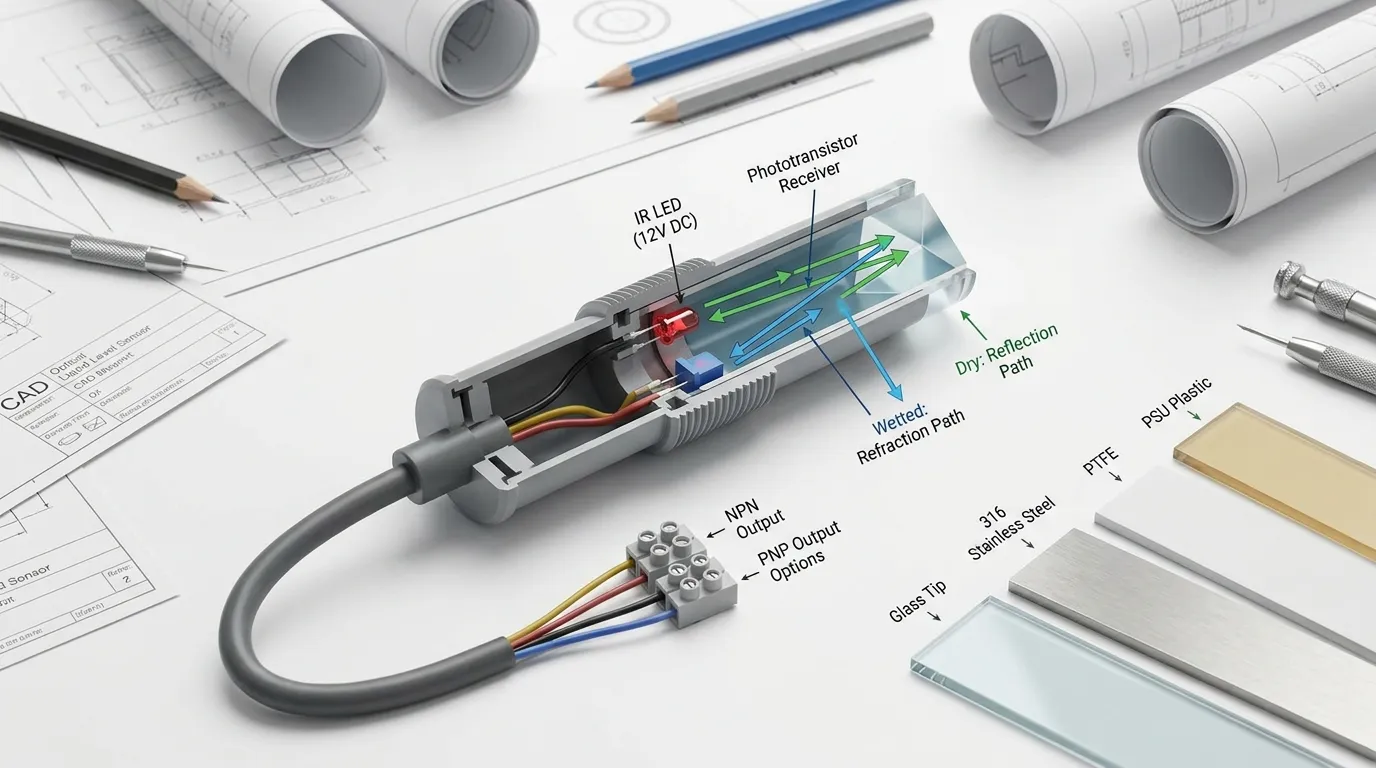
出力タイプは電圧に次ぐ最も重要な構成選択です. 12Vセンサーは物理的には正しくても、出力が受信回路と一致しない場合、電気的には誤りとなることがあります.
NPN出力
NPN出力は、制御入力が沈み信号を予想する場合に一般的に選択されます. 簡単に言えば, センサー出力は作動時に信号線をグラウンド方向に引き寄せます. これは多くの直流制御基板で有用です, PLCスタイルの入力, またはインターフェース回路.
NPN版を注文する前に, 入力プルアップ方式を確認する, 入力電圧, ウェット/ドライロジック, また、センサー出力が信号入力のみに接続されるのか、それとも負荷の切り替えを目的としているのか.
PNP出力
PNP出力は、受信回線がソース信号を期待する場合に使用されます. この構成では, 出力は作動時に入力に正の電圧を供給します. これは多くの産業用直流入力設計や一部の制御モジュールで一般的です.
12Vシステムの場合, 入力端子が正の12V信号を期待しているか、またコントローラがセンサー電源と同じ接地基準を共有しているかを確認してください.
MCUまたはロジック入力
MCUベースの製品の場合, センサーは12Vロジックピンに直接接続できません. 多くのマイコンは低い論理電圧を使用しています, したがって、インターフェース回路の点検が必要です. センサーは制御基板と通信するように設定可能です, ただし、基板設計者は入力電圧の制限を確認する必要があります, プルアップ/プルダウン設計, および信号調整.
4–20 mA 出力
一部の購入者は、コントローラーやモニタリングシステム用の堅牢なアナログ信号が必要な際に4〜20 mAを求めることがあります. これは、システムが遠距離でレベル状態伝送を必要とする場合や産業用制御ループへの統合が必要な場合に特に重要です. コンパクトな12V積におけるポイントレベルスイッチの場合, デジタル出力はしばしばよりシンプルです, ただし、必要な信号タイプはRFQ段階で定義されるべきです.
12Vシステムにおける光学センサーチップの動作
12Vの光学センサーは依然としてコンパクトな光電検出原理を使用しています: 赤外線LEDがプリズムの先端に光を放ちます, フォトトランジスタや受信機が反射光パターンを検出します. プリズムが乾いているとき, 液体で先端を濡らしたときとは光の反射が異なります. 内部回路はこの乾燥/湿潤状態を電気出力に変換します.
買い手のために, 重要なのは理論そのものではなく、選考への影響です:
- プリズムの先端は正しい切り替え点で液体に触れなければなりません.
- 泡, バブル, コーティング, または残留物が検出信頼性に影響を与えることがあります.
- 暗い, 粘着性, または結晶化液体は材料や設置の見直しが必要になることがあります.
- センサーは、センサーがタンクの壁で遮られないように取り付ける必要があります, シーラント, または機械部品.
- 出力ロジックは、タンクが満タンになったときに機械が作動するかどうかを一致させなければなりません, 空の, 低い, あるいは溢れている.
そのため、HojellyTekは12V構成を推奨する前に電気回路と液体環境の両方を確認しています.
12V 電気仕様表
| 仕様項目 | 12V 構成ガイダンス |
|---|---|
| 供給タイプ | 12V DCシステム, 実際の電源と照合して確認した |
| 耐電圧 | RFQ段階でレギュレートアダプターに基づいて確認してください, 車両バッテリー, RVバッテリー, 太陽電池, または制御基板の供給 |
| 電流消費 | 直流およびバッテリー駆動機器向けの低電流構成 |
| 出力オプション | NPN, PNP, MCU/制御基板信号, 必要に応じて4〜20 mAも使います |
| リレー接続 | 直接スイッチングする前にリレーコイル電流とインターフェース回路を確認してください |
| MCU接続 | 論理電圧を確認する, 地表参照, および入力保護 |
| 保護 | フィールド配線には逆極性保護を指定することができます |
| ケーブル | カスタムケーブル長, ジャケット, ワイヤーの色, およびプロジェクトごとに利用可能なコネクタ |
| マウンティング | ねじ込み式, 側壁, フランジ, またはタンク設計に応じたカスタムマウント |
| 濡れた材料 | PSU, PTFE製, 316 ステンレススチール, グラス, またはプロジェクト固有の材料選択 |
| 典型的な液体 | 水, 冷却液, 油, 燃料, または審査後の適合プロセス液体 |
| 応用分野 | 自動車, RV, 太陽光発電, バッテリーシステム, 小型タンク, 警報モジュール, ポンプ制御 |
12V DC設置の配線チェックリスト
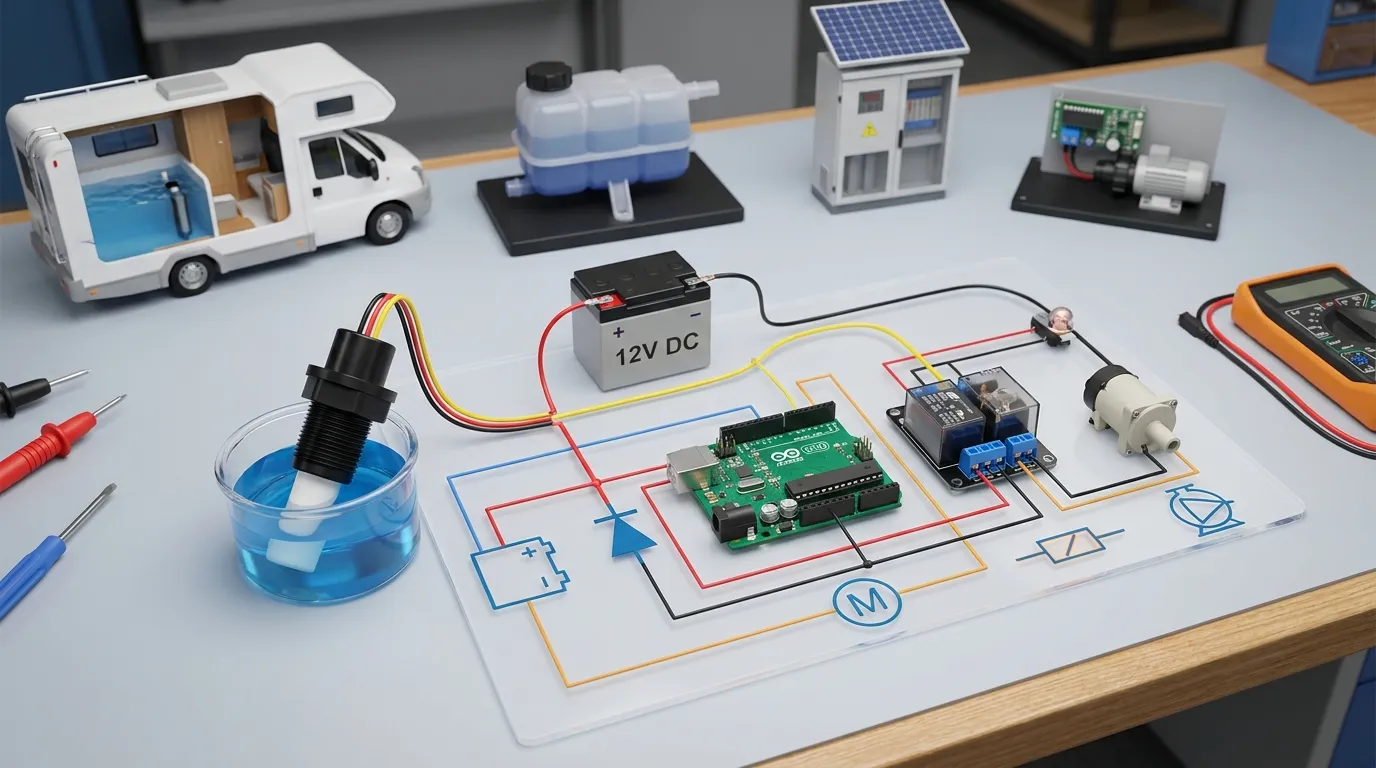
注文や配線サンプルユニットを確認する前に、このチェックリストを活用してください.
- 電源を確認しろ
センサーがレギュレーション付き12V DCアダプターで電源を供給されているかどうか教えてください, 車両バッテリー, RVバッテリー, 太陽光発電バッテリーバンク, リチウムバッテリーシステム, または制御PCBを. - 共通の基盤を確認する
ほとんどの直流制御回路において, センサーと受信コントローラーは正しい接地基準を共有しなければなりません. コントローラー入力が絶縁されている場合, 配線計画は見直すべきです. - NPNまたはPNP出力を選択してください
習慣で出力タイプを選ばないでください. コントロール入力に合わせる. NPNは通常沈みます; PNPは通常、調達者です. - 直接接続する前にリレー負荷を確認してください
12Vリレーコイルは、小さなセンサー出力が直接切り替えるべき電流よりも多く消費することがあります. センサーがリレーを制御するかどうか, リレーモジュールの入力に接続されているか確認してください, トランジスタドライバー, またはリレーコイル. - ウェット/ドライ論理の定義
プリズムの先端が乾いているときの出力と、濡らしたときに何をすべきかを決めてください. これはポンプの保護に影響します, オーバーフロー警報, および低レベルのシャットオフ挙動. - 逆配線からの保護
逆極性保護は、現場技術者が設置する機器に推奨されます, RVユーザー, 車両工場, または分散型サービスチーム. - ケーブルのルートと長さを確認してください
長いケーブル, 可動する車両部品, 高電流配線, また、屋外のルーティングはジャケットの選択にも影響します, 遮蔽の必要性, コネクタスタイル, およびストレインリリーフ. - 本物の液体でテスト
水, 冷却液, 油, 燃料, 混合流体はプリズム先端で異なる挙動を示します. 生産承認前にターゲット液体での試験が推奨されます.
12Vタンクの材料と取り付けオプション
濡れた体とプリズムの面積は液体の適合性に基づいて選択すべきです, 温度, 機械的応力, および清掃条件.
電源ユニットかエンジニアリングプラスチック コンパクトな水によく使われます, 家電, また、耐腐食性や軽量化が重要な一般的なタンク用途.
PTFE製 標準的なプラスチックが適さない場合、より強い化学抵抗性や要求の高い液体のために選ばれます.
316 ステンレススチール 頑丈な工業用タンクに適しています, 冷却材システム, 石油関連の応用, そして機械的強度が重要な金属タンクアセンブリ.
ガラス検知のヒント 光学的クリアさが, 化学的適合性, または、より高グレードのウェット性能が必要です.
取り付けはタンク壁の設計によって設定可能です. コンパクトなタンクや機器パネルではねじ込み取り付けが一般的です. 側壁設置では、プリズムの先端を正確に低い位置または高い位置に配置することができます. タンク構造がすでに固定されているOEM機器には、フランジやカスタムハウジングを検討できます.
電圧ファミリーを比較する購入者へ, 私たちの 5V赤外線水センサー ページは低電圧制御基板に有用です, 私たちの 交流電圧光学センサー Pageは12V DCではなく交流電源構成を必要とするプロジェクトをサポートしています.
典型的な12V用途
自動車用クーラントおよびワッシャータンク
12V直流システムは車両で一般的です, そのため、光学センサーは冷却タンクによく使われます, 洗浄液貯蔵庫, オーバーフロー検出, または低レベルの警報ポイント. 主な懸念は振動です, 温度, 液体適合性, ケーブルルーティング, 配線ミスからの保護. 専用車両の例として, 私たちの 冷却タンクセンサー ページ.
RV淡水および廃水システム
RVシステムは通常、12Vバッテリー供給を中心に動作します. コンパクトな光学ポイントセンサーは低レベルをサポートできます, 満タン, または、動きや限られたスペースで機械フロートに影響を与える可能性のある警報表示. 購入者はその液体がきれいな水かどうかを確認すべきです, グレーウォーター, または他の中型戦車.
太陽光およびバッテリーバックアップシステム
太陽光発電機器やバッテリーキャビネットでは、水の貯蔵に低電流センサーが必要になることが多いです, 冷却材循環, 漏れ検出, または補助タンク監視. 電流消費は重要で、システムは長期間蓄電力から動作することがあります.
ポンプ保護と低水位遮断
12Vの光学センサーは、ドライラン保護のための信号点として使用できます, 低レベルカットオフ, またはリフィル制御. センサーは通常、負荷を確認せずに高出力スイッチング部品として扱われるのではなく、コントローラーやリレーモジュールに電力を供給するべきです.
小型OEMタンクおよび直流機器
コンパクトOEM製品向けに, 重要な要素はセンサーサイズです, ケーブル出口, コネクター, 取り付けねじ, ウェット/ドライロジック, そして再現可能な制作品質. OEM/ODMのカスタマイズは、非標準のタンクジオメトリやブランド機器アセンブリに対して可能です.
5-ステッププロジェクトプロセス
1. 調査
申請書を送ってください, 液体タイプ, タンク素材, スイッチングポイント, 12V電源, 出力要件, 取り付け位置, ケーブルの長さ, および期待順序の使用. 写真や図面を活用することで、タンクのレイアウトをより早く理解できます.
2. 仕様とカスタマイズレビュー
電気的な一致を確認した, 出力タイプ, 材料, 糸, ケーブル, コネクター, 論理的振る舞い. OEM/ODMプロジェクト用, HojellyTekは住宅サイズをレビューできます, プリズムスタイル, ワイヤーの色, レーベル, およびパッケージングのニーズ.
3. サンプル
試料構成は電気および液体試験用に準備できます. 購入者は本物の液体でセンサーをテストすべきです, 実際のコントローラー入力, 可能な限り実際のケーブルルートも使っています.
4. 生産と品質管理
承認後, 生産は確定した構成に従っています. QCは外観に重点を置いています, 配線, 出力振る舞い, 電気的マッチング, および合意されたプロジェクト要件.
5. 船舶
深圳の製造・輸出業者として, 米国の海外購入者をサポートしています, 私たちは, インド, その他の市場. 発送の詳細は注文量に応じて確認されています, 目的地, そして顧客の好み.
注文前に確認すべき要件
見積もりを依頼する際には、これらの詳細を準備してください:
- 12V電源タイプ: レギュレーテッドアダプター, バッテリー, ソーラーコントローラー, 車両システム, またはPCBレール
- 出力タイプ: NPN, PNP, MCU入力, リレーモジュール入力, または4〜20 mA
- ウェット/ドライ出力ロジック要件
- リレーまたは入力負荷情報
- ターゲットとなる液体と残留物の有無, 泡, バブル, またはコーティング
- タンク素材, 壁の厚さ, および乗車方向
- 住宅素材の好み: プラスチック, PTFE製, 316 ステンレススチール, あるいはガラス
- ネジ山または取り付けの要件
- ケーブルの長さ, コネクター, ワイヤーの色
- 屋内, 屋外, 車両, またはバッテリーシステム環境
- 予想サンプル数と生産用途
12Vセンサー構成比較
| 構成選択 | ベストフィット | 購入者は確認すべきです |
|---|---|---|
| 12V NPNデジタル出力 | 沈み出力を想定する制御基板 | 入力プルアップ, ウェット/ドライロジック, 負荷電流 |
| 12V PNPデジタル出力 | 正のソース信号を期待する入力 | 共有グラウンド, 入力電圧, コントローラー配線 |
| 12Vリレーモジュール信号 | ポンプ, 警報, 補充, またはカットオフ制御 | リレーモジュール入力電流とトリガーロジック |
| 12V MCUインターフェース | カスタムPCBまたは組み込み製品 | MCU論理電圧および保護回路 |
| 4–20 mAオプション | 長距離監視またはアナログ制御入力 | 受信機の互換性とループ設計 |
| ステンレスまたはガラスのウェットド設計 | 冷却材, 油, 燃料, 液体を要求する | 液体適合性と設置ストレス |
| プラスチックまたはPTFEウェット設計 | 水, 化学薬品, またはコンパクトなOEMシステム | 化学耐性と取り付け構造 |
なぜHojellyTekを選ぶのか
HojellyTekは深圳の光学および液体レベルセンサーメーカーで、社内Rを搭載しています&D, 光電光学センシングの体験, カスタムセンサー構成のOEM/ODMサポート. 私たちは、カタログの部分以上のものを必要とする買い手と仕事をしています: 電圧一致, 出力ロジック, ハウジング素材, ケーブル, コネクター, そして、最終装備に適合させるための取り付けも必要です.
当工場では光学液体レベルセンサーに対応しています, 光学レベルスイッチ, 赤外線水位センサーモジュール, 連続レベルセンシングオプション, およびスマートタンク監視ソリューション. 接続タンク監視プロジェクトのために, TuyaやSmart Lifeアプリの統合も、必要に応じて議論できます.
購入者は工場からの直接コミュニケーションが必要なときに私たちを選びます, 輸出支援, 産業用の構成の柔軟性, 自動車, RV, 家電, 太陽光発電, およびバッテリー駆動システム.
12V光学液位センサーに関するよくある質問
12Vの光学液体レベルセンサーは12Vリレーで動作しますか??
はい, しかしリレーの負荷は確認しなければなりません. 多くのセンサーは信号出力を提供するよう設計されています, リレーコイルを直接駆動するわけではありません. リレー制御用, センサーがリレーモジュール入力に接続されているかどうか確認してください, ドライバー回路, またはコントローラー.
12VシステムならNPN出力とPNP出力のどちらを選ぶべきか?
入力が沈み信号を期待する場合はNPNを選んでください, そして、ソース信号を期待する場合はPNPを選択します. 正しい選択はコントローラーによって異なります, リレーモジュール, 配線設計, およびウェット/ドライ論理要件.
逆極性保護は必要でしょうか??
現場設置の12Vシステムには強く推奨されます, 特に自動車, RV, 太陽光発電, およびバッテリー装備. リバース配線は、整備や設置時に起こり得ます, したがって、保護は実用的な信頼性を向上させます.
このセンサーは自動車用クーラントタンクに使用できますか?
はい, 光学センサーは冷却材タンクのレベル検出用に構成可能です, しかし、物質的なものだ, 温度, 振動, ケーブルルーティング, また、液体の適合性は生産前に必ず確認する必要があります.
ケーブルの長さやコネクターをカスタマイズできますか?
はい. ケーブルの長さ, ワイヤーの色, コネクタタイプ, ジャケットの要件, また、ラベリングはプロジェクトに応じてカスタマイズ可能です. 長距離ケーブル配線についてはRFQ段階で議論すべきです.
光学液位検出において12Vは5Vより優れていますか??
どちらも自動的に優れているわけではありません. 5Vセンサーは低電圧電子機器やコンパクトな基板に適していることが多いです, 一方、12Vは自動車で一般的です, RV, 太陽光発電, バッテリー, リレー, および直流制御システム. 機器の電源アーキテクチャに合った電圧を選択してください.
12V光学センサーの見積もりを依頼する
12V電源タイプを送ってください, 出力要件, ターゲットリキッド, 取り付け図面, ケーブルの長さ, 申請詳細はHojellyTekに提出して審査を受けます. 当社のチームが、リレーに適した12V光学液位センサー構成の確認をお手伝いします, MCU, ポンプコントローラー, RVパネル, 太陽系, または自動車用タンク.
お絵を添付してWhatsAppやメールで見積もりを依頼してください, 液体タイプ, 配線要件.


