
フランジマウント光学液位センサー
HojellyTekは、深センでOEM/ODMプロジェクト向けのフランジマウント式光学液位センサーを製造しています, 機器ビルダー, カスタム取り付けジオメトリが必要なセンサーディストリビューター, 湿潤物質, 出力オプション, そして米国への輸出準備支援, 私たちは, インド市場.
フランジ搭載センサーの機能
タンク壁がネジ式センサーを安定して保持できない場合、フランジマウントの光学レベルスイッチが通常選択されます. ねじ切りポートを切る代わりに, タンクはクリアランスホールとフランジフェイスを使用しています. フランジはセンサー本体を外側または内側の表面に固定し、ガスケットやOリングがシールを形成します.
取り付けタイプを比較する購入者へ, 我々の標準 光学レベルセンサー 射程はタンクの材料を中心に設定可能です, 感知高さ, ケーブル出口方向, および電気出力. すでに金属製のボスや太いねじ込みポートがあるプロジェクト用, ある 1/4 NPTスレッドオプション より適しているかもしれません. 腐食性メディア用, 食料器具, 石油システム, またはステンレスタンク, ある 316 ステンレスボディ 材料選定時にレビュー可能です.
典型的なカスタマイズ分野には以下が含まれます:
- ラウンド, 正方形, またはカスタムフランジ形状
- ツーホール, 三穴, 4ホール, または顧客が定義したボルトパターン
- フラットガスケットまたはOリングシール設計
- プラスチック, PTFE製, 316 ステンレススチール, またはガラス接点材料の選択肢
- NPN, PNP, いいえ, ノースカロライナ州, 必要に応じてアナログ出力構成も可能です
- ケーブル, コネクター, ワイヤーの長さ, および出口方向
- 側壁, 底, トップダウン, または機器パネル取り付け
取り付けの問題 この設計が解決します
フランジマウントの光学液位センサーを選ぶ主な理由は、検出理論ではありません; それは設置の信頼性です. 多くのタンクは薄いプラスチックで作られています, ステンレスシート, アクリル, アルミニウム, または内部ねじ山が弱い成形ハウジング, 高い, あるいは加工不可能. ねじ込みセンサーが薄い壁に押し付けられた場合, 施工者は密閉不良に直面する可能性があります, 壁のひび割れ, 糸のストリッピング, センサー傾き, または検出高さの不一致.
フランジマウントは機械的荷重をより広い表面に分散させます. タンクホールはセンシングチップのクリアランスを確保します, 一方、フランジはアライメントと圧縮を制御します. これにより、薄壁貯留層に適した設計が実現しています, 水タンク, 冷却タンク, オイル容器, バッテリー装備, 清掃機器, 小型家電, そしてタッピングが実用的でないOEMモジュール.
フランジはまた、購入者が繰り返し組み立てをよりコントロールしやすくします. 制作中, オペレーターは同じ穴のパターンをドリルや成形で行うことができます, ガスケットを置く, センサーを挿入してください, ネジかナットを締めてください, そして検出点の高さを確認します. これは薄いタンク壁を手で叩くよりも標準化しやすいです.
フランジサイズとパターン選択
フランジは3つの条件に合致しなければなりません: タンクウォール, シーリング面, およびセンシング位置. 小さなフランジはスペースを節約します, しかし、ガスケットの容量は少なくなります. 大きなフランジはより良いシールサポートを提供します, でも水槽の壁にはもっとスペースが必要です. 正しい選択はタンクの厚さによります, 利用可能な平坦なエリア, 振動, 液体タイプ, および組立方法.
コンパクトタンク用, 壁が平らで液体圧力が低い場合、ミニラウンドフランジで十分かもしれません. 機器パネルや成形貯水槽用, 2穴または4孔フランジは、ケーブル取り扱い中の回転を防ぐことができます. 高振動や大型タンク用, フランジ面が広く、ねじのパターンが強いほど安定性が向上することが多いです.
フランジ図面にはセンサーの中心穴が定義されるべきです, フランジ外径, ボルトホール数, ボルトサークルまたは間隔, ネジサイズ, ガスケット接触領域, ケーブル出口クリアランス. もしタンクにすでに穴のパターンがある場合, 私たちのチームは図面を確認し、購入者にタンクの再設計を強制する代わりにフランジ設計を適応させることができます.
RFQレビュー用のフランジ寸法表
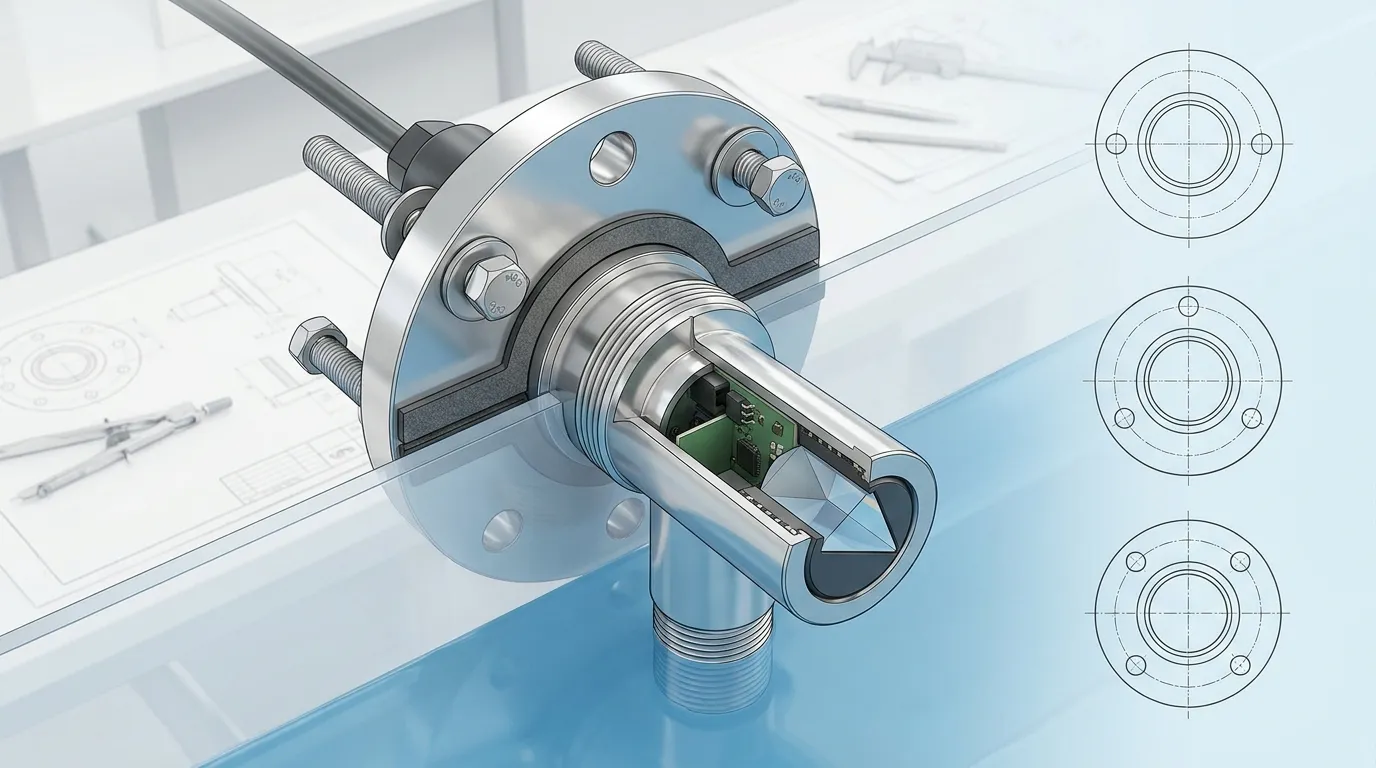
| フランジアイテム | 確認すべきこと | なぜそれが重要なのか |
|---|---|---|
| フランジ形状 | ラウンド, 正方形, 楕円形, またはカスタムプロファイル | 利用可能な制御、密閉面積およびタンク壁への適合 |
| 中央クリアランス穴 | センシングチップとセンサー本体用の穴 | 擦れを防ぐ, 傾き, または挿入深度の誤り |
| フランジの外側サイズ | タンク壁に許される最大スペース | フランジがリブに当たらないようにします, コーナー, 溶接, または近隣の地域 |
| ボルトパターン | ツーホール, 三穴, 4ホール, またはカスタム間隔 | 回転を防ぎ、ガスケットの圧縮を制御します |
| ボルトホールのサイズ | ねじまたはファスナーの選択に合わせてマッチング | 緩い取り付けや強制組立を避けます |
| ガスケットシート | フラットガスケットフェイスまたはOリング溝 | シーリング方法および圧縮制御を決定する |
| センサー投影 | フランジ面から検出点までの距離 | 液体レベルスイッチングの高さを設定します |
| ケーブル出口方向 | まっすぐ, 側面出口, または顧客定義 | タンクや飼育箱にケーブルが曲がるのを防げます |
| 壁厚の範囲 | タンク図面またはサンプルから確認済み | クランプ不良を防ぎます, 交戦不足, またはセンサーのずれ |
| オリエンテーション | サイド, 底, ページのトップへ, またはアングルマウント | 排水への影響, 残留物の蓄積, およびサービスアクセス |
ガスケットとOリングのシールオプション
フランジマウントは、シールがタンク表面と液体に合っている場合にのみ信頼性があります. タンクの壁が幅広の場合、フラットガスケットは便利です, 滑らかな接触面積. フランジに制御された溝があり、設計上繰り返し圧縮が必要な場合、Oリングが好まれることが多いです.
シールの材料は液体によって選ぶべきです, 洗浄方法, 温度範囲, タンク材質. シリコーンは水や一般的な機器のシーリングによく考慮されます. FKMは一般的に石油に選ばれます, 燃料, そしてより高い化学耐性要件. EPDMは水上システムでも検討されることがあります. PTFE関連のシーリングソリューションは、弾性圧縮よりも化学的適合性が重視される場合に検討されることがあります.
実際の故障モードは通常単純です: ガスケットが硬すぎます, 壁は平らではありません, ネジは不均一に締められています, Oリング溝は制御されていません, または、センサーが十分な密閉面積のない湾曲したタンクセクションに取り付けられている場合もあります. OEM作業用, 最も安全な方法は、タンク図面を確認することです, シーリング面, スクリュー配置, およびサンプル製造前の液体適合性.
壁厚と向きのガイドライン
薄壁タンク用, センサーは壁が平らで圧縮を保持できる強度のある場所に取り付けるべきです. ネジを締めたときに壁がしわむ場合, シールは時間とともに緩むことがあります. 選択したセンサー投影に対して壁が厚すぎる場合, センサーポイントがタンク内の必要なレベルにない場合もあります.
側面壁取り付けは高レベル/低レベル検出に一般的で、スイッチングの高さを明確に設定するためです. ボトムマウントは漏れ検知や最低レベルの監視に有効です, ただし、液体の圧力や残留物が取り付け部分に影響を与える可能性があるため、より強力なシール審査が必要です. タンク壁が側面掘削を許さない場合、トップダウンマウントが使用されます, しかし、投影長とケーブルの経路は慎重に確認する必要があります.
フランジを曲がった角に置くのは避けてください, 溶接継ぎ目, リブ付きプラスチック製, 不均一な成形面, または、工具が均等にファスナーを締められない箇所もあります. フランジマウントセンサーはまず機械的な組み立てです; センシング性能は安定した設置に大きく依存します.
5-段階的なOEM/ODMプロセス
- 調査 — 戦車図面を送れ, 液体タイプ, 取り付け方向, 目標レベル高さ, および必要な出力.
- 仕様とカスタマイズ — フランジ形状を確認, ボルトパターン, ガスケット/Oリング設計, 湿潤物質, ケーブル, および電気出力.
- サンプル — タンクフィッティング用にサンプルを準備することができます, シーリングチェック, および電気的検証.
- 生産と品質管理 — 工場が組立の整合性を確認します, 配線, 出力関数, 出荷前の外観.
- 船舶 — 注文は輸出用に梱包されます, プロジェクトの最新情報はWhatsAppまたはメールで連絡を取ります.
注文前に確認すべき要件
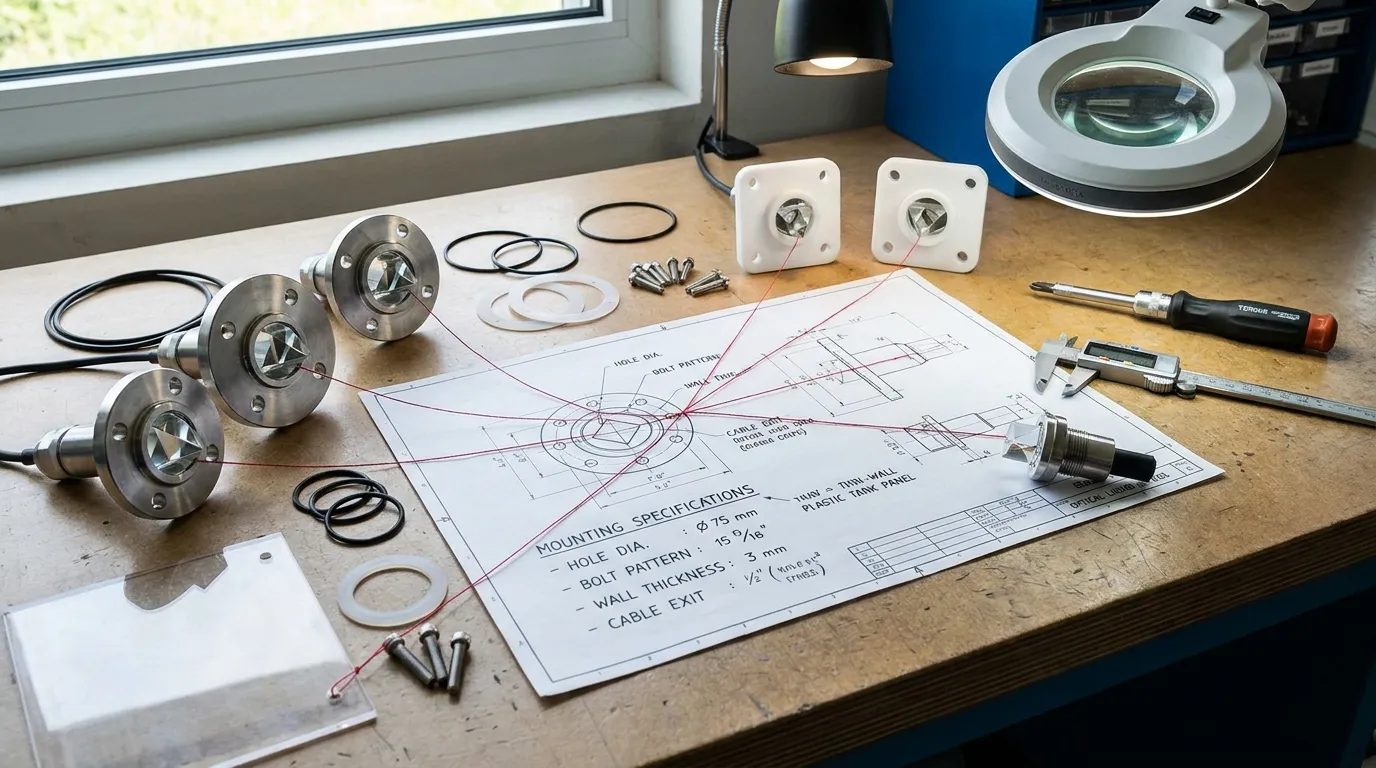
フランジマウントの光学液位センサーを注文する前に, これらの詳細を確認してください:
- タンクの材料と壁厚
- 平坦な取り付け面のサイズ
- タンク底からの必要なセンサー高さ
- 穴径または既存のタンクカットアウト
- ボルトパターンまたは利用可能なネジ位置
- 液体タイプ: 水, 油, 冷却液, 燃料, 化学薬品, または洗浄液
- シールの好み: フラットガスケットまたはOリング
- 濡れた体材: PSU, PTFE製, 316 ステンレススチール, またはガラス接点設計
- 出力タイプ: NPN, PNP, NO/NC, またはアナログの要件
- 制御基板に必要な供給電圧
- 取り付け方向: 側壁, 底, トップダウン, または斜めに
- ケーブルの長さ, コネクター, およびケーブル出口方向
- OEMブランドの必要性, 描画制御, またはカスタムパッケージング
完全選択可能な製品リファレンスが必要な購入者へ, その 光学レベルセンサー製品 ページはフランジ固有のカスタマイズの出発点として利用できます.
フランジマウントとねじ込みマウントの違い
| 選考ポイント | フランジマウントセンサー | ねじ込みセンサー |
|---|---|---|
| 最適な水槽タイプ | 薄壁または非ねじ山タンク | 厚い壁, ボス, またはスレッドポート |
| 設置方法 | クリアランスホールプラスフランジシール | ねじ穴またはねじ継手 |
| 封印方法 | フランジ下のガスケットまたはOリング | ねじ山シーラント, Oリング, またはねじの設計 |
| 回転制御 | ボルトパターンはねじれを防ぐことができます | 締め付け中にセンサーが回転することがあります |
| OEMの再現性 | 成形や穴あけのパターンに適しています | ねじ込みインサートを制御する際には良好です |
| 改造が必要 | 穴とねじのパターン | スレッドポートまたはタッププロセス |
| 最適なユースケース | プラスチックリザーバー, パネル, 薄い金属製タンク | 加工された金属タンクやパイプ継手 |
なぜHojellyTekと働くのか
HojellyTekは深圳の光学および液体レベルセンサーメーカーで、社内Rを搭載しています&DおよびOEM/ODMのサポート. 私たちのチームは光電光学センシング製品に注力しています, カスタム取り付け構造, 濡れた材料選択, および機器メーカーや流通業者向けの輸出プロジェクト.
接続システムの場合, Tuya/Smart Lifeの統合も、スマートモニタリングハードウェアと連携するためにセンサーデータを必要とするプロジェクトでは議論できます. 産業用およびOEMの購入者向け, 私たちは図面レビューを支持しています, サンプル検証, および生産前の構成議論.
よくある質問
フランジマウントの光学液位センサーは、内部ねじをタップせずに取り付けることは可能でしょうか?
はい. フランジマウントの光学液位センサーは、内部ねじのタッピングが困難または信頼性に欠けるタンク向けに設計されています. タンクは通常クリアランスホールを使用します, フランジ面, そしてガスケットまたはOリングシール.
どのフランジパターンを選ぶべきか?
タンクの容量に基づいて選びましょう, シーリングエリア, および回転防止の必要性. 2穴パターンはコンパクトなデザインに適しています, 一方、3穴または4孔パターンはより強いアライメントと均一なガスケット圧縮をもたらします.
ガスケットを使うべきかOリングを使うべきか?
広い平らな面にはフラットガスケットを使い、フランジに制御溝がある場合はOリングを使いましょう. シールの素材は液体と一致しているべきです, 温度, 洗浄方法, タンク材質.
センサーは曲面したタンクの壁に取り付けられますか??
フランジやガスケットがその表面向けに設計されていない限り、推奨されません. 平らな取り付け部分は圧縮が良く、漏れリスクも低くなります.
オイルタンクやクーラントタンクにフランジマウントを使えますか??
はい, しかし、濡れた材料やシール材料は必ず確認しなければなりません. 石油のために, 冷却液, 燃料, または化学物質, 液体の詳細を共有し、工場がボディマテリアルとガスケットの適合性を確認できるようにします.
見積もりを取るためにどんな情報を送ればよいでしょうか?
水槽の図面や写真を送ってください, 壁の厚さ, 穴の大きさ, 取り付けの向き, 感知高さ, 液体タイプ, 出力要件, ケーブルの長さ, および期待順序の使用. その後、当社のチームは適切なフランジマウント設計を提案します.
見積もりを依頼する
薄壁タンクや非ねじタンク用のフランジマウント光学レベルセンサーが必要です? 水槽の図面はWhatsAppまたはメールでHojellyTekにご連絡ください, 液体タイプ, 取り付け方向, および出力要件. 私たちのチームがフランジのサイズを確認します, シーリング方法, 素材の選択, プロジェクト用のサンプル構成.


