
IoT Waste Management: The Ultimate Guide for 2025
The world is producing more waste than ever before. Our cities are growing at a rapid pace. Old methods of waste collection are no longer working. We need a modern solution to a modern problem. That solution is IoT waste technology.
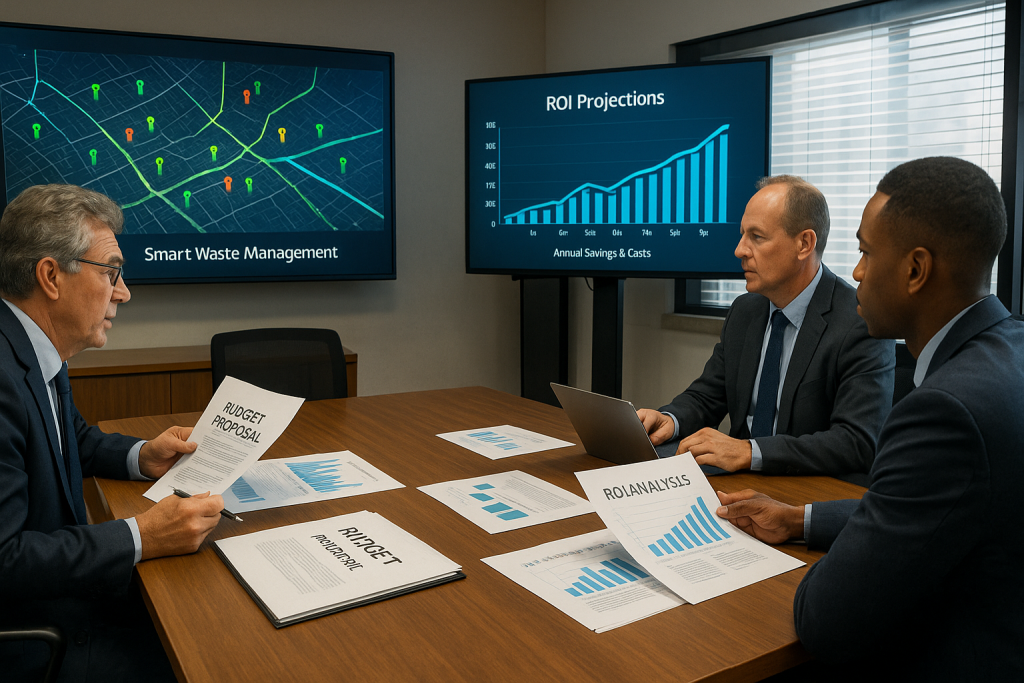
What is IoT waste? It stands for "Internet of Things" waste. It means connecting waste bins to the internet. These bins become smart data points in a network. They communicate their status in real-time. This simple connection creates a powerful management system. It replaces guesswork with data-driven certainty.
This system is transforming urban cleanliness. It creates immense efficiencies for cities. It builds a healthier environment for everyone. This ultimate guide explains everything about IoT waste. It covers the technology, the process, and the future.
Why We Urgently Need IoT Waste Management
Traditional waste management has reached its limit. It relies on fixed schedules and routes. This approach is simple but extremely inefficient. It creates a series of critical problems for our cities.
Collection trucks visit every single bin on their route. Many of these bins are nearly empty. This practice wastes enormous amounts of fuel. It increases labor costs significantly. It also adds to traffic congestion and air pollution. The financial and environmental costs are huge.
Meanwhile, bins in busy areas often overflow. They fill up long before the scheduled pickup. Overflowing trash is a serious issue. It creates unpleasant smells and looks terrible. It attracts pests like rats and insects. This poses a direct risk to public health.
The old model provides no useful data. City managers cannot see waste generation patterns. They cannot make informed decisions to improve services. They are forced to react to problems instead of preventing them. A smarter, more responsive approach is essential. This is the challenge that Smart Waste Management is designed to solve.
The Core Components: What is IoT Waste Technology?
An IoT waste system is a complete technological ecosystem. It combines smart hardware with powerful software. These components work together seamlessly. They create a network that monitors and manages waste. There are three core parts to every system.
First is the intelligent sensor. This is the key piece of hardware. It is a small, durable device. It gets installed inside each waste container. The sensor's main job is to measure the bin's fill level. It uses ultrasonic pulses to get a precise reading. It knows if a bin is empty, half-full, or needs collection. It can also detect fires or if a bin is tilted over.
Second is the secure IoT network. The sensor needs a way to send its data. It uses a low-power, wide-area network (LPWAN). This network can cover an entire city. It allows the sensor to send small data packets. This process uses very little energy. That is why the sensor's battery can last for many years. Gateways receive this data and send it to the cloud.
Third is the central software platform. This is the brain of the entire operation. It is a cloud-based application. It receives data from thousands of sensors in real-time. It visualizes this data on a map. Operators can see the status of every bin at a glance. This platform is where data becomes intelligence.
The Process in Action: How IoT Waste Management Works
Understanding the components is important. Seeing how they work together is even better. Let's walk through a typical real-world scenario.
Imagine a smart bin located in a busy city square. Throughout the day, people use it to dispose of trash. The ultrasonic sensor inside silently monitors the situation. It checks the fill level every few hours.
By late afternoon, the bin reaches 85% capacity. This is the trigger point set by the operators. The sensor automatically sends out a small data packet. This packet contains the fill level, bin ID, and location. The IoT network instantly delivers this alert.
The central software platform receives the information. It updates the bin's status on the digital map to red. This signals that it needs to be collected. The platform adds this bin to a collection list for the evening shift.
Before the shift begins, the system analyzes all full bins. The AI-powered engine calculates the most efficient route. It considers bin locations, vehicle capacity, and traffic data. It creates a unique, optimized path for the collection truck.
This route is sent to a mobile app in the truck. The driver simply follows the turn-by-turn directions. They only visit the bins that are actually full. They complete their work faster and with less fuel. The bin in the city square is emptied on time. No overflow occurs. No resources are wasted.
Key Applications: Where is IoT Waste Technology Used?
The benefits of IoT waste management are universal. The technology is being adopted across many sectors. Its flexibility makes it a valuable tool for various environments.
Smart Cities are the largest adopters. They use it for public street bins and residential containers. It helps them create cleaner, more sustainable urban spaces.
Commercial Properties also see huge benefits. Shopping malls, office towers, and large residential complexes use it. It helps them provide better service to tenants. It also lowers their operational costs for waste hauling.
Airports, Stadiums, and Large Venues deal with massive crowds. Waste generation is high and unpredictable. IoT systems allow them to manage waste in real-time. They can keep their facilities clean during major events.
Hospitals and Healthcare Facilities must manage waste carefully. This includes both general and biomedical waste. Smart systems help ensure timely and safe disposal. This is critical for maintaining a hygienic environment.
Industrial Parks and Manufacturing Plants generate large waste volumes. IoT helps them optimize collection schedules. It improves logistical efficiency and reduces costs.
The Beneficiaries: Who Gains from a Smart System?
The transition to an intelligent waste system benefits everyone. It creates a ripple effect of positive outcomes. These advantages are felt by all stakeholders.
City and Business Managers are primary beneficiaries. They achieve significant cost reductions. They can reallocate budget savings to other vital services. They also gain access to powerful data. This data helps with long-term planning and decision-making.
Citizens and Residents are the most visible winners. They get to live and work in a cleaner environment. They experience fewer overflowing bins and reduced odors. This leads to better public health and a higher quality of life.
Sanitation Workers find their jobs become safer and more efficient. They are no longer driving inefficient routes. They have clear, data-driven instructions. Their work is more focused and less strenuous. This can lead to higher job satisfaction.
The Environment is perhaps the most important beneficiary. Fewer collection trucks mean lower carbon emissions. It means less air pollution in our cities. Better waste management leads to higher recycling rates. It reduces our reliance on landfills.
The Future Outlook: What's Next for IoT Waste?
The field of IoT waste management is still evolving. The technology is becoming more advanced every year. Several exciting trends are shaping its future.
Artificial Intelligence (AI) will play a bigger role. AI algorithms will move beyond route optimization. They will provide highly accurate predictive analytics. They can forecast waste generation based on weather, holidays, and public events.
Robotics and Automation are on the horizon. Automated sorting systems will improve recycling quality. Autonomous collection vehicles could one day follow the routes planned by the AI. This will create even greater efficiencies.
Circular Economy Integration is the ultimate goal. IoT data will be essential for closing the loop on resources. It will provide insights needed to improve product design for recyclability. It will help create more effective waste-to-energy programs. The smart bin is a critical data source for a fully circular economy.
Conclusion: The Dawn of a Cleaner, Smarter Era
IoT waste management is far more than a technological upgrade. It represents a fundamental shift in our approach to urban sanitation. It replaces an outdated, inefficient model with one that is intelligent, responsive, and sustainable. This technology solves one of the most pressing challenges of modern urbanization.
It uses the power of data to create cleaner cities. It delivers significant financial and environmental benefits. It improves the quality of life for citizens. It builds a foundation for the resilient and sustainable communities of tomorrow. The future of waste is not about working harder. It is about working smarter.
Frequently Asked Questions (FAQ)
1. What does "IoT" stand for in IoT waste? IoT stands for the "Internet of Things." It is the network of physical devices connected to the internet.
2. Is this technology very expensive to install? There is an initial investment in sensors and software. However, the system delivers major long-term savings. Most organizations see a full return on investment quickly.
3. Can this technology be used for recycling bins? Yes, absolutely. The system is perfect for managing all types of waste streams. This includes general waste, recycling, and organics.
4. How long does the sensor battery last? The sensors use very little power. Their batteries are designed to last for many years. A battery life of 5 to 10 years is typical.
5. What is the single biggest benefit of IoT waste management? The greatest benefit is its dual impact. It creates significant cost savings for operators. At the same time, it improves environmental sustainability.


