
Waste Data Management: The Ultimate Guide to Efficiency
Waste data management is the systematic process of collecting, analyzing, and using data related to waste. This includes information about its generation, collection, and disposal. It marks a fundamental shift in the sanitation industry. It moves operations away from assumption-based schedules and toward data-driven precision.
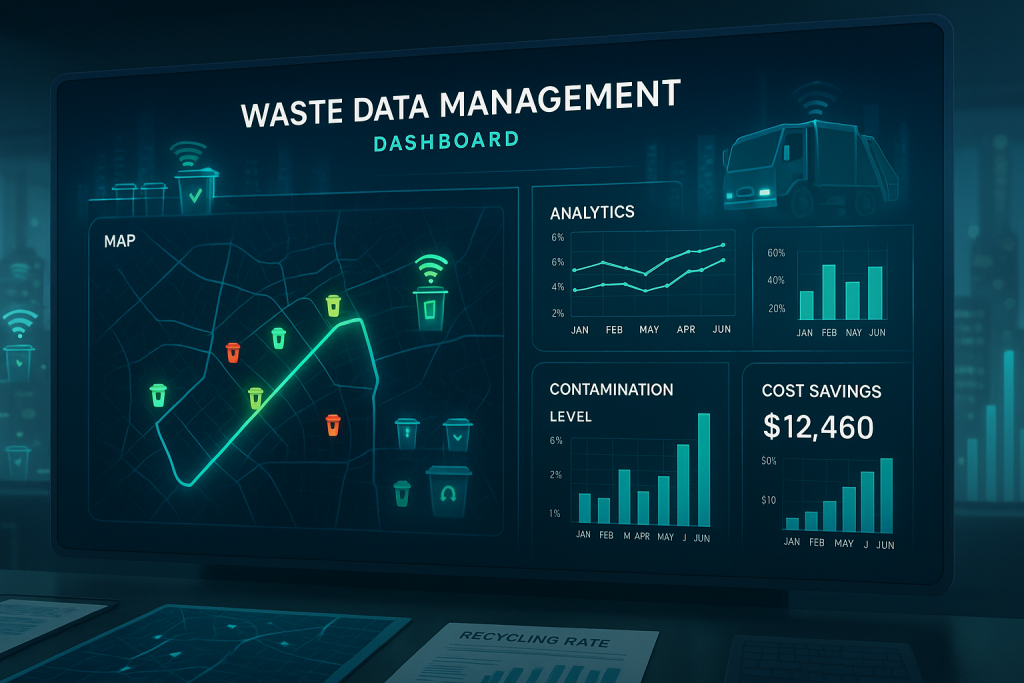
The core purpose of this approach is to transform waste from a simple logistical challenge into a source of valuable business intelligence. By understanding the patterns and trends hidden within the data, organizations can unlock new levels of efficiency, sustainability, and strategic insight. This guide explores the types of data, the management lifecycle, and the profound benefits of this modern approach.
What Is Waste Data Management?
Waste data management involves the use of technology to capture and interpret information from every stage of the waste lifecycle. It replaces traditional paper logs and anecdotal evidence with a constant flow of accurate, digital information. This process provides a clear and detailed picture of how waste is generated and handled throughout a service area.
In the past, waste collection was a data-poor industry. Managers had little visibility into daily operations once a truck left the depot. This lack of information made it impossible to identify inefficiencies or plan effectively for the future. Modern data management solves this problem. It provides the essential intelligence needed to run a lean, responsive, and accountable operation.
This data-centric philosophy is the engine that drives a successful Smart Waste Management system. It is the practice of turning raw sensor readings and GPS coordinates into a strategic advantage. It allows organizations not just to collect waste, but to understand it.
The Types of Data: What Are We Actually Measuring?
A robust waste data strategy captures information from multiple sources. Each data point adds another layer of understanding. These data types can be grouped into several key categories.
Operational Data
This is the information generated during the day-to-day collection process. It provides a real-time view of how the service is performing.
Operational data begins with container information. IoT sensors provide a constant stream of data about each bin. This includes precise fill levels, temperature readings, and GPS location. This data eliminates the need for manual checks.
Next is fleet data. Every vehicle in the collection fleet becomes a mobile data-gathering platform. GPS and telematics devices track the truck’s location, speed, and route adherence. They also monitor vehicle health, fuel consumption, and driver behaviors like harsh braking or excessive idling.
Finally, there are collection event records. These are digital timestamps that verify service. A sensor can log when a bin is emptied. An RFID reader on a truck's lifting arm can confirm a pickup for a specific customer. This data provides irrefutable proof of service.
Material Data
This category focuses on the waste itself. Understanding the composition and quantity of materials is crucial for effective resource management and environmental planning.
The most basic material data is weight and volume. Onboard weighing systems on trucks can measure the weight of each container they lift. Large scales at transfer stations and landfills provide bulk weight data. This information is vital for tracking landfill diversion rates and for billing purposes.
Waste composition data provides deeper insights. It details the different types of materials in the waste stream, such as organics, plastics, paper, and glass. This information is typically gathered through manual audits. However, advanced technologies like AI-powered sorting are beginning to automate this process.
Contamination rates are another critical metric. This data measures the amount of incorrect material found in recycling or organics bins. High contamination rates can render a whole load of recyclables unusable. Tracking this data helps identify areas that need better public education.
Financial Data
Effective data management ties operational activities directly to financial outcomes. It allows managers to understand the true cost of their services and identify opportunities for savings.
This includes calculating the cost per collection. By combining data on fuel, labor hours, and vehicle maintenance, the system can determine the exact cost of servicing a particular route or customer.
It also involves tracking revenue data. For private haulers, this means service fees. For municipalities, it could be revenue from selling processed recyclables to commodity markets. Accurate data ensures precise billing and financial forecasting.
Maintenance costs are also tracked. Telematics data can predict when a vehicle needs service, preventing costly breakdowns. This data helps create a proactive maintenance schedule, extending the life of valuable assets.
The Data Management Lifecycle: From Collection to Action
Managing waste data is a continuous four-step cycle. Each stage is critical for turning raw numbers into meaningful operational improvements.
Step 1: Data Collection
The lifecycle begins with data collection. This is the process of gathering information from the field. Modern systems automate this step as much as possible to ensure accuracy and consistency. IoT sensors in bins, GPS devices in trucks, and RFID readers all capture data without human intervention. This automated approach eliminates the errors and delays associated with manual data entry.
Step 2: Data Transmission and Storage
Once collected, the data must be transmitted securely to a central location. IoT devices use low-power, long-range networks like LoRaWAN to send information to the cloud. This data is then stored in secure, cloud-based platforms. These platforms are designed to handle massive amounts of information from thousands of assets simultaneously. They ensure the data is safe, organized, and easily accessible.
Step 3: Data Processing and Analysis
This is where raw data is transformed into valuable insights. The software platform processes the incoming information and presents it in an understandable format. This includes user-friendly dashboards with maps, charts, and graphs. The platform's analytics engine can identify patterns, trends, and anomalies. For example, it can highlight which areas consistently generate the most waste or which routes are least fuel-efficient. Advanced systems use artificial intelligence and machine learning to make predictions, such as forecasting when a container will be full.
Step 4: Action and Optimization
The final and most important step is to act on the insights gained from the data. The analysis should lead directly to smarter operational decisions. If data shows that certain bins are rarely full on collection day, their service frequency can be reduced. If a route is consistently slow due to traffic, it can be permanently altered. These data-driven actions are what produce tangible results in cost savings and efficiency gains. This step closes the loop, and the cycle begins again with new data reflecting the improvements made.
The Powerful Benefits of a Data-Driven Approach
Adopting a comprehensive waste data management strategy delivers transformative benefits. It impacts everything from daily operations to long-term strategic planning.
Unlocking Operational Efficiency
Data eliminates the guesswork from waste collection. Managers can use real-time information to make the best decisions. This leads to the creation of dynamic, highly efficient routes that service only the containers that need attention. It reduces the number of miles driven and the time spent on the road. Fleet utilization improves, as the organization can often achieve the same or better service levels with fewer vehicles and staff hours.
Driving Financial Performance
A clear view of the data allows for precise financial control. By minimizing fuel consumption and vehicle wear, data management directly lowers the two largest variable costs in fleet operations. It provides the detailed service records needed for accurate, transparent billing. The data can also reveal opportunities for new revenue streams. For instance, detailed weight data is the foundation for fair and effective pay-as-you-throw (PAYT) service models.
Enhancing Environmental Sustainability
A data-driven approach is inherently a greener approach. Optimized routes mean a smaller carbon footprint for the collection fleet. By tracking contamination rates in recycling bins, organizations can target their educational outreach to improve recycling quality. This diverts more material from landfills. This data is essential for any community or company working to achieve ambitious sustainability goals and support the circular economy.
Improving Strategic Planning
Historical data is a powerful tool for long-term planning. By analyzing waste generation trends over time, municipalities can accurately forecast future landfill needs. They can plan for new facilities like composting centers or recycling plants. The data provides a solid, evidence-based foundation for making major capital investment decisions. It helps planners design collection services for new residential and commercial developments.
Key Challenges to Overcome
Implementing a waste data management system comes with challenges. Being aware of these potential hurdles is the first step to a successful deployment.
The first challenge is ensuring data quality. The insights from the system are only as good as the data going into it. This requires using reliable, high-quality sensors and ensuring they are correctly installed and maintained.
Another hurdle is data integration. Most organizations use multiple software systems for things like billing, fleet maintenance, and customer service. The challenge is to integrate the data from the waste management platform with these other systems to create a single source of truth.
Data security is also a major consideration. The operational data of a city's sanitation service is sensitive. The platform must have robust cybersecurity measures to protect against unauthorized access and cyber threats.
Finally, there can be a skill gap. Staff and managers must be trained not only on how to use the new software but also on how to interpret the data and make decisions based on it. This often requires a cultural shift toward a more data-centric mindset.
Conclusion: Data is the New Frontier in Waste Management
Data is the most valuable and underutilized resource in the waste industry. The ability to effectively manage this data is what separates traditional operators from modern, intelligent ones. It is the key to unlocking the full potential of any waste collection operation.
By embracing a systematic approach to data, organizations can create services that are more efficient, cost-effective, transparent, and sustainable. It allows them to move beyond the simple act of collecting waste and into the sophisticated practice of managing a vital urban resource. In the quest to build smarter cities and more resilient companies, effective waste data management is no longer optional. It is the new standard for excellence.
Frequently Asked Questions (FAQ)
1. What is the first step to creating a waste data strategy?
The first step is to define your goals. You must identify what you want to achieve. This could be reducing fuel costs, improving recycling rates, or providing proof of service. Your goals will determine which types of data are most important for you to start collecting.
2. How is the security of waste management data handled?
Reputable providers use multiple layers of security. This includes data encryption during transmission and storage. They use secure cloud infrastructure and implement strict access controls. This ensures that only authorized personnel can view or manage the data.
3. Can this data be integrated with our existing software?
Yes, most modern data platforms are designed for integration. They use Application Programming Interfaces (APIs) to share data with other systems. This allows for seamless integration with billing, customer relationship management (CRM), and other enterprise software.
4. How does data help improve public recycling programs?
Data can pinpoint specific areas or even individual addresses with high contamination rates. This allows recycling coordinators to provide targeted education and outreach to those who need it most. It replaces broad, expensive public campaigns with focused, effective interventions.


