
The Complete Guide to Modern Waste Collection Technology
Waste collection technology transforms how cities manage sanitation. It uses smart tools to create efficient and sustainable systems. This technology moves beyond simple garbage trucks and fixed schedules. It introduces a data-driven approach to waste management. At its core, this technology uses sensors, software, and artificial intelligence.
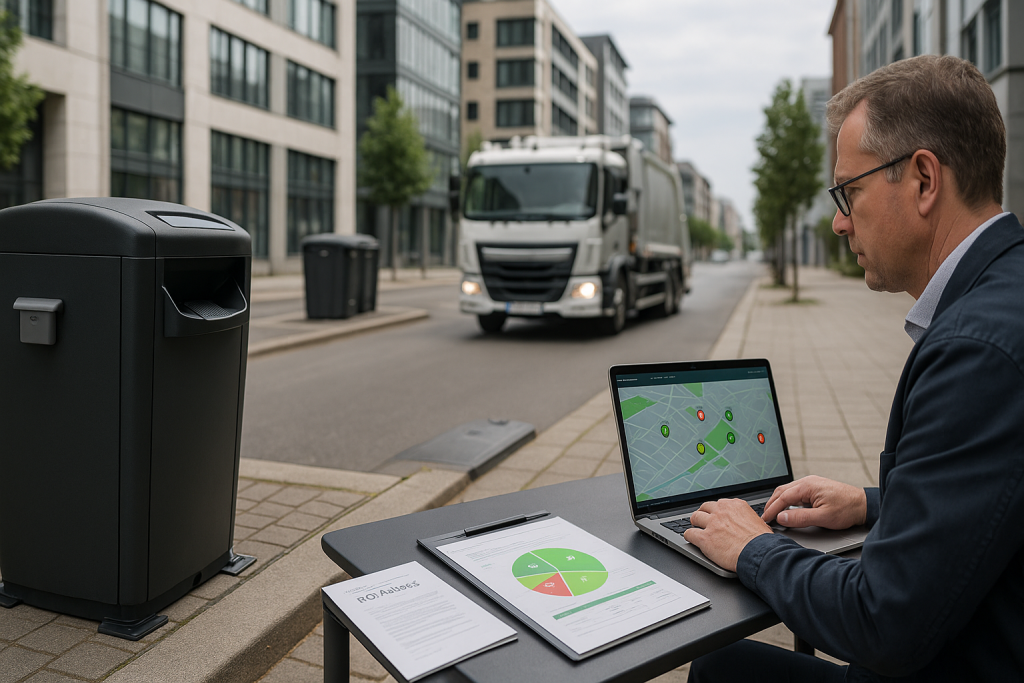
These elements work together to optimize every step of the collection process. The primary goal is to collect waste only when necessary. This shift leads to cleaner cities and lower operational costs. It also significantly reduces the environmental footprint of sanitation services. This guide explores the core components, benefits, and future of this essential urban innovation.
What Is Waste Collection Technology?
Waste collection technology is a system of hardware and software. It monitors, manages, and streamlines the process of collecting waste. Traditional methods rely on fixed routes and schedules. This often leads to inefficient collections from empty or overflowing bins. Modern technology solves this problem with real-time data.
Smart systems provide visibility into waste levels across an entire area. This allows for dynamic scheduling and route optimization. Collection teams are dispatched only when and where they are needed. This evolution marks a critical step towards building smarter, more responsive cities. It is a foundational element of modern urban infrastructure.
The Core Components: A Deep Dive into the Technology Stack
Modern waste collection is powered by several interconnected technologies. Each component plays a vital role in creating a seamless and intelligent system. Understanding these parts reveals how data transforms a traditional service into a smart utility.
1. IoT Fill-Level Sensors: The Eyes of the System
The most fundamental component is the Internet of Things (IoT) sensor. These small, durable devices are placed inside waste containers. They act as the primary data source for the entire system.
- How They Work: Most sensors use ultrasonic technology. They emit sound waves that bounce off the waste's surface. The time it takes for the wave to return measures the distance. This data is then translated into a precise fill-level percentage. Some sensors may also use infrared technology for different waste types.
- Data They Collect: The primary data point is the fill level. However, advanced sensors can gather more information. This includes bin temperature to detect fire risks. They can also sense tilt or shock, signaling if a bin has been knocked over.
- Connectivity: Sensors use low-power, wide-area networks (LPWAN) to transmit data. Technologies like LoRaWAN or NB-IoT are common. They allow devices to send small data packets over long distances. This method uses very little battery power. A single sensor battery can often last for several years.
2. Smart Bins: More Than Just a Container
While sensors can be retrofitted into existing bins, purpose-built smart bins offer more features. They are designed from the ground up for efficiency and data integration.
- Integrated Compaction: Many smart bins include a solar-powered compactor. When the bin reaches a certain fill level, the compactor activates. It crushes the waste, increasing the bin's capacity by up to ten times. This drastically reduces the required frequency of collections.
- Solar Power: A small solar panel on top of the unit powers the compactor and sensors. This makes smart bins self-sufficient and easy to deploy. They do not require any connection to the electrical grid.
- Access Control: In some systems, smart bins feature access control. Users may need a keycard or a mobile app to open them. This is useful for "pay-as-you-throw" (PAYT) programs. It ensures that only authorized individuals can use the bins.
3. Central Management Platform: The Brain of the Operation
All data from the sensors and smart bins flows into a central software platform. This is the command center where managers oversee the entire waste collection network.
- Data Visualization: The platform typically features a map-based dashboard. It shows the location and real-time fill level of every bin. Bins are color-coded (e.g., green for empty, red for full). This provides an instant overview of the entire network's status.
- Analytics and Reporting: The software collects historical data. It analyzes trends in waste generation across different locations and times. This information is invaluable for long-term planning. Managers can identify high-traffic areas and adjust bin placement accordingly.
- Alerts and Notifications: The system automatically sends alerts to managers. These notifications are triggered when a bin is full, a fire is detected, or a sensor malfunctions. This enables a proactive approach to maintenance and collection.
4. AI for Route Optimization: The Path to Efficiency
Perhaps the most impactful component is the use of Artificial Intelligence (AI). AI algorithms process the real-time data to create the most efficient collection routes possible.
- Dynamic Routing: Instead of following the same path every day, the AI generates new routes daily. These routes are based on which bins actually need service. The algorithm calculates the shortest possible path to collect all full bins.
- Predictive Analytics: Over time, the AI learns waste generation patterns. It can predict when a bin is likely to become full. This allows managers to schedule collections just before an overflow occurs. This predictive capability is a core feature of advanced Smart Waste Management systems.
- Resource Allocation: AI helps allocate resources effectively. It ensures the right number of vehicles and staff are deployed each day. This prevents overstaffing on quiet days and understaffing during peak periods.
5. GPS and Vehicle Telematics: Tracking and Performance
Every collection vehicle is equipped with GPS and telematics devices. This technology integrates the fleet directly into the smart system.
- Real-Time Tracking: Managers can see the exact location of every truck on the map. They can monitor progress along the optimized routes.
- Route Adherence: The system can verify that drivers are following the assigned routes. It can also provide turn-by-turn navigation to drivers. This helps them navigate the most efficient path.
- Performance Monitoring: Telematics can track vehicle data like speed, fuel consumption, and idle time. This information helps managers monitor driver performance and identify areas for improvement.
The Transformative Benefits of Smart Waste Collection
Adopting modern waste collection technology offers a wide range of benefits. These advantages impact financial budgets, environmental goals, and community well-being.
Financial Advantages and ROI
- Reduced Operational Costs: The most immediate benefit is a reduction in collection costs. Route optimization leads to fewer miles driven. This results in significant savings on fuel, vehicle maintenance, and labor hours.
- Optimized Resource Use: With data-driven insights, organizations can make better decisions. They can allocate their fleet and workforce more effectively. This eliminates the waste associated with servicing empty containers.
- Increased Asset Lifespan: Fewer collection trips mean less wear and tear on vehicles. This extends the lifespan of the fleet and reduces capital expenditures over time.
Environmental Sustainability
- Lower Carbon Footprint: Optimized routes directly translate to lower fuel consumption. This significantly reduces greenhouse gas emissions from the collection fleet. Solar-powered compacting bins also rely on clean energy.
- Reduced Noise Pollution: Fewer truck trips mean less noise in residential and commercial areas. This contributes to a more peaceful urban environment.
- Cleaner Public Spaces: By preventing bin overflows, the technology keeps streets cleaner. This reduces litter and prevents waste from polluting local ecosystems.
Operational Efficiency
- Elimination of Overflows: Real-time monitoring ensures that bins are emptied before they overflow. This improves public health and sanitation. It also enhances the aesthetic appeal of public spaces.
- Data-Driven Decision Making: Waste managers are no longer operating on assumptions. They have access to robust data and analytics. This allows them to plan more effectively and respond quickly to issues.
- Increased Service Quality: The technology enables a more reliable and responsive service. Citizen complaints about overflowing bins are drastically reduced.
Community and Social Benefits
- Improved Public Health: Cleaner streets and contained waste reduce the risk of pests and disease. This is a direct benefit to public health.
- Enhanced Citizen Satisfaction: A visibly cleaner and more efficient city improves the quality of life for residents. This leads to higher levels of satisfaction with municipal services.
- Foundation for Smart Cities: A smart waste system is a key pillar of a broader smart city initiative. It demonstrates a city's commitment to using technology to improve urban living.
Challenges to Implementation
While the benefits are clear, adopting this technology involves some challenges. Acknowledging these hurdles is the first step toward a successful implementation.
- Initial Investment: The upfront cost of sensors, smart bins, and software can be significant. However, a thorough ROI analysis often shows that the long-term savings outweigh the initial expense.
- Technological Integration: The new system must integrate with existing municipal software. This can include asset management and billing systems. Careful planning is required to ensure a smooth transition.
- Data Security: Like any IoT system, a smart waste network generates a large amount of data. Robust cybersecurity measures are essential to protect this data from unauthorized access.
- Change Management: Shifting from traditional to data-driven operations requires a cultural change. Staff must be trained on the new platform and workflows.
The Future of Waste Collection Technology
The field of waste collection technology continues to evolve. Several exciting trends are on the horizon, promising even greater levels of efficiency and sustainability.
- Robotics and Automation: Automated sorting at transfer stations is becoming more common. In the future, we may see autonomous vehicles or drones playing a role in the collection process, especially in hard-to-reach areas.
- Advanced Waste Sorting at the Source: Future smart bins may include technology to automatically sort recyclables from general waste. This would dramatically improve recycling rates and support the circular economy.
- Deeper Integration with Smart City Ecosystems: Waste management systems will become more connected with other city services. For example, traffic data could be used to adjust collection routes in real-time to avoid congestion. Waste data could also inform urban planning and public policy decisions.
Conclusion: A Necessary Investment for Modern Cities
Waste collection technology is no longer a futuristic concept. It is a proven and practical solution for today's urban challenges. By leveraging IoT, AI, and real-time data, it transforms a costly municipal service into a highly efficient, sustainable, and responsive system. The move from fixed schedules to data-driven operations eliminates guesswork. It allows cities and private companies to do more with less.
The benefits extend far beyond cost savings. This technology helps build cleaner, greener, and more livable communities. It reduces carbon emissions, improves public health, and enhances the overall quality of urban life. For any forward-thinking organization, investing in modern waste collection technology is a critical step toward a more efficient and sustainable future.
Frequently Asked Questions (FAQ)
1. How long does a sensor battery last in a smart bin? Most IoT sensors for waste management are designed for extreme energy efficiency. They typically use low-power networks to transmit data. A single battery can last between 5 to 10 years, depending on the model and usage frequency.
2. Can this technology be used for all types of waste? Yes, the technology is highly versatile. Sensors can be calibrated for general waste, recycling, organic waste, glass, and even liquid waste. The software platforms are designed to manage multiple waste streams simultaneously.
3. Is smart waste technology only for large cities? No, it is scalable for any size of operation. Smaller towns, large commercial venues, university campuses, and private waste management companies can all benefit. The principles of route optimization and data-driven collection apply universally.
4. What is the typical return on investment (ROI) period? The ROI period varies based on the scale of the deployment and existing operational inefficiencies. However, many organizations report achieving a full return on their investment within 18 to 36 months, driven primarily by savings in fuel and labor.
5. How secure is the data collected by the system? Reputable providers use robust security measures to protect data. This includes end-to-end encryption for data transmission, secure cloud storage, and access controls within the software platform to ensure only authorized personnel can view or manage the information.


